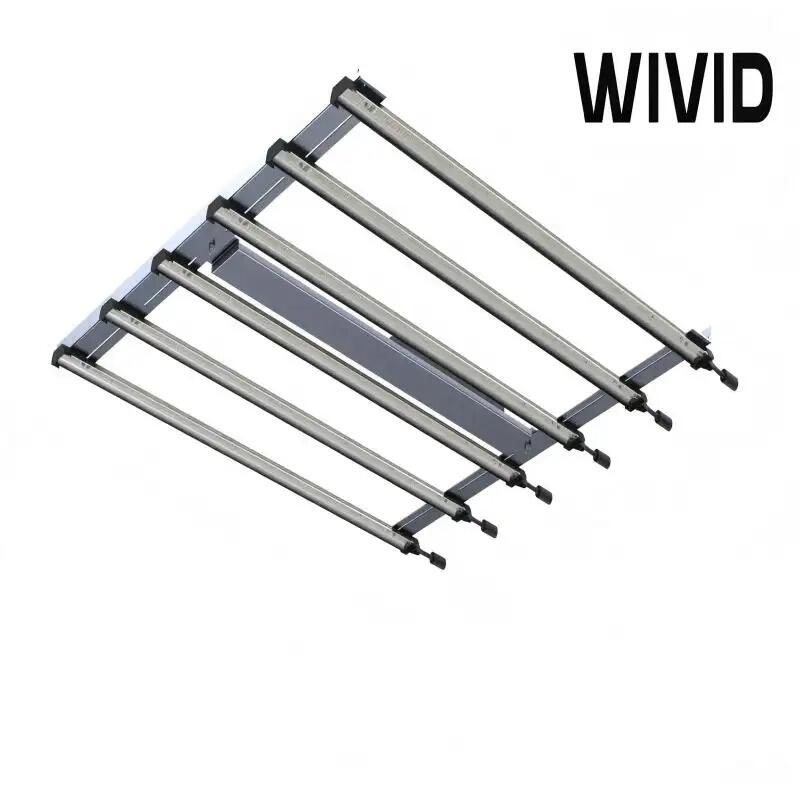
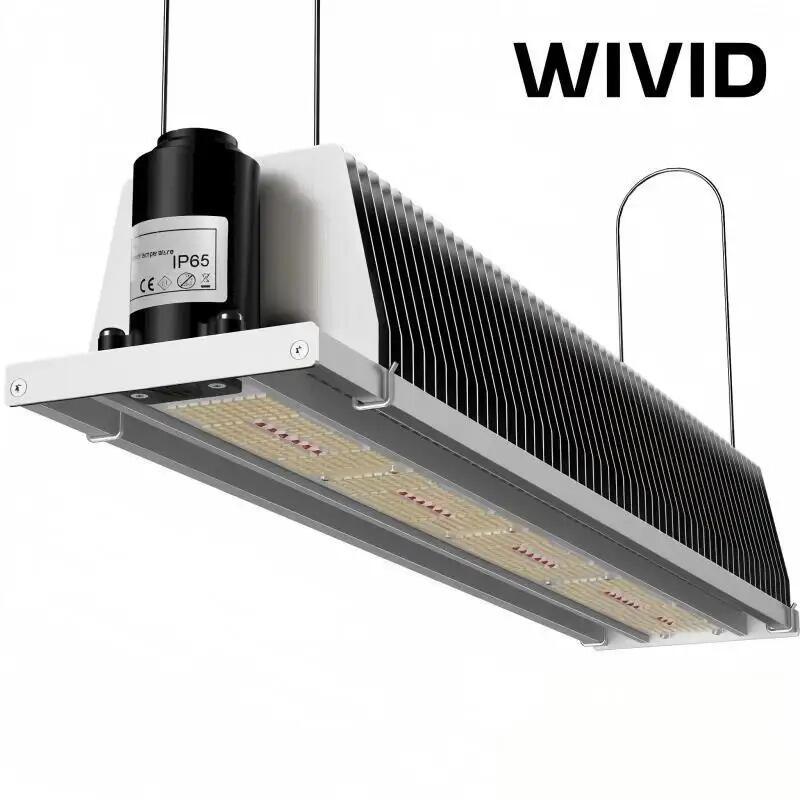
Kohandatav valgusspekter optimeerib taimede arengut
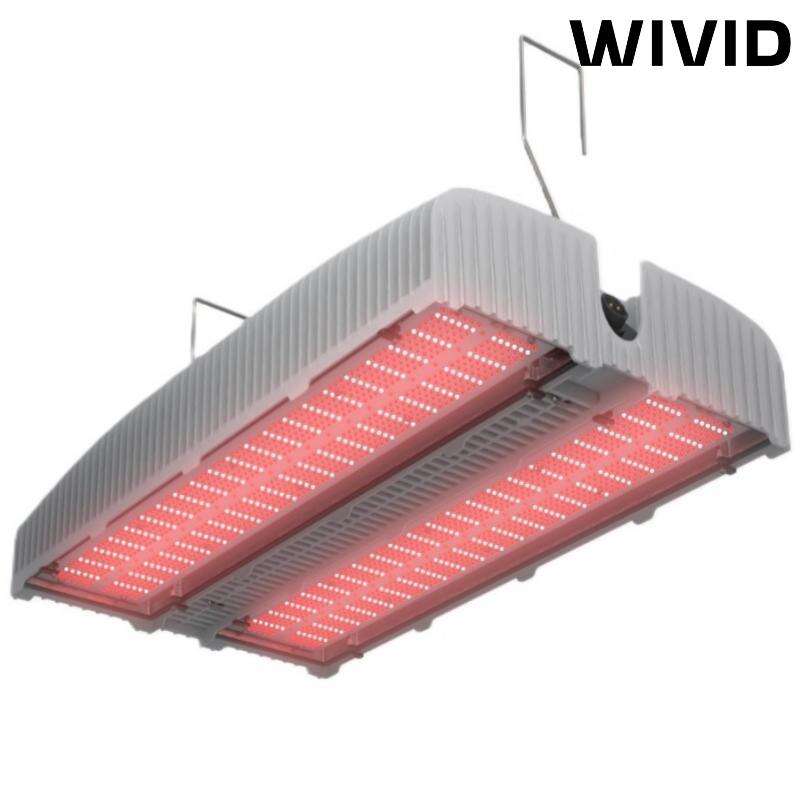
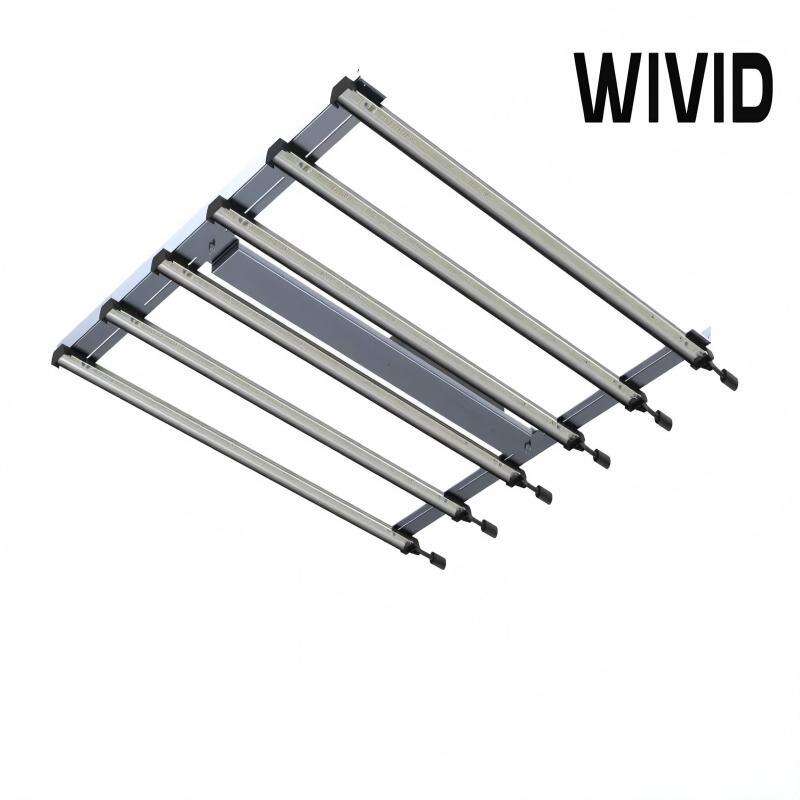
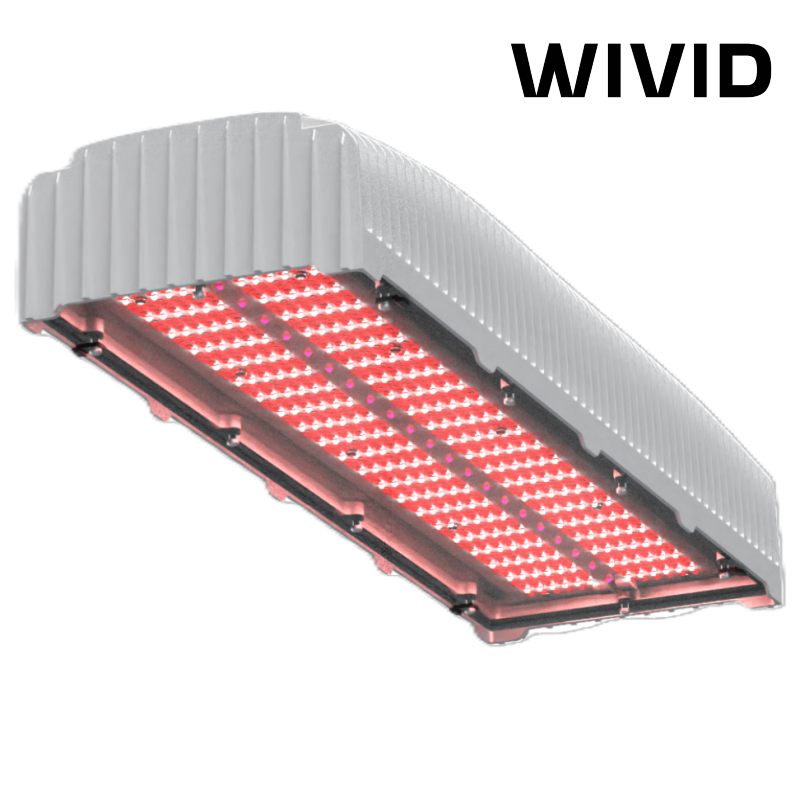
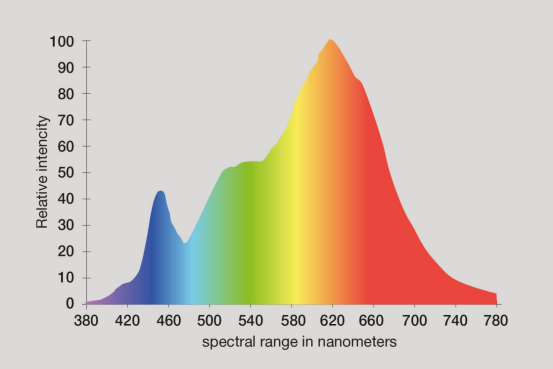
Võimalus kohandada ja reguleerida valgusspektrit on üks tõhusamate LED-taimevalgustite võimsaimaid omadusi, andes taimekasvatajatele seni nägematu kontrolli taimede arengu ja saagikoguste üle. Taimed on arenenud nii, et kasutavad erinevate bioloogiliste protsesside jaoks konkreetseid valguslainepikkusi: sinine valgus soodustab vegetatiivset kasvu ja punane valgus edendab õitsemist ning viljakujunemist. Tõhusad LED-taimevalgustid on konstrueeritud nii, et nad kiirgavad täpselt määratletud kombinatsiooni neist lainepikkustest, võimaldades sul kohandada valguskeskkonda oma konkreetsete taimeliikide ja kasvutähtaegadega. See spektraalne kontroll oli võimatu traditsiooniliste valgustustehnoloogiatega, mis kiirgavad fikseeritud laiaspektrilist valgust sõltumata sellest, mida taimed tegelikult vajavad. Kaasaegsed tõhusad LED-taimevalgustid sisaldavad mitmeid eri värvide LED-i kiipe – sealhulgas punaseid, siniseid, valgeid, kaugpunaseid ning mõnikord ultravioletseid või infrapunaseid dioode. Iga värvikanali intensiivsuse reguleerimisega saad luua kohandatud valgusretsepte, mis optimeerivad erinevaid kasvuetappe või taimede reaktsioone. Vegetatiivsel faasil võib sinise lainepikkuse rõhutamine soodustada kompaktset kasvu, tugevaid tõrkeid ja tervislikku lehearengut. Üleminekul õitsemisfaasile põhjustab punase ja kaugpunase lainepikkuse suurendamine reproduktiivseid reaktsioone ning parandab õite ja viljade tootmist. Mõned täiustatud tõhusad LED-taimevalgustid sisaldavad programmeeritavaid juhtseadmeid, mis kohandavad spektrit automaatselt päeva jooksul, imiteerides loomulikke päikesetõusu ja -lõunat, mis võib parandada taimede tervist ja saagikoguseid. Võimalus välistada ebaolulisid lainepikkusi, näiteks roheline valgus, mida taimed pigem peegeldavad kui neelavad, tähendab, et iga vatt elektrienergiat panustab produktiivsesse fotosünteesi, mitte kulutatakse ära kasutamata spektriosas. Uuringud on näidanud, et optimeeritud valgusspektrid võivad suurendada saagikoguseid 20–40 protsenti võrreldes üldistatud valgustusega, samal ajal parandades saagiselt saadavate toodete toitumisväärtust, maitset ja visuaalset välimust. Spektraalkontroll annab suurepäraseid võimalusi ka spetsiaalrakendustes, näiteks kindlate lainepikkuste kasutamine antotsüaniinide tootmise suurendamiseks lehtkapsas, et saavutada sügavam purpurne värvitus, või ravimtaimede kanabinooidiprofiili muutmine. Tõhusate LED-taimevalgustite paindlikkus võimaldab sul kasvatada ühes ja samas ruumis mitmeid erinevaid taimeliike, kohandades iga tsooni valgusspektrit, maksimeerides seega oma kasvuruumi universaalsust ja rentaablust. Kuna taimeteadus jätkab valgusreaktsioonide kohta teadmiste laiendamist, saab tõhusaid LED-taimevalgusteid uuesti programmeerida või täiendada, et rakendada uusi kasvustrateegiaid ilma kogu valgustusseadmete asendamiseta.

 EN
EN