
 EN
EN
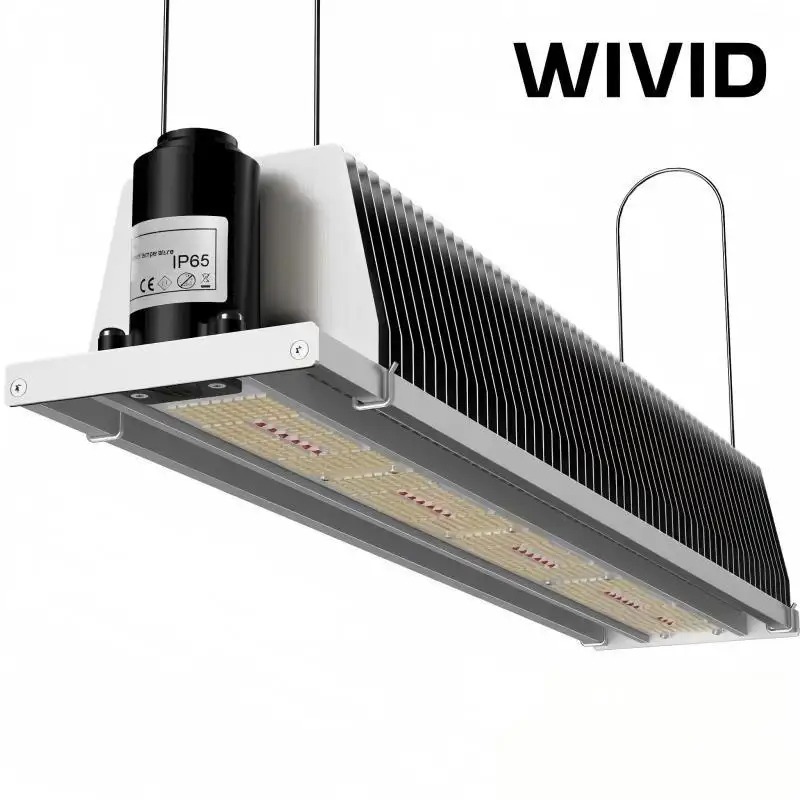
Modern greenhouse operations face mounting pressure to optimize both crop yield and operational costs simultaneously. The integration of lighting controls with greenhouse climate systems represents one of the most effective pathways toward achieving these dual objectives through energy-saving horticulture systems. When lighting and climate management work in harmony rather than isolation, growers can dramatically reduce energy consumption while maintaining or even improving plant growth rates and quality. Energy-saving horticulture systems that coordinate light intensity, spectrum, duration, and greenhouse temperature create a synergistic environment where every input serves multiple purposes.
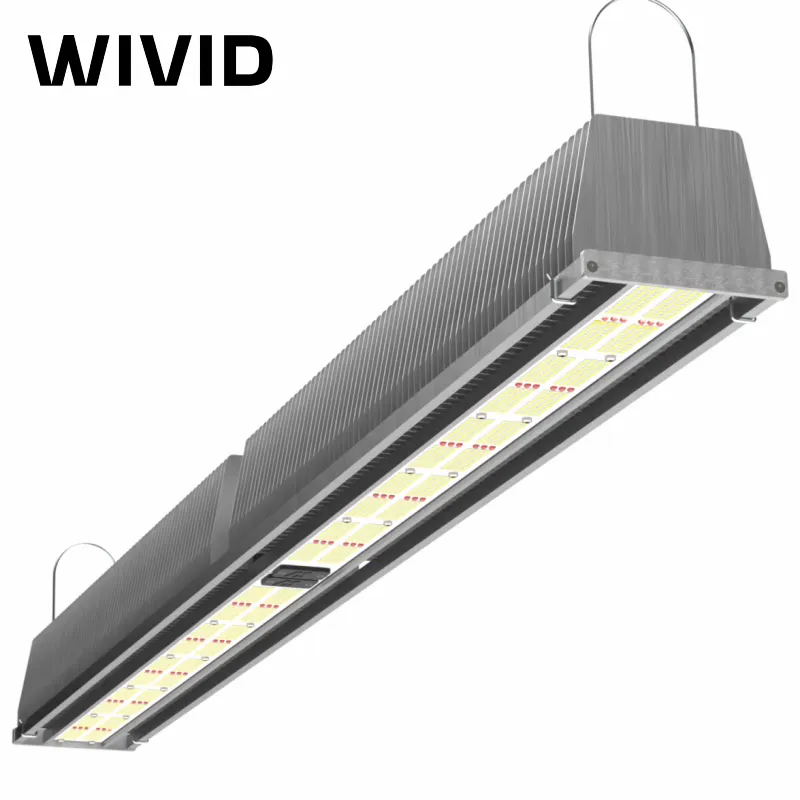
The relationship between lighting and climate control extends far beyond simple equipment placement. Energy-saving horticulture systems must account for how supplemental lighting generates heat, influences humidity levels, and affects the plant canopy microclimate. By understanding these interdependencies, growers implementing energy-saving horticulture systems can eliminate redundant cooling cycles, reduce heating demand during dark periods, and establish optimal conditions for photosynthesis without wasting resources. This integrated approach transforms greenhouse operations from running independent systems into executing a unified environmental strategy.
Understanding the Interconnected System Architecture
How Lighting and Climate Interact in Modern Greenhouses
Supplemental lighting systems, whether LED or high-intensity discharge lamps, emit thermal energy alongside photosynthetically active radiation. Traditional greenhouse management treats lighting as separate from climate control, leading to situations where cooling systems work against heating systems. With energy-saving horticulture systems, this conflict disappears because integrated controls recognize that afternoon supplemental lighting reduces evening heating requirements and alters humidity dynamics through increased plant transpiration. Energy-saving horticulture systems monitor light intensity, spectrum, and duration while simultaneously tracking temperature, humidity, and CO2 levels to make real-time adjustments that serve both plant physiology and energy efficiency.
Core Components of Integrated Energy-Saving Systems
Effective energy-saving horticulture systems require several key layers working together seamlessly. Sensor networks throughout the greenhouse capture continuous data on light levels, air temperature, leaf temperature, humidity, and CO2 concentration. Control algorithms within energy-saving horticulture systems process this information and make coordinated decisions about lighting duration, spectrum adjustments, ventilation rates, and heating or cooling activation. Communication infrastructure connects lighting fixtures, climate controllers, and sensors so that energy-saving horticulture systems can execute commands instantly across the entire facility. The integration point is critical: without unified control architecture, energy-saving horticulture systems cannot achieve the synchronization necessary for true energy optimization.
Design Strategies for Optimal Integration
Sequencing Lighting and Ventilation for Maximum Efficiency
One of the primary benefits of energy-saving horticulture systems is the ability to sequence operational stages rather than running systems in parallel. During peak sunlight hours, supplemental lighting remains off, allowing ambient light and solar heat to meet plant requirements while reducing strain on cooling systems. As natural light diminishes, energy-saving horticulture systems gradually activate supplemental lighting while simultaneously adjusting ventilation to manage the heat output from fixtures. Evening hours represent an ideal time for energy-saving horticulture systems to shift from active cooling to passive cooling, leveraging nighttime temperature drops and the metabolic benefits of darkness periods for specific crop types. This choreographed approach, central to any effective energy-saving horticulture systems strategy, reduces peak energy demand and extends equipment lifespan.
Spectrum Tuning and Climate Adaptation
Modern LED-based energy-saving horticulture systems offer unprecedented control over light spectrum, allowing growers to adjust red-to-blue ratios dynamically based on growth stage and ambient conditions. Far-red spectrum additions within energy-saving horticulture systems can influence plant morphology and flowering timing, reducing reliance on extended photoperiods and thus lowering energy consumption. Different plant species respond differently to spectral combinations, and sophisticated energy-saving horticulture systems learn these preferences through data collection and automated adjustments. Temperature management becomes more precise when energy-saving horticulture systems account for how different spectral compositions affect plant transpiration rates and canopy heat loading. By optimizing both spectrum and climate simultaneously, energy-saving horticulture systems achieve superior results with fewer operational hours.
Implementation and Monitoring Framework
Establishing Baseline Metrics and Performance Targets
Before deploying energy-saving horticulture systems, growers must establish clear baselines for current energy consumption, crop yield, and quality metrics. This data becomes the reference point for measuring the impact of integrated controls. Energy-saving horticulture systems typically target 20 to 35 percent reductions in overall energy consumption compared to traditionally managed greenhouses, though actual results depend on crop type, regional climate, and system sophistication. Target setting within energy-saving horticulture systems should balance energy reduction goals against yield and quality preservation, ensuring that optimization efforts never compromise the fundamental business objective of producing marketable crops. Monthly and seasonal monitoring against these targets allows operators to refine energy-saving horticulture systems settings and identify unexpected inefficiencies before they accumulate into significant losses.
Sensor Placement and Data Integration
Proper sensor distribution is foundational to energy-saving horticulture systems success. Temperature sensors must be positioned at canopy level, not just overhead, because leaf surface temperatures drive plant physiology and evapotranspiration rates. Light sensors should measure both intensity and spectrum characteristics in representative zones across the greenhouse. Humidity sensors need placement that captures the microclimate variations created by different lighting zones and ventilation patterns. Energy-saving horticulture systems consolidate all this sensor data into a unified platform where correlations become visible and automated responses can be triggered. Without accurate, representative sensor inputs, even the most sophisticated energy-saving horticulture systems cannot function effectively.
FAQ
What is the typical energy savings percentage when implementing energy-saving horticulture systems?
Energy-saving horticulture systems typically reduce total greenhouse energy consumption by 20 to 35 percent compared to traditional separate system management. Actual savings depend on crop type, existing infrastructure, regional climate, and the sophistication of control algorithms. Leafy greens and propagation operations often see higher savings percentages because these crops tolerate lower temperature setpoints and benefit from flexible photoperiods. Warm-season fruit crops may achieve more modest reductions because they require consistently warm conditions regardless of lighting schedules. The key factor is that energy-saving horticulture systems eliminate waste from running cooling and heating simultaneously, which commonly occurs in non-integrated operations.
Can energy-saving horticulture systems be retrofitted into existing greenhouses?
Yes, energy-saving horticulture systems can be retrofitted into most existing greenhouses, though the ease and cost depend on current infrastructure. Facilities with modern climate control systems and existing sensor networks can often add integrated lighting controls with moderate investment in software, control hardware, and communications infrastructure. Older greenhouses with manual or very basic climate management may require more substantial upgrades to establish the foundation that energy-saving horticulture systems require. Retrofit costs typically range from moderate to significant depending on greenhouse size and existing system condition. Energy-saving horticulture systems justify retrofitting expenses through operational savings that often recover investment within three to seven years, depending on energy costs and crop value.
How do energy-saving horticulture systems handle unpredictable weather or equipment failures?
Robust energy-saving horticulture systems incorporate fallback protocols and manual override capabilities to maintain crop safety if primary controls become unavailable. Sensor redundancy ensures that loss of a single sensor does not disable the entire system. Energy-saving horticulture systems can operate in degraded mode if necessary, reverting to more conservative settings that may use slightly more energy but guarantee plant safety. Equipment failures in individual lighting circuits or climate subsystems trigger alerts while energy-saving horticulture systems automatically isolate the failed component and compensate through other available controls. Regular maintenance schedules for energy-saving horticulture systems prevent many equipment failures before they occur, and properly designed systems always prioritize crop health over energy optimization.