Professional Horticulture Grow Lights - Advanced LED Growing Solutions for Maximum Yields

All Categories

horticulture grow lights

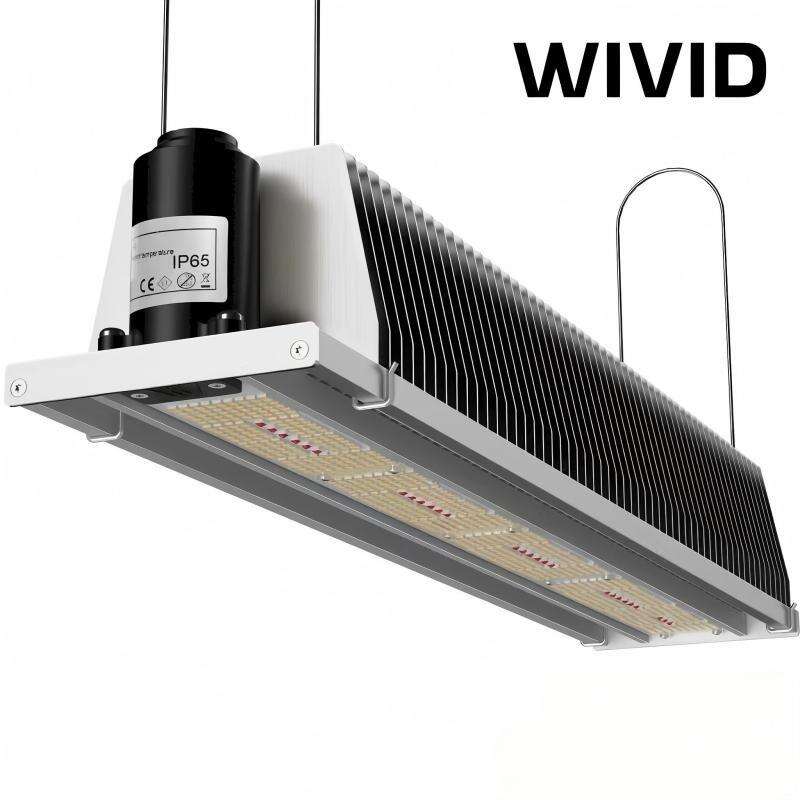
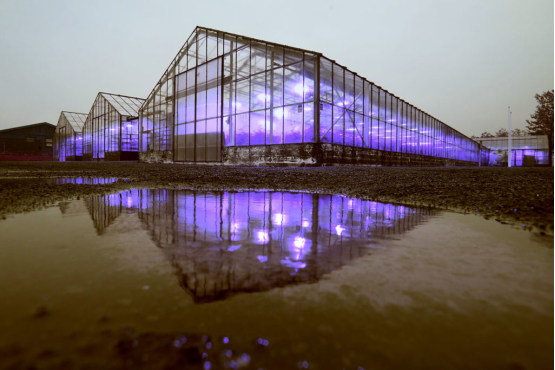
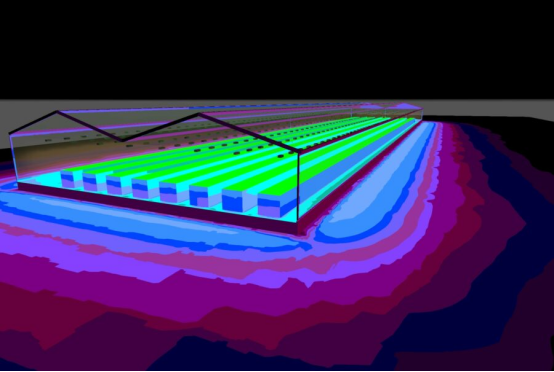
Horticulture grow lights represent a revolutionary advancement in indoor farming and controlled environment agriculture, providing plants with the precise light spectrum they need to thrive regardless of natural sunlight availability. These specialized lighting systems are engineered to replicate and optimize the sun's photosynthetic radiation, enabling year-round cultivation of vegetables, herbs, flowers, and other crops in greenhouses, vertical farms, research facilities, and home growing operations. Modern horticulture grow lights utilize advanced LED technology, high-pressure sodium lamps, or metal halide systems to deliver targeted wavelengths that maximize plant growth, flowering, and fruiting stages. The core function of these lights is to provide photosynthetically active radiation in the 400-700 nanometer range, which plants absorb most efficiently for photosynthesis. Beyond basic illumination, contemporary systems incorporate smart controls that allow growers to adjust light intensity, duration, and spectral composition based on specific crop requirements and growth phases. This technological sophistication enables precise manipulation of photoperiods to trigger flowering, control plant morphology, and enhance nutritional content in harvested produce. Horticulture grow lights find applications across diverse settings, from commercial greenhouse operations producing tomatoes and lettuce to pharmaceutical companies cultivating medicinal plants under strictly controlled conditions. Research institutions employ these systems to study plant biology and develop new cultivars, while urban farmers use them to establish productive growing spaces in warehouses and basements. The versatility of horticulture grow lights extends to ornamental plant production, cannabis cultivation, and supplemental lighting in regions with limited natural sunlight during winter months. As global food security concerns intensify and urban populations expand, these lighting solutions are becoming essential infrastructure for sustainable agriculture, enabling local food production that reduces transportation costs and carbon emissions while providing fresh produce to communities worldwide.

Popular Products

Horticulture grow lights deliver transformative benefits that fundamentally change how we approach plant cultivation and food production. First and foremost, these systems eliminate dependence on weather patterns and seasonal limitations, allowing growers to produce crops continuously throughout the year. This consistency translates directly into predictable harvests, stable revenue streams, and reliable supply chains that meet consumer demand without interruption. Unlike traditional farming that surrenders control to nature's unpredictability, indoor operations using horticulture grow lights maintain optimal growing conditions every single day, resulting in faster crop cycles and increased annual yields from the same square footage. The economic advantages extend beyond production volume. Growers can strategically time harvests to coincide with peak market prices, maximizing profitability rather than competing with seasonal gluts that depress commodity values. Energy-efficient LED horticulture grow lights have dramatically reduced operational costs compared to older technologies, with some systems consuming 50-70 percent less electricity while producing superior results. This efficiency improvement makes indoor farming financially viable in regions where energy costs previously prohibited such operations. The precision control offered by modern horticulture grow lights enables growers to optimize plant quality in ways impossible under natural sunlight. By adjusting light spectra, cultivators can enhance flavor profiles, increase nutritional density, boost essential oil production in herbs, and intensify colors in ornamental plants. This quality control creates premium products that command higher prices and build brand loyalty among discerning consumers. Water conservation represents another significant advantage, as indoor facilities using horticulture grow lights typically employ recirculating hydroponic or aeroponic systems that use 90 percent less water than field agriculture. The controlled environment also eliminates pesticide requirements, producing cleaner crops that appeal to health-conscious buyers and reduce environmental contamination. Location flexibility transforms real estate economics, enabling productive agriculture in urban centers close to consumers, reducing transportation costs, food waste from spoilage, and carbon emissions from long-distance shipping. Abandoned warehouses, shipping containers, and rooftop spaces become viable farmland when equipped with horticulture grow lights, revitalizing communities and creating local employment. For home gardeners and hobbyists, these lights democratize cultivation, allowing anyone to grow fresh herbs, vegetables, and flowers regardless of climate, yard space, or apartment living constraints, fostering food security and self-sufficiency at the household level.

Tips And Tricks

Energy Savings and Spectral Precision

14

Jan

Energy Savings and Spectral Precision

Discover how horticultural LED lighting cuts energy use by up to 50% while boosting plant growth with optimized spectra. Reduce TCO and enhance sustainability. Learn more today.
View More
Introduction to Photosynthetically Active Radiation (PAR)

14

Jan

Introduction to Photosynthetically Active Radiation (PAR)

Discover how Photosynthetically Active Radiation (PAR) boosts photosynthesis, growth, and yields. Learn to optimize LED lighting for energy efficiency and crop quality. Read more.
View More
Comprehensive Light Planning in Controlled Environment Agriculture

12

Mar

Comprehensive Light Planning in Controlled Environment Agriculture

Maximize crop yield with precise PPFD planning. Discover how 3D light simulations improve uniformity, reduce waste, and boost photosynthesis. Get your free lighting guide.
View More
The Grow Light Spectrum

15

Jan

The Grow Light Spectrum

Maximize photosynthetic efficiency and yields with science-backed grow light spectra. Discover how blue, red, and full-spectrum lighting affect plant growth. Learn more.
View More

Get a Free Quote

Our representative will contact you soon.
Email
Mobile
Country/Region
Name
Message
0/1000

horticulture grow lights

Customizable Light Spectrum Technology for Optimal Plant Development

Customizable Light Spectrum Technology for Optimal Plant Development

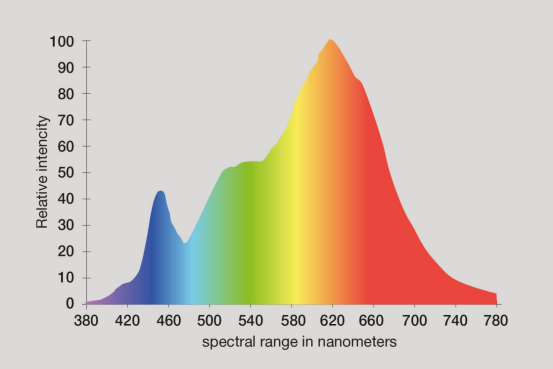
The most revolutionary feature of modern horticulture grow lights lies in their ability to deliver customizable light spectra precisely matched to plant physiological needs at different growth stages. Unlike the fixed spectrum of natural sunlight or traditional lighting, advanced LED horticulture grow lights allow growers to adjust the ratio of blue, red, far-red, and white wavelengths to trigger specific plant responses. This spectral control represents a quantum leap in cultivation science, transforming lighting from a passive environmental factor into an active management tool that shapes plant architecture, chemistry, and productivity. During vegetative growth phases, plants benefit from blue-rich spectra in the 400-500 nanometer range, which promotes compact, sturdy growth with short internodes and robust leaf development. Growers can program their horticulture grow lights to emphasize these wavelengths early in the crop cycle, establishing strong structural foundations that support heavy fruit loads later. As plants transition to flowering and fruiting, shifting the spectrum toward red and far-red wavelengths in the 600-750 nanometer range triggers reproductive development, accelerates flowering, and enhances yield potential. This dynamic spectral management allows a single lighting installation to serve multiple purposes throughout the growing season, eliminating the need for separate vegetative and flowering rooms that duplicate infrastructure costs. The practical implications extend beyond basic growth manipulation. Research demonstrates that specific light recipes can increase concentrations of beneficial compounds like anthocyanins, flavonoids, and vitamins in edible crops, creating functional foods with enhanced health properties. Ornamental growers use spectral tuning to intensify flower colors and extend bloom duration, producing superior products that stand out in competitive markets. The ability to reduce or eliminate green wavelengths, which plants reflect rather than absorb, improves energy efficiency by focusing electrical input exclusively on photosynthetically useful radiation. Modern horticulture grow lights with spectral customization also enable growers to conduct sophisticated experiments, testing different light recipes to optimize outcomes for specific cultivars and growing systems. This empirical approach to cultivation replaces guesswork with data-driven decision making, continuously improving results as growers refine their protocols. The technology empowers even novice cultivators to achieve professional results by following proven light recipes developed through extensive research, democratizing expertise that previously required years of experience to develop.
Energy Efficiency and Long-Term Cost Savings That Transform Economics

Energy Efficiency and Long-Term Cost Savings That Transform Economics

Energy consumption represents the largest ongoing operational expense for indoor growing facilities, making the exceptional efficiency of modern horticulture grow lights a game-changing economic advantage that determines project viability. LED-based horticulture grow lights convert electrical energy to photosynthetically active radiation with unprecedented efficiency, achieving photon efficacy ratings exceeding 2.7 micromoles per joule in premium systems. This performance metric translates to dramatic reductions in electricity bills compared to legacy technologies like high-pressure sodium or metal halide lamps, which waste substantial energy as heat rather than useful light. The financial impact compounds over time, as horticulture grow lights typically operate 12-18 hours daily throughout the year, making even modest efficiency improvements yield substantial savings. A commercial greenhouse replacing 1000-watt HPS fixtures with equivalent LED horticulture grow lights can reduce lighting energy consumption by 40-60 percent while maintaining or improving crop yields, directly enhancing profit margins in an industry where success often hinges on controlling variable costs. Beyond raw energy savings, the reduced heat output of efficient horticulture grow lights decreases cooling requirements in growing facilities, creating secondary savings that further improve operational economics. Traditional high-intensity discharge lamps generate excessive radiant heat that stresses plants and forces growers to invest heavily in HVAC systems to maintain optimal temperatures. LED horticulture grow lights produce minimal heat, allowing closer placement to plant canopies without burning foliage while reducing air conditioning loads by 30-50 percent in many installations. This thermal advantage proves especially valuable in warm climates where cooling costs can exceed lighting expenses. The extended lifespan of quality horticulture grow lights amplifies their economic benefits through reduced maintenance and replacement costs. Premium LED systems maintain 90 percent of initial output after 50,000 hours of operation, equivalent to 11 years of continuous use at 12 hours daily. This longevity eliminates the frequent bulb replacements required by HPS and MH systems, which degrade rapidly and require replacement every 12-18 months. The labor savings from reduced maintenance, combined with avoided disposal costs for hazardous waste lamps, contribute meaningfully to total cost of ownership calculations. For operations evaluating horticulture grow lights, the higher initial investment in LED technology typically achieves payback within 2-3 years through accumulated energy savings, after which the efficiency advantage flows directly to bottom-line profitability for the remaining system lifespan.
Precise Environmental Control Enabling Consistent Premium Quality Production

Precise Environmental Control Enabling Consistent Premium Quality Production

The integration of intelligent controls with horticulture grow lights creates unprecedented precision in managing the light environment, enabling growers to replicate ideal conditions with consistency that natural sunlight can never match. This control capability transforms cultivation from an art dependent on experience and intuition into a science driven by measurable parameters and repeatable protocols. Modern horticulture grow lights connect to sophisticated control systems that regulate intensity, photoperiod, spectral composition, and even sunrise-sunset simulation with programming flexibility that adapts to any crop requirement or growing strategy. Growers can establish lighting schedules that precisely match the photoperiod sensitivity of specific plant species, triggering flowering in short-day plants or maintaining vegetative growth in long-day crops regardless of natural day length outside the facility. This temporal control proves invaluable for scheduling harvests to meet market demand, coordinating production across multiple crop cycles, and maximizing facility utilization by eliminating idle periods between plantings. The ability to program gradual intensity changes that mimic natural dawn and dusk transitions reduces plant stress compared to abrupt on-off switching, promoting healthier growth and potentially improving crop quality through gentler environmental management. Dimming capabilities built into quality horticulture grow lights allow growers to reduce intensity during early seedling stages when high light levels can cause photoinhibition, then gradually increase output as plants mature and develop greater photosynthetic capacity. This dynamic intensity management optimizes energy use by delivering only the light plants can productively utilize at each growth stage, avoiding waste from excessive illumination that provides no additional benefit. Sensor integration takes control precision even further, with advanced systems incorporating light meters that continuously monitor photosynthetic photon flux density at canopy level and automatically adjust output to maintain target values despite lamp aging or environmental changes. Some horticulture grow lights feature spectral sensors that verify actual wavelength output, ensuring consistent light quality throughout system lifespan and alerting operators to any performance degradation requiring attention. The data logging capabilities of connected horticulture grow lights create valuable records documenting exact light conditions throughout each crop cycle, enabling growers to correlate lighting parameters with harvest outcomes and continuously refine their protocols. This evidence-based approach to cultivation management replaces subjective assessments with objective measurements, facilitating knowledge transfer between team members and ensuring consistent results regardless of which staff members oversee daily operations.