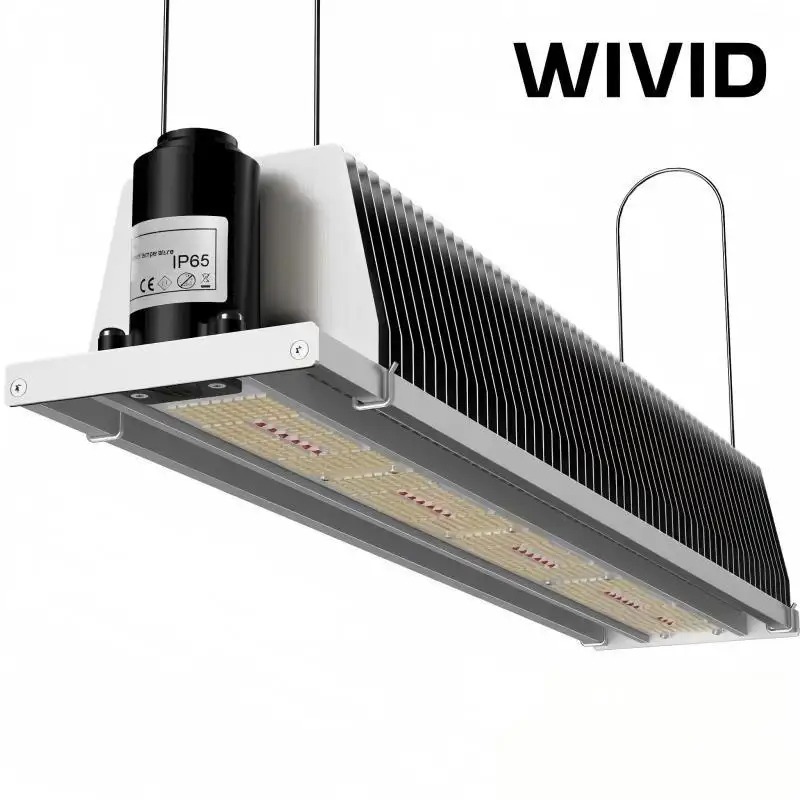
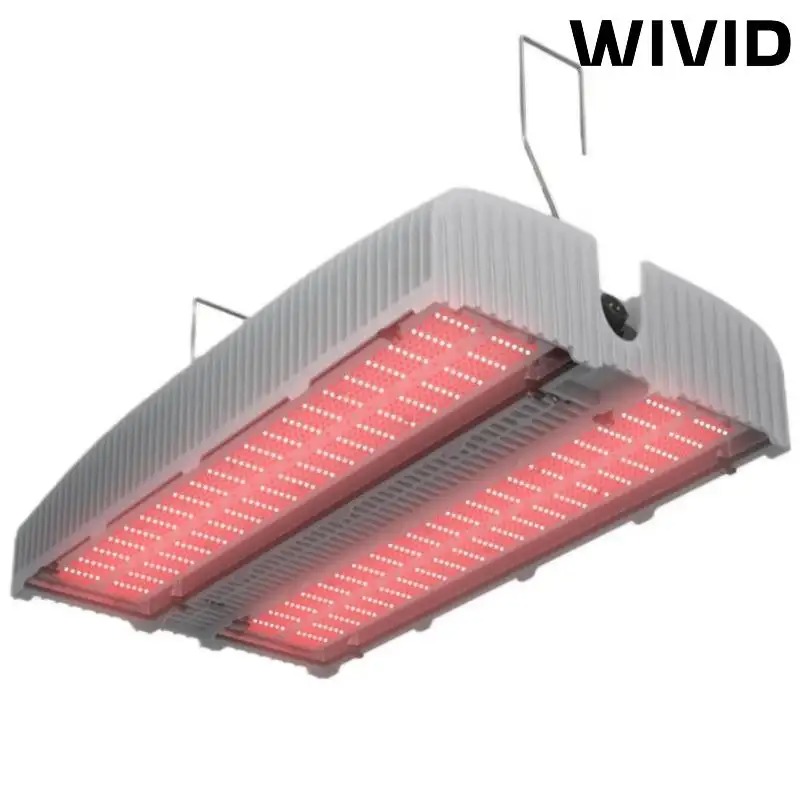
הפחתה דרמטית בהוצאות הפעלה באמצעות יעילות מועילה
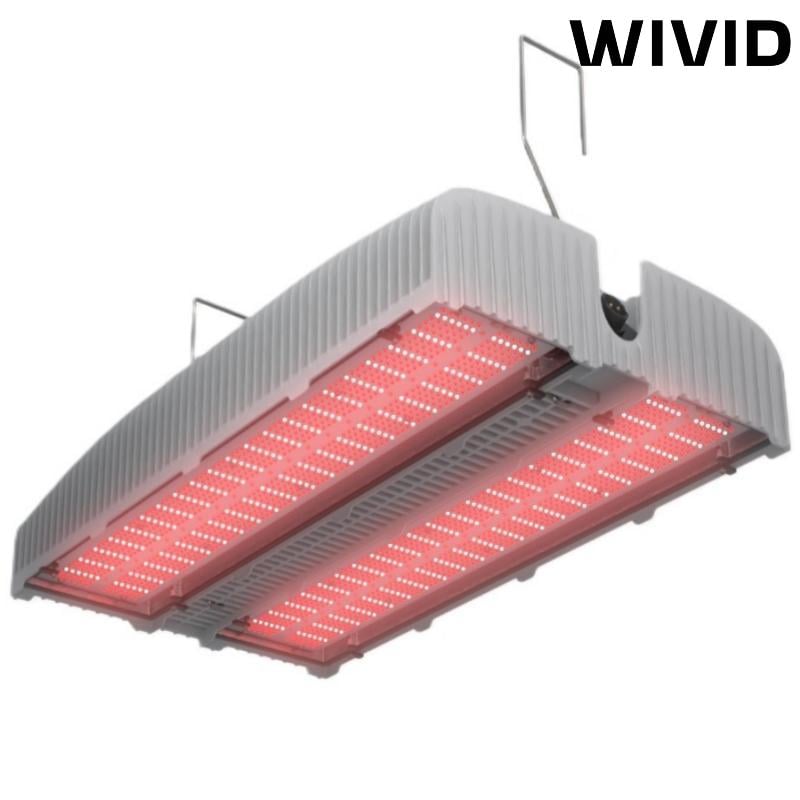
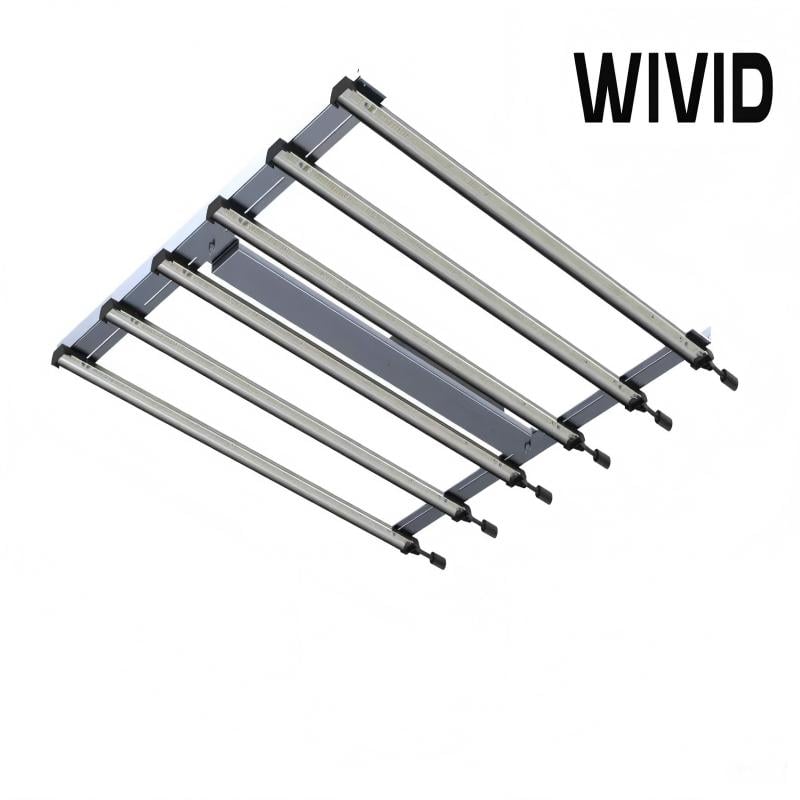
ההיבט המרשים ביותר של צריכת האנרגיה של נורות גידול LED הוא ההשפעה המהפכנית שלה על הוצאות הפעלה לgrowers בכל היקף. מערכות תאורה מסורתיות בעוצמה גבוהה (HID) ממירות רק 20–30 אחוז מהחשמל שצרכו לאור שימושי, בעוד השארית מופצת כחום בזבוז — לא רק אובדן אנרגיה, אלא גם יצר דרישות קירור נוספות. טכנולוגיית ה-LED משנה באופן בסיסי את המשוואה הזו, ומקבלת יעילות המרה העולה על 50 אחוז, כלומר יותר מחצי מהוואט שנצרכת הופך לרadiation פעיל פוטוסינתטי שמניע את צמיחת הצמחים. עבור מבנה גידול פנימי בגודל בינוני שמריץ 100 נורות במשך 12 שעות מדי יום, המעבר מנורות HPS בעוצמה של 600 וואט לנורות LED שקולות בעוצמה של 300 וואט מפחית את צריכת החשמל השנתית בקרוב ל-131,400 קילוואט-שעה. במחירי חשמל מסחריים ממוצעים, זה מתורגם לחסכונות שמעל 13,000 דולר אמריקאי לשנה, רק בהוצאות ישירות על תאורה. הפחתה בצורת צריכת האנרגיה של נורות הגידול LED יוצרת חסכונות משניים דרך הפחתת דרישות ה- HVAC, שכן המתקנים זקוקים לכושר קירור קטן בהרבה כדי לשמור על טמפרטורות גידול אופטימליות. באקלים חם או במزارחים אנכיים צפופים, הפחתת עלויות הקירור יכולה להיות שווה או אף לעלות על חסכונות התאורה הישירים, ובכך להכפיל את התועלת הכספית של צריכת האנרגיה היעילה של נורות הגידול LED. עקביות הביצועים של ה-LED לאורך זמן מבטיחה שהחסכונות הללו ישארו יציבים לאורך תקופת חיים של הנורה, בניגוד לנורות מסורתיות שמתדרדרות עם הזמן, צורכות יותר חשמל והולכות ומייצרות פחות אור. growers יכולים לחשב במדויק את הוצאות הפעלה ארוכות טווח, ולערוך חישובי תשואה מדויקים על ההשקעה (ROI), מה שמאפשר תכנון עסקי וקבלת החלטות מימון ברמה של ביטחון. האפשרות לדיימן נורות LED בשלבים פחות קריטיים לצמיחה או כאשר משלבים אור טבעי מציעה אפשרויות נוספות לאופטימיזציה שפוחתות עוד יותר את צריכת האנרגיה של נורות הגידול LED, ללא צורך בשינוי ציוד או התקנות מורכבות. בקרים חכמים ומערכות אוטומציה יכולים להתאים את עוצמת האור בהתאם לשלב ההתפתחותי של הצמח, לשעת היום ואפילו למחירי החשמל בזמן אמת, תוך מקסום החסכונות תוך שמירה על תנאי גידול אידיאליים. רמת הבקרה והיעילות הזו הופכת את הטכנולוגיה של ה-LED לחיונית לפעולות תחרותיות, שבהן עלויות האנרגיה משפיעות באופן משמעותי על הרווחיות והמיקום השוקי.
 EN
EN