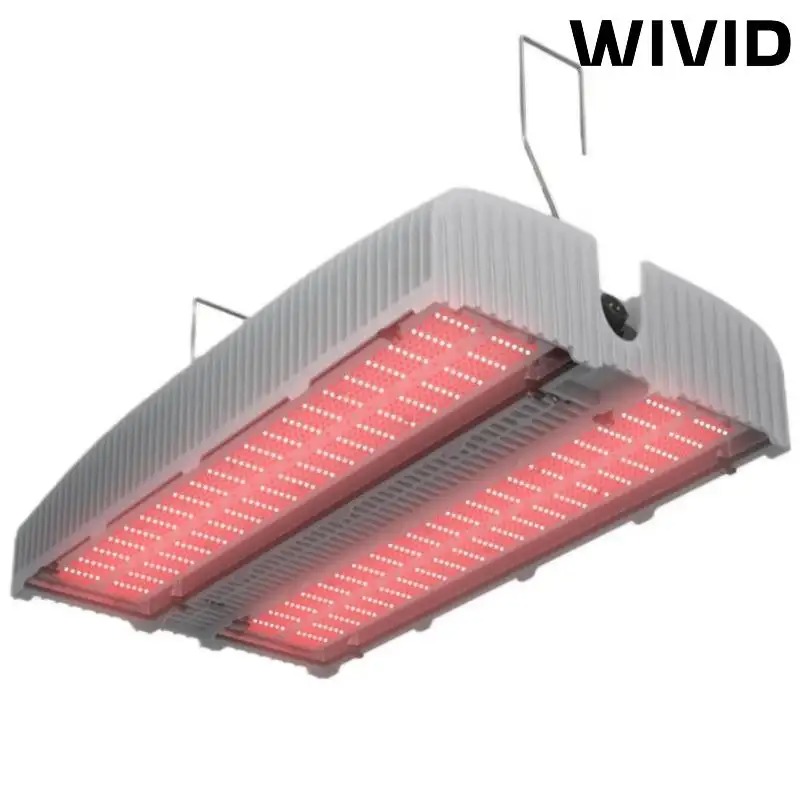
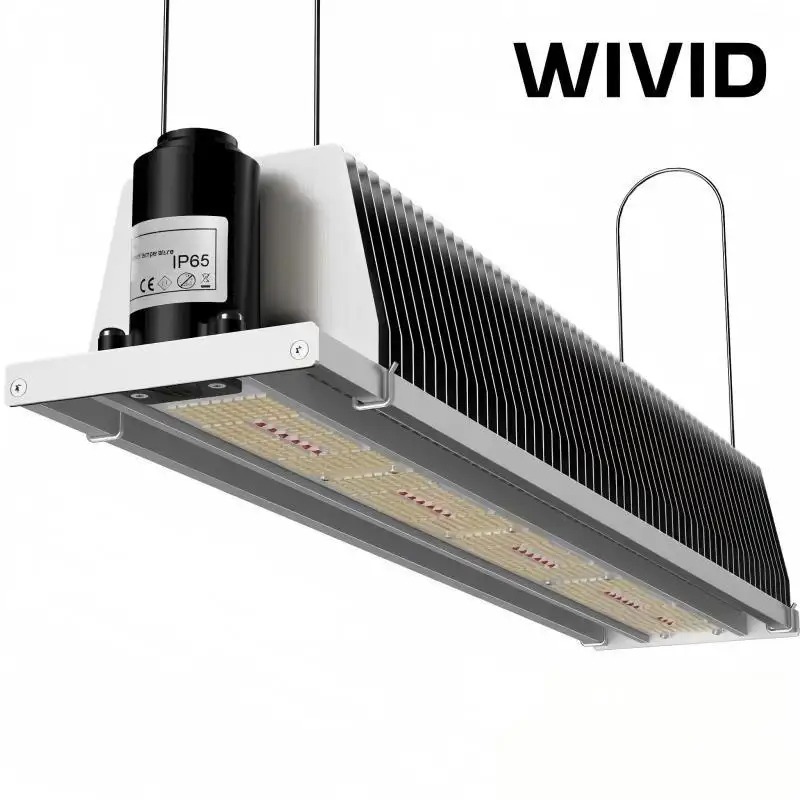
מנורות גידול LED לצמחי פנים
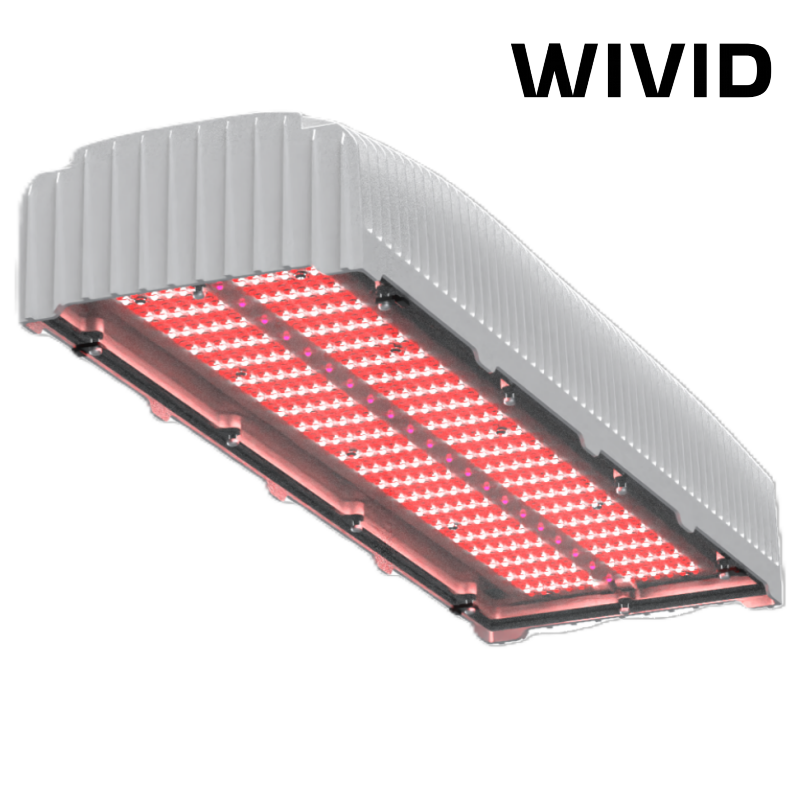
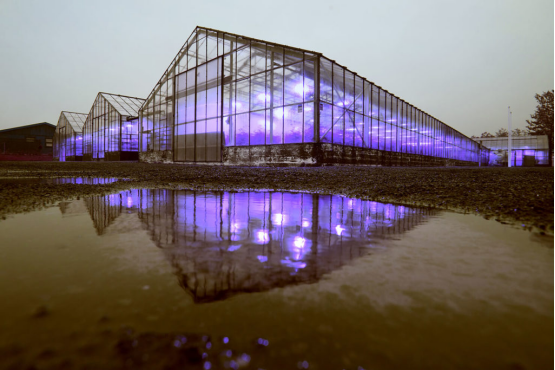
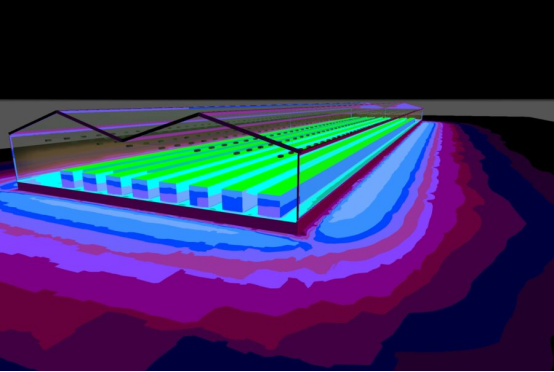
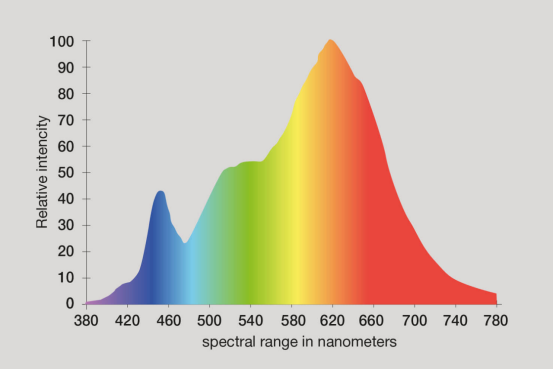
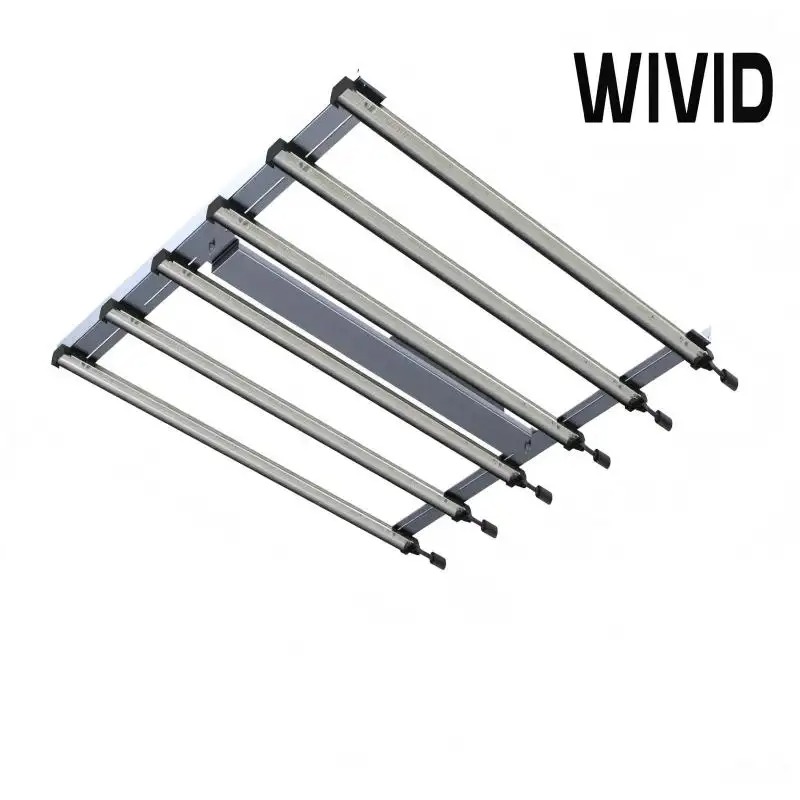
מנורות LED לגידול צמחי פנים מייצגות התקדמות מהפכנית בטכנולוגיית תאורה חקלאית, שתוכננה במיוחד כדי לתמוך בגדילה של צמחים בסביבות שבהן אור השמש הטבעי מוגבל או לא קיים. מערכות התאורה המיוחדות הללו משתמשות בדיאודות פולטות אור (LED) כדי לייצר אור באורכי גל הנדרשים לצמחים לצורך פוטוסינתזה, ומאפשרות לגינונים, חובבים ולמגדרים מסחריים לגדל צמחייה בריאה לאורך כל השנה, ללא תלות בתנאי החוץ. הפונקציה העיקרית של מנורות LED לגידול צמחי פנים היא לספק ספקטרום אור אופטימלי שמדמה את קרני השמש הטבעיות, ומעודד צמיחה חזקה משלב הזרעונים ועד לשלבי הפריחה והפריון. מנורות LED מודרניות לגידול צמחי פנים כוללות תכונות טכנולוגיות מתקדמות, כגון פליטה של ספקטרום מלא, בקרת עוצמה ניתנת להתאמה, ועיצוב יעיל באנרגיה שצורך חשמל בהרבה פחות מאשר שיטות תאורה מסורתיות. מערכות אלו פולטות בדרך כלל אור בטווח הספקטרום הכחול (400–500 ננומטר) כדי לעודד צמיחה וגבעולים צפופים, בעוד שאורכי הגל האדומים (600–700 ננומטר) מעוררים פריחה וייצור פרי. רבות ממנורות LED לגידול צמחי פנים כוללות גם אורכי גל נוספים, כגון אדום-רחוק, אולטרה סגול ואינפרה אדום, כדי לשפר תגובות צמחיות ספציפיות ולתמוך בריאות כללית של הצמחים. השימוש במנורות LED לגידול צמחי פנים מתפשט על פני מגוון סביבות, כולל גינות ביתיות, פעילויות חקלאות עירוניות, חממות מסחריות, מתקני מחקר ומתקני חקלאות אנכית. גינונים פרטיים משתמשים במנורות אלו כדי לשמור על גינות עשבים במטבחים, לגדל ירקות בחודשי החורף ולטפל בצמחים אקזוטיים הדורשים תנאים מסוימים של תאורה. פעילויות מסחריות משתמשות במנורות LED לגידול צמחי פנים כדי למקסם את היבוא, לקצר את מחזורי הגידול ולשמור על לוחות זמנים יציבים של ייצור, ללא תלות בשינויי עונה. הטכנולוגיה הפכה לחשובה במיוחד באזורים עם אור שמש מוגבל, אקלים קיצוני או סביבות עירוניות שבהן שטח גידול חוץ הוא נדיר, ובכך מאפשרת לבעלי אוכל טרי את האפשרות לגדל מזון בעצמם — אפשרות שלא הייתה זמינה בעבר לקבוצות אוכלוסייה מסוימות.

 EN
EN