Premium LED Grow Lights for Vegetables - Energy-Efficient Indoor Growing Solutions

All Categories

led grow lights for vegetables

LED grow lights for vegetables represent a revolutionary advancement in indoor farming and controlled environment agriculture, providing cultivators with precise lighting solutions that maximize plant growth, yield, and nutritional quality. These specialized lighting systems utilize light-emitting diode technology to deliver optimal spectral outputs tailored specifically for vegetable cultivation throughout all growth stages. Unlike traditional lighting methods such as high-pressure sodium or fluorescent systems, LED grow lights for vegetables offer unprecedented control over light intensity, spectrum composition, and photoperiod management. The technology enables growers to replicate and even enhance natural sunlight conditions, ensuring vegetables receive the exact wavelengths necessary for photosynthesis, vegetative development, and fruiting processes. Modern LED grow lights for vegetables incorporate advanced features including full-spectrum capabilities, adjustable intensity settings, and energy-efficient designs that significantly reduce operational costs while improving cultivation outcomes. These systems emit minimal heat compared to conventional lighting, allowing closer placement to plant canopies without causing heat stress or burn damage. The technological sophistication of LED grow lights for vegetables extends to programmable controllers that automate light cycles, simulate sunrise and sunset transitions, and adjust spectral ratios based on specific vegetable requirements. Applications span commercial greenhouse operations, vertical farming facilities, research institutions, and home gardening setups where space optimization and year-round production are essential. Whether growing leafy greens like lettuce and spinach, fruiting vegetables such as tomatoes and peppers, or root vegetables including radishes and carrots, LED grow lights for vegetables provide the photosynthetic foundation for healthy, vigorous plant development. The adaptability of these lighting systems makes them suitable for various cultivation methodologies including hydroponics, aeroponics, aquaponics, and traditional soil-based growing. As agricultural technology continues evolving, LED grow lights for vegetables stand at the forefront of sustainable food production, enabling growers to achieve consistent harvests regardless of external weather conditions or geographic limitations.

New Product Recommendations

Choosing LED grow lights for vegetables delivers numerous practical benefits that directly impact your cultivation success and operational efficiency. First and foremost, these lighting systems dramatically reduce energy consumption, typically using fifty to seventy percent less electricity than traditional grow lights while producing equivalent or superior light output. This energy efficiency translates to substantial cost savings on utility bills, especially important for operations running lights twelve to eighteen hours daily. The extended lifespan of LED grow lights for vegetables represents another significant advantage, with quality units operating effectively for fifty thousand hours or more before requiring replacement. This longevity means fewer maintenance interruptions, reduced replacement costs, and consistent lighting conditions for your vegetables over many growing seasons. The low heat emission characteristic of LED grow lights for vegetables eliminates the need for expensive cooling systems that conventional lighting demands. You can position these lights closer to your plants without risking heat damage, maximizing light absorption while maintaining ideal growing temperatures. This proximity advantage becomes particularly valuable when cultivating in compact spaces or vertical growing arrangements where every inch matters. The spectral customization capability empowers you to optimize light recipes for specific vegetable types and growth phases. Seedlings benefit from blue-rich spectrums promoting compact, sturdy growth, while flowering and fruiting vegetables thrive under red-enhanced wavelengths that trigger reproductive processes. Many LED grow lights for vegetables feature adjustable spectrum controls, allowing you to fine-tune lighting conditions as plants progress through their lifecycle. The instant on-off functionality eliminates warm-up periods required by traditional bulbs, giving you immediate full-intensity illumination and precise control over photoperiods. This responsiveness supports advanced growing techniques like light interruption for photoperiod manipulation. Environmental benefits accompany these practical advantages, as LED grow lights for vegetables contain no mercury or toxic materials, produce minimal carbon emissions due to lower energy demands, and contribute to sustainable agricultural practices. The reduced heat output also decreases water requirements since plants experience less evaporative stress. Installation simplicity makes LED grow lights for vegetables accessible to growers of all experience levels, with many plug-and-play systems requiring minimal technical knowledge. The durability and solid-state construction withstand the humidity and temperature fluctuations common in growing environments, ensuring reliable performance season after season. For commercial operations, the improved crop quality resulting from optimized lighting often commands premium prices, while faster growth cycles enabled by ideal light conditions increase annual yield potential and revenue generation opportunities.

Tips And Tricks

Energy Savings and Spectral Precision

14

Jan

Energy Savings and Spectral Precision

Discover how horticultural LED lighting cuts energy use by up to 50% while boosting plant growth with optimized spectra. Reduce TCO and enhance sustainability. Learn more today.
View More
Introduction to Photosynthetically Active Radiation (PAR)

14

Jan

Introduction to Photosynthetically Active Radiation (PAR)

Discover how Photosynthetically Active Radiation (PAR) boosts photosynthesis, growth, and yields. Learn to optimize LED lighting for energy efficiency and crop quality. Read more.
View More
Comprehensive Light Planning in Controlled Environment Agriculture

12

Mar

Comprehensive Light Planning in Controlled Environment Agriculture

Maximize crop yield with precise PPFD planning. Discover how 3D light simulations improve uniformity, reduce waste, and boost photosynthesis. Get your free lighting guide.
View More
The Grow Light Spectrum

15

Jan

The Grow Light Spectrum

Maximize photosynthetic efficiency and yields with science-backed grow light spectra. Discover how blue, red, and full-spectrum lighting affect plant growth. Learn more.
View More

Get a Free Quote

Our representative will contact you soon.
Email
Mobile
Country/Region
Name
Message
0/1000

led grow lights for vegetables

Full Spectrum Technology Optimized for Vegetable Growth Cycles

Full Spectrum Technology Optimized for Vegetable Growth Cycles

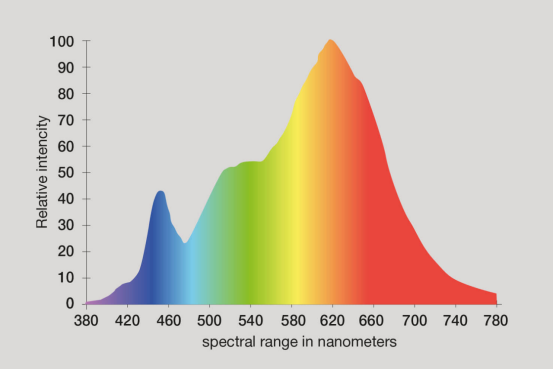
The full spectrum capability of LED grow lights for vegetables represents a breakthrough in providing plants with precisely calibrated wavelengths that mirror and enhance natural sunlight. This technological advancement addresses a fundamental challenge in indoor vegetable cultivation: delivering the complete range of light wavelengths that plants require for optimal photosynthesis and development. Traditional lighting solutions often provide limited spectral ranges, forcing plants to work with suboptimal light conditions that compromise growth rates and nutritional content. LED grow lights for vegetables overcome this limitation through sophisticated diode arrangements that emit targeted wavelengths across the photosynthetically active radiation spectrum, from blue light at four hundred fifty nanometers through red light at seven hundred nanometers. The blue spectrum components promote chlorophyll production, encourage compact vegetative growth, and strengthen stem structure, proving essential during seedling and early vegetative stages. Red wavelengths stimulate flowering mechanisms, enhance fruit development, and accelerate photosynthetic efficiency, becoming particularly important as vegetables transition to reproductive phases. Advanced LED grow lights for vegetables also incorporate green and white light wavelengths that penetrate deeper into plant canopies, ensuring lower leaves receive adequate illumination for continued productivity. Some premium systems include ultraviolet and far-red diodes that trigger specific plant responses such as increased secondary metabolite production, improved stress resistance, and enhanced flavor profiles in harvested vegetables. The ability to adjust spectrum ratios allows growers to create customized light recipes for different vegetable species, accommodating the unique requirements of tomatoes versus lettuce or peppers versus cucumbers. This spectral precision enables year-round cultivation that produces vegetables with superior taste, texture, color, and nutritional density compared to those grown under generic lighting. Research demonstrates that vegetables cultivated under optimized LED grow lights for vegetables often contain higher concentrations of vitamins, antioxidants, and beneficial compounds than field-grown counterparts. The consistency of artificial lighting eliminates the variability inherent in outdoor growing, where cloud cover, seasonal changes, and atmospheric conditions create unpredictable light availability. For commercial growers, this reliability translates to predictable harvests, consistent product quality, and the ability to meet market demands regardless of external weather patterns or seasonal limitations.
Energy Efficiency That Transforms Operational Economics

Energy Efficiency That Transforms Operational Economics

The exceptional energy efficiency of LED grow lights for vegetables fundamentally transforms the economic equation for both commercial operations and home gardeners, making indoor vegetable cultivation financially viable where previous lighting technologies rendered it prohibitively expensive. Traditional high-intensity discharge lighting systems convert substantial portions of electrical input into heat rather than usable light, wasting energy while simultaneously creating cooling challenges that require additional power consumption to manage. LED grow lights for vegetables achieve remarkable photon efficiency, converting eighty to ninety percent of electrical energy directly into light output with minimal heat generation. This efficiency advantage manifests in dramatically reduced electricity bills, often cutting lighting costs by half or more compared to conventional systems. For commercial greenhouse operations running hundreds or thousands of fixtures, these savings accumulate to significant annual amounts that improve profit margins and competitive positioning. The reduced power requirements of LED grow lights for vegetables also decrease infrastructure demands, allowing growers to install more fixtures on existing electrical circuits without costly service upgrades. This scalability benefit proves particularly valuable for operations expanding production capacity or converting from traditional to LED technology. The minimal heat signature eliminates or substantially reduces air conditioning requirements, creating a cascade of energy savings throughout facility operations. In climates where cooling represents a major operational expense, this heat reduction can equal or exceed the direct lighting energy savings. LED grow lights for vegetables maintain consistent output throughout their operational lifespan, avoiding the gradual degradation that affects traditional bulbs and necessitates premature replacement to maintain adequate light levels. This stability ensures vegetables receive consistent light intensity from installation through the fifty-thousand-hour or greater lifespan typical of quality LED systems. The environmental implications of this energy efficiency extend beyond individual operations, contributing to reduced carbon emissions, decreased strain on electrical grids, and alignment with sustainability initiatives increasingly important to consumers and regulatory frameworks. Government incentive programs and utility rebates frequently support LED adoption, further improving return on investment calculations. For home gardeners, the efficiency of LED grow lights for vegetables makes year-round vegetable production practical without alarming increases in household electricity consumption. The combination of low operating costs and long replacement intervals creates a compelling total cost of ownership proposition that favors LED technology despite potentially higher initial purchase prices compared to outdated lighting alternatives.
Precise Environmental Control for Maximized Yield Quality

Precise Environmental Control for Maximized Yield Quality

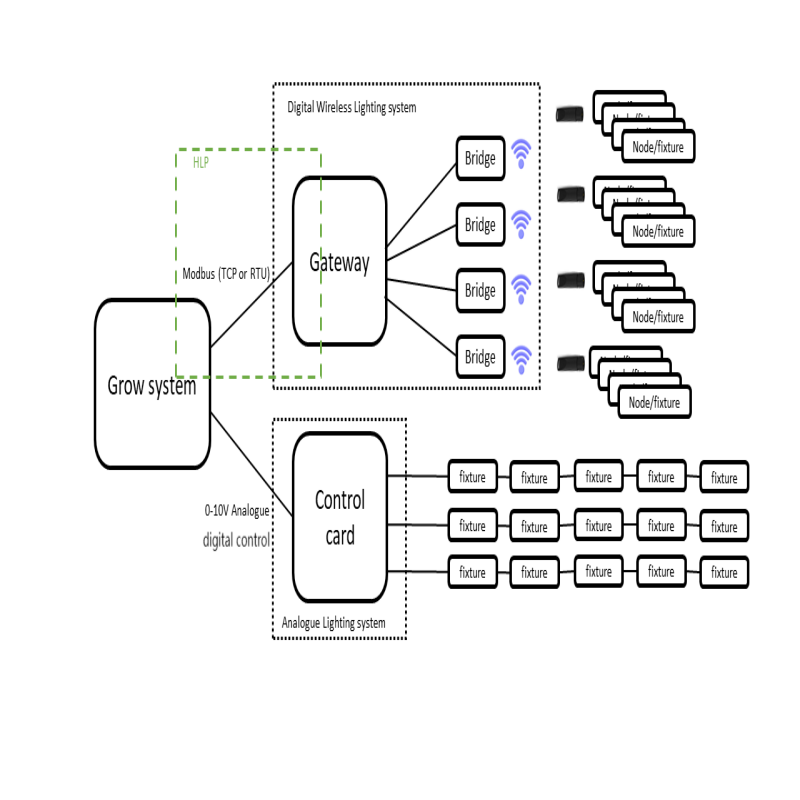
LED grow lights for vegetables provide unprecedented environmental control capabilities that empower growers to create ideal conditions for maximum yield, superior quality, and accelerated growth cycles. This control dimension extends beyond simple illumination to encompass sophisticated management of photoperiod, light intensity gradients, spectral composition adjustments, and integration with automated growing systems. The programmable nature of modern LED grow lights for vegetables allows growers to establish precise light schedules that mimic natural day-night cycles or implement specialized photoperiod strategies that influence vegetative versus reproductive growth. Day-neutral vegetables benefit from extended light periods that maximize photosynthetic activity, while photoperiod-sensitive species respond to carefully timed light exposure that triggers desired developmental transitions. Dimming capabilities enable gradual intensity changes that simulate dawn and dusk conditions, reducing plant stress associated with abrupt lighting changes while supporting natural circadian rhythms. This gentle transition capability proves particularly valuable for sensitive vegetable varieties and young seedlings establishing root systems. Advanced LED grow lights for vegetables incorporate zoning features that allow different intensity levels across growing areas, accommodating vegetables at various developmental stages within the same space. Recently transplanted seedlings receive gentler illumination while mature plants nearby benefit from full-intensity exposure, optimizing space utilization and crop rotation efficiency. The ability to adjust spectrum composition throughout growth cycles enables growers to influence plant morphology, compact growth habits, internode spacing, and leaf characteristics. Vegetative propagation benefits from blue-heavy spectrums that promote bushy, compact growth, while transition to flowering requires increased red wavelengths that stimulate reproductive development. Smart LED grow lights for vegetables integrate with environmental controllers, sensors, and automation systems that adjust lighting based on real-time conditions including temperature, humidity, and carbon dioxide levels. This integration creates responsive growing environments that automatically optimize conditions as variables change, maintaining ideal photosynthetic efficiency without constant manual intervention. Remote monitoring and control capabilities allow growers to manage LED grow lights for vegetables from smartphones or computers, adjusting settings, troubleshooting issues, and monitoring performance metrics regardless of physical location. Data logging features track light delivery over time, supporting compliance documentation, growth analysis, and continuous improvement initiatives. The precision control enabled by LED grow lights for vegetables supports advanced cultivation techniques including supplemental lighting in greenhouses, sole-source lighting in enclosed facilities, and inter-lighting within tall crop canopies. This flexibility accommodates diverse growing methodologies and facility configurations, from small-scale urban farms to large commercial production operations pursuing maximum output per square foot.