
 EN
EN
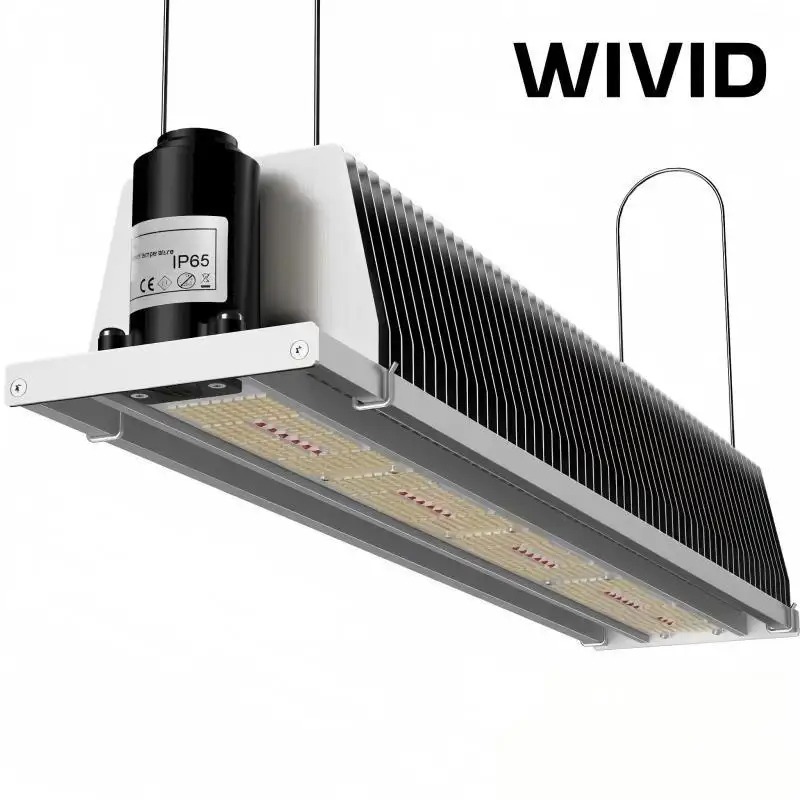
Indoor farming represents one of the most promising agricultural innovations of our time, and energy-saving horticulture systems are fundamental to its success. As global demand for fresh produce continues to rise, commercial indoor farms face mounting pressure to reduce operational costs while maintaining consistent crop quality. Centralized lighting management stands as one of the most impactful operational improvements available to indoor farm operators today, directly influencing both profitability and sustainability metrics.
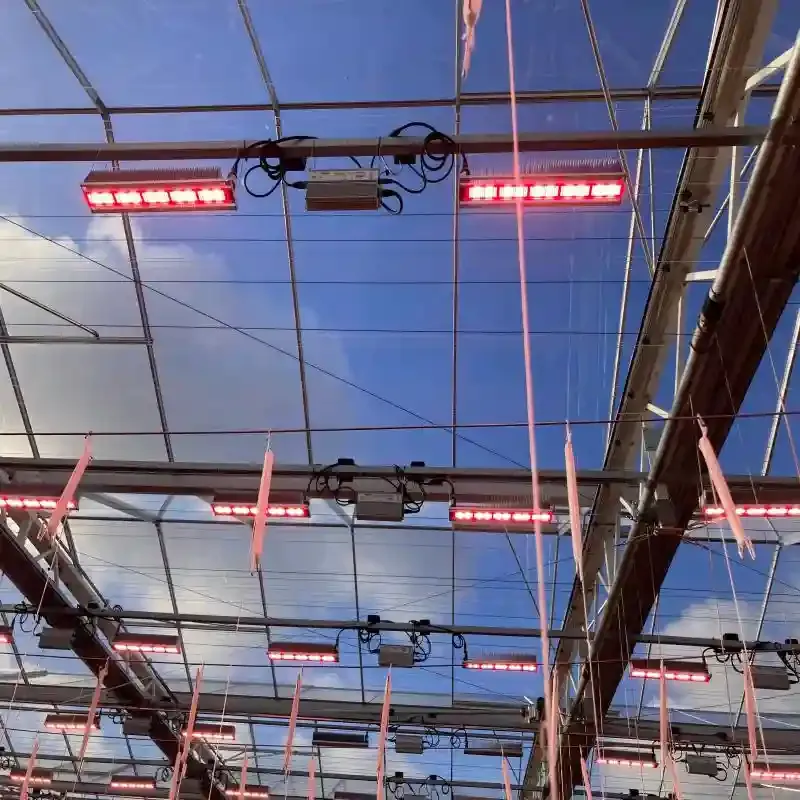
Lighting represents the single largest energy expense in indoor farming operations, often accounting for 40 to 60 percent of total electrical consumption. Without a centralized approach to managing this critical resource, energy-saving horticulture systems cannot achieve their full potential. Implementing proper centralized lighting management transforms how indoor farms operate, creating measurable improvements in energy efficiency, crop consistency, and bottom-line profitability that directly impact long-term viability.
Understanding Centralized Lighting Management for Optimal Energy Use
Core Principles of Centralized Control
Centralized lighting management consolidates control of all growing lights into a single, unified system that monitors and adjusts illumination across every growing zone simultaneously. This approach differs fundamentally from traditional manual switching or isolated timer-based systems. Energy-saving horticulture systems that employ centralization collect real-time data about light intensity, spectral distribution, plant growth stages, and environmental conditions, then make instantaneous adjustments to optimize performance.
The architecture of modern energy-saving horticulture systems enables operators to create customized light recipes for different crop varieties, growth phases, and seasonal demands. A centralized platform processes this information instantaneously, ensuring that every fixture operates at precisely the intensity needed, no more and no less. This precision eliminates wasteful overillumination, a common problem in farms relying on static scheduling or manual management.
Integration with Environmental Monitoring
Advanced energy-saving horticulture systems integrate lighting control with comprehensive environmental sensing networks that track temperature, humidity, CO2 levels, and soil moisture. When these parameters fluctuate, the centralized system responds intelligently by adjusting light intensity and spectrum to support optimal photosynthetic efficiency under current conditions. This adaptive approach represents a fundamental shift in how farms utilize their most expensive resource.
The synergy between lighting and environmental management creates multiplicative benefits. Energy-saving horticulture systems that operate in isolation cannot capture these efficiency gains, while properly integrated platforms maximize every utility dollar invested. Real-time feedback loops ensure that lighting schedules evolve dynamically based on actual plant response, reducing energy waste from mismatched conditions.
Quantifiable Energy and Cost Reduction Benefits
Direct Energy Consumption Reduction
Farms implementing centralized lighting management through advanced energy-saving horticulture systems typically achieve 15 to 30 percent reductions in lighting energy consumption within the first operational year. This improvement stems from eliminating inefficient overlap periods, removing unnecessary illumination, and matching light delivery precisely to plant photosynthetic demand. Centralized systems prevent the common problem of lights running at full intensity regardless of actual crop requirements or available natural light.
The financial impact of energy-saving horticulture systems extends beyond the electricity bill. Reduced energy consumption lowers cooling requirements, since artificial lighting generates substantial heat. This cascading benefit means that total climate control energy often drops even more than lighting energy alone, creating additional operational savings that compound over time.
Extended Equipment Lifespan and Maintenance Efficiency
Centralized lighting management through energy-saving horticulture systems extends the operational life of expensive horticultural lighting fixtures by reducing thermal stress and unnecessary cycling. When lights operate only at required intensity levels rather than constant maximum output, filaments and diodes experience less degradation. Predictive maintenance features in modern systems alert operators to fixtures approaching end-of-life, preventing sudden failures and optimizing replacement scheduling.
Maintenance efficiency improves significantly because energy-saving horticulture systems provide detailed usage data for every fixture and zone. Operators can identify underperforming lights before crop impact occurs, schedule repairs during optimal windows, and consolidate maintenance work. This data-driven approach replaces reactive troubleshooting with proactive asset management.
Crop Quality and Yield Enhancement Through Precision Lighting
Optimized Spectral Management for Growth Stages
Energy-saving horticulture systems enable growers to adjust light spectrum dynamically based on crop development stage, maximizing photosynthetic efficiency at each phase. Early vegetative growth benefits from different spectral distributions than flowering or fruiting phases. Centralized systems automatically transition between these optimal spectra, improving nutritional density and marketable yield without increasing total energy consumption.
Research demonstrates that crops under properly managed energy-saving horticulture systems achieve 8 to 15 percent yield increases compared to static lighting schedules. This improvement results from better light utilization efficiency rather than increased energy input. The plant receives optimal wavelengths exactly when needed, reducing photosynthetic waste and accelerating growth cycles.
Consistency and Predictability Across Growing Zones
Manual or isolated lighting approaches inevitably create variations in light intensity across different zones, resulting in uneven crop development and unpredictable harvest timing. Centralized lighting management through energy-saving horticulture systems ensures uniform conditions across all growing areas, eliminating edge effects and shadowing problems. This consistency enables precise crop rotation planning and predictable harvesting schedules.
Uniform growing conditions also reduce crop loss from developmental defects, disease susceptibility, and physiological disorders linked to lighting stress. When energy-saving horticulture systems maintain optimal conditions consistently, crop quality metrics improve measurably. This translates directly into premium pricing for higher-grade produce and reduced waste from grade-down or unmarketable harvests.
Implementation and Integration Considerations
Scalability and Modular Deployment
Modern energy-saving horticulture systems support modular expansion, allowing farms to start with critical growing zones and expand control progressively. This staged approach reduces initial capital requirements while demonstrating ROI before major facility investments. Centralized platforms accommodate adding new zones, fixture types, and environmental sensors without requiring complete system replacement.
The flexibility of contemporary energy-saving horticulture systems means farms can adapt as crop mix changes or market demands evolve. A system managing leafy greens today can transition to microgreens or specialty crops tomorrow with software adjustments rather than hardware replacement. This adaptability protects technology investments across facility lifecycles.
Data Analytics and Performance Monitoring
Energy-saving horticulture systems generate comprehensive operational data that reveals patterns, inefficiencies, and optimization opportunities. Advanced analytics platforms correlate lighting schedules, environmental parameters, and crop performance metrics to identify the most productive operating windows. Operators gain insights that inform continuous improvement strategies and facility expansion decisions.
Performance dashboards in modern energy-saving horticulture systems provide real-time visibility into energy consumption, crop development progress, and equipment health status. Alerts notify operators of anomalies or maintenance needs before they impact production. This transparency enables rapid decision-making and accountability across farm management teams.
FAQ
How much energy savings can realistic centralized lighting management deliver?
Most indoor farms implementing energy-saving horticulture systems achieve 15 to 30 percent reductions in lighting energy consumption within the first year of operation. Results vary based on baseline practices, existing equipment age, crop types, and integration completeness. Farms transitioning from completely manual or unoptimized systems typically see savings toward the higher end of this range, while facilities already using some automation see more modest but still significant improvements. The energy-saving horticulture systems approach eliminates wasteful practices like maintaining constant maximum light regardless of crop requirements.
Do energy-saving horticulture systems require replacing existing lighting fixtures?
Modern energy-saving horticulture systems work with both legacy lighting equipment and new fixtures, though compatibility and optimization level vary. Farms can begin centralizing control of existing lights immediately using interface modules and sensors, then upgrade fixtures progressively. However, pairing energy-saving horticulture systems with newer LED fixtures that support dimming and spectral adjustment delivers optimal results. Most facilities implement a gradual transition, centralizing current lights while replacing them with next-generation fixtures during planned refresh cycles.
What crops benefit most from centralized lighting management?
All commercially grown crops in indoor farms benefit from energy-saving horticulture systems, but high-value specialty crops, microgreens, and plants requiring precise spectral control show the most dramatic improvements. Leafy greens benefit from consistent light intensity and longer growth cycle optimization. Herbs gain flavor and nutritional density improvements. Specialty crops commanding premium market prices justify rapid ROI from energy-saving horticulture systems investment. Even commodity crops like standard lettuce show meaningful energy savings and yield consistency improvements through centralized lighting management.