Dostosowanie pełnego zakresu widzialnego światła do optymalnego rozwoju roślin
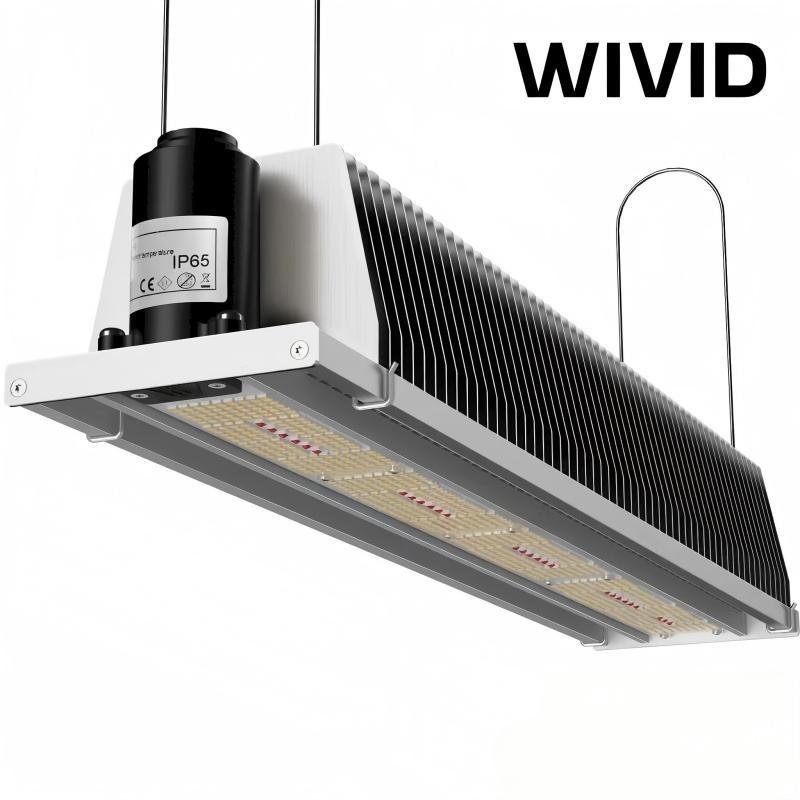
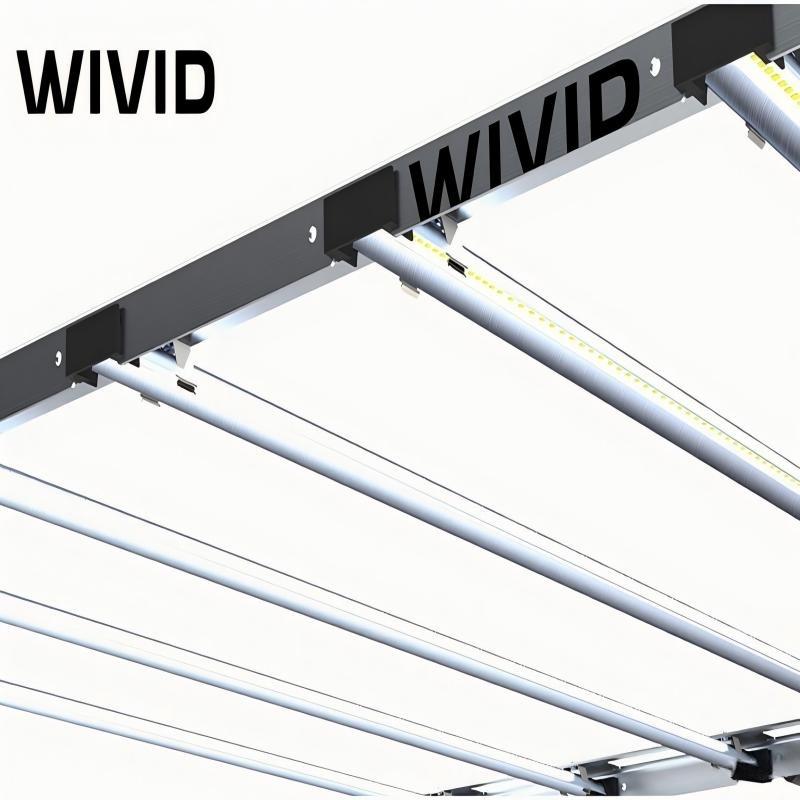
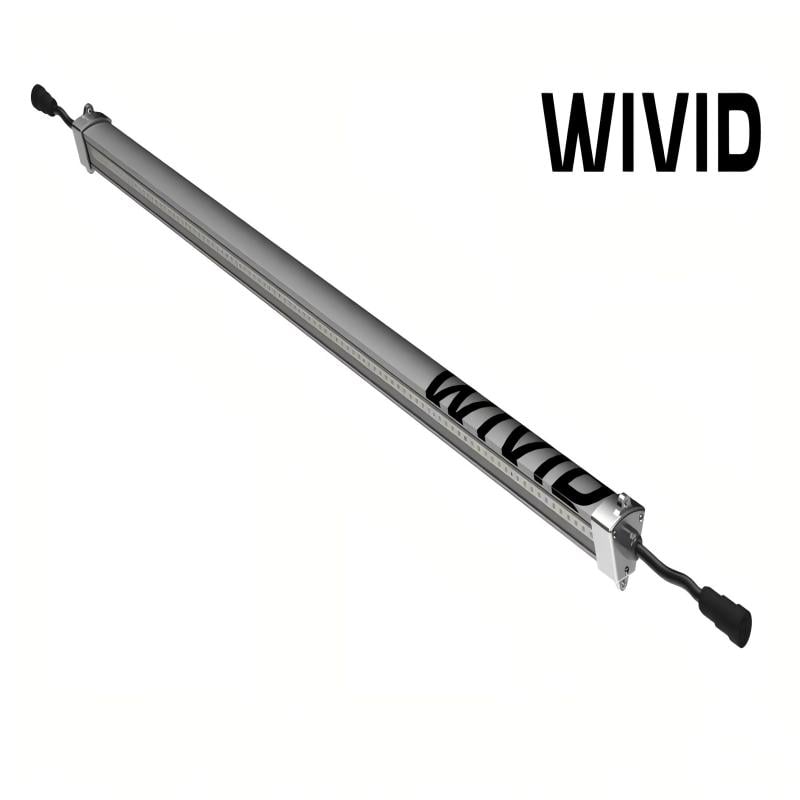
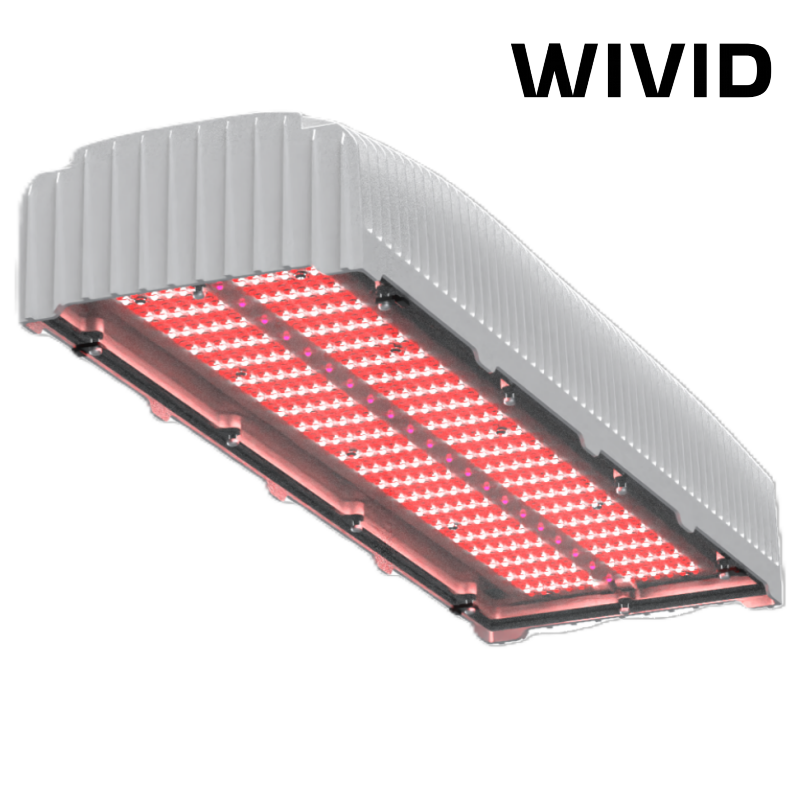
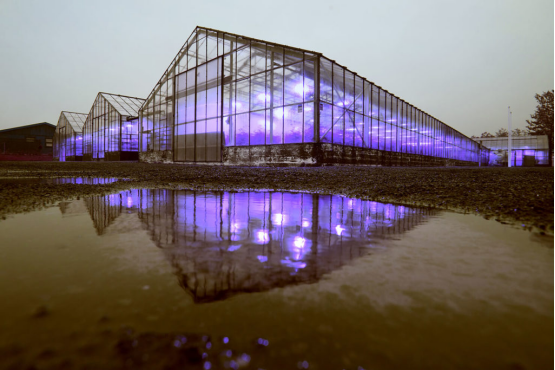
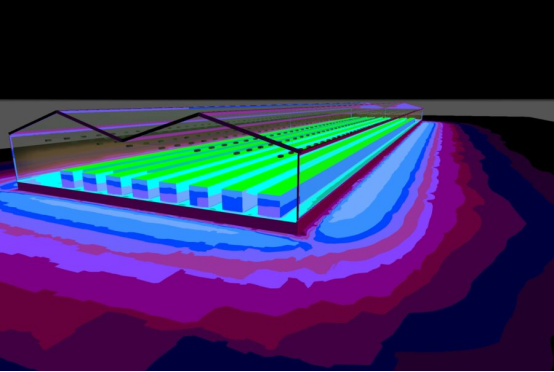
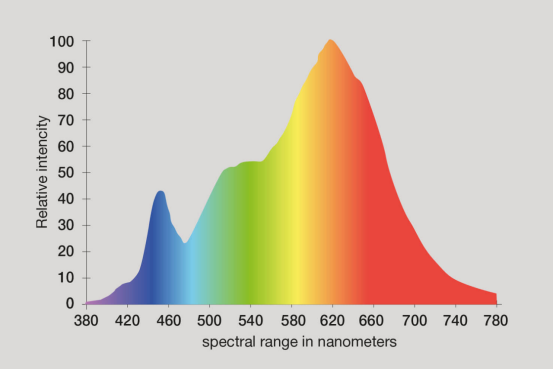
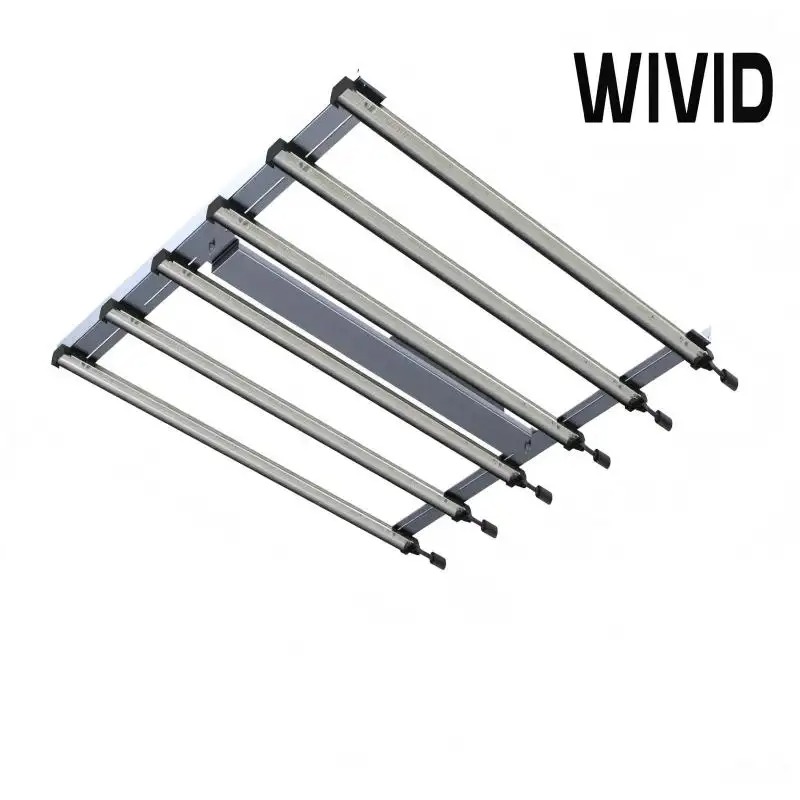
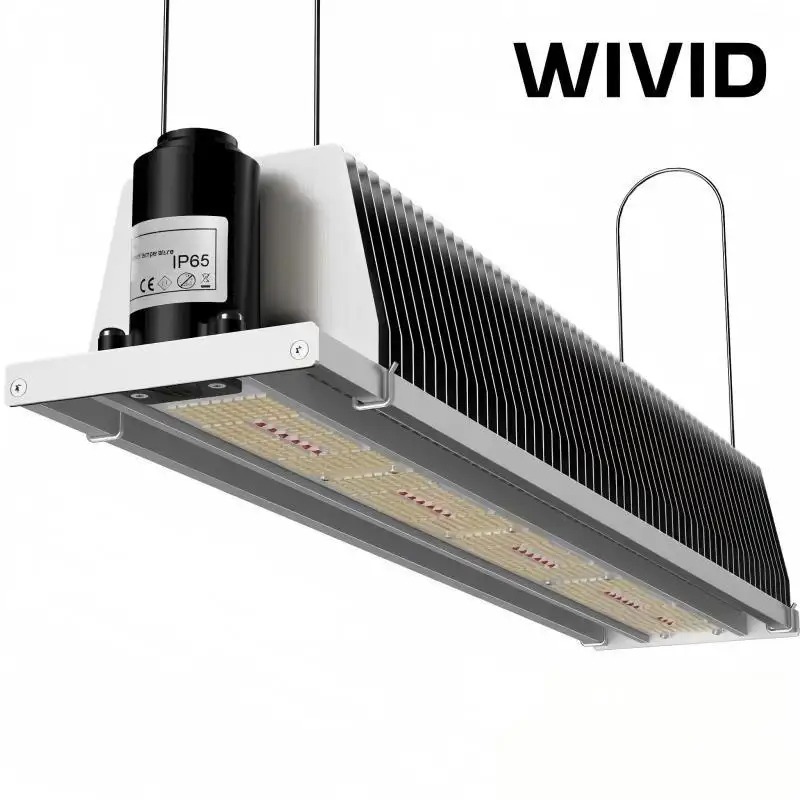
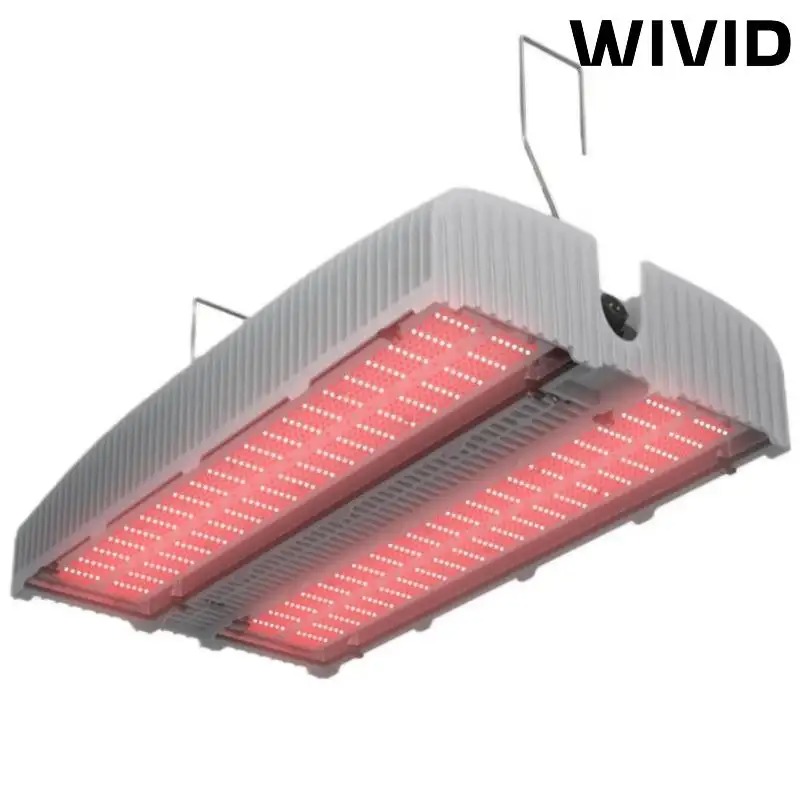
Wewnętrzne diodowe lampy do uprawy roślin zapewniają bezprecedensową kontrolę nad składem widma światła, umożliwiając precyzyjne dostosowanie oświetlenia do zmieniających się potrzeb roślin na każdym etapie ich cyklu życia. Ta możliwość personalizacji stanowi podstawową zaletę, która wyróżnia nowoczesne technologie LED spośród wszystkich wcześniejszych rozwiązań oświetleniowych. Możliwość regulacji widma pozwala na stosowanie światła bogatego w barwę niebieską w fazie wegetatywnej, wspierając zwartą, krzaczastą rozwój roślin z silnymi pędami i zdrową liściastością. Gdy rośliny przechodzą do fazy kwitnienia lub owocowania, można przesunąć widmo ku falom czerwonym, które wyzwalają procesy rozrodcze i zwiększają produkcję kwiatów. Taki stopień precyzji był wcześniej niemożliwy do osiągnięcia przy tradycyjnych lampach do uprawy, oferujących stałe widmo niezależnie od rzeczywistych potrzeb roślin. Wewnętrzne diodowe lampy do uprawy roślin zwykle zawierają wiele chipów LED w różnych kolorach, w tym głębokiej czerwieni, dalekiej czerwieni, niebieskiego, białego, a czasem także ultrafioletowego i podczerwonego. Ten różnorodny zestaw źródeł światła może być niezależnie sterowany za pomocą zaawansowanych sterowników i systemów kontroli, co umożliwia tworzenie spersonalizowanych „recept” świateł dla różnych gatunków roślin oraz celów uprawy. Producenti profesjonalni wykorzystują tę technologię do skracania cykli wzrostu, zwiększania plonów oraz poprawy konkretnych cech roślin, takich jak profil smakowy, produkcja olejków eterycznych czy zawartość składników odżywczych. Korzyści praktyczne obejmują również efektywność wykorzystania zasobów, ponieważ aktywowane są wyłącznie te długości fal, których rośliny rzeczywiście używają w procesie fotosyntezy, eliminując marnowanie energii na widmo, którego rośliny nie są w stanie pochłonąć. Wewnętrzne diodowe lampy do uprawy roślin z możliwością dostosowywania widma pozwalają również na eksperymentowanie i optymalizację protokołów uprawy na podstawie rzeczywistych wyników. Można dokumentować, które kombinacje widm przynoszą najlepsze rezultaty dla konkretnych odmian i warunków uprawy, a następnie powtarzać te udane formuły w sposób spójny. Takie naukowe podejście do uprawy przekształca działalność hodowlaną z domysłów w precyzyjną rolnictwo, niezależnie od tego, czy uprawia się niewielką ogrodniczkę z ziołami, czy zarządza się komercyjnym zakładem produkcyjnym.

 EN
EN