
 EN
EN
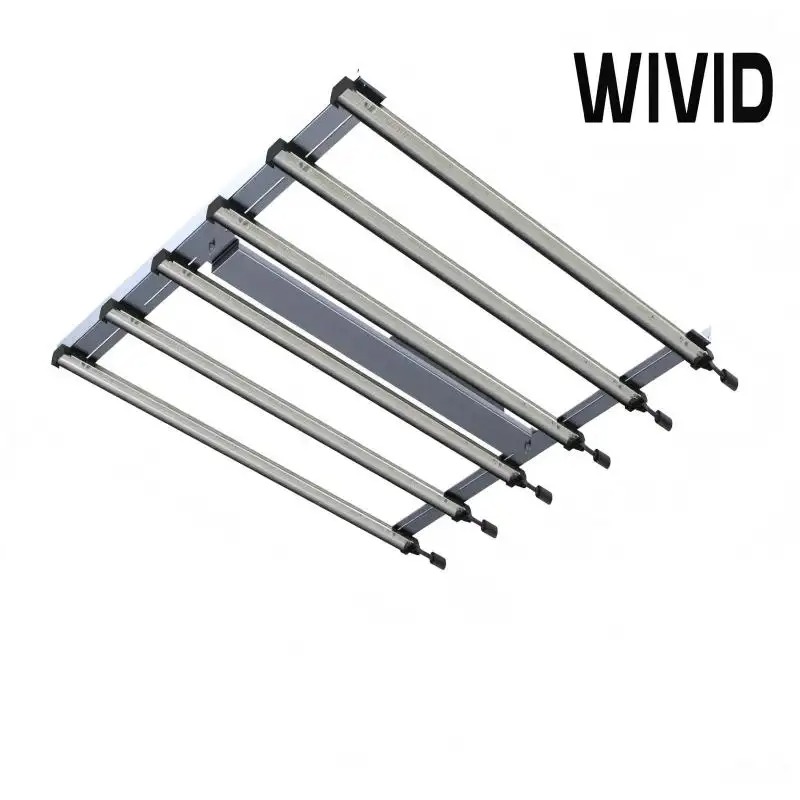
Choosing between wireless and wired lighting control represents a critical decision for modern growers seeking to optimize their operations. The distinction between these two approaches fundamentally shapes how energy-saving horticulture systems perform, scale, and integrate with broader facility management strategies. Both wireless and wired technologies offer distinct advantages and trade-offs that directly impact operational efficiency, installation costs, and long-term energy consumption. Understanding these differences helps growers make informed decisions that align with their specific production goals and facility constraints.
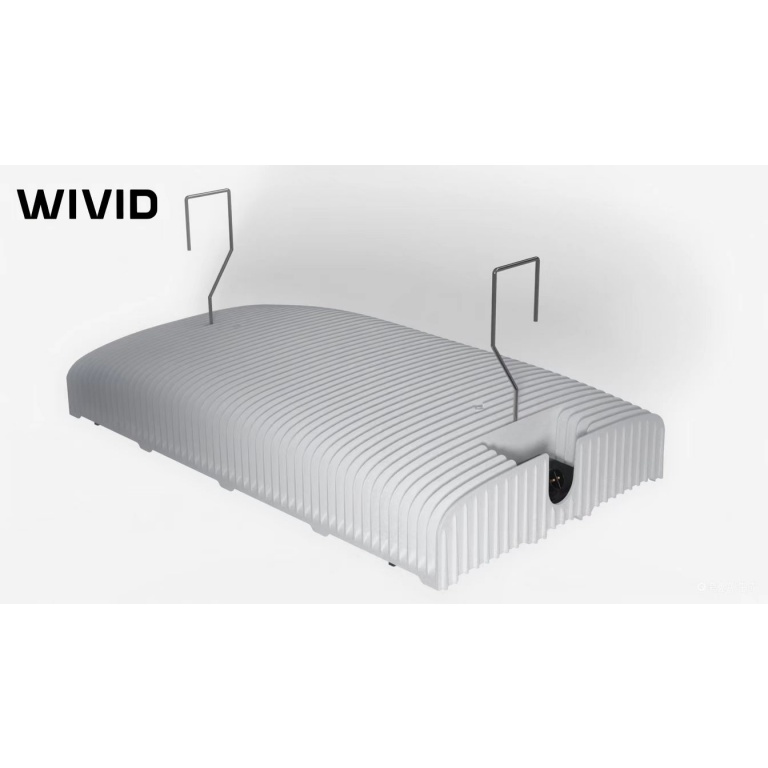
When implementing energy-saving horticulture systems, the control infrastructure you select determines how efficiently you manage lighting schedules, spectrum adjustments, and power consumption across your entire growing environment. Wireless systems eliminate complex wiring requirements and offer flexibility for reconfiguration, while wired systems provide deterministic reliability and consistent performance without interference concerns. The choice between wireless and wired approaches ultimately depends on facility size, existing infrastructure, growth trajectory, and specific energy management objectives.
Understanding Wireless Control Architecture
Signal-Based Automation and Flexibility
Energy-saving horticulture systems using wireless control leverage radio frequency or cellular communication to coordinate lighting decisions across distributed grow areas. This architecture eliminates the need for extensive cabling runs through the facility, reducing installation time and material costs significantly. Wireless energy-saving horticulture systems allow growers to adjust lighting zones independently, implement dynamic spectrum changes based on growth stage, and reorganize production layouts without rewiring. The flexibility inherent in wireless technology makes it particularly valuable for operations planning expansion or transitioning between crop types.
Scalability and System Expansion
Adding new lighting zones to energy-saving horticulture systems becomes substantially simpler with wireless infrastructure since installers avoid the constraint of physical cable runs. Growing facilities can deploy additional lights as production increases without major facility modifications. Wireless energy-saving horticulture systems scale efficiently across multiple growing rooms, separate buildings, or remote monitoring locations. This scalability advantage makes wireless control particularly attractive for operations anticipating significant growth or serving diverse market segments requiring different lighting profiles.
Examining Wired Control Reliability
Deterministic Performance and Signal Integrity
Wired control systems for energy-saving horticulture systems provide hardwired connections that eliminate radio interference, signal obstruction, and dropout risks inherent in wireless networks. Every communication pathway remains physically established and protected, ensuring consistent system responsiveness regardless of environmental conditions. Energy-saving horticulture systems using wired infrastructure maintain precise timing synchronization across all connected lights, critical for maintaining exact photoperiods required by specific crops. This deterministic performance makes wired control the preferred choice for operations where lighting precision directly impacts yield and product quality.
Long-Term Operational Stability
Wired energy-saving horticulture systems avoid battery replacement cycles, wireless protocol updates, and network maintenance demands that wireless systems require. Once installed, hardwired control infrastructure operates consistently for decades with minimal intervention beyond standard electrical maintenance. Energy-saving horticulture systems using wired architecture eliminate the risk of losing control during network outages or congestion events. For facilities where uninterrupted lighting precision directly affects revenue and reputation, wired systems offer peace of mind unavailable through wireless alternatives.
Evaluating Energy Efficiency Outcomes
Power Management Capabilities Across Control Types
Modern energy-saving horticulture systems implement sophisticated power management whether wireless or wired, enabling real-time dimming, spectrum optimization, and daylight integration. Both control approaches support automated scheduling that responds to ambient conditions and growth stage requirements. Wireless energy-saving horticulture systems offer cloud-based analytics and machine learning optimization, while wired systems excel at executing precisely timed local control without external dependencies. The actual energy consumption ultimately depends more on control logic sophistication than the underlying communication technology.
Implementation Costs and ROI Considerations
Wireless energy-saving horticulture systems typically reduce initial installation expenses by eliminating cabling labor and materials, with costs ranging 20–35% lower than wired infrastructure for equivalent lighting coverage. However, wired energy-saving horticulture systems avoid ongoing wireless maintenance, battery costs, and potential performance degradation over time. The true cost comparison between wireless and wired control depends on facility size, facility complexity, growth projections, and operational preferences. Growers evaluating energy-saving horticulture systems should project total cost of ownership across five to ten years rather than focusing exclusively on initial purchase price.
Practical Selection Framework for Growers
Facility-Specific Factors Influencing Control Choice
Small to medium operations and facilities undergoing frequent reconfiguration typically benefit from wireless energy-saving horticulture systems due to lower installation friction and layout flexibility. Larger facilities with stable layouts and high-precision requirements often favor wired control for its proven reliability and deterministic performance. Facilities experiencing radio interference from external sources, dense metal structures, or high-moisture environments may encounter challenges with wireless energy-saving horticulture systems and should evaluate wired infrastructure. The physical environment of your facility significantly shapes whether wireless or wired control for energy-saving horticulture systems delivers superior performance.
Hybrid Approaches and Future Expansion
Advanced growers increasingly implement hybrid architectures combining wireless and wired technologies within unified energy-saving horticulture systems frameworks. Main facility zones utilize stable wired control while temporary growing areas deploy wireless systems, optimizing both efficiency and flexibility. Energy-saving horticulture systems designed with hybrid capability allow gradual technology transitions and accommodate facility evolution without complete infrastructure replacement. Planning for future integration capabilities when selecting your initial energy-saving horticulture systems investment preserves strategic options and protects technology investments.
FAQ
Do wireless energy-saving horticulture systems really save as much energy as wired systems?
Energy consumption depends primarily on control logic and lighting duration rather than whether signals travel wirelessly or through wires. Both wireless and wired energy-saving horticulture systems can achieve equivalent energy savings when programmed identically. However, wireless systems enable remote optimization and analytics that may drive continuous efficiency improvements, while wired systems guarantee consistent performance without network variability. The actual energy savings you achieve depends more on how effectively you utilize your chosen energy-saving horticulture systems than the underlying transmission technology.
What is the typical installation cost difference between wireless and wired lighting control?
Wireless energy-saving horticulture systems usually cost 20–35% less to install than wired alternatives because they eliminate cabling labor and materials. However, this advantage diminishes for very small operations where setup complexity varies minimally, or large facilities where wireless coverage requires extensive infrastructure. When evaluating energy-saving horticulture systems costs, factor installation expenses, ongoing maintenance, equipment lifespan, and scalability needs rather than initial price alone. A detailed facility assessment often reveals surprising cost implications beyond the obvious installation difference.
Can wireless energy-saving horticulture systems function reliably in metal-heavy growing environments?
Wireless energy-saving horticulture systems experience signal challenges in facilities containing dense metal structures, wire racks, and metal piping that block or reflect radio frequencies. Wired control systems bypass these environmental constraints entirely, providing consistent performance regardless of metal presence. If your facility features extensive metal infrastructure, either plan significant wireless coverage reinforcement or select wired energy-saving horticulture systems for maximum reliability. Site surveys specifically testing wireless signal strength across your growing areas help determine feasibility before committing to wireless energy-saving horticulture systems.