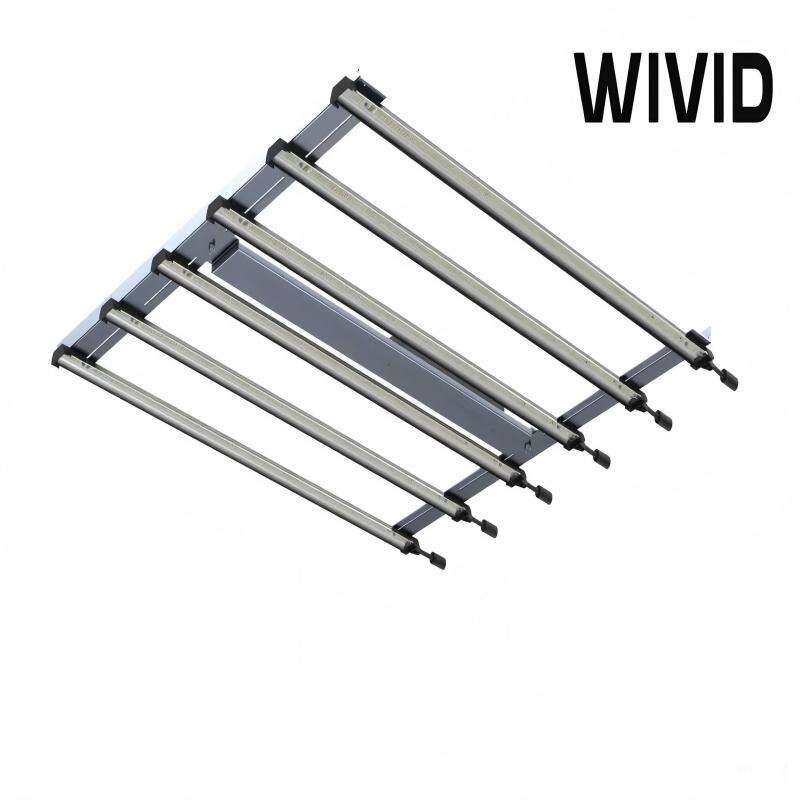
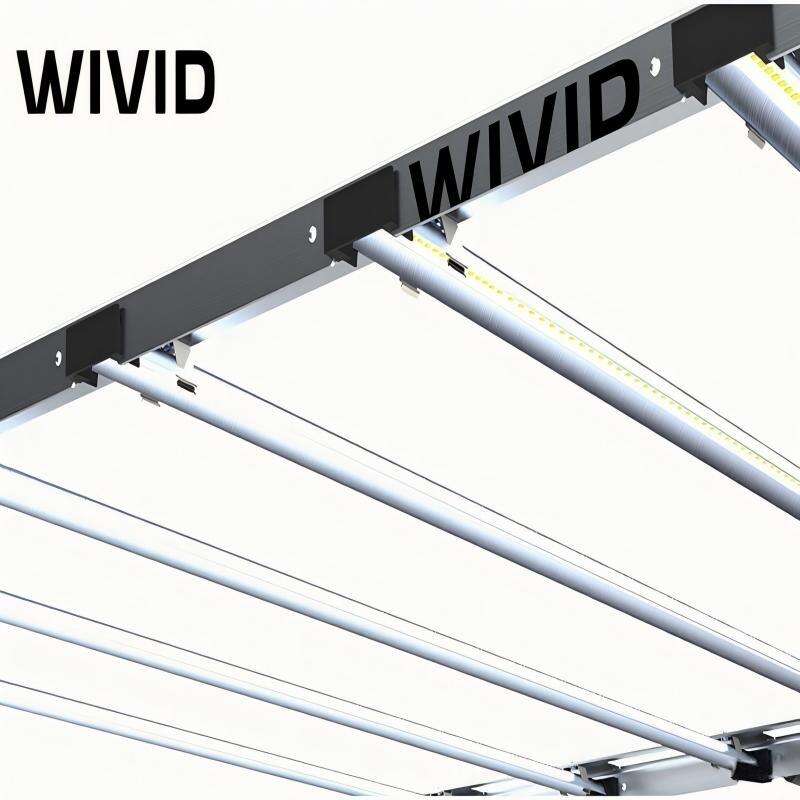
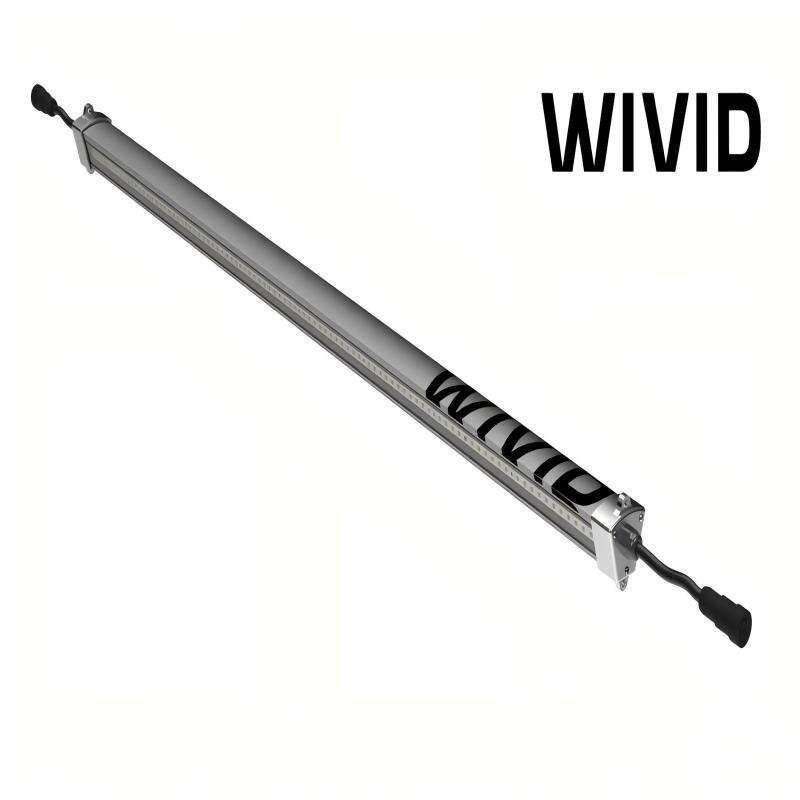
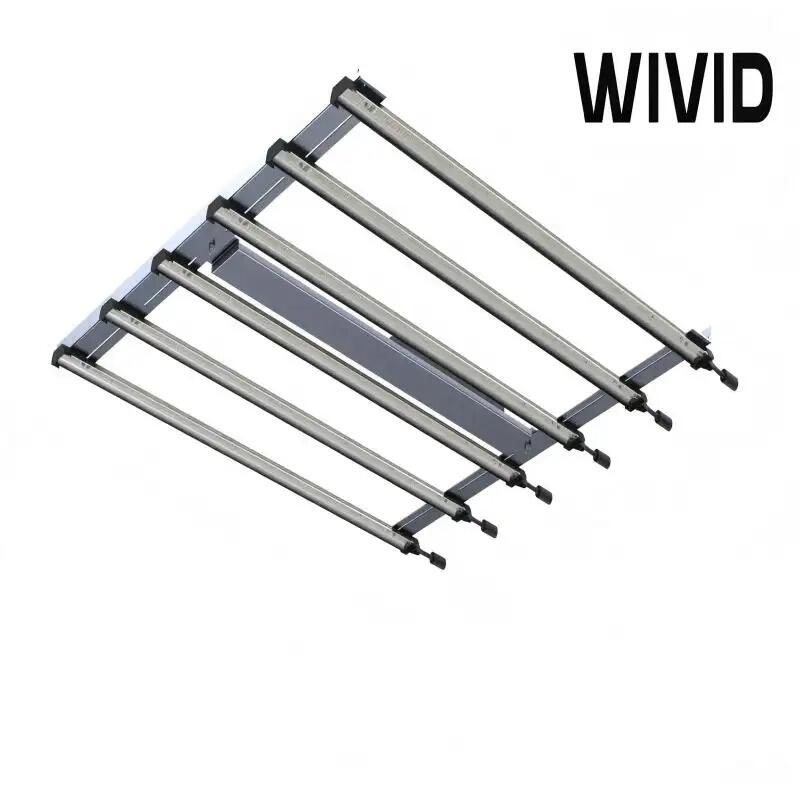
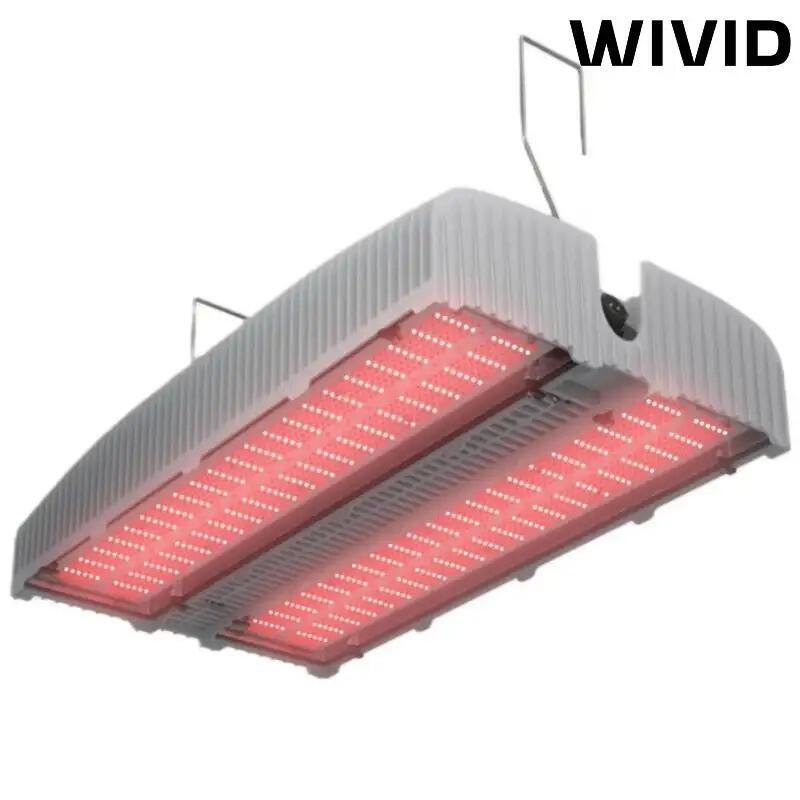
Maksimum Bitki Büyümesi İçin Optimize Edilmiş Tam Spektrumlu Işık
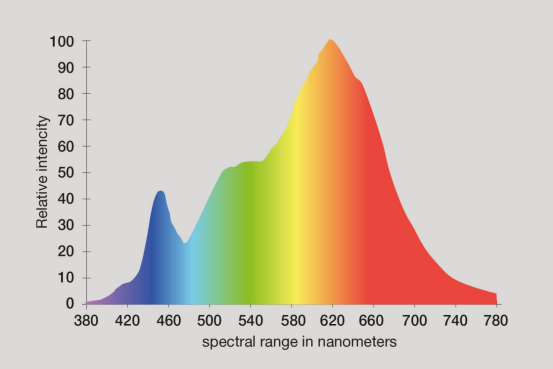
LED yetiştirme ışık şeritleri, bitkilerin fotosentez ve gelişim için en verimli şekilde kullandığı belirli dalga boylarına yönelik bilimsel olarak optimize edilmiş ışık spektrumları sağlar. Bitkiler, vegetatif büyüme için öncelikle mavi spektrumda (400-500 nanometre) ve çiçeklenme ile meyve oluşumu için kırmızı spektrumda (600-700 nanometre) ışık emecek şekilde evrimleşmiştir; buna karşılık yeşil dalga boylarını yansıtır, bu da gözlerimiz tarafından algılanır. Geleneksel geniş-spektrumlu ampuller, bitkilerin etkili bir şekilde kullanamadığı dalga boylarında önemli miktarda enerji israfına neden olurken, LED yetiştirme ışık şeritleri çıkışlarını fotosentez açısından aktif bölgelere yoğunlaştırır. Modern tam-spektrumlu LED yetiştirme ışık şeritleri, tüm görünür spektrum boyunca dengeli kapsama sağlamak amacıyla birden fazla LED türü içerir; bunlar, bitkilerin ikincil süreçlerini destekleyen küçük miktarlarda yeşil, sarı ve uzak-kırmızı dalga boylarını da kapsar. Bu kapsamlı yaklaşım, eski kırmızı-mavi yalnızca tasarımına kıyasla doğal güneş ışığını daha doğru bir şekilde taklit eder ve sonuç olarak daha doğal bitki renklendirilmesi ile morfolojisi sağlar. LED yetiştirme ışık şeritlerindeki mavi dalga boyları, kısa internodlar ve kalın gövdelere sahip sıkı, sağlam büyüme teşvik eder; bu da yetersiz ışık kalitesiyle ilişkilendirilen uzama ve zayıflık durumlarını önler. Kırmızı dalga boyları çiçeklenme tepkilerini tetikler ve çiçek, meyve ile temel yağların üretimini destekler; bu nedenle LED yetiştirme ışık şeritleri hem süs bitkileri hem de tüketimlik ürünlerin üretimi için idealdir. Birçok ileri düzey LED yetiştirme ışık şeridi, fitokrom tepkilerini etkileyen uzak-kırmızı LED’ler içerir; bu da uzama, gölge kaçınma ve çiçeklenme zamanlamasını geleneksel aydınlatma yöntemleriyle mümkün olmayan hassasiyetle kontrol edebilir. LED yetiştirme ışık şeritleriyle sağlanan spektral özelleştirme imkânı, belirli ürün gereksinimlerine uygun ışık reçetelerinin oluşturulmasını sağlar: yapraklı yeşillikler mavi ağırlıklı spektrumlardan faydalanırken, meyveli ürünler kırmızı baskın aydınlatma altında daha iyi gelişir. Bu hedefe yönelik dağıtım sayesinde bitkiler, kullanılabilir dalga boylarında optimal foton sayılarını alır; bu da daha hızlı büyüme oranları, artmış biyokütle üretimi ve yetiştirme alanının her metrekare başına daha yüksek verimlilik anlamına gelir. Araştırmalar, kaliteli LED yetiştirme ışık şeritleri altında yetiştirilen bitkilerin daha iyi besin profilleri sergilediğini sürekli olarak göstermektedir; bunlar arasında daha yüksek vitamin içeriği, daha güçlü tat profilleri ve faydalı bileşiklerin artmış konsantrasyonları yer alır. Kesin spektral kontrol, bitki özelliklerinin manipüle edilmesini sağlar; örneğin süs bitkilerinde mor renklendirme teşvik edilebilir ya da UV takviyesiyle otlarda temel yağ üretimi artırılabilir. LED yetiştirme ışık şeritlerinin kullanım ömrü boyunca sabit spektral çıkışı, bitkilerin gelişimini stabilize eder ve geleneksel ampullerin yaşlanmasıyla ortaya çıkan dramatik spektral kaymaları önler. Yetiştiriciler, LED yetiştirme ışık şeritleri kullanarak geleneksel aydınlatma yöntemlerine kıyasla daha iyi çimlenme oranları, daha güçlü fidan kurulumu ve daha homojen ürün gelişimi bildirmektedir. Düşük ısı çıkışı nedeniyle LED yetiştirme ışık şeritlerinin bitkilere yakın konumlandırılması, ters kare kanunu kayıplarını önleyerek bitki tepesi seviyesinde maksimum ışık şiddeti sağlar; bu kayıplar, mesafe arttıkça etkinliği azaltır.

 EN
EN