Uzatılmış Ömür ve Minimalleri Bakım Gereksinimleri
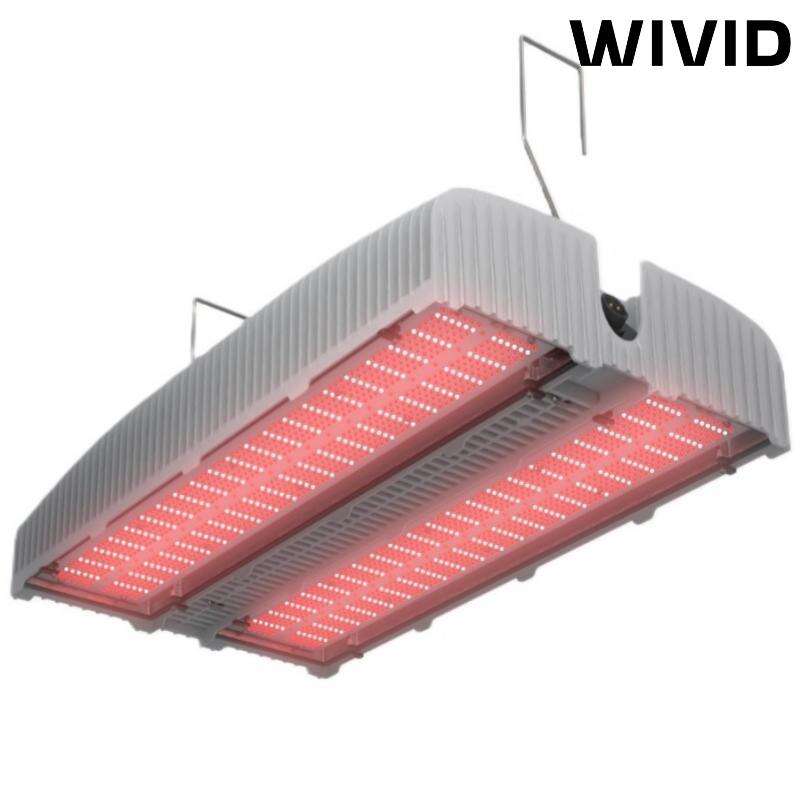
En iyi LED yetiştirme lambalarının uzatılmış ömrü ve minimum bakım gereksinimleri, iç mekânda yetiştirme işlemlerinin ekonomisini temelden değiştiren, olağanüstü uzun vadeli değer sunar. Bu sistemler genellikle değiştirilmesi gereken noktaya gelmeden önce 50.000 ila 100.000 saat arası güvenilir şekilde çalışır; bu süre, sürekli 24 saatlik kullanımla beş ila on yıl ya da günlük tipik 12–18 saatlik çalışma programlarıyla daha da uzun bir süreye karşılık gelir. Bu uzun ömür, geleneksel yetiştirme lambalarına kıyasla çarpıcı bir kontrast oluşturur; çünkü geleneksel lambalar, kullanım yoğunluğuna bağlı olarak her 6–18 ayda bir ampul değişimi gerektirir. Bu uzatılmış işletme ömrünün önemi, yetiştirme işlemlerinin çok sayıda yönünde kendini gösterir. Sık ampul değişimleri yetiştirme takvimlerini kesintiye uğratır, değiştirme için iş gücü gerektirir ve tehlikeli maddeler içeren kullanılmış ampullerin bertarafı zorlukları yaratır. En iyi LED yetiştirme lambaları bu tekrarlayan aksaklıkları ortadan kaldırarak yetiştiricilerin ekipman bakımı yerine bitki bakımı üzerine odaklanmalarını sağlar. LED teknolojisinin katı hal yapısı, erken başarısızlığa neden olabilen kırılgan flamanlar, elektrotlar veya gazla doldurulmuş odacıklar içermez. Bu dayanıklı tasarım, yetiştirme alanlarının tipik özelliklerinden olan titreşimleri, sıcaklık dalgalanmalarını ve nemli ortamları performans kaybı olmadan karşılar. Toplam sahip olma maliyeti hesaplandığında değer önerisi oldukça ikna edici hale gelir. En iyi LED yetiştirme lambaları, geleneksel aydınlatmaya kıyasla genellikle daha yüksek başlangıç yatırımını gerektirse de, ampul değiştirme ihtiyacının ortadan kalkması, bakım için azalan iş gücü gereksinimi ve daha düşük enerji maliyetleri, çoğu uygulama için iki ila üç yıl içinde pozitif bir yatırım getirisi (ROI) sağlar. Bu geri ödeme döneminden sonra devam eden işletme saf kazanç ve artan karlılık anlamına gelir. Ticari yetiştiriciler özellikle en iyi LED yetiştirme lambalarının güvenilirliği ve tutarlılığından büyük ölçüde yararlanır; çünkü kritik büyüme dönemlerinde ekipman arızaları önemli mahsul kayıplarına yol açabilir. LED teknolojisinin tahmin edilebilir performansı, tam olarak belirlenmiş yetiştirme protokolleri ve birden fazla yetiştirme döngüsü boyunca tutarlı sonuçlar elde edilmesini sağlar. Ev bahçıvanları ise aydınlatma sistemlerinin sadece ısı emicileri ve lenslerden tozların temizlenmesi gibi nadir bakım gerektirmesiyle sağlanan ‘kur-bırak’ kolaylığından memnuniyet duyar. Azaltılmış bakım yükü aynı zamanda güvenlik açısından da avantaj sağlar; çünkü merdiven çıkmalarının ve elektrik bağlantısının kesilmesinin azalması, kazaların gerçekleşmesi için fırsatların azalmasına neden olur. Uzatılmış ömrün çevresel faydaları arasında üretim talebinin azalması, taşıma etkilerinin düşürülmesi ve atık oluşumunun azaltılması yer alır; tüm bunlar, modern çevre sorumluluğu beklentileriyle uyumlu, daha sürdürülebilir yetiştirme uygulamalarına katkı sağlar.

 EN
EN