Full Spectrum Grow LED Light - Complete Plant Growing Solution for Maximum Yields

All Categories

full spectrum grow led light

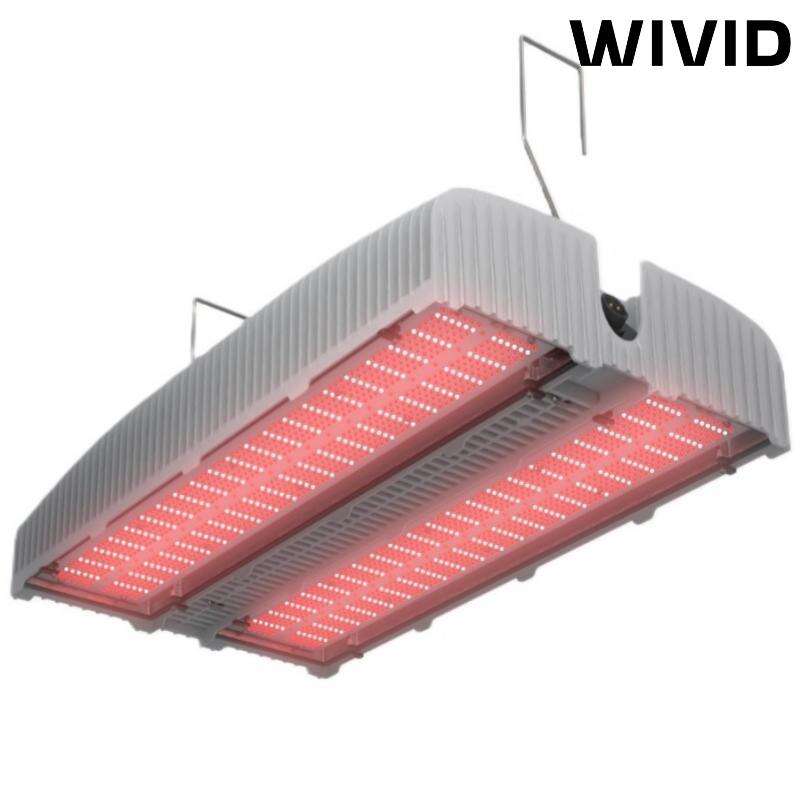
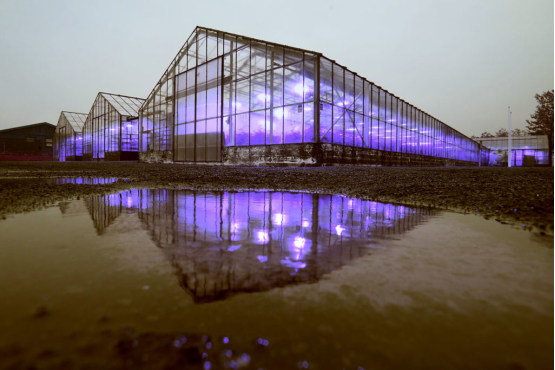
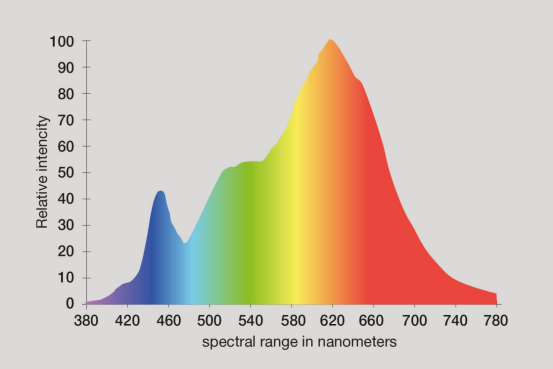
Full spectrum grow LED light represents a revolutionary advancement in horticultural lighting technology, designed to replicate the complete range of natural sunlight wavelengths that plants require for optimal growth and development. This innovative lighting solution delivers a comprehensive spectrum of light, spanning from ultraviolet through visible light to infrared wavelengths, typically ranging from 380nm to 780nm. Unlike traditional grow lights that emit limited wavelength ranges, full spectrum grow LED light provides plants with all the essential light frequencies they need throughout their entire lifecycle, from seedling germination to flowering and fruiting stages. The technology incorporates multiple LED chips that emit different color wavelengths, carefully balanced to mirror the sun's natural light composition. This includes blue light for vegetative growth and compact plant structure, red light for flowering and fruiting, green light for deeper canopy penetration, and small amounts of UV and far-red light for enhanced plant responses. Modern full spectrum grow LED light systems utilize advanced semiconductor technology and precision engineering to deliver consistent, reliable performance with exceptional energy efficiency. These lights find extensive applications across various growing environments, including indoor gardens, commercial greenhouses, vertical farms, hydroponic systems, and research facilities. Home gardeners use full spectrum grow LED light to cultivate herbs, vegetables, and ornamental plants year-round, regardless of outdoor weather conditions or seasonal limitations. Commercial growers rely on this technology to maximize crop yields, improve product quality, and maintain consistent production schedules. The versatility of full spectrum grow LED light makes it suitable for growing virtually any plant species, from leafy greens and microgreens to flowering plants, fruiting vegetables, and even cannabis in regions where cultivation is legal. Research institutions employ these lights to conduct controlled experiments on plant biology, photosynthesis, and crop optimization. The technology continues to evolve, with manufacturers developing increasingly sophisticated systems that offer programmable spectrum control, allowing growers to customize light recipes for specific plant species and growth stages.


New Products

Full spectrum grow LED light delivers remarkable energy savings compared to traditional lighting technologies, consuming up to 70 percent less electricity than high-pressure sodium or metal halide lamps while producing equivalent or superior light output for plant growth. This dramatic reduction in power consumption translates directly into lower operating costs, making these lights economically attractive for both hobbyist gardeners and commercial operations. The exceptional energy efficiency stems from LED technology's ability to convert electrical energy into light with minimal heat waste, unlike conventional bulbs that lose substantial energy as heat. Beyond energy savings, full spectrum grow LED light generates significantly less heat, eliminating the need for expensive cooling systems and reducing air conditioning costs in growing environments. This cooler operation allows lights to be positioned closer to plant canopies without risk of heat damage, maximizing light intensity and promoting stronger, healthier growth. The extended lifespan of full spectrum grow LED light provides another compelling advantage, with quality units operating effectively for 50,000 hours or more before requiring replacement. This longevity means fewer bulb changes, reduced maintenance labor, and lower long-term replacement costs compared to traditional grow lights that burn out after just a few thousand hours. The durability of LED components also means these lights withstand the humid, sometimes harsh conditions of growing environments better than fragile traditional bulbs. Full spectrum grow LED light promotes faster plant growth and higher yields by providing the complete range of wavelengths plants have evolved to utilize through photosynthesis. Plants grown under these lights typically exhibit stronger stems, more vigorous root development, denser foliage, and more abundant flowering and fruiting compared to those grown under limited-spectrum lighting. The balanced spectrum supports all stages of plant development simultaneously, eliminating the need to switch between different light types as plants mature. This comprehensive wavelength coverage also enhances the nutritional content and flavor profiles of edible crops, producing vegetables and herbs with better taste and higher concentrations of beneficial compounds. The instant-on capability of full spectrum grow LED light allows for precise control over photoperiods without warm-up delays, enabling growers to implement sophisticated lighting schedules that optimize plant responses. These lights produce minimal electromagnetic interference and contain no toxic materials like mercury, making them environmentally friendly and safe for use in any setting. The compact, lightweight design of modern full spectrum grow LED light fixtures simplifies installation and allows for creative mounting solutions in space-constrained growing areas. Many systems offer dimming capabilities and programmable controls, giving growers unprecedented flexibility to adjust light intensity and spectrum throughout the day or across different growth phases, mimicking natural sunrise and sunset patterns that can further enhance plant health and productivity.

Tips And Tricks

Energy Savings and Spectral Precision

14

Jan

Energy Savings and Spectral Precision

Discover how horticultural LED lighting cuts energy use by up to 50% while boosting plant growth with optimized spectra. Reduce TCO and enhance sustainability. Learn more today.
View More
Introduction to Photosynthetically Active Radiation (PAR)

14

Jan

Introduction to Photosynthetically Active Radiation (PAR)

Discover how Photosynthetically Active Radiation (PAR) boosts photosynthesis, growth, and yields. Learn to optimize LED lighting for energy efficiency and crop quality. Read more.
View More
Comprehensive Light Planning in Controlled Environment Agriculture

12

Mar

Comprehensive Light Planning in Controlled Environment Agriculture

Maximize crop yield with precise PPFD planning. Discover how 3D light simulations improve uniformity, reduce waste, and boost photosynthesis. Get your free lighting guide.
View More
The Grow Light Spectrum

15

Jan

The Grow Light Spectrum

Maximize photosynthetic efficiency and yields with science-backed grow light spectra. Discover how blue, red, and full-spectrum lighting affect plant growth. Learn more.
View More

Get a Free Quote

Our representative will contact you soon.
Email
Mobile
Country/Region
Name
Message
0/1000

full spectrum grow led light

Complete Wavelength Coverage for Optimal Plant Development

Complete Wavelength Coverage for Optimal Plant Development

The defining characteristic that sets full spectrum grow LED light apart from other horticultural lighting options is its ability to deliver the entire range of light wavelengths that plants utilize for photosynthesis and photomorphogenesis. Natural sunlight contains a continuous spectrum of wavelengths, and plants have evolved sophisticated photoreceptor systems to detect and respond to different portions of this spectrum. Full spectrum grow LED light replicates this natural light composition by combining multiple LED chips that emit specific wavelengths, creating a balanced output that includes blue light in the 400-500nm range, green light around 500-600nm, red light in the 600-700nm range, and often small amounts of ultraviolet and far-red wavelengths. This comprehensive coverage ensures that all photoreceptor systems in plants receive appropriate stimulation, triggering the full range of photobiological responses that contribute to healthy development. Blue wavelengths activate cryptochrome and phototropin receptors, promoting compact vegetative growth, strong stem development, and the production of protective compounds. Red wavelengths stimulate phytochrome receptors, driving flowering responses, fruit development, and biomass accumulation. Green wavelengths, often overlooked in older grow light designs, actually penetrate deeper into plant canopies than blue or red light, ensuring that lower leaves receive adequate illumination for photosynthesis. The inclusion of far-red wavelengths in full spectrum grow LED light triggers shade-avoidance responses and can accelerate flowering in certain species, while small amounts of UV light can enhance the production of protective compounds and improve the flavor and nutritional content of crops. This complete wavelength coverage means that plants grown under full spectrum grow LED light develop more naturally, with balanced morphology and physiology that closely resembles sun-grown plants. Growers no longer need to compromise by choosing between vegetative and flowering spectrums or switching light types as plants mature. The comprehensive spectrum supports all growth stages simultaneously, simplifying cultivation while delivering superior results. This advantage proves particularly valuable for growers cultivating multiple plant species or plants at different developmental stages in the same space, as the full spectrum grow LED light provides appropriate illumination for all plants regardless of their individual requirements.
Superior Energy Efficiency and Cost-Effectiveness

Superior Energy Efficiency and Cost-Effectiveness

Full spectrum grow LED light represents a paradigm shift in the economics of indoor and supplemental greenhouse lighting, delivering unprecedented energy efficiency that dramatically reduces operational costs while maintaining or improving crop quality and yields. Traditional grow lights, including high-pressure sodium, metal halide, and fluorescent systems, convert only a small fraction of consumed electricity into usable light for plants, with the majority wasted as heat. In contrast, modern full spectrum grow LED light achieves photon efficacy ratings exceeding 2.5 micromoles per joule, meaning these systems produce more than twice the usable plant light per watt of electricity compared to conventional technologies. For commercial growers operating large facilities, this efficiency translates into savings of thousands or even tens of thousands of dollars annually on electricity bills. A typical 1000-watt HPS fixture can be replaced with a 400-600 watt full spectrum grow LED light that delivers equivalent or superior growing results, immediately cutting energy consumption by 40-60 percent. These savings compound over time, as full spectrum grow LED light systems operate reliably for 50,000 to 100,000 hours, compared to just 10,000-20,000 hours for traditional bulbs. The extended lifespan means fewer replacements, reduced maintenance labor, and lower disposal costs. The reduced heat output of full spectrum grow LED light creates additional cost savings by decreasing cooling requirements in growing environments. Traditional high-intensity discharge lights generate enormous amounts of heat that must be removed through ventilation and air conditioning, often doubling the total energy cost of the lighting system. Full spectrum grow LED light produces minimal heat, allowing growers to reduce or eliminate supplemental cooling, further lowering energy consumption and operating costs. The cooler operation also enables lights to be positioned closer to plants, increasing light intensity at the canopy level without additional power consumption. Many full spectrum grow LED light systems incorporate dimming capabilities and programmable controls, allowing growers to reduce light intensity during less critical growth periods or adjust output based on natural sunlight availability in greenhouse applications, optimizing energy use throughout the growing cycle. The initial investment in full spectrum grow LED light typically pays for itself within 1-3 years through energy savings alone, after which the reduced operating costs represent pure profit improvement for commercial operations or ongoing savings for home growers.
Enhanced Plant Quality and Accelerated Growth Cycles

Enhanced Plant Quality and Accelerated Growth Cycles

Full spectrum grow LED light delivers measurable improvements in plant quality, growth rates, and final yields that directly impact the success and profitability of growing operations. The balanced wavelength composition of these lights triggers optimal photosynthetic efficiency, allowing plants to convert light energy into chemical energy more effectively than under limited-spectrum lighting. Research consistently demonstrates that plants grown under full spectrum grow LED light exhibit 20-40 percent faster growth rates compared to those under traditional lighting, shortening production cycles and enabling more crop rotations per year. This acceleration proves particularly valuable for commercial growers, as faster turnover directly increases annual revenue potential from the same growing space. The comprehensive spectrum also promotes more balanced plant development, producing compact, sturdy plants with strong stems, dense branching, and robust root systems. Unlike plants grown under narrow-spectrum lights that often exhibit stretched, weak growth or other morphological abnormalities, those cultivated under full spectrum grow LED light develop natural, well-proportioned structures that better support heavy fruit loads and resist environmental stresses. The quality improvements extend beyond physical structure to include enhanced nutritional content, flavor profiles, and concentrations of beneficial secondary metabolites. Vegetables and herbs grown under full spectrum grow LED light consistently show higher levels of vitamins, antioxidants, and essential oils compared to those grown under conventional lighting. Leafy greens develop richer colors and more complex flavors, while fruiting crops produce sweeter, more aromatic harvests. These quality improvements command premium prices in markets where consumers increasingly value flavor and nutritional density. The complete spectrum also supports more uniform flowering and fruiting, reducing the variability that plagues crops grown under inadequate lighting. Full spectrum grow LED light enables precise control over photoperiods and light intensity, allowing growers to manipulate plant responses and optimize production schedules. Day-neutral plants can be induced to flower on demand, while photoperiod-sensitive species can be maintained in vegetative growth indefinitely or triggered to flower at optimal times. This control proves invaluable for coordinating harvests with market demand or maintaining mother plants for propagation. The consistent, reliable output of full spectrum grow LED light eliminates the spectrum shift and intensity degradation that occurs as traditional bulbs age, ensuring that plants receive optimal lighting throughout the entire growing cycle and across multiple crop rotations.