Full-Spectrum LED Grow Lights - Complete Growing Solutions for Maximum Plant Health and Energy Efficiency

All Categories

full-spectrum led grow lights

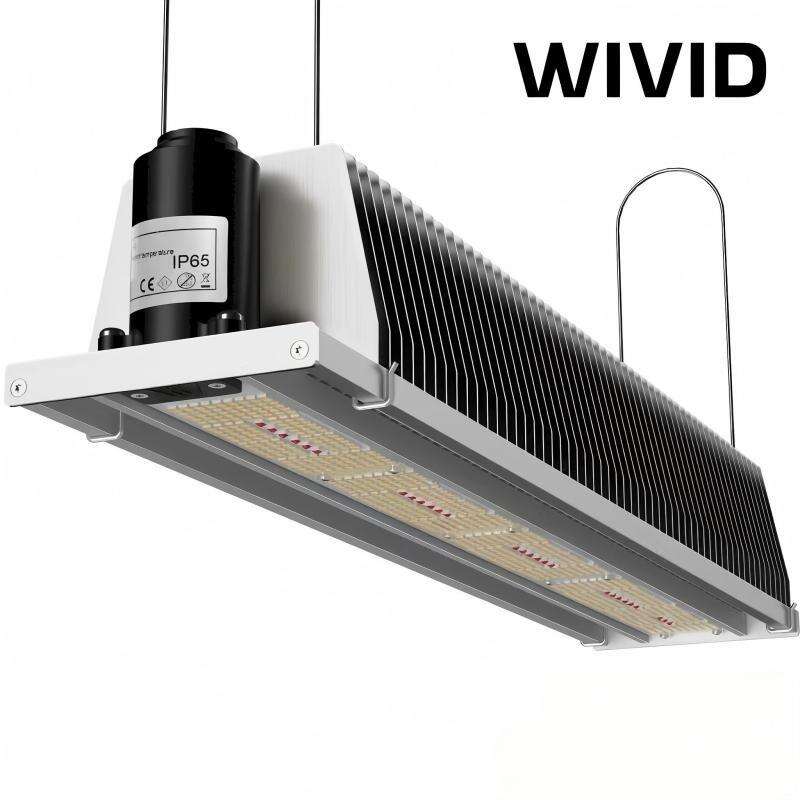
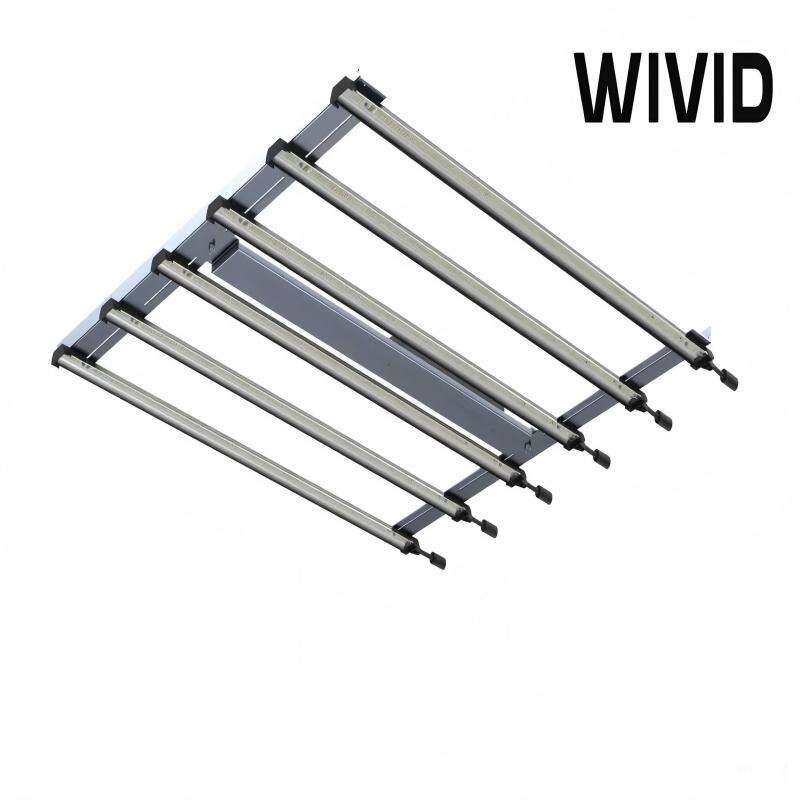
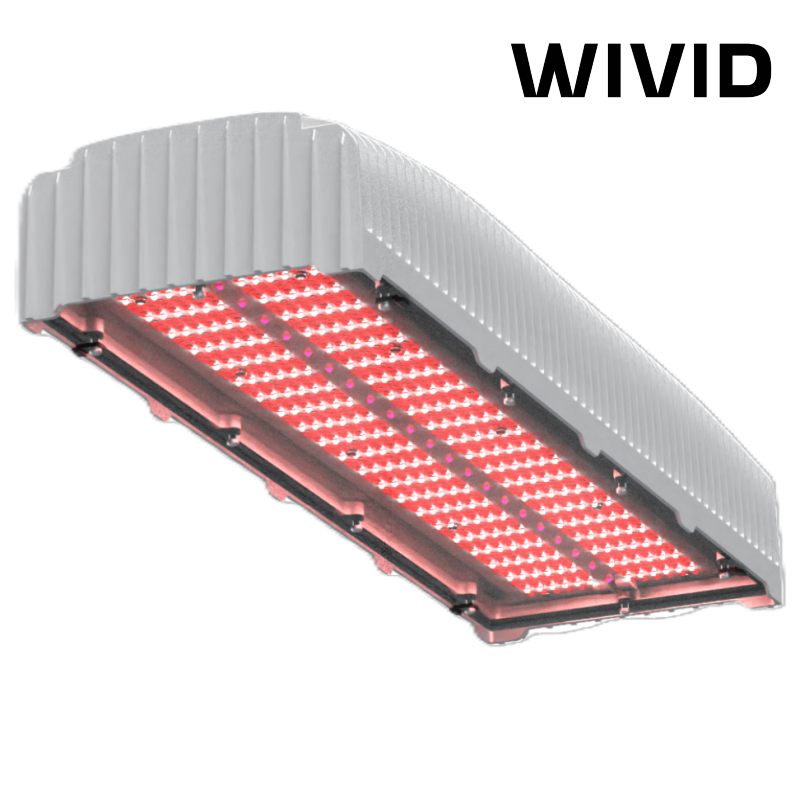
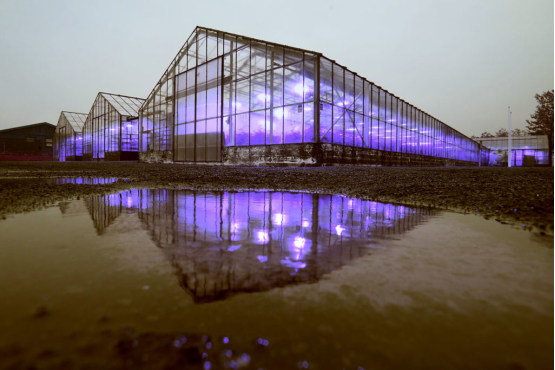
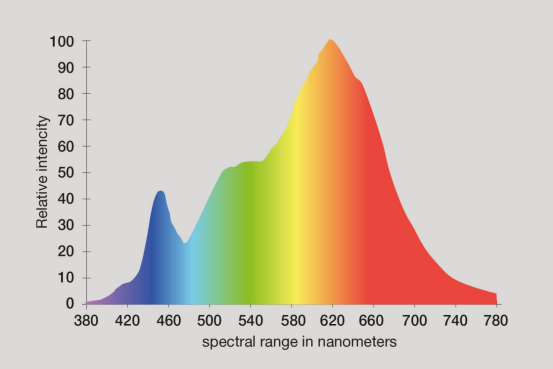
Full-spectrum LED grow lights represent a revolutionary advancement in modern horticulture and indoor gardening technology. These sophisticated lighting systems are engineered to replicate the natural sunlight spectrum, providing plants with the complete range of wavelengths they require for optimal growth throughout all developmental stages. Unlike traditional lighting solutions, full-spectrum LED grow lights emit wavelengths spanning from ultraviolet to infrared, typically ranging from 380 nanometers to 780 nanometers, which corresponds to the photosynthetically active radiation that plants naturally absorb. The main function of these innovative lighting systems is to facilitate photosynthesis, enabling plants to convert light energy into chemical energy for growth, flowering, and fruit production. The technological features of full-spectrum LED grow lights include advanced diode configurations that combine various LED chips emitting different color spectrums, sophisticated heat dissipation systems utilizing aluminum heat sinks, and intelligent control systems that allow users to adjust intensity and timing. These lights incorporate energy-efficient designs that consume significantly less electricity compared to conventional high-pressure sodium or metal halide lamps while generating substantially less heat. Applications for full-spectrum LED grow lights are diverse and expanding rapidly across multiple sectors. Commercial greenhouse operations utilize these systems to maximize crop yields and extend growing seasons regardless of external weather conditions. Indoor vertical farms depend entirely on these lights to cultivate fresh produce in urban environments where traditional agriculture is impossible. Home gardeners and hobbyists employ full-spectrum LED grow lights to maintain thriving herb gardens, vegetable patches, and ornamental plants year-round within their living spaces. Research facilities and universities implement these lighting solutions for controlled agricultural experiments and plant science studies. Medical cannabis cultivation facilities have adopted this technology extensively due to its ability to optimize cannabinoid production. The versatility of full-spectrum LED grow lights makes them suitable for propagating seedlings, nurturing vegetative growth, triggering flowering responses, and supporting fruiting phases across countless plant species.

Popular Products

Full-spectrum LED grow lights deliver remarkable advantages that transform how both commercial growers and home gardeners approach plant cultivation. The energy efficiency of these systems stands out as a primary benefit, with units consuming approximately sixty to seventy percent less electricity than traditional lighting technologies while producing equivalent or superior light output. This dramatic reduction in power consumption translates directly into lower operational costs and decreased environmental impact, making sustainable indoor growing financially viable for operations of any scale. The extended lifespan of full-spectrum LED grow lights provides exceptional value, with quality units operating effectively for fifty thousand hours or more before requiring replacement. This longevity means fewer disruptions to growing operations, reduced maintenance expenses, and less waste compared to conventional bulbs that burn out after just a few thousand hours of use. The reduced heat emission from these advanced lighting systems creates safer growing environments and eliminates the need for expensive cooling equipment that would otherwise be necessary to counteract the intense heat generated by older lighting technologies. Plants can be positioned closer to the light source without risk of heat damage, maximizing space efficiency in compact growing areas. The complete spectrum coverage ensures plants receive all wavelengths necessary for healthy development, from blue light that promotes strong vegetative growth and compact structure to red light that stimulates flowering and fruiting processes. This comprehensive spectrum support means growers do not need to switch between different light types as plants progress through growth stages, simplifying cultivation procedures and reducing equipment investment. The instant-on capability of full-spectrum LED grow lights allows immediate operation without warm-up periods, providing flexibility for implementing precise lighting schedules that optimize plant responses. The absence of toxic materials like mercury makes these lights environmentally responsible and eliminates hazardous waste disposal concerns. Directional light emission from LEDs ensures that energy targets the plant canopy rather than being wasted in unproductive directions, further enhancing efficiency. The ability to customize spectrum output in advanced models allows experienced growers to fine-tune light composition for specific plant varieties or growth objectives, unlocking potential for superior quality and yields. The stable light output throughout the operational lifespan maintains consistent growing conditions, whereas traditional bulbs experience significant degradation over time. Weather-independent growing capabilities enabled by these lights allow fresh produce cultivation in any climate or season, supporting local food production and reducing transportation-related carbon emissions associated with long-distance agricultural supply chains.

Practical Tips

Energy Savings and Spectral Precision

14

Jan

Energy Savings and Spectral Precision

Discover how horticultural LED lighting cuts energy use by up to 50% while boosting plant growth with optimized spectra. Reduce TCO and enhance sustainability. Learn more today.
View More
Introduction to Photosynthetically Active Radiation (PAR)

14

Jan

Introduction to Photosynthetically Active Radiation (PAR)

Discover how Photosynthetically Active Radiation (PAR) boosts photosynthesis, growth, and yields. Learn to optimize LED lighting for energy efficiency and crop quality. Read more.
View More
Comprehensive Light Planning in Controlled Environment Agriculture

12

Mar

Comprehensive Light Planning in Controlled Environment Agriculture

Maximize crop yield with precise PPFD planning. Discover how 3D light simulations improve uniformity, reduce waste, and boost photosynthesis. Get your free lighting guide.
View More
The Grow Light Spectrum

15

Jan

The Grow Light Spectrum

Maximize photosynthetic efficiency and yields with science-backed grow light spectra. Discover how blue, red, and full-spectrum lighting affect plant growth. Learn more.
View More

Get a Free Quote

Our representative will contact you soon.
Email
Mobile
Country/Region
Name
Message
0/1000

full-spectrum led grow lights

Complete Spectrum Technology for All Growth Stages

Complete Spectrum Technology for All Growth Stages

The complete spectrum technology integrated into modern full-spectrum LED grow lights represents a fundamental breakthrough in controlled environment agriculture. This sophisticated approach combines multiple LED chip types, each engineered to emit specific wavelengths, creating a harmonious light blend that mirrors the sun's natural radiation profile. The blue wavelength range, typically between 400 and 500 nanometers, plays a critical role during vegetative growth phases by encouraging compact plant architecture, promoting chlorophyll production, and stimulating root development. Red wavelengths spanning 600 to 700 nanometers activate photoreceptors responsible for triggering flowering responses, enhancing fruit development, and accelerating overall biomass accumulation. The inclusion of green spectrum light, often underestimated in earlier LED designs, penetrates deeper into plant canopies and supports photosynthesis in lower leaves that would otherwise remain shaded. Far-red wavelengths extending beyond 700 nanometers influence plant morphology and flowering timing through interaction with phytochrome photoreceptors, providing growers with tools to manipulate plant behavior strategically. Some premium full-spectrum LED grow lights incorporate near-ultraviolet wavelengths that can enhance secondary metabolite production, intensify colors in ornamental plants, and improve pest resistance through natural defense mechanism activation. The infrared spectrum contributes to thermal regulation and can influence stem elongation patterns. This comprehensive wavelength coverage eliminates the guesswork from indoor cultivation, as plants receive the complete range of light energy they have evolved to utilize over millions of years. Growers no longer need to purchase separate vegetative and flowering lights or worry about spectrum deficiencies limiting plant potential. The balanced spectrum approach supports healthier plants with stronger immune systems, more vibrant coloration, enhanced flavor profiles in edible crops, and increased concentrations of beneficial compounds. Full-spectrum LED grow lights equipped with this complete technology enable consistent results across diverse plant species, from leafy greens and herbs to fruiting vegetables and flowering ornamentals, making them the versatile solution for any indoor growing project regardless of scope or ambition.

Exceptional Energy Efficiency and Cost Savings

Exceptional Energy Efficiency and Cost Savings

The exceptional energy efficiency of full-spectrum LED grow lights fundamentally changes the economic equation for indoor plant cultivation, transforming previously cost-prohibitive operations into financially sustainable enterprises. Traditional high-intensity discharge lighting systems convert a substantial portion of electrical input into heat rather than usable light, resulting in wasteful energy consumption and necessitating additional cooling systems that further increase electricity demands. Full-spectrum LED grow lights operate on entirely different principles, with advanced semiconductor technology converting electrical energy directly into photons with minimal heat generation. This efficient conversion process means that a 300-watt LED system can deliver light intensity comparable to a 600-watt or even 1000-watt traditional system, immediately cutting energy consumption by half or more. For commercial operations running lights twelve to eighteen hours daily, these savings accumulate rapidly, potentially reducing annual electricity costs by thousands of dollars per growing space. Home gardeners experience proportionally similar benefits, with monthly electricity bills increasing only marginally despite maintaining year-round indoor gardens. The reduced heat output provides additional savings by eliminating or substantially decreasing air conditioning requirements in growing spaces, which represents another significant expense in traditional indoor growing operations. The extended operational lifespan of full-spectrum LED grow lights, typically exceeding 50,000 hours of reliable service, means a single unit can operate continuously for over five years before replacement becomes necessary. This durability dramatically reduces the recurring costs associated with purchasing replacement bulbs and the labor expenses involved in changing them. The solid-state construction of LED technology eliminates fragile filaments and glass components prone to failure, resulting in exceptional reliability that minimizes unexpected equipment failures and associated crop losses. Many full-spectrum LED grow lights feature dimmable capabilities, allowing growers to reduce intensity during early growth stages or for light-sensitive species, further optimizing energy consumption. Smart control compatibility enables scheduling and automation that ensures lights operate only when necessary, preventing energy waste from forgotten switches. The combination of reduced electricity consumption, eliminated cooling costs, extended replacement intervals, and minimized maintenance creates a compelling total cost of ownership advantage that quickly offsets the higher initial investment in quality LED technology.
Optimized Growing Conditions and Superior Plant Health

Optimized Growing Conditions and Superior Plant Health

Full-spectrum LED grow lights create optimized growing conditions that result in demonstrably superior plant health compared to alternative lighting technologies. The reduced heat emission inherent to LED technology allows light fixtures to be positioned significantly closer to plant canopies without causing heat stress or tissue damage. This proximity maximizes light intensity reaching plants while minimizing the inverse square law effects that diminish light strength with distance. The ability to place lights closer also improves space efficiency in vertical growing systems where every inch of height is valuable. The stable operating temperature of full-spectrum LED grow lights maintains consistent environmental conditions, eliminating the temperature fluctuations associated with traditional lighting systems that cycle through hot operational periods and cooling intervals. This thermal stability reduces stress on plants and creates more predictable growth patterns. The directional nature of LED light emission focuses energy precisely where needed rather than scattering it in all directions, ensuring that the plant canopy receives maximum benefit from every watt consumed. This targeted delivery reduces wasted light and creates more uniform coverage across growing areas. The instant-on and instant-off capability of full-spectrum LED grow lights enables precise control over photoperiod timing without warm-up or cool-down delays, allowing implementation of sophisticated lighting schedules that can manipulate plant responses. Advanced growers utilize techniques like gradual sunrise and sunset simulations, mid-day intensity peaks, and far-red end-of-day treatments to optimize plant morphology and accelerate flowering. The absence of flickering in quality LED systems eliminates a subtle stress factor that can affect plant physiology and reduces eye strain for workers tending plants. The complete spectrum provided by these lights supports robust immune system development in plants, resulting in specimens with improved resistance to pests and diseases. Plants grown under full-spectrum LED grow lights typically exhibit stronger stems, deeper green foliage indicating healthy chlorophyll levels, more extensive root systems, and enhanced production of protective compounds. The consistent spectrum output throughout the operational life maintains steady growing conditions, whereas traditional bulbs experience spectrum shift and intensity degradation that gradually alters growing conditions. This consistency allows growers to develop and replicate successful cultivation protocols with confidence.