Greenhouse Energy Storage Solutions - Sustainable Power for Modern Agriculture

All Categories

greenhouse energy storage

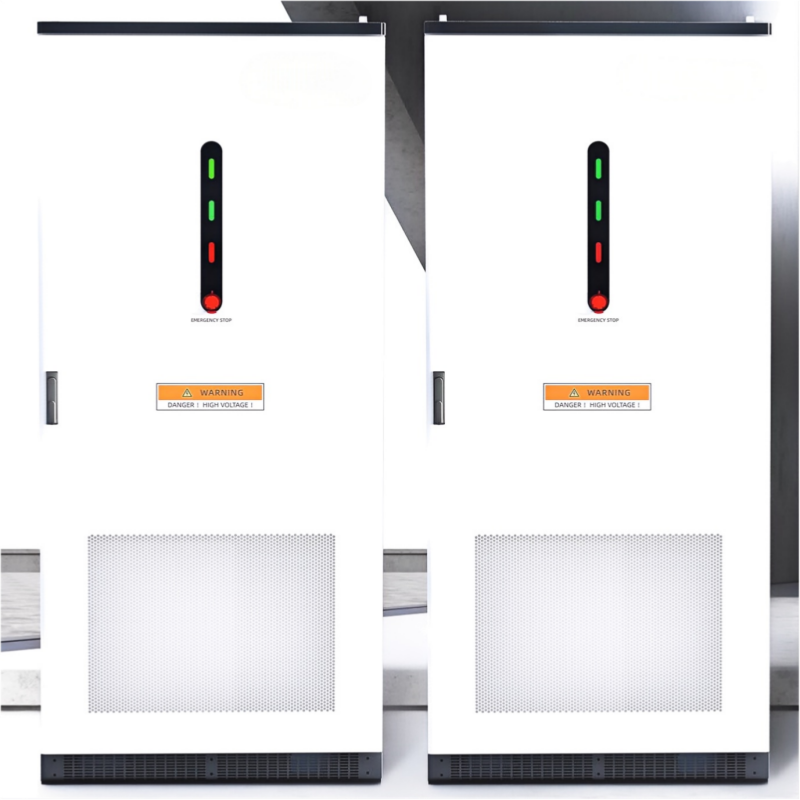
Greenhouse energy storage represents an innovative solution that combines renewable energy technology with agricultural infrastructure to create sustainable power systems for modern farming operations. This integrated approach transforms traditional greenhouses into energy-efficient facilities capable of capturing, storing, and utilizing power for both cultivation needs and broader operational requirements. The main functions of greenhouse energy storage include solar energy collection through photovoltaic panels installed on greenhouse roofs or walls, thermal energy capture from excess heat generated during daylight hours, and battery systems that store electricity for use during peak demand periods or nighttime operations. These systems work together to create a self-sufficient energy ecosystem that reduces dependence on grid electricity while maintaining optimal growing conditions. Technological features encompass advanced battery management systems that monitor charge levels and optimize discharge cycles, smart inverters that convert stored DC power to usable AC electricity, and intelligent climate control integration that balances energy consumption with storage capacity. The thermal storage component utilizes phase-change materials or water tanks to retain heat energy, which can be released gradually to maintain stable temperatures during colder periods. Solar tracking mechanisms maximize energy collection efficiency throughout the day, while automated sensors adjust storage priorities based on weather forecasts and operational demands. Applications span commercial greenhouse operations growing vegetables, flowers, and specialty crops, research facilities requiring precise environmental control, urban farming projects in densely populated areas, and remote agricultural sites lacking reliable grid connections. Greenhouse energy storage systems also support supplemental lighting for extended growing seasons, power irrigation pumps and ventilation systems, and enable year-round production in regions with challenging climates. The scalability of these systems allows implementation across facilities ranging from small family farms to large industrial agricultural complexes, making greenhouse energy storage a versatile solution for diverse farming contexts and energy requirements.

New Product Recommendations

The practical benefits of greenhouse energy storage make it an attractive investment for forward-thinking farmers and agricultural businesses seeking to improve operations while reducing costs. First and foremost, these systems dramatically lower electricity expenses by generating and storing power onsite, eliminating the need to purchase expensive grid electricity during peak rate periods. Growers typically see energy cost reductions of thirty to seventy percent within the first year of operation, with savings continuing to accumulate over the system's twenty-five-year lifespan. This financial advantage becomes even more significant in regions with high electricity rates or unstable power supplies. Beyond immediate cost savings, greenhouse energy storage provides reliable power continuity that protects valuable crops from temperature fluctuations and equipment failures. When grid outages occur, stored energy automatically kicks in to maintain critical systems like ventilation fans, irrigation pumps, and climate control units, preventing crop losses that could amount to thousands of dollars in a single incident. This reliability gives growers peace of mind and protects their investment in plant stock and infrastructure. Environmental benefits extend beyond the greenhouse itself, as these systems reduce carbon footprints by replacing fossil fuel-generated electricity with clean renewable power. Farmers can market their produce as sustainably grown, appealing to environmentally conscious consumers willing to pay premium prices for eco-friendly products. This branding advantage opens new market opportunities and strengthens customer loyalty. Installation and operation remain straightforward, with most systems requiring minimal maintenance once properly configured. Modern greenhouse energy storage solutions feature user-friendly monitoring interfaces accessible via smartphone apps, allowing growers to track energy production, storage levels, and consumption patterns in real time. This transparency helps optimize operations and identify opportunities for further efficiency improvements. The modular nature of these systems means farmers can start with basic configurations and expand capacity as their operations grow or energy needs increase. Government incentives, tax credits, and renewable energy rebates often offset initial installation costs, making adoption more affordable than many growers initially expect. These financial support programs recognize the environmental and economic benefits of distributed energy storage and aim to accelerate adoption across the agricultural sector. Furthermore, greenhouse energy storage increases property values by adding permanent infrastructure improvements that future buyers recognize as valuable assets. The energy independence these systems provide becomes increasingly important as climate change creates more frequent extreme weather events and grid stress. Growers equipped with greenhouse energy storage can continue operations when neighboring farms lose power, maintaining production schedules and fulfilling customer commitments even during challenging conditions.

Practical Tips

Energy Savings and Spectral Precision

14

Jan

Energy Savings and Spectral Precision

Discover how horticultural LED lighting cuts energy use by up to 50% while boosting plant growth with optimized spectra. Reduce TCO and enhance sustainability. Learn more today.
View More
Introduction to Photosynthetically Active Radiation (PAR)

14

Jan

Introduction to Photosynthetically Active Radiation (PAR)

Discover how Photosynthetically Active Radiation (PAR) boosts photosynthesis, growth, and yields. Learn to optimize LED lighting for energy efficiency and crop quality. Read more.
View More
Comprehensive Light Planning in Controlled Environment Agriculture

12

Mar

Comprehensive Light Planning in Controlled Environment Agriculture

Maximize crop yield with precise PPFD planning. Discover how 3D light simulations improve uniformity, reduce waste, and boost photosynthesis. Get your free lighting guide.
View More
The Grow Light Spectrum

15

Jan

The Grow Light Spectrum

Maximize photosynthetic efficiency and yields with science-backed grow light spectra. Discover how blue, red, and full-spectrum lighting affect plant growth. Learn more.
View More

Get a Free Quote

Our representative will contact you soon.
Email
Mobile
Country/Region
Name
Message
0/1000

greenhouse energy storage

Maximum Energy Independence and Cost Control

Maximum Energy Independence and Cost Control

Greenhouse energy storage delivers unparalleled energy independence by transforming agricultural facilities into self-powered operations that generate, store, and manage their own electricity supply without relying on external utility companies. This independence represents a fundamental shift in how growers approach energy management, moving from passive consumers to active producers who control their power destiny. The system captures solar energy throughout daylight hours using high-efficiency photovoltaic panels specifically designed for greenhouse applications, with specialized transparent or semi-transparent modules that allow adequate light transmission for plant growth while simultaneously generating electricity. This dual-purpose approach maximizes the utility of greenhouse roof and wall space without compromising the primary agricultural function. Advanced battery arrays store excess energy produced during peak sunlight hours, creating reserves that power operations during evening hours, cloudy days, or periods of high energy demand. Sophisticated energy management software continuously analyzes production patterns, storage capacity, and consumption needs to optimize when energy should be stored versus immediately used. This intelligent orchestration ensures that critical systems always have sufficient power while minimizing waste and maximizing self-consumption rates. The cost control advantages manifest in multiple ways beyond simple utility bill reduction. Growers gain predictable energy expenses that remain stable regardless of fluctuating electricity rates or utility company price increases, allowing for more accurate financial planning and budgeting. This predictability proves especially valuable for businesses operating on thin profit margins where unexpected cost increases can threaten viability. Time-of-use optimization features automatically discharge stored energy during expensive peak rate periods while drawing minimal grid power, effectively arbitraging electricity prices and generating additional savings. Some regions even allow greenhouse energy storage owners to sell excess power back to the grid during high-demand periods, creating a potential revenue stream that further improves return on investment. The energy independence provided by greenhouse energy storage also insulates operations from broader economic disruptions, energy market volatility, and geopolitical factors that influence conventional power costs, giving growers competitive advantages and operational stability that enhance long-term business sustainability.
Enhanced Crop Protection and Production Quality

Enhanced Crop Protection and Production Quality

Greenhouse energy storage systems provide critical infrastructure for maintaining optimal growing conditions that directly impact crop health, yield quality, and overall production success. The reliable power supply ensures that environmental control systems operate without interruption, maintaining precise temperature ranges, humidity levels, and air circulation patterns that different crops require for maximum growth and quality development. When power interruptions occur in grid-dependent operations, even brief outages can cause temperature spikes or drops that stress plants, slow growth rates, trigger disease susceptibility, or cause irreversible damage to sensitive crops. Greenhouse energy storage eliminates this vulnerability by providing instantaneous backup power that seamlessly maintains all systems during grid failures. The stored energy capacity typically provides twelve to forty-eight hours of autonomous operation depending on system size and energy consumption patterns, giving growers substantial protection against extended outages. This protection proves especially valuable during extreme weather events when grid failures most commonly occur and when maintaining stable growing conditions becomes most critical. Beyond emergency backup, greenhouse energy storage enables enhanced production capabilities through powered supplemental lighting systems that extend effective growing hours, accelerate plant development, and enable year-round cultivation of crops that would otherwise have limited growing seasons. The stored solar energy collected during the day powers LED grow lights during evening hours, providing cost-effective illumination that would be prohibitively expensive using grid electricity at peak rates. This lighting capability allows growers to implement precise photoperiod control for crops requiring specific light duration patterns, optimize harvest timing to meet market demand, and increase annual production cycles for faster revenue generation. Temperature regulation benefits extend beyond simple heating and cooling, as greenhouse energy storage powers thermal management systems that capture and redistribute heat energy throughout the facility. Excess daytime heat gets stored in thermal mass systems and released during cooler nighttime periods, reducing temperature fluctuations that can stress plants and diminish quality. This thermal stability creates ideal conditions for consistent crop development, reduces the incidence of physiological disorders caused by temperature extremes, and produces harvests with superior appearance, flavor profiles, and shelf life that command premium prices in competitive markets.
Sustainable Agriculture and Future-Proof Operations

Sustainable Agriculture and Future-Proof Operations

Greenhouse energy storage positions agricultural operations at the forefront of sustainable farming practices while simultaneously preparing businesses for future regulatory requirements, market expectations, and environmental challenges that will increasingly define successful agriculture. The environmental credentials these systems provide extend far beyond simple carbon footprint reduction, encompassing comprehensive sustainability improvements that resonate with consumers, retailers, and regulatory bodies alike. By generating clean renewable electricity onsite, greenhouse energy storage eliminates the indirect emissions associated with grid power consumption, which in many regions still relies heavily on fossil fuel generation. This emissions avoidance creates quantifiable environmental benefits that growers can document through carbon accounting, sustainability reports, and eco-certification programs that validate their environmental stewardship. These credentials open access to premium markets, specialty retailers, and institutional buyers specifically seeking sustainably produced agricultural products. Many major food retailers now require or prefer suppliers who can demonstrate measurable sustainability commitments, making greenhouse energy storage not just an environmental choice but a strategic business decision that maintains market access. The water-energy nexus benefits prove particularly significant, as greenhouse energy storage powers efficient irrigation systems, water recycling equipment, and precision delivery mechanisms that minimize water consumption while maximizing crop productivity. This integrated approach addresses two critical resources simultaneously, creating operations that consume less water and energy per unit of production than conventional farming methods. Forward-looking regulations increasingly mandate renewable energy adoption, emissions reporting, and sustainability performance standards that will affect agricultural operations in coming years. Investing in greenhouse energy storage now positions growers ahead of these regulatory curves, avoiding future compliance costs and potential penalties while establishing competitive advantages over less prepared competitors. The technology evolution trajectory ensures that greenhouse energy storage systems remain relevant and valuable long into the future, with modular designs allowing component upgrades, capacity expansions, and integration of emerging technologies like artificial intelligence-driven energy management, advanced battery chemistries with higher storage densities, and smart grid connectivity features. This future-proof architecture protects the initial investment while enabling continuous improvement and adaptation to changing operational needs, energy technologies, and market conditions that will emerge throughout the system's multi-decade operational lifespan.