Professional Horticulture Toplight Solutions - Advanced LED Grow Lighting Systems for Commercial Cultivation

All Categories

horticulture toplight

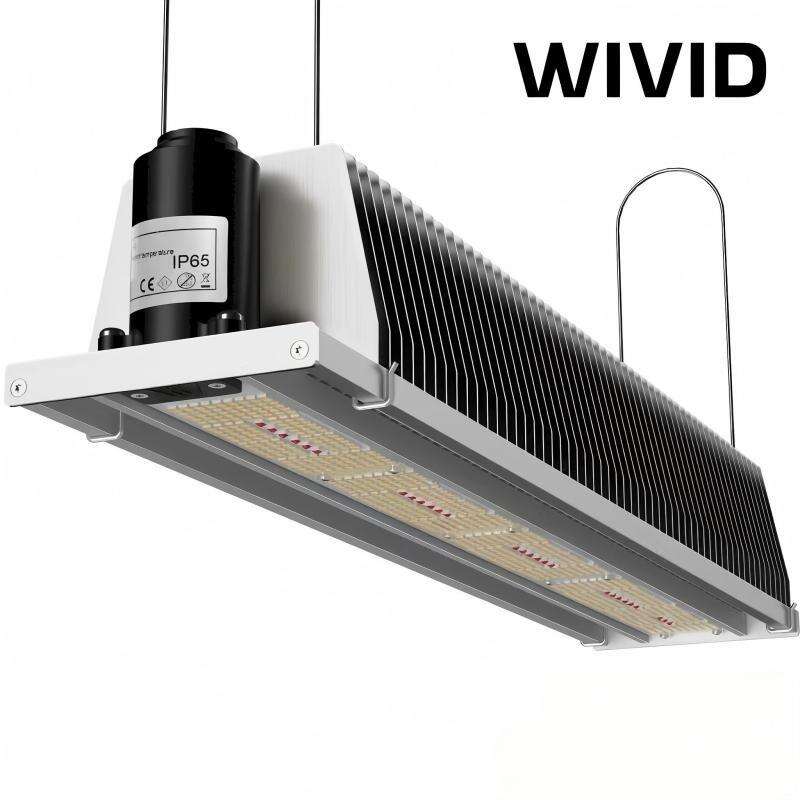
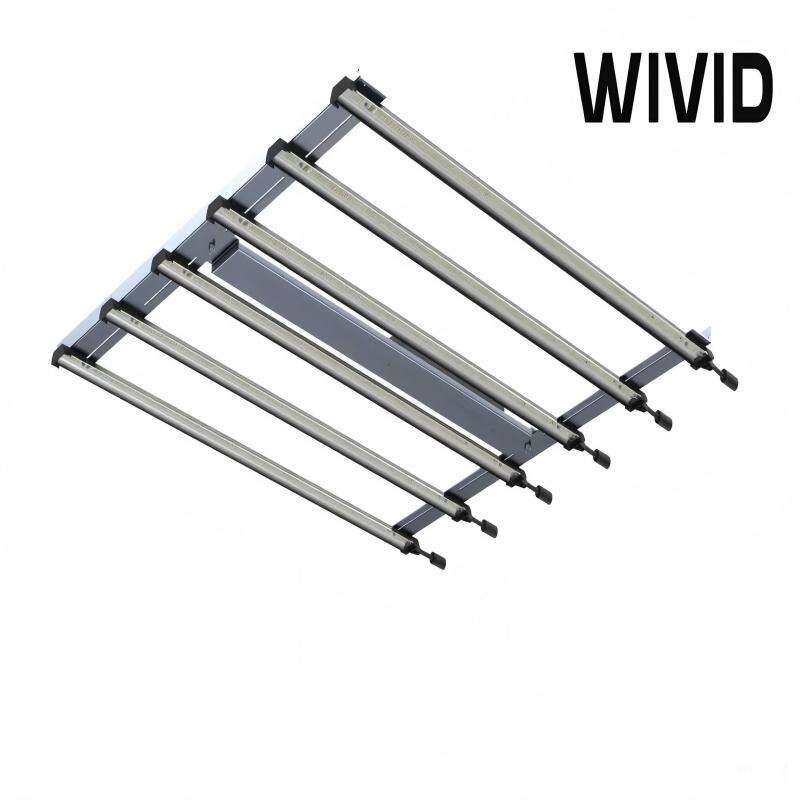
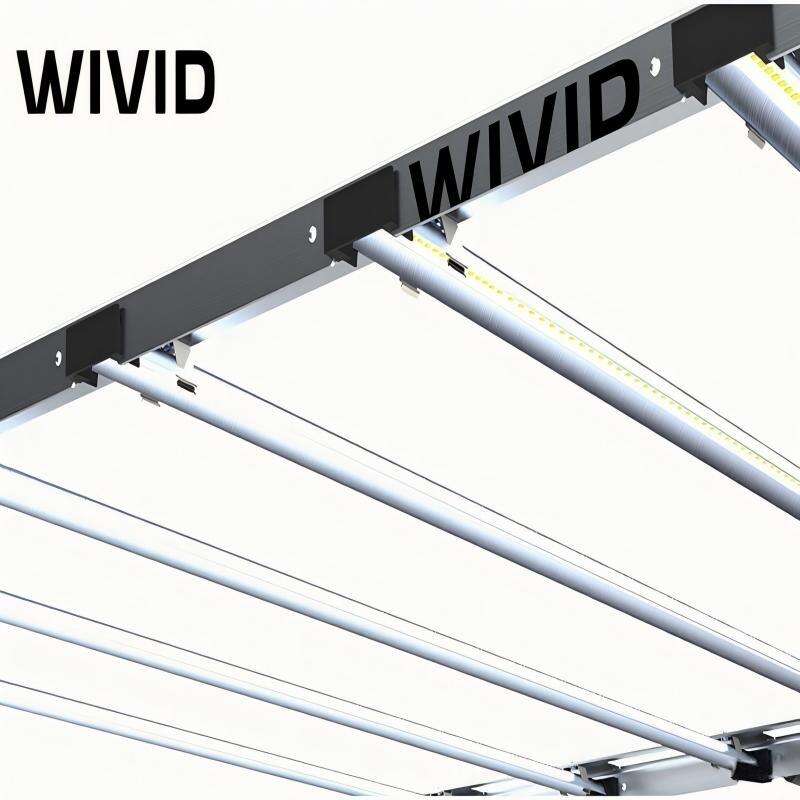
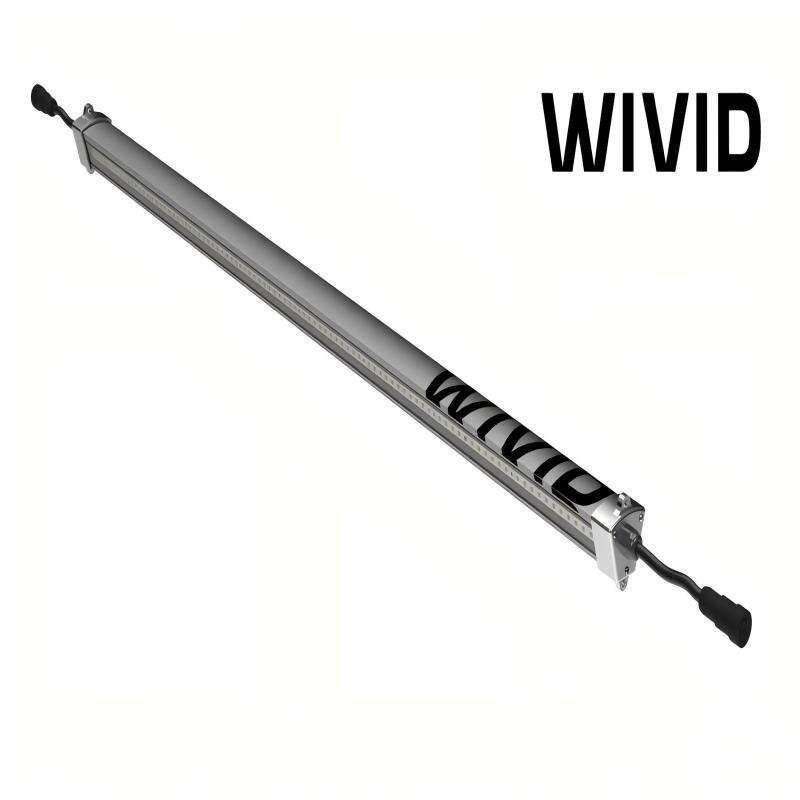
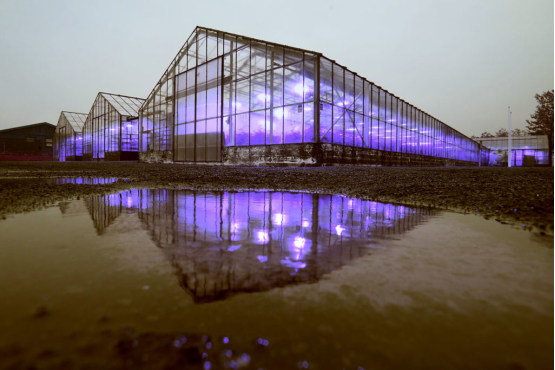
A horticulture toplight represents an innovative overhead lighting solution specifically engineered for indoor farming, greenhouse cultivation, and controlled environment agriculture. This sophisticated lighting system mounts directly above plant canopies to deliver optimal light distribution across growing areas. The horticulture toplight utilizes advanced LED technology to replicate natural sunlight spectrums, enabling year-round crop production regardless of external weather conditions or seasonal limitations. These systems integrate full-spectrum wavelengths that target specific photosynthetic needs of various plant species, promoting healthy vegetative growth and robust flowering stages. The main functions of a horticulture toplight include providing consistent photosynthetically active radiation, extending natural daylight hours, and creating customizable light recipes tailored to different growth phases. Technological features incorporate precision optics that maximize photon delivery while minimizing energy waste, thermal management systems that dissipate heat efficiently without affecting ambient growing temperatures, and intelligent dimming capabilities that adjust intensity based on plant requirements. Modern horticulture toplight installations often feature waterproof housing rated for humid greenhouse environments, ensuring longevity and reliable performance in challenging agricultural settings. Applications span commercial vegetable production facilities, cannabis cultivation centers, ornamental plant nurseries, research laboratories studying plant biology, and vertical farming operations in urban environments. These lighting systems prove particularly valuable for crops requiring supplemental lighting during winter months or in geographic locations with limited natural sunlight exposure. The horticulature toplight serves as a critical component in precision agriculture strategies, where growers seek complete environmental control to maximize yields, improve crop quality, and accelerate production cycles. By delivering targeted light energy exactly where plants need it most, these overhead systems transform conventional growing operations into highly productive, scientifically optimized cultivation environments that consistently outperform traditional agricultural methods.

Popular Products

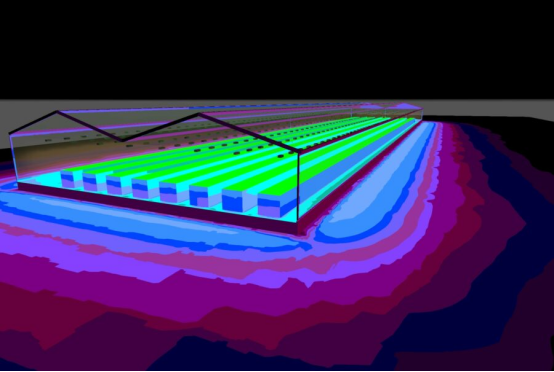
The horticulture toplight delivers substantial practical benefits that directly impact your bottom line and operational efficiency. First and foremost, these systems dramatically reduce electricity consumption compared to traditional high-pressure sodium or metal halide fixtures, cutting energy costs by up to seventy percent while delivering superior light output. This energy efficiency translates into immediate savings on utility bills, allowing you to allocate resources toward other critical aspects of your growing operation. The extended lifespan of horticulture toplight technology means fewer replacement cycles, reducing maintenance expenses and minimizing disruptions to your cultivation schedule. You can expect operational lifetimes exceeding fifty thousand hours, which equates to years of reliable service without bulb changes or fixture replacements. The precision spectrum control offered by these systems gives you complete authority over plant development, enabling faster growth rates and shortened production cycles that increase annual harvest frequency. You can manipulate flowering triggers, enhance secondary metabolite production, and improve crop characteristics like color, flavor, and nutritional content through strategic light management. Installation proves straightforward with mounting systems designed for quick deployment across various greenhouse structures and indoor growing facilities. The lightweight construction of modern horticulture toplight units simplifies installation logistics while reducing structural load requirements on existing buildings. Heat management represents another significant advantage, as these fixtures generate minimal thermal radiation compared to legacy lighting technologies. Your climate control systems work less intensively to maintain ideal growing temperatures, further reducing operational costs associated with cooling and ventilation. The uniform light distribution achieved by properly configured horticulture toplight arrays eliminates shadowing and uneven growth patterns, ensuring every plant receives equal light exposure for consistent crop quality across entire growing areas. Dimming capabilities provide flexibility to adjust light levels throughout different growth stages without changing fixtures or adding complexity to your setup. You gain precise control over daily light integral values, matching light delivery to specific crop requirements and avoiding both under-lighting and wasteful over-lighting scenarios. The durability of horticulture toplight construction withstands the demanding conditions present in agricultural environments, including high humidity, temperature fluctuations, and exposure to water during irrigation and cleaning procedures. This robustness ensures consistent performance and protects your investment against premature failure. Environmental benefits align with sustainable farming practices, as reduced energy consumption decreases your carbon footprint and supports green certification programs increasingly valued by consumers and retailers. The improved crop yields and quality achieved through optimized lighting directly enhance your market competitiveness and profitability, creating measurable returns on investment within typical payback periods of eighteen to thirty-six months depending on crop types and local energy costs.

Latest News

Energy Savings and Spectral Precision

14

Jan

Energy Savings and Spectral Precision

Discover how horticultural LED lighting cuts energy use by up to 50% while boosting plant growth with optimized spectra. Reduce TCO and enhance sustainability. Learn more today.
View More
Introduction to Photosynthetically Active Radiation (PAR)

14

Jan

Introduction to Photosynthetically Active Radiation (PAR)

Discover how Photosynthetically Active Radiation (PAR) boosts photosynthesis, growth, and yields. Learn to optimize LED lighting for energy efficiency and crop quality. Read more.
View More
Comprehensive Light Planning in Controlled Environment Agriculture

12

Mar

Comprehensive Light Planning in Controlled Environment Agriculture

Maximize crop yield with precise PPFD planning. Discover how 3D light simulations improve uniformity, reduce waste, and boost photosynthesis. Get your free lighting guide.
View More
The Grow Light Spectrum

15

Jan

The Grow Light Spectrum

Maximize photosynthetic efficiency and yields with science-backed grow light spectra. Discover how blue, red, and full-spectrum lighting affect plant growth. Learn more.
View More

Get a Free Quote

Our representative will contact you soon.
Email
Mobile
Country/Region
Name
Message
0/1000

horticulture toplight

Advanced Spectrum Optimization Technology for Maximum Photosynthetic Efficiency

Advanced Spectrum Optimization Technology for Maximum Photosynthetic Efficiency

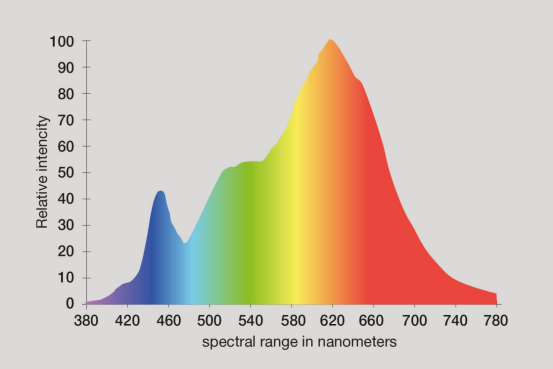
The horticulture toplight incorporates cutting-edge spectrum optimization technology that revolutionizes how plants receive and utilize light energy for photosynthesis and growth. Unlike broad-spectrum lighting that wastes energy on wavelengths plants cannot effectively use, this sophisticated system delivers precisely calibrated light spectrums targeting peak absorption zones of chlorophyll and other photoreceptors. The technology employs multiple LED chip combinations that generate specific wavelength ranges in the blue spectrum for vegetative growth promotion, red spectrum for flowering and fruiting enhancement, and far-red wavelengths for morphological control. This targeted approach ensures every photon emitted contributes meaningfully to plant development rather than simply illuminating the space. The spectrum tuning capabilities allow you to create custom light recipes that match the exact requirements of your specific crops, whether cultivating leafy greens requiring enhanced blue wavelengths for compact growth, flowering ornamentals needing balanced red-to-blue ratios, or fruiting crops benefiting from far-red supplementation during reproductive phases. The horticulture toplight system enables dynamic spectrum adjustment throughout the cultivation cycle, beginning with blue-enriched spectrums during seedling establishment to prevent stretching, transitioning to balanced full-spectrum lighting during vegetative expansion, and shifting toward red-dominant outputs during flowering initiation and fruit development. This adaptability eliminates the need for multiple lighting systems or complicated fixture changes as crops progress through growth stages. Research-backed spectrum formulations built into these systems reflect decades of horticultural science, incorporating findings from plant physiology studies that identify optimal photon ratios for various species and cultivars. The precision spectrum control extends beyond simple color mixing, incorporating considerations for photomorphogenic responses that influence plant architecture, internode spacing, leaf thickness, and secondary metabolite production. Growers producing medicinal herbs, culinary plants, or specialty crops can leverage these capabilities to enhance desired compound concentrations, intensify flavors, or improve visual appeal characteristics that command premium market prices. The spectrum optimization technology within the horticulture toplight represents a fundamental shift from generic illumination to strategic light application, treating photons as agricultural inputs requiring the same careful management as water, nutrients, and environmental conditions for achieving exceptional cultivation results.
Intelligent Thermal Management System Ensuring Optimal Growing Conditions

Intelligent Thermal Management System Ensuring Optimal Growing Conditions

The horticulture toplight features an innovative thermal management system that addresses one of the most critical challenges in intensive indoor cultivation environments. Traditional lighting technologies generate excessive heat that raises ambient temperatures, forcing climate control systems to work harder and consuming additional energy for cooling. This intelligent thermal architecture fundamentally changes that equation by efficiently dissipating heat away from the growing area while maintaining optimal fixture temperatures for maximum LED performance and longevity. The engineering incorporates precision-designed aluminum heatsinks with expanded surface areas that passively transfer thermal energy away from LED arrays through natural convection, eliminating the need for noisy fans that require maintenance and create additional points of failure. The fanless design contributes to quieter growing environments while reducing energy consumption associated with active cooling components. For facilities requiring enhanced heat dissipation in densely packed installations, optional integrated cooling systems work seamlessly with the horticulture toplight architecture to maintain ideal operating temperatures even in challenging applications. The thermal management excellence ensures consistent light output throughout operational periods, as LED efficiency and spectrum stability depend heavily on junction temperatures remaining within optimal ranges. When fixtures run cooler, they maintain specified light output levels rather than experiencing the degradation common with overheated systems. This consistency proves crucial for maintaining uniform growing conditions and predictable crop development timelines. The superior heat management allows closer canopy positioning without risk of heat stress or leaf damage, maximizing light interception by plants while minimizing losses to distance attenuation. Growers can position the horticulture toplight fixtures as close as twelve inches from canopy surfaces depending on intensity settings, dramatically improving photon delivery efficiency compared to high-heat fixtures requiring twenty-four inches or greater clearance. This proximity advantage becomes particularly valuable in vertical farming applications where vertical space commands premium value and every inch matters for system economics. The reduced thermal load on growing environments translates directly into lower HVAC operating costs, as cooling systems need not work as intensively to counteract lighting heat. Facilities in moderate climates may find supplemental cooling unnecessary during cooler months, relying solely on ventilation to maintain ideal temperatures. The thermal management system within the horticulture toplight extends fixture lifespan by preventing heat-related degradation of electronic components, LED phosphors, and driver circuits that typically limit the operational life of inferior lighting products. This longevity protection ensures your investment continues delivering reliable performance throughout its extended service life, maximizing return on investment and minimizing replacement frequency that disrupts growing operations and requires capital expenditure.
Comprehensive Environmental Durability for Demanding Agricultural Applications

Comprehensive Environmental Durability for Demanding Agricultural Applications

The horticulture toplight stands apart through its comprehensive environmental durability engineering specifically designed to withstand the uniquely challenging conditions present in greenhouse and indoor growing facilities. Agricultural environments present harsh operating conditions that quickly degrade equipment not purpose-built for such applications, including persistent high humidity levels, temperature fluctuations, exposure to water from irrigation systems and cleaning procedures, and corrosive conditions from fertilizers and other agricultural inputs. The horticulture toplight addresses these challenges through thoughtful construction utilizing corrosion-resistant materials, sealed electronics compartments, and waterproof ratings that ensure reliable long-term operation despite environmental stresses that would compromise ordinary lighting fixtures. The housing construction employs marine-grade aluminum alloys treated with protective coatings that resist oxidation and chemical degradation, maintaining structural integrity and aesthetic appearance throughout years of continuous service. Sealed lens assemblies with gasket protection achieve IP65 or higher ingress protection ratings, preventing moisture infiltration that causes short circuits, corrosion, and premature failure in lesser fixtures. This waterproofing allows the horticulture toplight to operate safely during overhead irrigation events, high-pressure cleaning procedures, and in greenhouse environments where condensation regularly forms on surfaces. The electrical components receive similar protection through conformal coating applications on circuit boards and sealed driver compartments that isolate sensitive electronics from atmospheric moisture and contaminants. Mounting hardware incorporates stainless steel fasteners and brackets engineered to maintain secure attachment despite vibrations from ventilation systems, thermal expansion cycles, and mechanical stresses during maintenance activities. The robust construction withstands accidental impacts from equipment, growing systems adjustments, and the inevitable bumps that occur in busy production facilities. Cable management systems integrate strain relief features protecting electrical connections from damage due to fixture movement or cable tension, eliminating common failure points found in fixtures with inadequate connection protection. The horticulture toplight durability extends to optical components, with impact-resistant polycarbonate or tempered glass lenses that resist cracking, yellowing, and light transmission degradation despite exposure to UV radiation and environmental stresses. This optical stability ensures consistent light delivery characteristics throughout the fixture lifespan rather than experiencing the efficiency losses common with degraded lens materials. The comprehensive durability engineering reflects understanding that agricultural equipment must deliver reliable performance in demanding real-world conditions rather than controlled laboratory environments. Growers depend on continuous lighting schedules to maintain crop development programs, making reliability absolutely essential for operational success. The horticulture toplight meets this requirement through overengineered construction that builds in substantial safety margins, quality component selection from reputable manufacturers, and rigorous testing protocols that verify performance under simulated agricultural conditions before products reach market. This attention to durability details translates into lower total cost of ownership through reduced failure rates, extended service intervals, and the confidence that your lighting infrastructure will perform reliably day after day, season after season, supporting consistent production schedules and protecting your investment in crops and facility infrastructure.