Premium LED Grow Lights for Tomatoes - Energy Efficient Full Spectrum Indoor Growing Solutions

All Categories

led grow lights for tomatoes

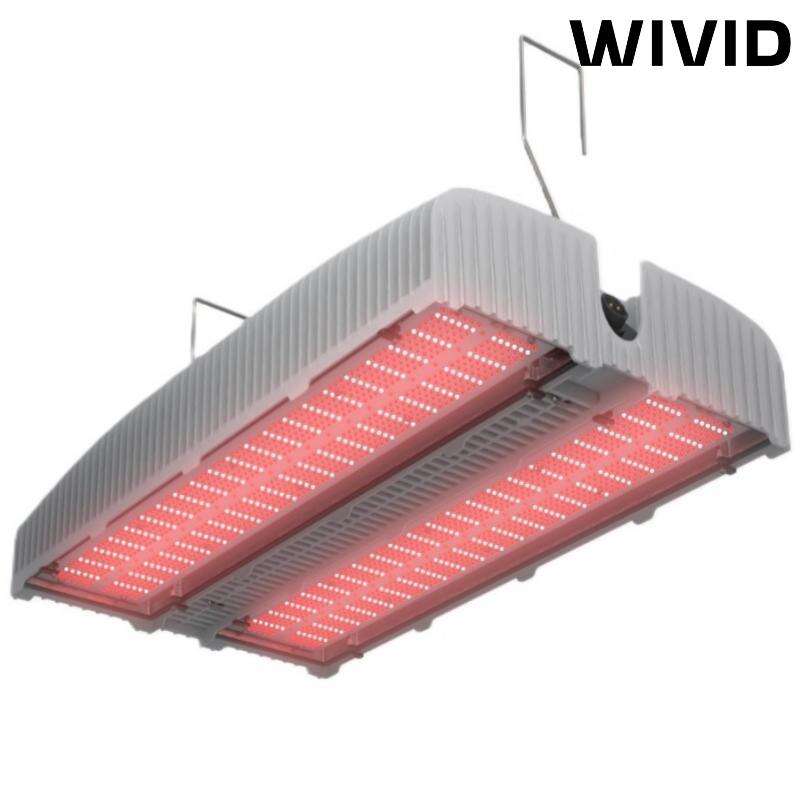
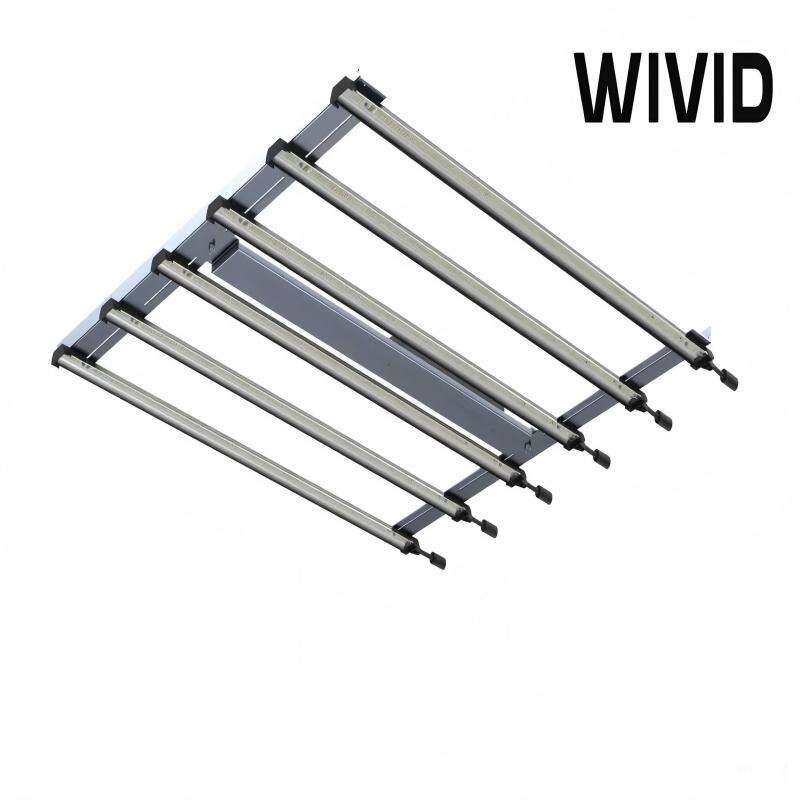
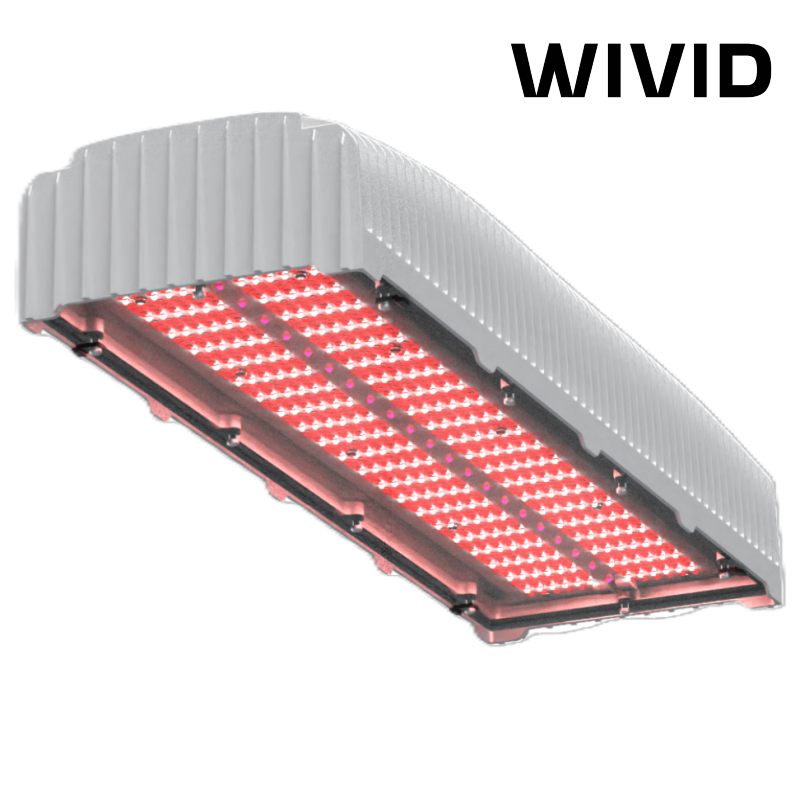
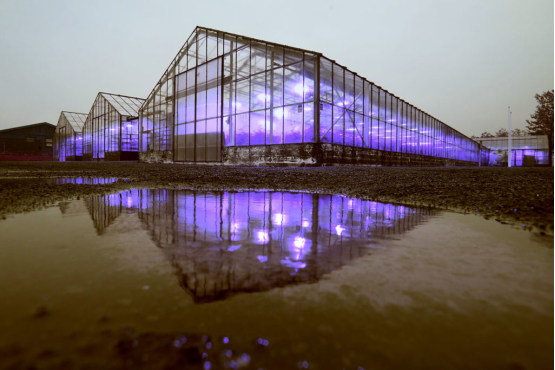
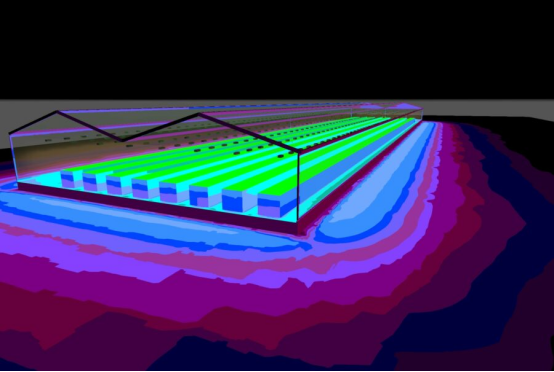
LED grow lights for tomatoes represent a revolutionary advancement in indoor and greenhouse cultivation technology, specifically engineered to optimize the growth cycle of tomato plants from seedling to harvest. These specialized lighting systems deliver precise wavelengths of light that closely mimic natural sunlight while focusing on the specific spectral ranges that tomato plants utilize most effectively during photosynthesis. Modern LED grow lights for tomatoes incorporate cutting-edge diode technology that produces targeted red, blue, and full-spectrum illumination, which directly influences vegetative growth, flowering intensity, and fruit development. The technological architecture of these systems includes heat management features such as aluminum heat sinks and passive cooling mechanisms that prevent excessive temperature buildup, ensuring optimal growing conditions without creating thermal stress for delicate tomato foliage. These lights operate with remarkable energy efficiency compared to traditional high-pressure sodium or metal halide alternatives, consuming significantly less electricity while producing superior photosynthetic photon flux density. The application scope of LED grow lights for tomatoes extends across commercial greenhouse operations, vertical farming facilities, home gardening setups, and research environments where controlled growing conditions are essential. Professional growers and hobbyist gardeners alike utilize these lighting solutions to extend growing seasons beyond natural limitations, cultivate tomatoes in regions with inadequate sunlight, and maintain consistent production schedules throughout the year. Advanced models feature programmable controllers that allow users to adjust light intensity, duration, and spectral composition according to specific growth stages, from germination through vegetative development to flowering and fruiting phases. The durability and longevity of LED grow lights for tomatoes typically exceed fifty thousand operational hours, translating to multiple growing seasons without replacement needs. Installation versatility enables these systems to function effectively in various configurations including overhead mounting, vertical arrangements, and side-lighting applications, accommodating diverse cultivation methodologies and space constraints while delivering uniform light distribution across the entire plant canopy for consistent tomato production quality.


New Product Releases

Choosing LED grow lights for tomatoes delivers substantial practical benefits that directly impact both cultivation success and operational economics. First and foremost, these specialized lighting systems dramatically reduce energy consumption, often cutting electricity costs by sixty to seventy percent compared to conventional grow lighting technologies. This energy efficiency translates into immediate financial savings that accumulate significantly over multiple growing cycles, making indoor tomato cultivation economically viable even for small-scale operations. The reduced power requirements also minimize infrastructure demands, allowing growers to operate more lights within existing electrical capacity or expand cultivation areas without costly electrical upgrades. Another compelling advantage involves the exceptional lifespan of LED grow lights for tomatoes, which typically operate reliably for five to ten years under normal usage conditions. This longevity eliminates the frequent bulb replacement cycles associated with traditional lighting, reducing both maintenance labor and recurring equipment expenses. The minimal heat emission from LED technology creates safer growing environments and reduces cooling requirements, particularly important in enclosed spaces where temperature management can become challenging and costly. Growers gain precise environmental control since LED grow lights for tomatoes generate targeted illumination without the excessive infrared radiation that causes temperature spikes and plant stress. This controlled thermal profile enables closer light positioning to plant canopies, maximizing light absorption without risking leaf burn or heat damage. The spectral customization capabilities of LED grow lights for tomatoes empower cultivators to optimize light recipes for specific tomato varieties and growth objectives, whether prioritizing faster maturation, enhanced fruit flavor, increased yield, or improved nutritional content. Plants respond to this tailored illumination with stronger root development, more robust stem structure, accelerated flowering, and improved fruit set, ultimately producing healthier tomato plants with superior harvests. The compact form factor and lightweight construction of LED grow lights for tomatoes facilitate flexible installation arrangements and easy repositioning as cultivation needs evolve. Environmental benefits also merit consideration, as LED technology contains no toxic mercury or hazardous materials requiring special disposal procedures, and the reduced energy consumption translates to a smaller carbon footprint for growing operations. The instant-on functionality of LED grow lights for tomatoes eliminates warm-up periods, providing immediate full-spectrum illumination and enabling precise timing for photoperiod management. These lighting systems operate silently without ballast hum or cooling fan noise, creating pleasant working environments for growers and suitable conditions for residential applications where noise pollution would be problematic.

Latest News

Energy Savings and Spectral Precision

14

Jan

Energy Savings and Spectral Precision

Discover how horticultural LED lighting cuts energy use by up to 50% while boosting plant growth with optimized spectra. Reduce TCO and enhance sustainability. Learn more today.
View More
Introduction to Photosynthetically Active Radiation (PAR)

14

Jan

Introduction to Photosynthetically Active Radiation (PAR)

Discover how Photosynthetically Active Radiation (PAR) boosts photosynthesis, growth, and yields. Learn to optimize LED lighting for energy efficiency and crop quality. Read more.
View More
Comprehensive Light Planning in Controlled Environment Agriculture

12

Mar

Comprehensive Light Planning in Controlled Environment Agriculture

Maximize crop yield with precise PPFD planning. Discover how 3D light simulations improve uniformity, reduce waste, and boost photosynthesis. Get your free lighting guide.
View More
The Grow Light Spectrum

15

Jan

The Grow Light Spectrum

Maximize photosynthetic efficiency and yields with science-backed grow light spectra. Discover how blue, red, and full-spectrum lighting affect plant growth. Learn more.
View More

Get a Free Quote

Our representative will contact you soon.
Email
Mobile
Country/Region
Name
Message
0/1000

led grow lights for tomatoes

Optimized Spectral Output for Enhanced Tomato Development

Optimized Spectral Output for Enhanced Tomato Development

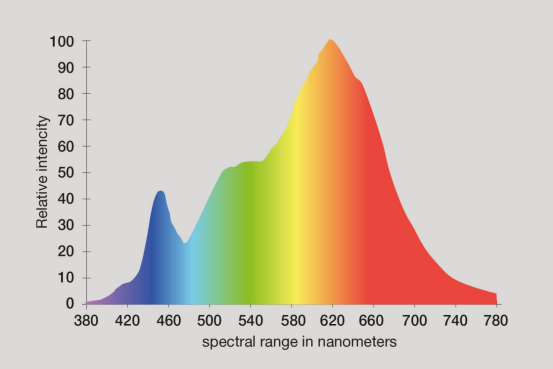
The most distinguishing characteristic of premium LED grow lights for tomatoes lies in their scientifically calibrated spectral composition that precisely targets the photoreceptors within tomato plant cells. Unlike generic lighting solutions that produce broad, unfocused wavelengths, specialized LED grow lights for tomatoes emit carefully balanced ratios of blue light in the four hundred to five hundred nanometer range, which stimulates compact vegetative growth and robust leaf development, combined with red light in the six hundred to seven hundred nanometer range that triggers flowering responses and accelerates fruit maturation. This targeted approach ensures that every photon produced contributes meaningfully to photosynthetic processes rather than wasting energy on wavelengths that plants cannot effectively utilize. Research conducted by horticultural scientists has demonstrated that tomato plants exposed to optimized LED spectra exhibit measurably improved chlorophyll production, enhanced photosynthetic efficiency rates, and accelerated metabolic processes compared to plants grown under conventional lighting. The blue wavelengths particularly influence stomatal opening patterns and regulate plant architecture, promoting the sturdy, compact growth structure ideal for supporting heavy fruit loads without excessive vine sprawl. Meanwhile, the red spectrum components directly stimulate phytochrome responses that control flowering initiation, fruit set density, and lycopene accumulation that gives tomatoes their characteristic red coloration and nutritional value. Many advanced LED grow lights for tomatoes incorporate supplementary wavelengths including far-red light that influences stem elongation and shade avoidance responses, green light that penetrates deeper into canopy layers to activate photosynthesis in shaded lower leaves, and ultraviolet frequencies that can enhance disease resistance and stimulate production of beneficial plant compounds. This comprehensive spectral approach creates lighting conditions that not only sustain basic plant survival but actively optimize every physiological process throughout the tomato growth cycle. Growers utilizing properly specified LED grow lights for tomatoes consistently report improvements in measurable outcomes including increased fruit yields per plant, earlier harvest timing, enhanced fruit size uniformity, improved flavor profiles with higher sugar content, and extended production windows that maximize return on investment for cultivation operations of any scale.
Superior Energy Efficiency with Substantial Cost Reduction

Superior Energy Efficiency with Substantial Cost Reduction

The economic advantages of implementing LED grow lights for tomatoes fundamentally transform the financial viability of indoor and supplemental lighting applications through unprecedented energy efficiency achievements. Traditional grow lighting technologies convert only a small fraction of consumed electricity into usable photosynthetic light, wasting substantial energy as heat radiation that not only fails to benefit plant growth but actively creates problems requiring additional cooling infrastructure and operational expense. By contrast, modern LED grow lights for tomatoes achieve photosynthetic photon efficacy ratings exceeding two point five micromoles per joule, meaning they convert electrical input into plant-usable light with remarkable efficiency that minimizes waste and maximizes productive output. For commercial operations running lights for sixteen hours daily throughout extended growing seasons, this efficiency differential translates into electricity savings measured in thousands of dollars annually for moderately sized installations. Home gardeners cultivating tomatoes in basement growing rooms or dedicated indoor spaces similarly benefit from reduced utility bills that make year-round fresh tomato production economically practical rather than prohibitively expensive. The cumulative energy savings compound over the extended operational lifespan of LED grow lights for tomatoes, which routinely exceed fifty thousand hours of productive use before experiencing significant light output degradation. This durability eliminates the recurring replacement costs associated with high-intensity discharge bulbs that typically require renewal every twelve to eighteen months, creating an ongoing expense cycle that substantially increases total cost of ownership. Beyond direct electricity consumption, LED grow lights for tomatoes reduce infrastructure requirements since their lower power draw enables more fixtures per circuit and eliminates the need for expensive high-amperage electrical installations. The minimal heat production similarly reduces or eliminates supplemental cooling requirements, particularly important in sealed growing environments where climate control represents a major operational expense. During cooler months, the reduced heat output may slightly increase heating costs, but annual net energy consumption remains dramatically lower than alternative lighting technologies. Return on investment calculations consistently demonstrate that despite higher initial purchase prices, LED grow lights for tomatoes achieve payback within two to three years through combined energy savings, reduced replacement costs, and improved yields, after which they continue delivering economic benefits throughout their remaining operational lifespan.
Programmable Control Features for Precision Growing Management

Programmable Control Features for Precision Growing Management

Contemporary LED grow lights for tomatoes incorporate sophisticated electronic controls and programmable features that elevate cultivation from basic illumination to precision horticultural management. These intelligent lighting systems enable growers to implement customized lighting schedules that automatically adjust intensity, spectrum, and duration according to predetermined parameters aligned with tomato plant developmental stages. During the seedling phase, growers can program LED grow lights for tomatoes to deliver moderate intensity with blue-dominant spectrum to encourage compact, stocky growth with strong root development and prevent the leggy stretching that weakens young plants. As tomatoes transition into vegetative growth, automated programming increases overall light intensity while maintaining balanced spectral output that supports rapid leaf expansion and sturdy stem development necessary for supporting future fruit production. When plants reach sufficient size and maturity, scheduled spectrum shifts toward red-dominant output trigger flowering responses and optimize fruit set, while intensity adjustments ensure adequate energy for the demanding process of fruit development. Advanced LED grow lights for tomatoes with integrated dimming capabilities allow precise intensity modulation throughout the photoperiod, simulating natural sunrise and sunset transitions that reduce plant stress associated with abrupt lighting changes. Some premium systems offer smartphone connectivity and cloud-based control interfaces that enable remote monitoring and adjustment of lighting parameters from any location, providing unprecedented flexibility for growers managing multiple cultivation sites or traveling frequently. These programmable LED grow lights for tomatoes can store multiple lighting recipes tailored for different tomato varieties, growing methodologies, or seasonal variations, allowing instant switching between protocols without manual adjustment of individual parameters. The ability to fine-tune lighting conditions based on observed plant responses empowers growers to conduct systematic optimization experiments, documenting which spectral ratios, intensity levels, and photoperiod durations produce superior results for their specific varieties and growing conditions. Data logging features available in sophisticated LED grow lights for tomatoes record operational parameters over time, creating valuable information resources for troubleshooting issues, replicating successful grows, and continuously refining cultivation techniques. This marriage of horticultural science and digital technology transforms LED grow lights for tomatoes from simple illumination devices into comprehensive growing management tools that place unprecedented control in the hands of cultivators pursuing excellence in tomato production.