Precise Spectrum Control Optimizes Plant Development at Every Growth Stage
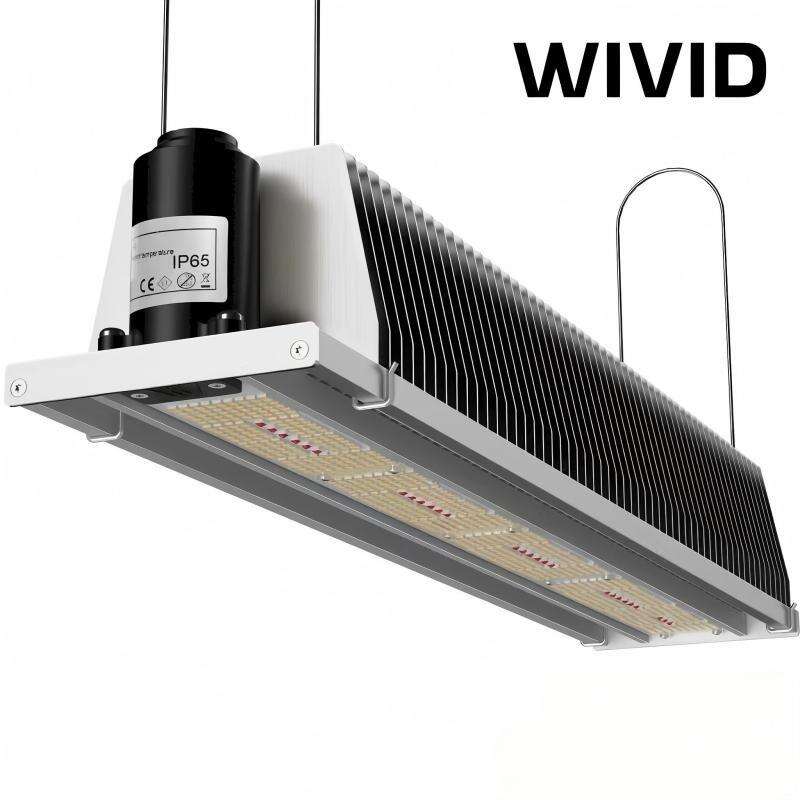
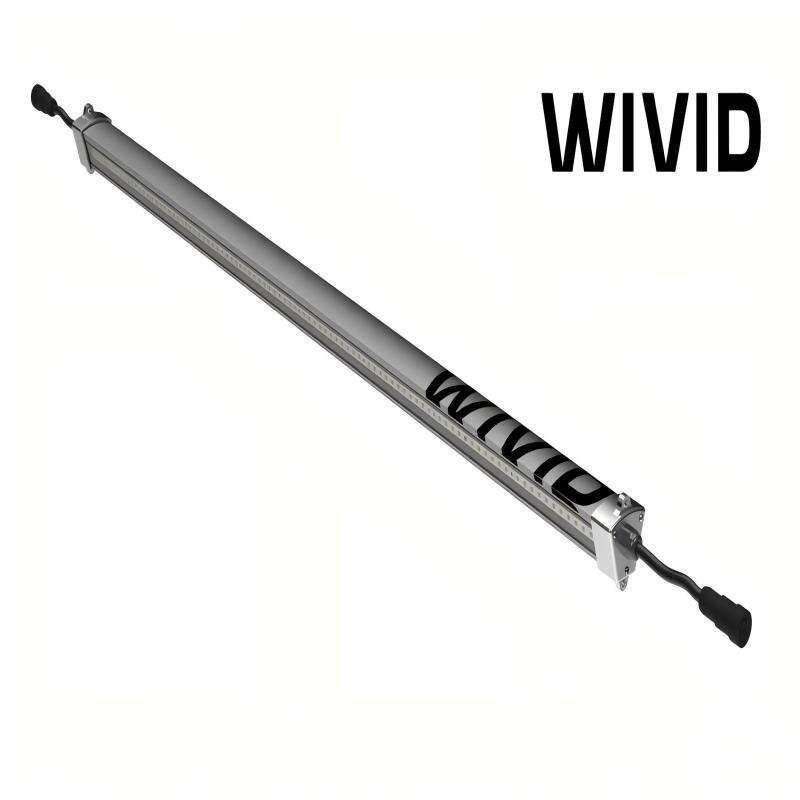
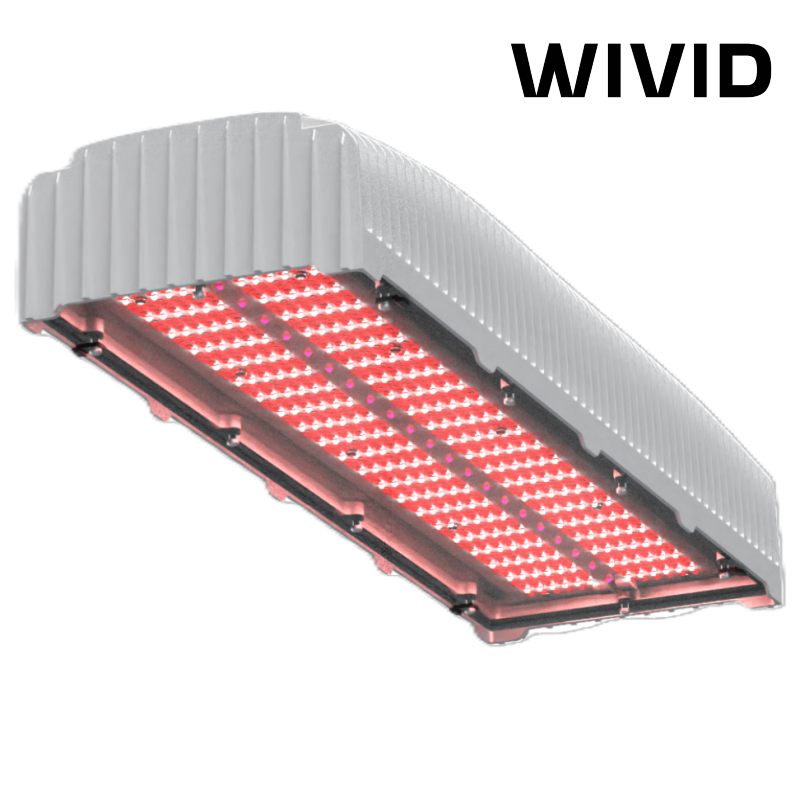
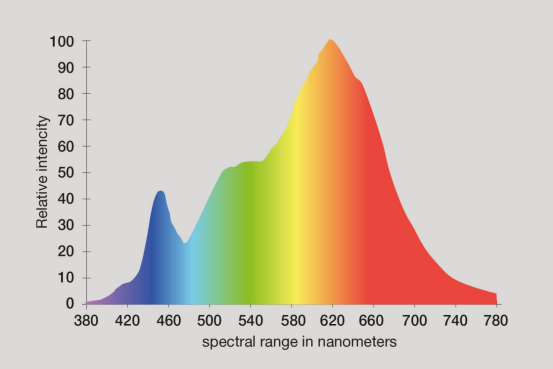
Low energy grow lights provide unprecedented control over light spectrum composition, enabling growers to fine-tune lighting conditions to match specific plant requirements throughout different developmental phases. This spectral precision represents a fundamental advantage over traditional lighting that emits fixed, broad-spectrum light regardless of what plants actually need at any given time. Modern low energy grow lights can be configured to emphasize blue wavelengths during vegetative growth to promote compact, bushy plant structure with strong stems and healthy foliage, then shift to red-dominant spectrums during flowering and fruiting stages to maximize bloom production and crop yields. This ability to customize light recipes allows growers to influence plant characteristics beyond simple growth rates, affecting factors such as leaf thickness, internode spacing, essential oil production in herbs, and even nutritional content in vegetables. Research has demonstrated that specific light wavelengths can increase concentrations of beneficial compounds like antioxidants and vitamins in edible crops, adding value beyond mere yield improvements. The targeted spectrum delivery of low energy grow lights eliminates wasted energy on wavelengths that plants cannot use effectively, such as green light which is largely reflected rather than absorbed. By focusing energy exclusively on the blue and red portions of the spectrum that drive photosynthesis most efficiently, these lights maximize the biological impact of every watt consumed. Advanced low energy grow lights often include programmable features that allow growers to create custom lighting schedules that automatically adjust spectrum and intensity throughout the day, mimicking natural sunrise and sunset transitions that can reduce plant stress and improve overall health. This level of control was previously available only in expensive research facilities but has become accessible to commercial and home growers through modern low energy grow lights. The spectrum customization capabilities also enable growers to experiment with lighting strategies to optimize results for specific plant varieties, developing proprietary growing protocols that can provide competitive advantages in commercial markets. For ornamental plant production, precise spectrum control allows growers to influence flower coloration, plant compactness, and other aesthetic qualities that affect market value. The ability to adjust light spectrums also helps growers manage plant height in space-limited environments, using blue-rich light to keep plants compact when vertical space is constrained, demonstrating how low energy grow lights provide solutions to practical growing challenges beyond simple illumination.

 EN
EN