
 EN
EN

Cucumber cultivation in controlled greenhouse environments demands precision lighting strategies that extend beyond traditional overhead illumination systems. Modern growers increasingly recognize that optimizing light penetration throughout the entire canopy structure directly influences photosynthetic efficiency, fruit quality, and overall yield performance. Strategic placement of supplemental lighting within the plant architecture addresses shadowing issues inherent in dense cucumber crops, ensuring that lower leaves maintain productive photosynthetic activity rather than becoming metabolic burdens. This comprehensive approach to greenhouse lighting management represents a fundamental shift from simple light quantity considerations to sophisticated spatial distribution techniques that maximize every photon's productive contribution to crop development and commercial performance.
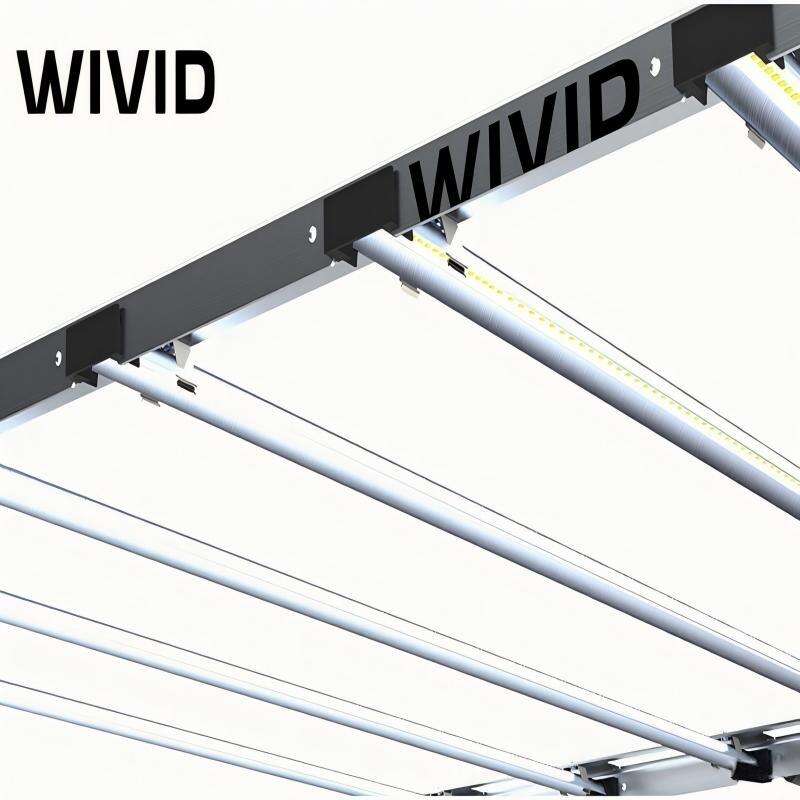
Implementing effective lighting configurations specifically tailored to cucumber growth patterns requires understanding the unique morphological characteristics of these vigorous climbing plants and their light requirements throughout various developmental stages. Cucumbers grown in high-wire systems create substantial vertical canopy structures where natural and overhead supplemental light struggle to reach mid-canopy and lower foliage zones. The strategic integration of horticulture interlight systems addresses these penetration limitations by delivering photosynthetically active radiation directly to shaded plant zones, fundamentally transforming how greenhouse operators approach light management. This article provides actionable insights into lighting placement strategies, spectrum considerations, intensity optimization, and integration techniques that enable cucumber growers to enhance crop performance through scientifically informed illumination practices designed specifically for the structural and physiological requirements of greenhouse cucumber production.
Understanding Canopy Light Distribution Challenges in Cucumber Production
Vertical Growth Architecture and Shadowing Patterns
Cucumber plants trained in high-wire greenhouse systems develop extensive vertical canopies that typically extend three to four meters from substrate level to the top wire support structure. This impressive vertical growth creates dense foliage layers where upper leaves inevitably shade mid-canopy and lower zones, reducing photosynthetically active radiation availability in these critical production areas. Research consistently demonstrates that leaves receiving less than thirty percent of full sunlight contribute minimally to net photosynthesis and may actually function as carbon sinks rather than sources. The economic implications of this shadowing phenomenon are substantial, as non-productive leaf area still requires metabolic energy investment while contributing nothing to fruit development or biomass accumulation.
Traditional overhead lighting systems, whether relying on natural sunlight alone or supplemented with high-intensity discharge lamps, face inherent geometric limitations in penetrating dense cucumber canopies. The inverse square law dictates that light intensity diminishes rapidly with distance from the source, while the dense arrangement of leaves in productive cucumber crops creates multiple absorption and reflection surfaces that further attenuate downward light transmission. Measurements in commercial operations frequently reveal that light levels at one meter below the canopy top drop to twenty to thirty percent of apex readings, with lower zones receiving even less photosynthetically useful radiation. This uneven distribution creates physiological stress gradients within individual plants, where upper portions experience potentially excessive light exposure while lower sections operate under chronic light limitation.
Photosynthetic Efficiency Across Plant Zones
The photosynthetic contribution of different canopy zones varies dramatically based on light availability, leaf age, and sink-source relationships within the plant. Upper canopy leaves, while receiving abundant light, may experience photoinhibition during peak radiation periods, reducing their photosynthetic efficiency despite high photon flux density. These top leaves also tend to be younger, with developing cell structures that have not yet reached maximum photosynthetic capacity. Middle and lower canopy zones, when adequately illuminated through horticulture interlight implementation, often demonstrate superior photosynthetic efficiency per unit of absorbed light compared to upper zones, as mature leaves in these areas possess fully developed chloroplast structures and operate within optimal light intensity ranges that avoid both limitation and inhibition.
Strategic light distribution throughout the vertical canopy structure enables more uniform photosynthetic activity across all productive leaf surfaces, fundamentally improving whole-plant carbon assimilation rates. When lower canopy zones receive sufficient photosynthetically active radiation through properly positioned supplemental lighting, these leaves transition from potential carbon sinks to active carbon sources, contributing photosynthate to fruit development rather than competing for resources. This transformation has measurable impacts on fruit set rates, development speed, and final fruit quality parameters including size uniformity, firmness, and sugar content. Commercial trials consistently demonstrate that operations implementing comprehensive canopy lighting strategies achieve twelve to eighteen percent yield improvements compared to overhead-only illumination approaches, with additional benefits in fruit grade-out percentages and harvest period extension.
Seasonal Light Deficiency Patterns
Natural light availability in greenhouse cucumber production varies dramatically across seasons and geographic locations, creating periods of significant photosynthetic limitation that directly impact crop performance and economic returns. Winter production cycles in northern latitude regions face particularly severe light deficits, with daily light integrals falling well below the eighteen to twenty-two moles per square meter per day range considered optimal for cucumber productivity. During these extended low-light periods, even upper canopy zones receive insufficient radiation for maximum photosynthetic rates, while mid and lower zones operate under extreme limitation that compromises plant health and productivity.
Supplemental lighting strategies must address both overall light quantity deficiencies and spatial distribution challenges to effectively support year-round cucumber production in light-limited environments. Overhead systems alone, while increasing total photon delivery to the greenhouse, maintain the inherent distribution inequities that leave lower canopy zones chronically under-illuminated. The integration of horticulture interlight systems positioned within the canopy structure provides targeted photon delivery to zones most affected by both seasonal light reduction and canopy shadowing, offering a more efficient use of supplemental lighting energy. This layered approach to light supplementation enables growers to maintain productive photosynthetic rates throughout the entire plant structure even during the most challenging seasonal periods, supporting consistent fruit production and quality standards regardless of natural light conditions.
Strategic Placement and Configuration of Horticulture Interlight Systems
Optimal Height Positioning Within Canopy Structure
Determining the ideal vertical placement for horticulture interlight fixtures requires careful consideration of cucumber growth patterns, canopy density development, and light penetration characteristics. Most commercial cucumber operations achieve optimal results by positioning interlight fixtures at approximately one hundred to one hundred twenty centimeters above the substrate level, corresponding to the mid-canopy zone where shadowing effects become most pronounced. This positioning strategy places supplemental light sources directly within the densest foliage region, maximizing photon capture by leaves that would otherwise operate under severe light limitation. The specific height may require adjustment based on cultivar characteristics, training systems, and seasonal growth rates, with some operations implementing adjustable mounting systems that accommodate canopy development changes throughout extended production cycles.
The relationship between interlight positioning and leaf angle orientation significantly influences light capture efficiency and photosynthetic enhancement. Cucumber leaves naturally orient themselves to optimize light interception from overhead sources, creating leaf angles that may not ideally capture lateral illumination without strategic placement consideration. Positioning horticulture interlight fixtures slightly below major leaf attachment points enables upward light distribution that better aligns with natural leaf angles and maximizes productive photon absorption. This approach also minimizes direct exposure of developing fruit to high-intensity light sources, reducing potential temperature stress or photodamage to sensitive fruit surfaces while ensuring that productive leaf tissue receives maximum supplemental radiation.
Row Spacing and Fixture Distribution Patterns
Effective horticulture interlight deployment requires careful planning of fixture distribution patterns that ensure uniform light delivery across the entire production area without creating excessive equipment density or energy waste. Standard double-row cucumber production systems typically benefit from interlight placement in the center pathway between paired rows, providing bilateral illumination that reaches plant zones from both cultivation rows. This central positioning strategy maximizes equipment efficiency by serving multiple plant rows with each fixture while maintaining manageable heat loads and installation complexity. The specific fixture spacing along row lengths depends on individual product beam angles and intensity characteristics, with most commercial installations utilizing three to four meter spacing intervals to achieve uniform horizontal light distribution.
Alternative placement strategies position interlight fixtures directly within plant rows rather than in central pathways, creating more intimate light-plant proximity that may enhance penetration in particularly dense canopy situations. This approach requires careful attention to heat management, as closer fixture-to-plant distances increase the risk of thermal stress to foliage and developing fruit. Operations utilizing within-row interlight placement typically employ fixtures with lower heat emission characteristics and more focused beam patterns that minimize wasted light projection beyond the target canopy zone. The selection between pathway-centered and within-row positioning strategies should consider specific greenhouse layout configurations, labor access requirements, and the overall integration with existing overhead lighting and climate control systems to ensure comprehensive optimization rather than isolated lighting decisions.
Integration with Overhead Lighting Systems
Successful cucumber greenhouse illumination strategies rarely rely exclusively on either overhead or interlight systems, instead implementing coordinated approaches that leverage the complementary strengths of both placement strategies. Overhead lighting, whether from natural sunlight, high-pressure sodium lamps, or LED arrays, excels at delivering broad-area photon flux that supports upper canopy photosynthesis and maintains general greenhouse light levels. The addition of horticulture interlight systems addresses the specific deficiencies that overhead sources cannot overcome due to geometric and physical constraints, creating a layered illumination architecture that optimizes light distribution throughout the entire three-dimensional crop structure.
Coordinating control strategies between overhead and interlight systems enables sophisticated light management that responds to natural light conditions, crop development stages, and energy cost variations throughout daily and seasonal cycles. Many advanced operations implement differential dimming strategies where overhead and interlight intensity ratios adjust based on natural light availability, maintaining optimal overall light distribution while minimizing supplemental lighting energy consumption. During periods of adequate natural light, overhead supplemental systems may dim significantly while interlight fixtures maintain higher relative output to specifically address persistent mid-canopy shadowing. Conversely, during severe light limitation periods, both systems operate at higher intensities to ensure adequate photon delivery across all canopy zones, with control algorithms preventing excessive total light levels that would waste energy without corresponding photosynthetic benefit.
Spectrum Selection and Intensity Optimization for Cucumber Lighting
Photosynthetic Response to Light Spectrum Characteristics
Cucumber photosynthetic machinery responds differently to various wavelengths within the photosynthetically active radiation spectrum, with distinct absorption peaks in the blue and red regions corresponding to chlorophyll absorption maxima. Traditional lighting approaches often emphasized red-heavy spectra based on peak chlorophyll absorption, but contemporary research demonstrates that balanced spectra including significant blue and green components provide superior overall plant performance. Blue wavelengths particularly influence stomatal regulation, leaf morphology, and secondary metabolite production that affect fruit quality characteristics, while green wavelengths penetrate deeper into leaf tissues and canopy structures than red or blue, contributing to photosynthesis in shaded leaf zones and lower canopy areas where horticulture interlight systems operate.
Spectrum selection for interlight applications may differ from optimal overhead lighting spectra due to the distinct photosynthetic environments and leaf characteristics in mid and lower canopy zones. Leaves in shaded positions often develop shade-adapted morphology with higher chlorophyll concentrations and altered chlorophyll a to b ratios that modify spectral absorption characteristics. Research suggests that interlight spectra with enhanced far-red components may improve light penetration through upper canopy layers and trigger photomorphogenic responses that enhance lower leaf photosynthetic efficiency. However, excessive far-red radiation can promote undesirable stem elongation and reduced fruit set, requiring careful spectrum balancing that provides penetration benefits without compromising plant architecture or reproductive development. Most commercial operations achieve strong results with broad-spectrum horticulture interlight systems that include substantial blue, green, and red components in ratios approximating natural sunlight, avoiding extreme narrow-band approaches that may create unexpected physiological responses.
Intensity Requirements and Daily Light Integral Targets
Determining appropriate light intensity levels for horticulture interlight systems requires balancing photosynthetic enhancement benefits against equipment costs, energy consumption, and potential plant stress from excessive radiation. Research establishes that cucumber leaves in mid-canopy zones benefit significantly from supplemental lighting that raises local photosynthetically active radiation levels to approximately two hundred to three hundred micromoles per square meter per second, substantially above the compensation point where photosynthetic carbon fixation equals respiratory carbon loss. This intensity range supports active photosynthesis and positive carbon balance without approaching saturation levels that would provide diminishing returns or risk photoinhibition in shade-adapted leaves.
Total daily light integral targets for commercial cucumber production typically range from eighteen to twenty-five moles per square meter per day measured at canopy height, with specific targets depending on cultivar characteristics, production goals, and economic considerations. Horticulture interlight systems contribute directly to achieving these targets in mid and lower canopy zones where natural and overhead light fail to reach adequate levels. When designing integrated lighting systems, growers should calculate expected daily light integrals for different canopy heights under various natural light scenarios, ensuring that the combination of natural, overhead supplemental, and interlight sources delivers adequate photon flux throughout the productive canopy volume. This three-dimensional approach to daily light integral planning represents a more sophisticated analysis than traditional single-point measurements at canopy top, better reflecting the actual light environment experienced by the complete plant structure.
Dynamic Light Management and Photoperiod Considerations
Advanced cucumber greenhouse operations increasingly implement dynamic lighting management strategies that adjust both intensity and photoperiod based on plant developmental stage, natural light conditions, and energy cost structures. Cucumbers demonstrate relatively neutral photoperiod responses compared to many other greenhouse crops, allowing flexible supplemental lighting duration without triggering adverse flowering or vegetative growth responses. This flexibility enables growers to extend photoperiods during severely light-limited winter periods, using both overhead and horticulture interlight systems to deliver adequate daily light integrals that support target production levels despite minimal natural light availability.
The economic optimization of supplemental lighting requires sophisticated analysis of energy costs, crop value, and photosynthetic response curves to determine cost-effective operating strategies. Many regions experience time-of-use electricity pricing with substantial rate variations between peak and off-peak periods, creating opportunities for strategic lighting schedules that maximize production benefit per unit of energy cost. Interlight systems, due to their high efficiency in delivering photons to previously non-productive leaf zones, often demonstrate superior return on investment compared to equivalent overhead lighting additions, justifying preferential operation during higher-cost periods when overall supplemental lighting must be curtailed for economic reasons. Control systems that prioritize horticulture interlight operation while modulating overhead supplemental intensity based on real-time energy pricing enable sophisticated economic optimization while maintaining minimum acceptable light levels throughout the canopy structure.
Practical Implementation Considerations and Performance Monitoring
Installation Logistics and Infrastructure Requirements
Implementing horticulture interlight systems in existing greenhouse operations requires careful planning to minimize crop disruption while ensuring proper electrical infrastructure and mounting hardware installation. Most commercial installations occur during facility construction or major renovation periods when crops are absent, allowing comprehensive infrastructure development without compromising ongoing production. However, growers increasingly pursue retrofit installations in operating houses, necessitating phased implementation strategies that progressively equip production zones while maintaining crop continuity. These retrofit approaches typically leverage scheduled crop rotations, installing interlight systems in zones during the brief window between crop removal and replanting, gradually expanding coverage across the facility over multiple rotation cycles.
Electrical infrastructure planning must account for the substantial power demands of comprehensive supplemental lighting systems, ensuring adequate service capacity, appropriate circuit protection, and proper grounding throughout the installation. Horticulture interlight systems typically operate on standard voltage ranges but may require dedicated circuits to prevent interference with other greenhouse systems and facilitate independent control. Cable management in greenhouse environments presents unique challenges due to high humidity, chemical exposure from pesticides and fertilizers, and physical contact risks from crop maintenance activities. Professional installations utilize appropriately rated cable types with environmental protection, secure mounting that maintains clearance from plant contact and irrigation systems, and accessible connection points that facilitate maintenance activities without requiring extensive crop manipulation or equipment removal.
Heat Management and Plant Proximity Considerations
While modern LED-based horticulture interlight systems generate significantly less radiant heat than legacy high-intensity discharge technologies, any supplemental lighting system produces thermal energy that requires management to prevent localized plant stress. The proximity of interlight fixtures to plant tissue creates potential for both beneficial and detrimental thermal effects, with moderate canopy warming potentially enhancing metabolic rates and photosynthetic efficiency while excessive heat causes stress, wilting, or tissue damage. Proper fixture selection considers both photon output characteristics and thermal emission profiles, with commercial cucumber applications typically favoring designs that incorporate passive or active cooling systems to maintain moderate surface temperatures even during continuous operation.
Monitoring canopy microclimate conditions in zones surrounding horticulture interlight installations provides essential feedback for optimizing placement distances and operating intensities. Temperature sensors positioned at representative locations within illuminated canopy zones enable growers to verify that supplemental lighting does not create excessive localized heating that compromises plant health or fruit quality. Many operations establish maximum temperature differential thresholds, typically three to five degrees Celsius above ambient greenhouse temperatures, that trigger automatic dimming or system shutdown if exceeded. This protective approach prevents thermal damage while maximizing productive light delivery, automatically balancing photosynthetic enhancement benefits against thermal stress risks based on real-time environmental conditions rather than conservative static intensity limits that sacrifice potential production gains.
Performance Assessment and Return on Investment Analysis
Quantifying the production impact and economic value of horticulture interlight implementation requires systematic data collection comparing illuminated zones against control areas or historical performance benchmarks. Key performance indicators for cucumber lighting assessments include total yield per square meter, fruit size distribution, harvest period duration, and fruit quality parameters such as firmness, color uniformity, and sugar content. Rigorous assessment protocols maintain comparable growing conditions between evaluation zones except for the specific lighting variable under examination, controlling for factors like irrigation scheduling, nutrient delivery, climate management, and crop maintenance practices that could confound results attribution.
Economic analysis of horticulture interlight investments must account for both capital expenditures including equipment purchase and installation costs, and ongoing operational expenses primarily consisting of electricity consumption throughout the production season. Return on investment calculations compare these total costs against incremental revenue generated from yield improvements, quality enhancements that command premium pricing, and extended production periods that increase facility utilization. Commercial cucumber operations implementing comprehensive interlight strategies typically report payback periods of two to four years depending on specific electricity costs, crop values, and baseline production efficiency. Operations in high-value markets or severely light-limited environments often achieve faster returns, while locations with abundant natural light or lower crop values may find economic justification more challenging, requiring careful analysis specific to individual operational circumstances rather than assuming universal applicability.
FAQ
What is the primary benefit of using horticulture interlight in cucumber greenhouses?
The primary benefit of implementing horticulture interlight systems in cucumber greenhouse production is dramatically improved light distribution throughout the vertical canopy structure, specifically addressing the chronic under-illumination of mid and lower plant zones that occurs with overhead-only lighting approaches. By positioning supplemental light sources directly within the canopy architecture, interlight systems deliver photosynthetically active radiation to leaf surfaces that would otherwise operate under severe light limitation, transforming potentially non-productive or carbon-sink leaves into active photosynthetic contributors. This enhanced light distribution typically results in twelve to eighteen percent yield improvements, better fruit quality parameters, and more uniform crop performance compared to conventional overhead-only supplemental lighting strategies, with particularly pronounced benefits during winter production periods when natural light levels are most severely limited.
How should horticulture interlight systems be positioned relative to the cucumber canopy?
Optimal positioning for horticulture interlight fixtures in cucumber production typically places lights at approximately one hundred to one hundred twenty centimeters above the substrate level, corresponding to the mid-canopy zone where foliage density creates the most significant shadowing effects. This height positioning ensures that supplemental light reaches the mature productive leaves in the middle plant sections while avoiding excessive proximity to young developing foliage near the growing point or sensitive developing fruit. Most commercial installations position fixtures in the central pathway between double-row planting configurations, providing bilateral illumination that serves plants from both adjacent rows, though some operations utilize within-row placement for particularly dense canopy situations. The specific positioning may require adjustment based on cultivar growth characteristics, training system details, and integration with existing overhead lighting infrastructure, with some growers implementing adjustable mounting systems that accommodate canopy development changes throughout extended production cycles.
What light intensity should horticulture interlight systems provide for cucumber crops?
Effective horticulture interlight systems for commercial cucumber production should deliver approximately two hundred to three hundred micromoles per square meter per second of photosynthetically active radiation measured at the target leaf surfaces in mid-canopy zones. This intensity range provides sufficient photon flux to support active photosynthesis and positive carbon balance in shade-adapted leaves without approaching saturation levels that would offer diminishing returns or risk photoinhibition. The specific intensity requirements may vary based on natural light conditions, overhead supplemental lighting contribution, and cultivar characteristics, with higher intensities potentially beneficial during severe winter light limitation periods and moderate intensities sufficient during seasons with stronger natural light availability. Growers should monitor actual light levels at multiple canopy heights using appropriate quantum sensors, adjusting interlight intensity and positioning to achieve target values throughout the productive canopy volume rather than relying solely on manufacturer specifications or single-point measurements that may not reflect actual plant light environments.
Can horticulture interlight systems replace overhead supplemental lighting in cucumber greenhouses?
Horticulture interlight systems should generally be viewed as complementary to rather than replacements for overhead supplemental lighting in commercial cucumber production, as each approach addresses distinct aspects of comprehensive greenhouse illumination strategies. Overhead lighting excels at providing broad-area photon delivery that supports upper canopy photosynthesis and maintains general facility light levels, while interlight systems specifically address mid and lower canopy zones that overhead sources cannot adequately illuminate due to geometric constraints and canopy shadowing effects. The most effective cucumber lighting strategies implement coordinated combinations of both overhead and interlight systems, with control algorithms that optimize the intensity ratios between placement zones based on natural light conditions, crop development stages, and energy cost considerations. Some experimental operations have explored interlight-only approaches in attempts to maximize energy efficiency, but most commercial producers find that hybrid systems combining moderate overhead supplemental lighting with strategic interlight placement deliver superior overall performance compared to either approach used exclusively.
Table of Contents
- Understanding Canopy Light Distribution Challenges in Cucumber Production
- Strategic Placement and Configuration of Horticulture Interlight Systems
- Spectrum Selection and Intensity Optimization for Cucumber Lighting
- Practical Implementation Considerations and Performance Monitoring
-
FAQ
- What is the primary benefit of using horticulture interlight in cucumber greenhouses?
- How should horticulture interlight systems be positioned relative to the cucumber canopy?
- What light intensity should horticulture interlight systems provide for cucumber crops?
- Can horticulture interlight systems replace overhead supplemental lighting in cucumber greenhouses?