
 EN
EN
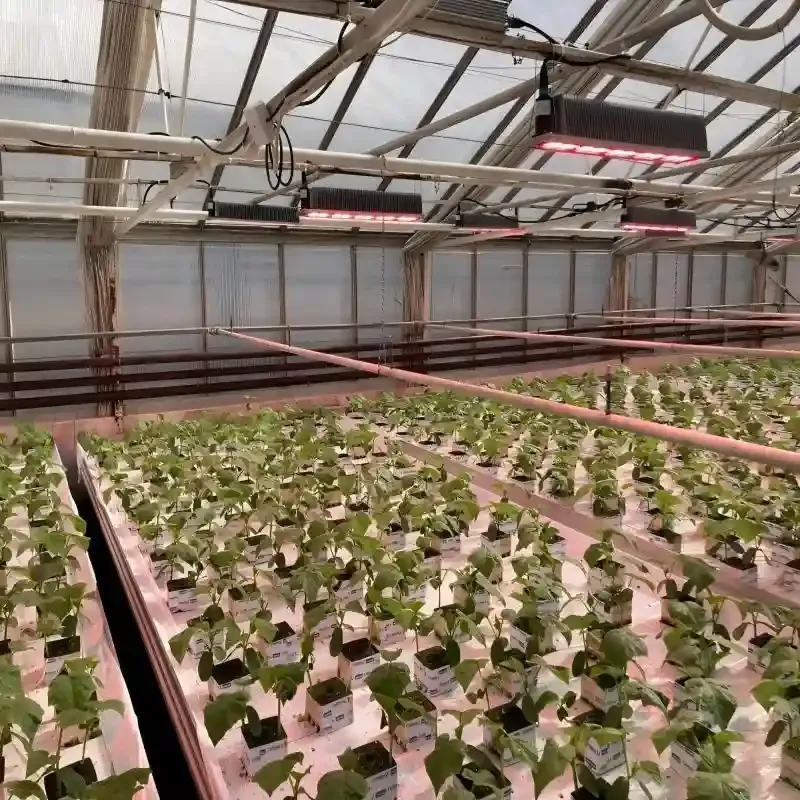
The journey of horticulture led lighting represents one of the most significant technological shifts in modern agriculture. Over the past two decades, horticulture led lighting has evolved from a niche laboratory experiment into the backbone of commercial indoor farming operations worldwide. This transformation wasn't simply about making lights brighter or cheaper; it fundamentally changed how growers think about crop production, energy efficiency, and year-round cultivation. Understanding this evolution helps farmers, distributors, and facility managers make informed decisions about their lighting infrastructure today.
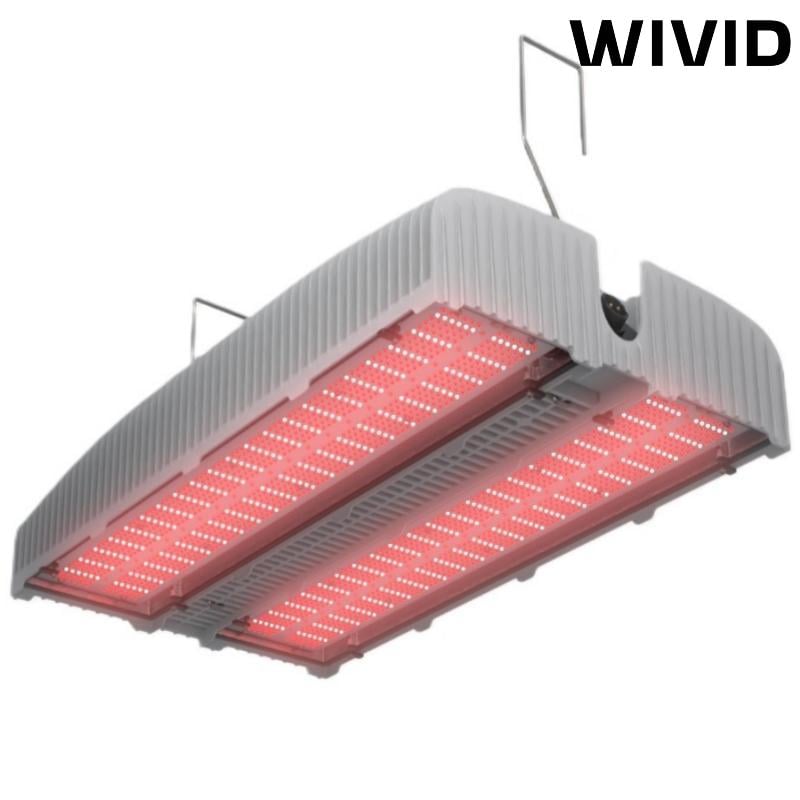
Modern horticulture led lighting systems deliver precision wavelengths, optimized spectral distributions, and unprecedented energy savings compared to traditional high-intensity discharge lamps. The shift toward horticulture led lighting reflects broader industry recognition that controlled environment agriculture demands solutions tailored to plant biology rather than generic industrial lighting. This article explores how horticulture led lighting has developed, why the transition matters for your operation, and what characteristics define next-generation growing systems.
From Traditional Fixtures to Intelligent Systems
The Early Days of Horticultural Lighting Technology
Before horticulture led lighting dominated the market, growers relied exclusively on high-pressure sodium and metal halide bulbs. These conventional fixtures generated excessive heat, consumed enormous amounts of electricity, and produced fixed spectral outputs that didn't perfectly match plant absorption patterns. The infrastructure required for traditional systems included expensive cooling systems, massive electrical panels, and regular bulb replacements. Growers accepted these limitations as inevitable costs of indoor production. However, early research demonstrating that horticulture led lighting could produce equivalent or superior plant growth sparked investment in alternative technologies.
The Transition Period and Market Adoption
The horticulture led lighting transition accelerated as LED technology matured during the 2010s. Initial skepticism faded when commercial growers published yield data proving that horticulture led lighting systems produced healthier plants while reducing electrical consumption by forty to sixty percent. Horticulture led lighting installations began appearing in vertically integrated farms, research facilities, and eventually mainstream greenhouse operations. The cost premium for horticulture led lighting equipment decreased steadily as manufacturing scaled, making the technology financially accessible to mid-size and smaller producers. This democratization phase transformed horticulture led lighting from a luxury investment into a mainstream standard.
Technical Advantages That Define Modern Horticulture LED Lighting
Energy Efficiency and Operational Cost Reduction
The most immediate benefit of horticulture led lighting is dramatic energy reduction compared to legacy systems. Horticulture led lighting converts forty to fifty percent of input electrical energy directly into photosynthetically active radiation, while traditional fixtures waste enormous energy as infrared heat. A commercial greenhouse switching from high-pressure sodium to horticulture led lighting typically reduces annual electricity costs by thirty to forty percent. This efficiency advantage compounds across multi-year growing cycles, often recovering the equipment investment within three to five years. Beyond direct electricity savings, horticulture led lighting eliminates cooling infrastructure expenses, further improving the economic profile of switching to LED technology.
Precision Spectral Control and Plant Optimization
Horticulture led lighting enables growers to customize light wavelengths for specific crop requirements at different growth stages. Red and blue spectrum combinations drive photosynthesis more efficiently than the broad spectral output of traditional fixtures. Advanced horticulture led lighting systems allow growers to adjust spectral composition, intensity, and photoperiod independently, optimizing plant morphology and nutrient content. Crops grown under tailored horticulture led lighting often demonstrate improved aesthetic qualities, faster growth rates, and higher nutritional density compared to plants developed under conventional lighting. This spectral precision capability distinguishes modern horticulture led lighting from generic industrial LED products.
Current Applications and Market Evolution
Vertical Farming and Controlled Environment Agriculture
Vertical farming operations depend almost exclusively on horticulture led lighting to function economically. Without horticulture led lighting's low heat output and high efficiency, stacking growing layers vertically would create unmanageable heat accumulation and prohibitive energy costs. Horticulture led lighting enables urban farms to produce lettuce, herbs, and leafy greens year-round in warehouse environments. The consistency and reliability of horticulture led lighting make it particularly valuable for operations pursuing quality certifications or serving premium market segments. As urbanization continues, horticulture led lighting infrastructure supports the geographic decentralization of food production.
Commercial Greenhouse Integration
Traditional greenhouse operations increasingly adopt horticulture led lighting as supplemental or primary lighting systems. Horticulture led lighting extends growing seasons in temperate climates where natural daylight proves insufficient during winter months. Growers use horticulture led lighting to provide consistent growth conditions regardless of outdoor weather patterns or seasonal variation. The combination of durable design, low maintenance requirements, and remote control capabilities makes horticulture led lighting attractive for large-scale commercial implementations. Horticulture led lighting systems now support specialty crop production, seedling propagation, and trial cultivation in environments where traditional fixtures would be impractical.
Strategic Considerations for Implementing Horticulture LED Lighting
Evaluating System Design and Installation Requirements
Selecting appropriate horticulture led lighting requires understanding your specific crop requirements, facility dimensions, and production timeline. Horticulture led lighting intensity levels must match plant light saturation points; excessive horticulture led lighting wastes energy, while insufficient intensity compromises yields. Professional evaluation of your facility helps determine optimal horticulture led lighting positioning, coverage patterns, and supplemental placement. A horticulture led lighting solution should provide uniform intensity distribution across your growing area while maintaining realistic operating temperatures. Consider the horticulture led lighting system's expected lifespan, warranty coverage, and availability of replacement components before finalizing your investment.
Financial Planning and Return on Investment
Horticulture led lighting requires substantial upfront capital investment, but the operational cost savings typically justify the expense within a reasonable timeframe. Calculating your horticulture led lighting ROI requires detailed analysis of current electricity costs, facility operating hours, and baseline yields under existing lighting systems. Many regions offer energy efficiency rebates or tax incentives for horticulture led lighting upgrades, reducing net investment costs significantly. Horticulture led lighting systems often qualify for agricultural equipment financing programs with favorable terms. Document your energy consumption before and after horticulture led lighting installation to quantify savings and validate financial projections.
FAQ
What makes horticulture LED lighting superior to traditional greenhouse bulbs?
Horticulture led lighting consumes significantly less electricity while producing superior plant growth outcomes. Traditional high-pressure sodium and metal halide fixtures generate excessive heat, require expensive cooling infrastructure, and waste energy through infrared radiation. Horticulture led lighting delivers precisely tuned spectral outputs matching plant absorption peaks, operates at cooler temperatures, and maintains consistent performance throughout the fixture's lifespan. The combination of energy efficiency, customizable spectrum, and reduced maintenance makes horticulture led lighting the preferred standard for commercial and research growing operations.
Can horticulture LED lighting work in existing greenhouse structures?
Most existing greenhouses can incorporate horticulture led lighting systems through supplemental or retrofit installations. Horticulture led lighting generates minimal heat, eliminating the need for extensive cooling modifications required by traditional fixtures. Growers can install horticulture led lighting alongside existing infrastructure, gradually transitioning to full LED coverage as budget permits. The low weight and compact design of modern horticulture led lighting fixtures simplifies installation in older structures where traditional lighting systems would strain electrical and structural capacity. Consulting with an experienced horticultural systems provider ensures your horticulture led lighting retrofit matches your facility's capabilities and production goals.
How long do horticulture LED lighting systems typically last?
Quality horticulture led lighting systems maintain fifty to seventy thousand operating hours before reaching fifty percent brightness reduction, translating to five to ten years of continuous operation depending on usage patterns. Horticulture led lighting offers substantially longer operating life than traditional fixtures requiring bulb replacements every twelve to eighteen months. The extended service life of horticulture led lighting reduces maintenance labor costs and production disruptions from equipment downtime. Environmental factors including temperature stability and proper electrical installation influence actual horticulture led lighting longevity; controlling facility climate extends fixture performance and reliability significantly.