
 EN
EN
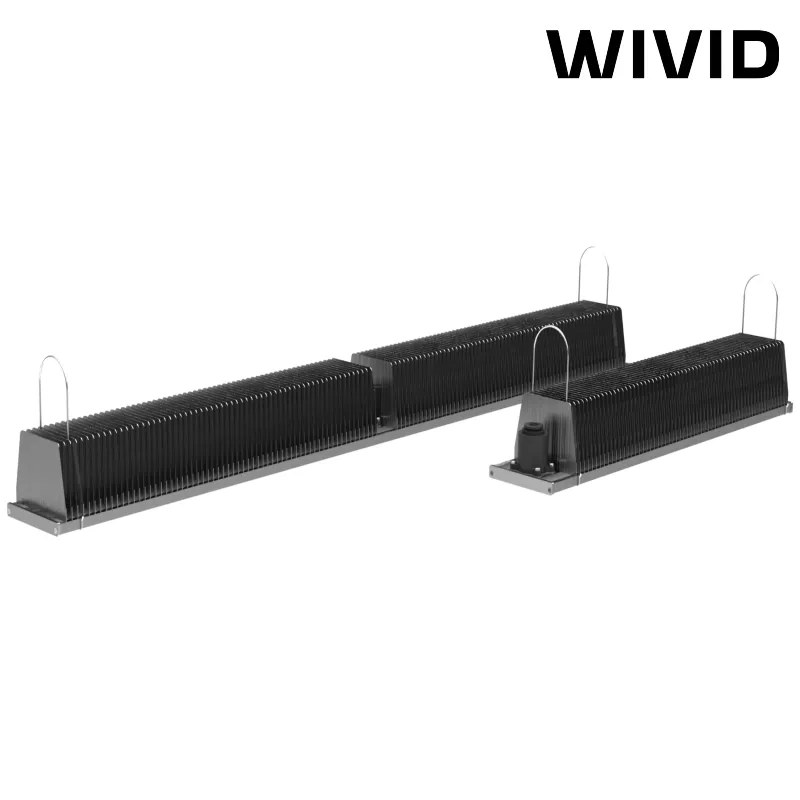
Controlled environment agriculture (CEA) stands at the threshold of a technological revolution, where energy-saving horticulture systems are reshaping how growers optimize crop production while dramatically reducing operational costs. The integration of intelligent lighting control represents one of the most significant advances in modern cultivation, enabling facilities to deliver precise light spectrums at optimal times while consuming substantially less energy than traditional methods. As energy costs continue to rise and sustainability becomes non-negotiable for commercial operations, energy-saving horticulture systems are no longer optional—they have become essential infrastructure for competitive growers.
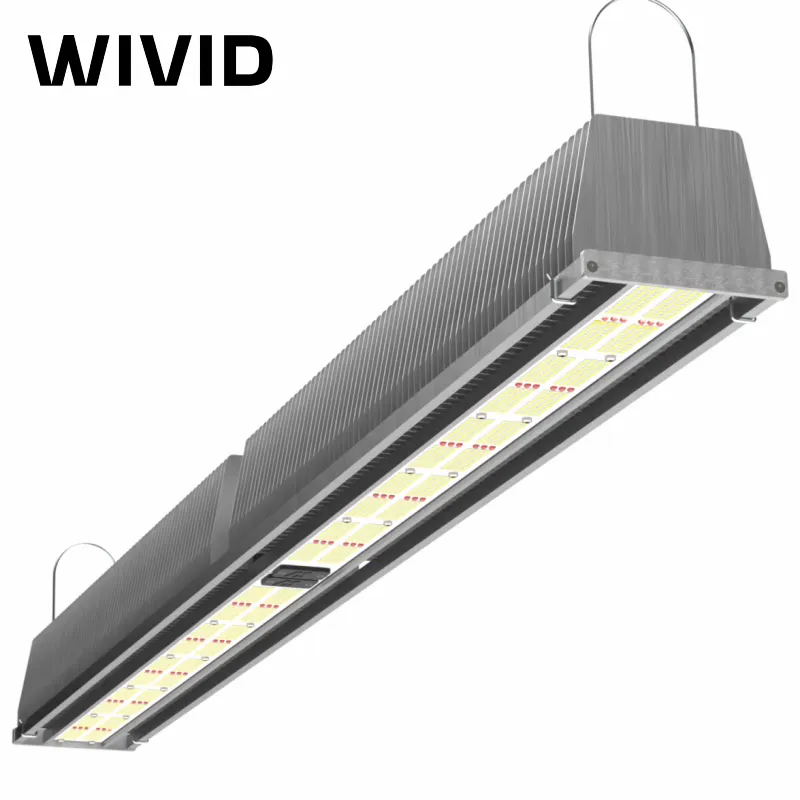
The future trajectory of energy-saving horticulture systems reveals a profound shift in how CEA facilities approach resource management. Modern intelligent lighting control systems leverage real-time data analytics, machine learning algorithms, and wireless automation to create dynamic growing environments that respond to plant physiology, weather patterns, and market demand. These advanced energy-saving horticulture systems represent a convergence of horticultural science, electrical engineering, and software development—creating opportunities for growers to maximize yields while minimizing their carbon footprint and operational burden.
The Evolution of Intelligent Lighting Control in Modern Agriculture
From Static Systems to Adaptive Intelligence
Traditional greenhouse lighting relied on fixed photoperiods and static intensity levels, wasting considerable energy on unnecessary illumination. Energy-saving horticulture systems have revolutionized this approach by introducing adaptive lighting strategies that respond to ambient light, plant growth stage, and seasonal variation. Modern intelligent lighting control integrates spectral sensing technology with automated dimming capabilities, allowing facilities to supplement only when natural light proves insufficient and adjust color spectrums to match specific crop requirements. This intelligent approach has reduced lighting energy consumption by 30-50% across commercial CEA operations while simultaneously improving crop quality and consistency.
Wireless Integration and Real-Time Monitoring
Contemporary energy-saving horticulture systems employ wireless protocols that eliminate traditional hardwired infrastructure limitations. Intelligent lighting control systems now communicate through secure mesh networks, enabling operators to monitor and adjust parameters from mobile devices or centralized dashboards. These wireless capabilities allow growers to implement zone-based lighting strategies across large facilities, where energy-saving horticulture systems deliver customized light recipes to different crop sections simultaneously. Real-time performance analytics provide instant visibility into energy consumption patterns, helping facilities identify optimization opportunities and predict maintenance requirements before failures occur.
Key Technologies Driving Energy Efficiency in Intelligent Lighting Control
LED Spectrum Optimization and Photosynthetic Efficiency
The shift from high-pressure sodium (HPS) lighting to programmable LED systems fundamentally transformed energy-saving horticulture systems. Contemporary intelligent lighting control employs tunable LED arrays that produce specific wavelength combinations tailored to crop photobiology—red and blue spectrums for vegetative growth, broader spectrums for flowering phases. Energy-saving horticulture systems optimize photosynthetic efficiency by delivering only the wavelengths plants actively utilize, eliminating wasted energy across infrared and unnecessary visible spectrums. This spectral precision reduces energy consumption per gram of dry biomass by 20-40% compared to conventional broad-spectrum lighting approaches.
Automated Scheduling and Environmental Responsiveness
Intelligent lighting control systems now incorporate environmental sensors that detect ambient light, humidity, temperature, and CO₂ levels, allowing energy-saving horticulture systems to make real-time adjustments. Cloud-based algorithms analyze these sensor streams alongside crop growth models and facility-specific performance history, generating optimal lighting schedules that balance energy conservation with yield maximization. Advanced energy-saving horticulture systems can predict when natural photoperiod changes will occur and preemptively adjust supplemental lighting intensity, avoiding energy spikes during seasonal transitions. This predictive capability has proven invaluable for multi-crop facilities where different sections require individualized lighting strategies.
Business and Operational Impact of Modern Energy-Saving Horticulture Systems
Return on Investment and Operational Savings
Energy-saving horticulture systems deliver compelling financial returns through multiple mechanisms. Lighting typically accounts for 40-60% of total energy expenditure in indoor farms, making intelligent lighting control the highest-impact efficiency lever available. Facilities implementing modern energy-saving horticulture systems report 35-50% reductions in total lighting energy consumption, translating to hundreds of thousands of dollars in annual operational savings for large-scale commercial operations. When combined with improved crop yields resulting from optimized light spectrums and timing, total return on investment for energy-saving horticulture systems commonly occurs within 2-3 years, with substantial savings continuing indefinitely throughout equipment life.
Sustainability Credentials and Market Positioning
Modern consumers and institutional buyers increasingly prioritize sustainable agriculture, creating competitive advantages for facilities utilizing energy-saving horticulture systems. Intelligent lighting control enables growers to quantify and communicate their environmental impact through verifiable energy consumption metrics and carbon footprint reductions. Operations implementing advanced energy-saving horticulture systems can pursue sustainability certifications and appeal to procurement programs requiring renewable energy usage or carbon-neutral production claims. This market differentiation extends beyond premium pricing—many institutional and retail buyers now mandate sustainability criteria that energy-saving horticulture systems uniquely enable, effectively creating preferential market access for compliant producers.
FAQ
How much energy can energy-saving horticulture systems actually save compared to conventional lighting?
Modern energy-saving horticulture systems typically reduce lighting energy consumption by 35-50% compared to traditional high-pressure sodium systems. This reduction comes from three primary mechanisms: LED efficiency improvements (25-30% more photons per watt), spectral optimization (eliminating wasted infrared and unnecessary wavelengths), and intelligent scheduling (dimming during adequate natural light and optimizing on/off cycles). Large commercial facilities operating multiple growing zones have achieved cumulative savings exceeding 50% when combining energy-saving horticulture systems with complementary efficiency measures like thermal screens and optimized ventilation. Actual results vary based on facility design, crop type, local climate, and baseline equipment age, but conservative estimates place annual energy cost reductions at 30-40% for most installations.
What makes intelligent lighting control different from basic automated systems?
Intelligent lighting control systems incorporate real-time environmental sensing, machine learning algorithms, and adaptive response mechanisms that distinguish them from traditional timer-based automation. Basic automated systems operate on preset schedules without responding to changing conditions, while intelligent lighting control continuously analyzes data from light sensors, growth cameras, and environmental monitors to dynamically adjust output. Energy-saving horticulture systems with true intelligence can optimize for multiple competing objectives simultaneously—maximizing photosynthesis while minimizing energy consumption, accommodating seasonal light variation, and preventing energy spikes during peak demand periods. This sophisticated decision-making capability enables energy-saving horticulture systems to achieve efficiency gains impossible through manual adjustment or simple scheduling alone.
Are energy-saving horticulture systems suitable for small to mid-sized operations?
Energy-saving horticulture systems have become increasingly accessible across all operation sizes due to declining LED and sensor costs, modular control architectures, and cloud-based software platforms. Smaller facilities benefit from simplified deployment—wireless protocols eliminate expensive infrastructure rewiring, and cloud-hosted energy-saving horticulture systems require minimal on-site technical expertise. Mid-sized operations gain particular value from energy-saving horticulture systems because their facility size justifies automation investment while remaining manageable within typical operational budgets. Even operations with 5,000-10,000 square feet of growing space report positive returns on energy-saving horticulture systems within 2-3 years, with ongoing savings supporting reinvestment in additional cultivation capacity or complementary efficiency technologies.