
 EN
EN
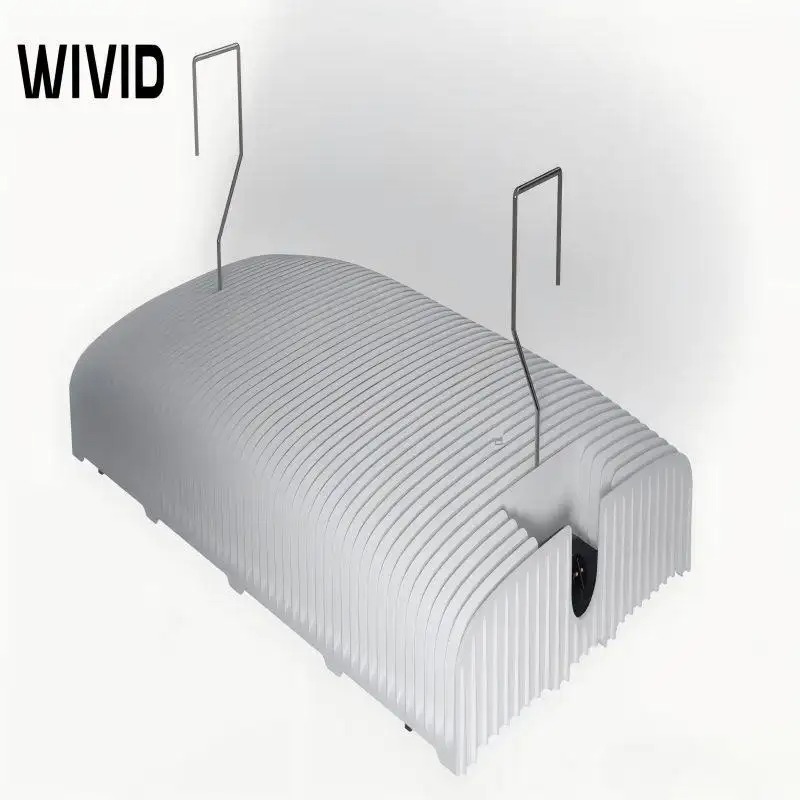
Modern horticultural operations demand precision, efficiency, and scalability. Energy-saving horticulture systems have become essential for growers seeking to maximize crop yields while minimizing operational expenses. Real-time monitoring technologies now enable growers to track environmental conditions, light intensity, spectrum distribution, and energy consumption with unprecedented accuracy. This data-driven approach transforms lighting management from static schedules into dynamic, responsive strategies that align perfectly with plant physiology and growth stages.
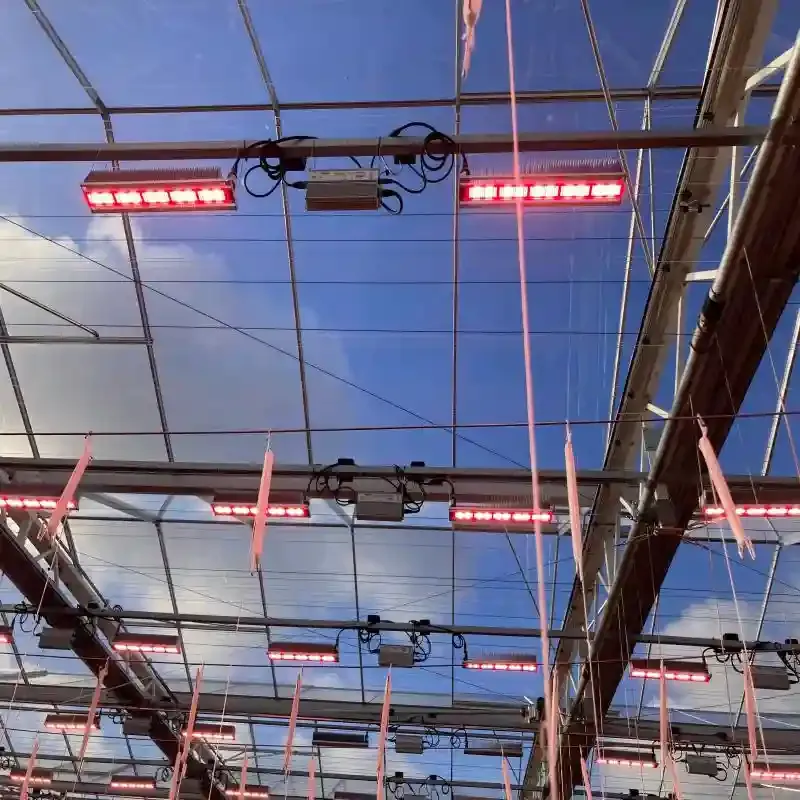
Energy-saving horticulture systems equipped with real-time monitoring create a feedback loop that continuously improves lighting performance. Sensors measure photosynthetically active radiation, photoperiod duration, and spectral composition throughout each growing cycle. This intelligence allows growers to adjust light output, duration, and wavelength mix in response to actual plant development rather than predetermined settings. The result is optimized photosynthesis, accelerated growth cycles, and substantial reductions in electricity consumption compared to conventional static lighting approaches.
Understanding Real-Time Monitoring in Horticultural Lighting
How Energy-Saving Horticulture Systems Capture Growth Data
Energy-saving horticulture systems rely on sensor networks to collect continuous environmental data. These sensors measure light intensity at different plant canopy heights, ambient temperature, humidity levels, and CO₂ concentrations. Real-time data collection enables operators to identify optimal light delivery zones and detect anomalies before they impact crop performance. Integration with central control platforms allows remote monitoring and adjustment, reducing manual labor while ensuring consistent conditions across large-scale operations.
The Role of Spectrum Management in Efficiency
Advanced energy-saving horticulture systems incorporate spectral sensors that measure the exact light wavelengths reaching plants. Different growth stages require different spectral compositions; seedlings benefit from blue-enhanced light, while flowering stages respond better to red-dominant spectra. Real-time monitoring systems automatically adjust LED spectrum output to match plant developmental phases, eliminating wasted energy on unnecessary wavelengths. This targeted spectral delivery reduces power consumption by 15–30% compared to broad-spectrum fixtures running continuously at full intensity.
Implementation of Real-Time Monitoring for Energy Efficiency
Integration with Wireless Control Technology
Wireless connectivity transforms energy-saving horticulture systems from isolated fixtures into interconnected intelligent networks. Real-time monitoring data flows seamlessly to cloud-based dashboards, enabling growers to view environmental conditions and lighting performance from anywhere. Energy-saving horticulture systems with wireless capabilities simplify installation in existing structures, reduce maintenance costs, and allow rapid reconfiguration when switching between crop types. Wireless platforms also facilitate predictive analytics, where historical data informs automated adjustments that anticipate plant needs before manual intervention becomes necessary.
Automated Response Protocols
Energy-saving horticulture systems equipped with real-time monitoring enable automation rules that respond instantly to environmental changes. When external light increases, indoor fixtures automatically dim, conserving energy while maintaining optimal total light availability. When temperature sensors detect excessive heat from lighting, the system reduces intensity or shifts operational windows to cooler periods. These automated responses eliminate human error, ensure consistency across multiple growing zones, and guarantee that energy-saving horticulture systems operate at peak efficiency throughout each day and growing cycle without constant operator attention.
Measurable Benefits of Real-Time Monitoring in Horticultural Operations
Quantifiable Energy Reduction and ROI
Growers implementing energy-saving horticulture systems with real-time monitoring report energy consumption reductions ranging from 20–40% compared to operations using fixed-schedule lighting. These reductions translate directly to lower electricity bills, faster payback periods, and improved profit margins per harvest cycle. Real-time data visibility allows growers to identify underperforming fixtures, optimize photoperiod duration for specific crops, and eliminate unnecessary light exposure during non-productive hours. When energy-saving horticulture systems reduce power consumption while maintaining or increasing yields, the financial case becomes compelling, particularly in regions with high electricity costs or strict sustainability requirements.
Improved Crop Quality and Yield Consistency
Energy-saving horticulture systems driven by continuous environmental feedback produce crops with superior consistency. Real-time monitoring ensures every plant receives optimal light intensity, spectrum, and duration matched to its development stage. Growers observe tighter plant uniformity, reduced crop variability, fewer off-grade plants, and faster time to harvest maturity. Consistent conditions enable reliable forecasting and planning, which improves inventory management and customer satisfaction. Energy-saving horticulture systems that combine efficiency with quality assurance become competitive advantages in premium markets where consumers demand both sustainability and product excellence.
Simplified Compliance and Sustainability Reporting
Real-time monitoring generates comprehensive energy consumption records that simplify regulatory compliance and sustainability reporting. Energy-saving horticulture systems automatically log power usage, operational hours, and environmental conditions, creating auditable documentation without manual data collection. Many operations now pursue sustainability certifications, carbon footprint reduction targets, or renewable energy integration goals. Real-time monitoring systems provide transparent evidence of energy efficiency improvements, supporting applications for environmental incentives, grants, and favorable regulatory treatment. This documentation also strengthens marketing claims about sustainable practices, appealing to environmentally conscious consumers and corporate buyers.
FAQ
What specific sensors do energy-saving horticulture systems need for effective real-time monitoring?
Energy-saving horticulture systems require several key sensors: photometers or light sensors measuring PAR (photosynthetically active radiation), spectral sensors identifying light wavelength composition, temperature and humidity sensors for microclimate conditions, and optional CO₂ sensors for advanced optimization. These sensors feed data continuously to monitoring platforms, enabling the system to adjust lighting based on actual plant response and environmental conditions rather than static programming. The specific sensor configuration depends on crop type, greenhouse size, and budget, but comprehensive energy-saving horticulture systems typically integrate all four sensor categories for maximum intelligence and efficiency.
How quickly can energy-saving horticulture systems reduce electricity costs after implementation?
Most growers see measurable electricity reductions within the first growing cycle after installing energy-saving horticulture systems with real-time monitoring. Power consumption typically drops 20–40% immediately due to optimized photoperiods and spectrum management. Payback periods typically range from one to three years depending on initial investment, electricity rates in your region, and the baseline efficiency of previously installed lighting systems. Larger operations with multiple growing zones and higher baseline electricity consumption often achieve faster ROI because energy-saving horticulture systems deliver greater absolute cost savings. Long-term operational cost reductions continue indefinitely after the initial investment is recovered.
Can energy-saving horticulture systems work with existing lighting infrastructure?
Many energy-saving horticulture systems integrate with existing LED fixtures and HPS systems through wireless sensors and external control modules, though replacement with smart-enabled fixtures provides superior performance. Wireless versions of energy-saving horticulture systems avoid expensive rewiring and can be deployed in legacy greenhouses without structural modifications. However, older lighting technologies like high-pressure sodium lamps cannot be dynamically controlled like modern LEDs, limiting the efficiency gains from energy-saving horticulture systems in older facilities. For maximum benefit, newer installations or retrofit projects should prioritize smart-enabled LED fixtures specifically designed to work with real-time monitoring platforms that enable the full spectrum of energy-saving horticulture systems capabilities.