
 EN
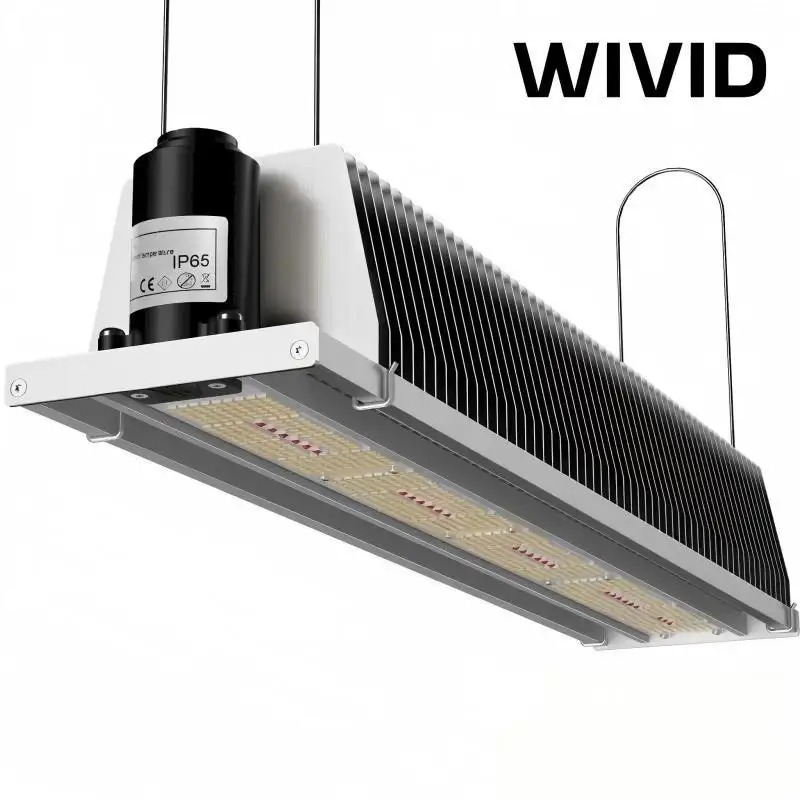
The greenhouse industry is experiencing a fundamental transformation driven by advances in supplemental lighting for greenhouses. Modern growers recognize that natural sunlight alone often cannot meet the demanding photosynthetic requirements of high-yield horticultural operations. Supplemental lighting for greenhouses has evolved from a niche technology into an essential component of competitive production strategies, enabling year-round cultivation, extended growing seasons, and optimized crop quality across diverse climate zones.

Energy efficiency and precision control represent the core drivers shaping the future of supplemental lighting for greenhouses. LED technology has fundamentally disrupted traditional sodium vapor and fluorescent systems by delivering superior spectral quality, reduced operational costs, and dramatically lower heat output. Forward-thinking growers are adopting intelligent lighting solutions that integrate sensor data, climate control systems, and environmental monitoring to maximize photosynthetic efficiency while minimizing waste. This convergence of horticultural science and smart technology is redefining what growers expect from their supplemental lighting for greenhouses infrastructure.
Spectral Customization and Plant Response Optimization
Dynamic Spectrum Technology for Enhanced Growth
Future systems delivering supplemental lighting for greenhouses will increasingly feature tunable spectral outputs tailored to specific growth stages and crop varieties. Research demonstrates that different wavelengths trigger distinct physiological responses in plants, affecting stem elongation, flowering timing, and nutrient uptake. Advanced supplemental lighting for greenhouses installations now incorporate red, blue, green, and far-red LEDs that operators can adjust in real time based on seasonal conditions and target outcomes. This precision-level control represents a significant departure from static spectral profiles, positioning dynamic spectrum management as a critical competitive advantage for commercial growers seeking maximum yield and crop quality.
Spectrum Integration with Natural Light Cycles
Emerging research on circadian rhythm management in plants has prompted manufacturers of supplemental lighting for greenhouses equipment to design systems that complement rather than merely supplement natural daylight. By intelligently layering supplemental lighting for greenhouses with existing solar radiation, growers can create optimized light environments that maintain plant photoperiodism while extending productive hours. Smart controllers increasingly use weather forecasting algorithms to adjust supplemental intensity based on predicted cloud cover and seasonal light availability, ensuring consistent daily light integral delivery. This adaptive approach to supplemental lighting for greenhouses deployment represents a fundamental shift from passive lighting to active horticultural intelligence systems.
Energy Management and Operational Sustainability
Efficiency Metrics Driving ROI Performance
The economic case for modern supplemental lighting for greenhouses solutions hinges increasingly on energy consumption metrics and long-term operational savings. LED systems delivering supplemental lighting for greenhouses now achieve efficacy ratings exceeding 3 micromoles per joule, representing a 300 percent improvement over legacy HPS technology. Growers evaluating supplemental lighting for greenhouses investments increasingly calculate total cost of ownership including electricity consumption, fixture replacement intervals, cooling load reduction, and labor requirements for system maintenance. Forward projections indicate that energy costs will remain a primary driver of technology adoption decisions, making efficiency a non-negotiable selection criterion for supplemental lighting for greenhouses infrastructure expansion.
Thermal Management and Crop Environment Control
Reduced heat output from modern supplemental lighting for greenhouses systems has created unexpected operational benefits that extend beyond energy savings. Traditional high-pressure sodium systems generate substantial thermal output requiring significant cooling infrastructure investment, whereas LED-based supplemental lighting for greenhouses solutions minimize waste heat and reduce air conditioning demands. This thermal profile improvement allows growers to maintain tighter temperature control windows essential for specialty crops while reducing HVAC strain during peak growing seasons. Facilities utilizing advanced supplemental lighting for greenhouses technology report more stable microclimate conditions, reduced condensation issues, and improved disease management outcomes, demonstrating how lighting technology intersects with broader environmental controls.
Integration with Controlled Environment Agriculture Systems
IoT Connectivity and Data-Driven Operations
The convergence of supplemental lighting for greenhouses systems with broader controlled environment agriculture platforms represents perhaps the most significant operational trend emerging today. Modern supplemental lighting for greenhouses installations function as data collection nodes within integrated growing systems, communicating real-time performance metrics to centralized management software. This connectivity enables growers to correlate lighting strategies with crop response data, environmental sensor readings, and yield outcomes to identify optimization opportunities continuously. Supplemental lighting for greenhouses systems now serve as critical intelligence platforms, supporting evidence-based decision making rather than functioning as passive light sources.
Automated Light Management Protocols
Advanced supplemental lighting for greenhouses installations increasingly operate under machine learning algorithms that analyze historical performance data to optimize lighting schedules automatically. These systems learn correlations between specific lighting protocols and measured plant responses including growth rate, flowering timing, and final quality metrics. Supplemental lighting for greenhouses controllers can now adjust output parameters continuously in response to changing conditions without manual intervention, significantly reducing operational labor while improving consistency. This autonomous approach to supplemental lighting for greenhouses management positions sophisticated horticultural operations to achieve unprecedented levels of predictability and efficiency across their growing portfolios.
FAQ
How does supplemental lighting for greenhouses improve crop yields?
Supplemental lighting for greenhouses delivers additional photosynthetically active radiation during periods when natural sunlight is insufficient or absent, directly increasing the daily light integral available for photosynthesis. This extended light availability enables faster growth rates, more robust development, and extended productive seasons, particularly in northern regions and during winter months. Studies consistently demonstrate yield improvements ranging from 20 to 40 percent when appropriate supplemental lighting for greenhouses systems are implemented correctly for target crop varieties.
What spectral wavelengths are most effective in supplemental lighting for greenhouses?
Research indicates that combinations of red wavelengths between 640–680 nanometers and blue wavelengths between 400–500 nanometers drive the strongest photosynthetic responses in most horticultural crops. Supplemental lighting for greenhouses systems that incorporate this red and blue combination outperform narrow-spectrum alternatives, though emerging evidence suggests that green and far-red wavelengths also play important supporting roles in plant development. The optimal spectral balance varies by crop type and growth stage, making tunable supplemental lighting for greenhouses systems increasingly valuable for diverse operations.
What is the typical return on investment timeline for supplemental lighting for greenhouses?
ROI timelines for supplemental lighting for greenhouses installations typically range from 3 to 7 years depending on electricity costs, crop value, facility scale, and operational management practices. Energy-efficient LED-based supplemental lighting for greenhouses systems combined with improved yields often achieve payback periods at the lower end of this spectrum. Growers should conduct detailed financial analysis comparing their specific electricity rates, crop economics, and existing infrastructure to determine expected returns on supplemental lighting for greenhouses investments.