
 EN
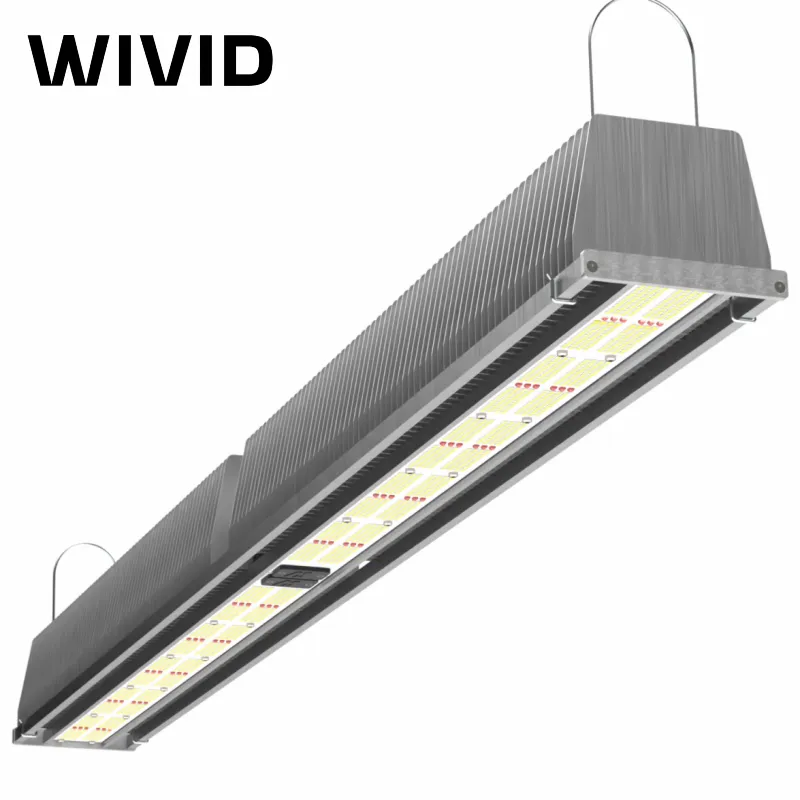
Commercial growers face mounting pressure to reduce operational costs while maintaining or improving crop yields. Energy consumption from grow lights represents one of the largest expense categories in indoor farming operations, often accounting for 40 to 60 percent of total facility energy use. This is where energy-saving horticulture systems become critical. By implementing smart dimming strategies, commercial operations can significantly lower electricity costs, extend equipment lifespan, and create optimal growing conditions tailored to each crop phase. Energy-saving horticulture systems are no longer optional upgrades for large-scale producers—they are fundamental to remaining competitive in the modern horticultural market.
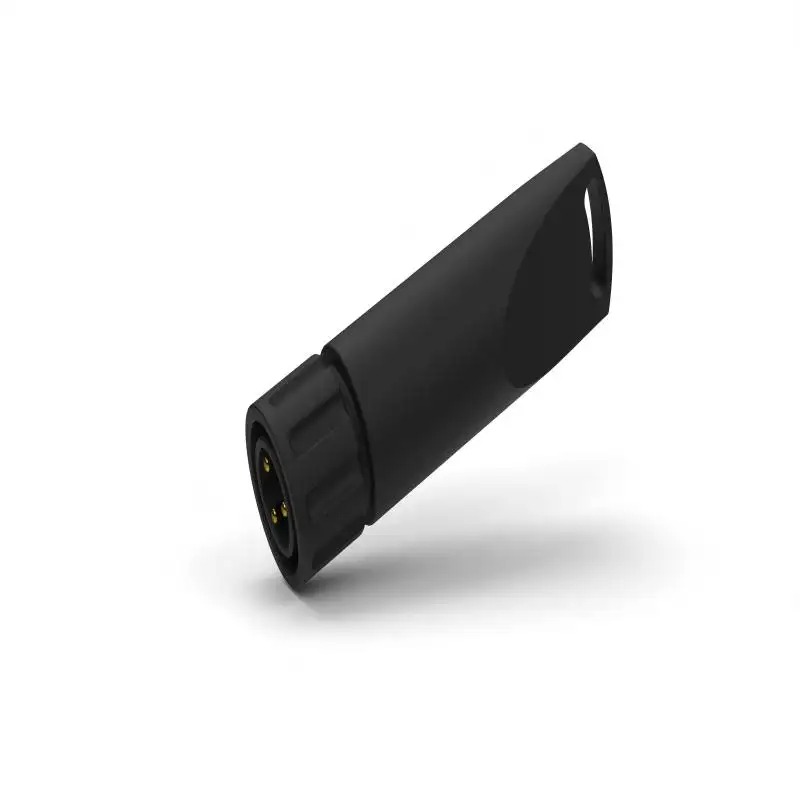
Smart dimming technology works by dynamically adjusting light intensity based on plant requirements, natural daylight availability, growth stage, and energy pricing signals. Rather than running lights at constant full power, energy-saving horticulture systems use sensors, controllers, and wireless networks to modulate output in real time. This approach respects the photosynthetic needs of plants while eliminating wasteful oversupply. Growers using energy-saving horticulture systems report reduced heating costs from excess light, lower cooling demands, and measurable improvements in energy efficiency metrics across their entire facility.
Understanding the Fundamentals of Energy-Saving Horticulture Systems
How Energy-Saving Horticulture Systems Reduce Operational Costs
Energy-saving horticulture systems lower costs through multiple mechanisms. First, they reduce peak electricity consumption by avoiding simultaneous maximum output across all light fixtures. Second, many energy-saving horticulture systems integrate with time-of-use electricity rates, scheduling intense light periods during cheaper rate windows. Third, reduced heat output from dimmed lights decreases cooling system runtime, cutting HVAC energy by 15 to 25 percent in many operations. Fourth, energy-saving horticulture systems extend ballast and lamp lifespan by operating fixtures at optimized intensities rather than continuous full power, reducing maintenance and replacement capital expenditures. These layered savings compound over time, often delivering payback periods of 18 to 36 months for mid-sized commercial operations.
Matching Light Intensity to Plant Photosynthetic Demand
Plants do not require constant maximum light intensity throughout their entire life cycle. Seedlings and young plants need moderate light, whereas flowering and fruiting stages demand higher intensity. Energy-saving horticulture systems use growth stage profiles programmed into controllers to automatically adjust dimming schedules. This precision ensures plants receive exactly what they need when they need it, avoiding both undersupply that stresses growth and oversupply that wastes energy. Advanced energy-saving horticulture systems employ plant sensors to measure leaf color, stem thickness, and photosynthetic rate, then fine-tune output in feedback loops. This approach maintains consistent quality while minimizing electricity waste.
Smart Dimming Strategies for Commercial Grow Light Operations
Integrating Natural Light with Artificial Lighting
Daylight integration is a cornerstone strategy within energy-saving horticulture systems for greenhouses and high-bay facilities with roof access. Photosensors detect incoming natural light and proportionally reduce artificial light output. During peak daylight hours, energy-saving horticulture systems may dim grow lights to 30 or 40 percent of rated capacity, then ramp back up during cloudy periods or late afternoon. This dynamic balancing reduces annual lighting energy by 20 to 35 percent in facilities with substantial natural light access. Energy-saving horticulture systems that combine daylight harvesting with weather forecasting can further optimize scheduling, preemptively adjusting dimming curves based on predicted cloud cover or seasonal changes.
Zoning and Precision Light Distribution
Not all crops or growth areas within a facility require identical light regimens. Energy-saving horticulture systems allow growers to divide operations into distinct zones, each with independent dimming profiles. Young plants in propagation areas may operate at 50 percent intensity, while flowering plants in adjacent zones run at 80 percent. This zoning capability, enabled by wireless control networks, ensures energy-saving horticulture systems deliver light where it matters most without blanket oversupply. Zoned energy-saving horticulture systems also simplify crop rotations and variety management, since each zone can run its own optimized schedule.
Selecting and Implementing Energy-Saving Horticulture Systems
Key Components of Modern Energy-Saving Horticulture Systems
Effective energy-saving horticulture systems consist of several interconnected components. Dimmable LED or HPS fixtures form the foundation, paired with 0–10V or wireless dimming ballasts. Central control hubs manage scheduling logic and sensor data processing. Environmental sensors—measuring light, temperature, humidity, and CO2—provide real-time feedback. A wireless communication network (often WiFi or proprietary protocols) links all devices without requiring extensive wiring. Data logging and analytics software track energy consumption patterns, enabling growers to identify inefficiencies and refine energy-saving horticulture systems over time. Integration with building management systems allows energy-saving horticulture systems to coordinate with HVAC and irrigation, creating holistic facility-wide efficiency.
Deployment Considerations for Energy-Saving Horticulture Systems
Installing energy-saving horticulture systems requires upfront planning around fixture compatibility, network stability, and sensor calibration. Growers should audit existing light fixtures to determine which models support dimming and whether upgrades are necessary. Network reliability is critical—dropped connections or lag in energy-saving horticulture systems can lead to unexpected light levels and crop stress. Sensor placement must be strategic; light sensors should position themselves in plant canopy zones, not in direct lamp rays. Many growers begin with energy-saving horticulture systems in one production block, measuring performance and fine-tuning workflows before facility-wide rollout. This phased approach mitigates risk while building internal expertise with energy-saving horticulture systems.
FAQ
What percentage of energy savings can growers expect from energy-saving horticulture systems?
Energy-saving horticulture systems typically deliver 20 to 40 percent reductions in lighting energy consumption, depending on facility design, climate, and existing practices. Facilities with daylight integration, sophisticated sensor networks, and optimized growth profiles often reach the upper end of this range. Even conservative implementations of energy-saving horticulture systems—simple dimming based on time-of-use rates alone—achieve 15 to 25 percent savings. Total facility energy savings (including HVAC benefits) can reach 30 to 50 percent in well-optimized installations.
Are energy-saving horticulture systems compatible with all grow light types?
Compatibility depends on ballast and fixture design. Traditional non-dimmable HPS ballasts cannot function within energy-saving horticulture systems without replacement. Modern dimmable HPS ballasts, LEDs with 0–10V drivers, and addressable LED systems all integrate seamlessly. Many growers upgrade to dimmable LEDs when adopting energy-saving horticulture systems, taking advantage of superior lifespan, spectral tunability, and efficiency gains. Retrofitting existing facilities with energy-saving horticulture systems is feasible but may require ballast upgrades or fixture replacement, especially for older installations.
How long does it take to recoup the investment in energy-saving horticulture systems?
Payback periods for energy-saving horticulture systems typically range from 18 to 48 months. Smaller operations or those with lower electricity rates may see longer payback, while large facilities in high-cost utility regions achieve faster returns. Growers should factor in hardware costs, installation labor, software licensing, and employee training when calculating payback. Many agricultural operations qualify for utility rebates or tax incentives that accelerate return on investment for energy-saving horticulture systems, shortening effective payback to 12 to 24 months.