
 EN
EN
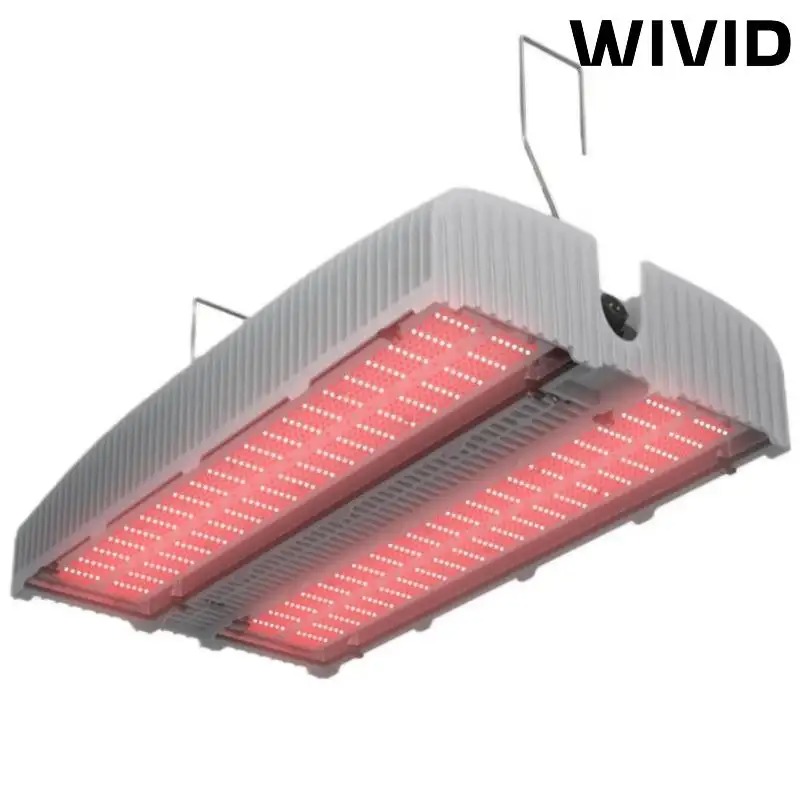
Greenhouse operators face mounting pressure to reduce energy consumption while maintaining optimal growing conditions for crops. Modern energy-saving horticulture systems offer a transformative solution through wireless lighting control technology that directly addresses this challenge. By automating light distribution and optimizing spectral output based on real-time crop needs, energy-saving horticulture systems deliver measurable reductions in electricity costs and operational overhead. This technology represents a fundamental shift in how commercial growers manage their most significant energy expense.
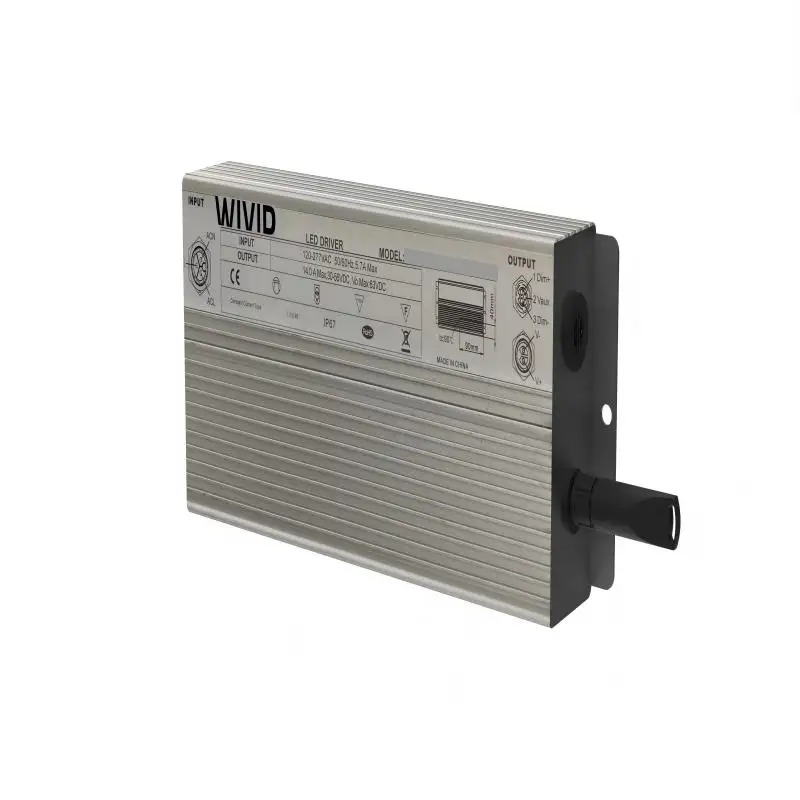
The operational economics of greenhouse farming demand precision and efficiency at every scale. Traditional fixed lighting systems consume energy uniformly regardless of actual crop requirements, leading to significant waste during specific growth phases. Energy-saving horticulture systems with wireless control eliminate this inefficiency by enabling dynamic adjustment of light intensity, spectrum, and duration across greenhouse sections. The result is lower energy bills, extended equipment lifespan, and improved crop consistency without sacrificing yield quality.
How Wireless Control Optimizes Greenhouse Energy Use
Real-Time Adaptation to Crop Growth Stages
Energy-saving horticulture systems monitor crop development and automatically adjust lighting conditions to match each growth phase. Seedlings require different light spectra and intensity than flowering or fruiting stages, yet conventional systems remain static. Wireless lighting control allows growers to program stage-specific settings that activate automatically, eliminating manual intervention and human error. This precision directly translates to reduced power consumption during phases when maximum light intensity is unnecessary.
Zone-Based Energy Distribution
Wireless systems enable independent control of lighting zones across the greenhouse floor, a capability that fixed systems cannot match. Energy-saving horticulture systems distribute power only where crops are actively growing, leaving unoccupied sections dark. This zoning approach prevents energy waste on empty bench space and allows staggered planting schedules to operate efficiently. Growers can redirect energy savings toward climate control or other operational priorities without expanding the overall power budget.
Measuring Financial Impact and Cost Recovery
Direct Electricity Consumption Reduction
Implementing energy-saving horticulture systems typically reduces lighting-related electricity use by 20 to 40 percent, depending on crop type and baseline practices. This reduction emerges from eliminating unnecessary light hours, optimizing spectral output to match photosynthetic demand, and reducing heat waste. For a mid-sized greenhouse operation, this translates to thousands of dollars annually in lower utility bills. Energy-saving horticulture systems achieve these gains without dimming light below levels required for healthy crop development.
Extended Equipment Life and Reduced Maintenance
Wireless control systems moderate lamp operating temperatures and prevent continuous maximum-output cycling, extending fixture lifespan significantly. Energy-saving horticulture systems reduce thermal stress on ballasts, drivers, and wiring, cutting replacement and repair expenses. The wireless infrastructure itself eliminates complex rewiring during layout changes, lowering retrofitting costs compared to traditional hardwired control systems. Over a five to ten-year operating window, these secondary benefits often equal the primary electricity savings.
Implementation Strategy and Integration Considerations
Compatibility with Existing Greenhouse Infrastructure
Energy-saving horticulture systems are designed for retrofitting into established greenhouse operations without requiring complete infrastructure replacement. Wireless receivers attach to existing light fixtures, communicating with central control nodes via mesh network protocols. This modularity makes energy-saving horticulture systems accessible to growers of all scales, from small operations to large commercial facilities. Existing climate control, irrigation, and environmental monitoring systems integrate seamlessly with wireless lighting control through standard protocols.
Data Integration and Optimization Algorithms
Modern energy-saving horticulture systems collect performance data from sensors monitoring light levels, plant response, and energy consumption patterns. This data feeds into algorithms that continuously refine lighting schedules to maximize efficiency while maintaining crop quality. Energy-saving horticulture systems learn optimal settings for specific crop varieties, seasons, and facility configurations over time. Growers gain visibility into energy usage trends and can make informed decisions about expanding production or adjusting operational protocols.
Selecting and Deploying Energy-Saving Solutions
Assessment of Greenhouse Lighting Requirements
Choosing the right energy-saving horticulture systems begins with understanding your baseline energy consumption and crop-specific light requirements. Analysis should account for natural light supplementation, seasonal variations, and growth stage lighting profiles unique to your operation. Energy-saving horticulture systems designed for leafy greens operate differently from those optimizing for flowering ornamentals or high-value medicinal crops. Accurate assessment prevents over-specification and ensures the selected system aligns with your operational goals and climate zone.
Wireless Network Reliability and Redundancy
Wireless control introduces a critical dependency on network connectivity, making reliability a non-negotiable requirement for energy-saving horticulture systems. Industrial-grade wireless protocols using mesh networking provide automatic rerouting if nodes fail, maintaining control authority during technical issues. Energy-saving horticulture systems include local manual override controls and failsafe lighting modes that activate if communication is lost. This redundancy architecture ensures that system failures never result in uncontrolled lighting that damages crops or wastes power.
FAQ
What percentage of greenhouse operating costs does wireless lighting typically reduce through energy-saving horticulture systems?
Lighting represents 25 to 50 percent of total greenhouse energy consumption depending on climate and crop type. Energy-saving horticulture systems reducing this consumption by 20 to 40 percent translate to 5 to 20 percent reduction in overall operating costs. Additional savings emerge from reduced maintenance, longer equipment life, and optimized labor allocation. The actual financial impact depends on your baseline energy rates, facility size, and current lighting system efficiency.
How quickly do energy-saving horticulture systems pay for themselves through electricity savings?
Payback periods for energy-saving horticulture systems typically range from two to four years, with many installations recovering investment faster through secondary benefits. Operations with high electricity rates, large greenhouse footprints, or outdated lighting infrastructure see payback accelerated. energy-saving horticulture systems often qualify for utility rebates and agricultural energy efficiency grants that improve financial returns. Long-term savings substantially exceed initial capital investment over typical system lifespans of ten years or longer.
Can energy-saving horticulture systems be retrofitted to existing greenhouses without stopping production?
Yes, energy-saving horticulture systems are designed for modular installation that minimizes operational disruption. Wireless receivers can be installed section-by-section while other zones continue normal production, allowing phased deployment across the facility. Energy-saving horticulture systems require no interruption to crop schedules and can often be commissioned during scheduled maintenance windows. This flexibility makes adoption accessible to busy commercial operations where downtime directly impacts profitability.
Table of Contents
- How Wireless Control Optimizes Greenhouse Energy Use
- Measuring Financial Impact and Cost Recovery
- Implementation Strategy and Integration Considerations
- Selecting and Deploying Energy-Saving Solutions
-
FAQ
- What percentage of greenhouse operating costs does wireless lighting typically reduce through energy-saving horticulture systems?
- How quickly do energy-saving horticulture systems pay for themselves through electricity savings?
- Can energy-saving horticulture systems be retrofitted to existing greenhouses without stopping production?