
 EN
EN

Vertical farming systems face a persistent challenge that directly impacts crop yield and marketability: achieving uniform growth across multiple stacked cultivation layers. While traditional overhead lighting suffices for single-tier operations, vertical farms require supplemental illumination strategies to ensure consistent photosynthetic activity from top to bottom. The strategic implementation of horticulture interlight technology addresses this fundamental limitation by delivering targeted photon flux exactly where conventional top-down systems fail to penetrate, creating equitable light distribution throughout the entire vertical growing profile.
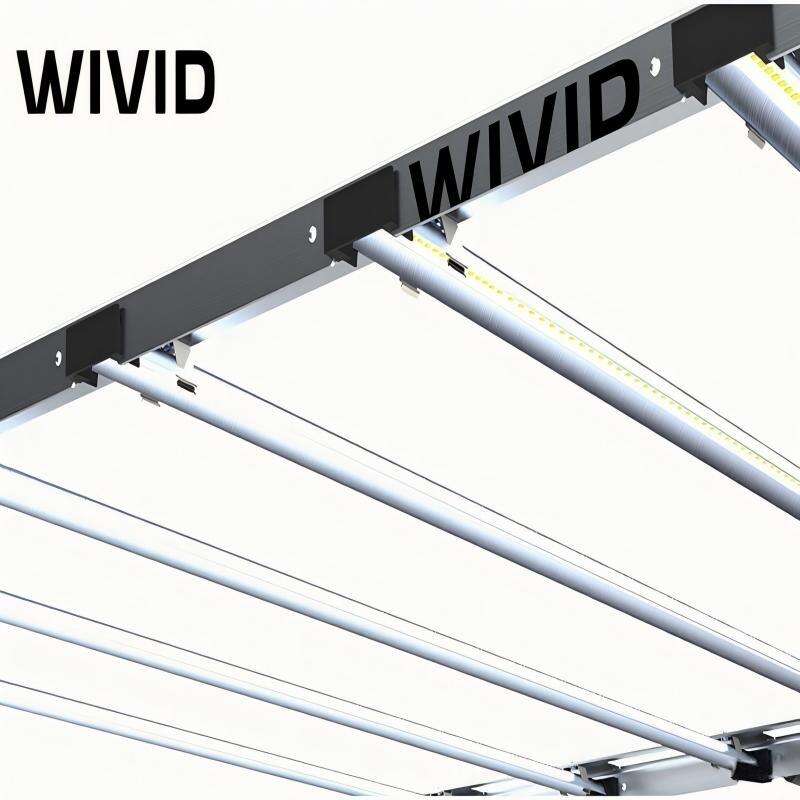
Lettuce cultivation in controlled environment agriculture demands precise light management to produce the compact rosette structures and vibrant coloration that define premium quality. When lower canopy leaves receive insufficient photosynthetically active radiation, plants develop elongated stems, reduced leaf density, and inconsistent maturation rates that compromise both harvest efficiency and product value. By positioning horticulture interlight modules between cultivation tiers, growers eliminate the vertical light gradient that creates this variability, enabling every plant position within the vertical farm to receive optimal photon delivery regardless of its distance from primary overhead fixtures.
The Physical Mechanics of Light Distribution in Vertical Growing Systems
Understanding Photon Penetration Limitations in Multi-Tier Configurations
Overhead lighting systems in vertical farms operate under the inverse square law, where light intensity diminishes proportionally to the square of the distance from the source. In practical terms, cultivation layers positioned just sixty centimeters below top-tier plants may receive less than forty percent of the photon flux measured at the uppermost canopy. This dramatic reduction creates an illumination hierarchy where lower-tier lettuce receives inadequate energy for optimal photosynthesis, resulting in slower development cycles and morphological differences compared to top-tier crops harvested from the same batch.
The canopy architecture of lettuce further complicates light distribution challenges. As plants mature, their expanding leaf surfaces create a self-shading effect that blocks downward light transmission. Upper leaves intercept the majority of available photons, leaving lower foliage and newly emerging growth points in relative darkness. This phenomenon becomes particularly problematic in high-density vertical configurations where spacing optimization prioritizes maximum plant count per cubic meter, inadvertently intensifying competition for available light resources across the vertical profile.
Traditional solutions involving increased overhead lighting wattage prove economically inefficient and physiologically counterproductive. Raising top-tier light intensity to compensate for lower-tier deficits exposes upper plants to excessive photon flux that exceeds their photosynthetic capacity, triggering stress responses including tip burn, bleaching, and elevated respiration rates that reduce net carbon gain. This approach wastes electrical energy while simultaneously creating quality problems in the very plants receiving excess illumination, demonstrating the fundamental inadequacy of single-source lighting strategies for vertical agriculture.
How Horticulture Interlight Establishes Equitable Photon Distribution
The horticulture interlight concept repositions the light emission plane from a distant overhead location to the immediate proximity of each cultivation tier. By mounting slim-profile LED fixtures horizontally between growing layers, these systems deliver photons directly to the lateral and lower surfaces of lettuce canopies, targeting precisely the zones that overhead lighting cannot effectively reach. This spatial reconfiguration eliminates the distance-dependent intensity loss that creates vertical gradients, ensuring that every tier experiences comparable photosynthetic photon flux density regardless of its position in the stacking sequence.
The directional characteristics of horticulture interlight modules further enhance distribution uniformity. Unlike overhead fixtures that emit light in a broad cone requiring significant throw distance, interlighting systems position LEDs within the cultivation volume itself, typically fifteen to thirty centimeters from plant surfaces. This proximity enables lower-power fixtures to deliver adequate intensity while maintaining exceptional spatial uniformity, as the reduced emission distance minimizes the geometric spread that causes uneven coverage. The result is a remarkably consistent light field across the entire growing bench, eliminating the hot spots and shadow zones common in overhead-only configurations.
Advanced horticulture interlight designs incorporate spectral optimization tailored to lettuce physiology. Blue wavelengths promote compact growth habit and chlorophyll synthesis, while red photons drive photosynthetic efficiency and biomass accumulation. By independently controlling the spectral output of interlight layers, growers can fine-tune the light recipe delivered to specific canopy zones, compensating for positional differences in light quality that occur when relying solely on overhead sources. This spectral precision complements spatial uniformity, creating an illumination environment where every plant experiences both the quantity and quality of light required for optimal development.
Physiological Mechanisms Linking Uniform Illumination to Consistent Lettuce Development
Photosynthetic Response Patterns Under Balanced Light Exposure
Lettuce photosynthesis operates most efficiently when all leaf surfaces contribute proportionally to carbon fixation. In conventionally lit vertical farms, upper leaves function at near-maximal capacity while lower foliage operates far below its genetic potential due to light limitation. This imbalance forces plants to rely disproportionately on a fraction of their total leaf area, creating metabolic stress and reducing whole-plant productivity. Horticulture interlight systems activate the full photosynthetic machinery across the entire canopy by ensuring adequate photon delivery to previously shaded leaf layers.
The activation of lower-canopy photosynthesis generates multiple compounding benefits for growth uniformity. When all leaves contribute to carbon fixation, plants allocate resources more evenly throughout their structure rather than prioritizing apical growth in a light-seeking response. This balanced resource distribution produces the dense, symmetrical rosette form characteristic of premium lettuce, with tightly packed leaves of consistent size radiating from a compact central core. The absence of etiolated stems and the presence of well-developed lower leaves signal optimal light distribution and directly correlate with marketable yield improvements of fifteen to thirty percent in comparative trials.
Photosynthetic uniformity also stabilizes developmental timing across the crop population. When every plant experiences similar light conditions, germination cohorts progress through growth stages at synchronized rates, enabling batch harvesting with minimal size variation. This temporal consistency reduces labor costs associated with selective harvesting and minimizes product waste from over-mature or under-developed plants. Growers implementing horticulture interlight report harvest windows tightening from five to seven days down to two to three days, dramatically improving operational efficiency and product quality consistency.
Morphological Uniformity Through Controlled Photomorphogenic Signaling
Beyond photosynthetic energy capture, light serves as a critical environmental signal regulating plant architecture through photomorphogenic pathways. Red to far-red light ratios inform lettuce plants about proximity to neighboring vegetation, triggering shade avoidance responses that elongate stems and reduce leaf expansion when competition is perceived. In vertical farms with inadequate intercanopy lighting, lower-tier plants detect the altered spectral signature created by upper-tier canopy filtering, initiating developmental adjustments that compromise compact growth habit even when total photon flux might technically suffice for photosynthesis.
Horticulture interlight systems maintain favorable photomorphogenic ratios throughout the canopy by introducing unfiltered spectral output directly to lower leaf layers. This prevents the shade-detection response that would otherwise occur as plants sense the red-depleted, far-red-enriched light environment characteristic of beneath-canopy positions. The preservation of optimal spectral ratios maintains compact internodal spacing and promotes lateral leaf expansion rather than vertical stem elongation, producing the desirable growth form regardless of tier position within the vertical array.
The blue light component of horticulture interlight fixtures plays a particularly important role in morphological control. Blue photons regulate stomatal opening, leaf thickness, and chloroplast positioning, all of which influence light capture efficiency and water use characteristics. Ensuring adequate blue light delivery to all canopy levels through strategic interlighting creates physiologically similar leaves across the vertical profile, eliminating the thin, pale, poorly structured foliage that develops in blue-deficient lower-tier positions. This uniformity extends to secondary quality attributes including crispness, color intensity, and shelf life potential.
Operational Implementation Strategies for Maximum Uniformity Benefits
Spatial Positioning and Intensity Calibration Protocols
Effective horticulture interlight deployment requires precise positioning relative to plant canopies. Fixtures mounted too close to foliage risk thermal stress from LED heat dissipation, while excessive distance recreates the intensity gradients the technology aims to eliminate. Optimal placement typically positions interlight modules at the mid-canopy height of mature lettuce, approximately twelve to eighteen centimeters above the growing substrate, ensuring coverage of the critical photosynthetic zone while maintaining adequate thermal clearance as plants develop.
Intensity calibration must account for the combined contribution of overhead and interlight sources. Rather than treating horticulture interlight as supplemental to full-intensity overhead lighting, the most efficient designs reduce overhead output while introducing interlight at moderate levels, achieving target total photon flux through spatial distribution rather than raw power. This approach minimizes energy consumption while maximizing uniformity, as the distributed source geometry inherently creates more even coverage than concentrated overhead fixtures operating at higher individual output.
Measurement protocols should verify uniformity across both horizontal and vertical dimensions. Light mapping at multiple heights within the canopy reveals whether interlight positioning successfully eliminates vertical gradients, while horizontal measurements identify any residual variation from fixture spacing or edge effects. Target uniformity coefficients above ninety percent indicate successful implementation, meaning that the difference between the brightest and dimmest measurement points represents less than ten percent variation from the mean value across the entire growing area.
Integration With Environmental Control Systems
Horticulture interlight systems function as components within the broader controlled environment infrastructure rather than isolated lighting solutions. Temperature management becomes particularly critical when introducing additional light sources into the cultivation volume, as interlight fixtures positioned near plant surfaces contribute localized heating that may exceed overhead lighting impacts. Integration with climate control systems must account for this distributed heat load, potentially requiring adjustments to airflow patterns or cooling capacity to maintain uniform temperature profiles that complement the uniform light distribution.
The interaction between lighting uniformity and irrigation management deserves careful attention. When all plants within a cultivation tier receive equivalent light energy, their transpiration rates and water demands become similarly uniform, enabling more precise irrigation scheduling and reducing the risk of localized overwatering or drought stress. This synchronization allows growers to optimize nutrient delivery timing and concentration, as the entire crop population progresses through developmental stages at comparable rates with similar metabolic demands.
Automated control systems can leverage horticulture interlight capabilities for developmental stage optimization. Early growth phases may benefit from higher blue ratios in the interlight spectrum to establish compact architecture, while later stages might shift toward red-enriched output to maximize biomass accumulation. Dynamic spectral management at the interlight layer, independent of overhead lighting adjustments, provides an additional degree of freedom for fine-tuning growing conditions without requiring wholesale environmental modifications that might create other operational complications.
Economic and Quality Outcomes From Improved Growth Uniformity
Yield Impacts and Harvest Efficiency Gains
The financial justification for horticulture interlight investment centers on measurable improvements in both total yield and marketable product percentage. Vertical farms implementing comprehensive interlighting report fresh weight increases of twenty to thirty-five percent compared to overhead-only configurations, with gains concentrated in previously underperforming lower tiers. This yield improvement derives from activating the productive potential of cultivation zones that formerly operated at reduced efficiency, effectively increasing the functional growing capacity within existing infrastructure without requiring physical expansion.
Beyond raw biomass production, uniformity improvements translate directly to reduced cull rates and higher-grade product distribution. When growth consistency ensures that ninety-five percent of harvested heads meet premium size and quality specifications rather than seventy to eighty percent, the revenue impact substantially exceeds the proportional yield increase alone. Markets increasingly demand visual consistency and reliable sizing, making the uniformity benefits of horticulture interlight particularly valuable for growers targeting premium retail channels or food service customers with strict specification requirements.
Harvest labor productivity improves proportionally with crop uniformity. Crews working in facilities with effective interlighting complete harvests faster because they encounter fewer judgment decisions about whether individual plants meet quality standards and spend less time sorting mixed-maturity populations. The tighter harvest windows enabled by synchronized development also reduce the number of partial harvests required, lowering the per-unit labor cost and minimizing the disruption to ongoing crop cycles from repeated entry into production zones.
Product Quality Consistency and Market Positioning
Visual quality attributes that buyers associate with freshness and flavor intensity respond dramatically to improved light uniformity. Lettuce varieties grown under optimal horticulture interlight conditions develop deeper, more consistent pigmentation across all leaf surfaces, eliminating the pale, washed-out appearance of shaded lower leaves. This color intensity directly influences consumer purchase decisions and supports premium pricing, as appearance serves as the primary quality indicator at the point of sale for fresh produce categories.
Textural quality benefits from the physiological changes induced by balanced light exposure. Leaves developing under adequate illumination maintain optimal cell wall structure and turgor pressure, producing the crisp texture that defines quality in fresh lettuce categories. The thick, rigid leaves resulting from proper light management resist wilting during post-harvest handling and maintain consumer appeal longer than the thin, flaccid foliage characteristic of light-limited growth. This structural integrity extends shelf life and reduces shrink losses throughout the distribution chain.
Nutritional quality metrics including vitamin content and antioxidant concentrations correlate positively with photosynthetic activity and proper developmental signaling. Research demonstrates that lettuce grown under uniform, adequate light conditions accumulates higher concentrations of health-promoting compounds compared to stressed or poorly illuminated plants. As markets increasingly value nutritional density alongside basic food safety and appearance, the quality improvements enabled by horticulture interlight systems position growers to capture premium market segments willing to pay for demonstrably superior products.
FAQ
What is the primary difference between horticulture interlight and traditional overhead lighting in vertical farms?
Horticulture interlight systems position LED fixtures horizontally between cultivation tiers rather than exclusively above the growing area, delivering photons directly to the sides and lower portions of plant canopies where overhead light cannot effectively penetrate. This fundamental spatial repositioning eliminates the vertical light gradient inherent in top-down illumination, ensuring that lower-tier plants receive comparable photon flux to upper-tier crops. The result is uniform growth across all vertical positions rather than the progressive decline in plant quality and development rate that occurs as distance from overhead fixtures increases.
How does improved light uniformity specifically affect lettuce quality compared to other crops?
Lettuce exhibits particularly strong responses to light uniformity because its market value depends heavily on visual appearance and compact rosette architecture. Uneven lighting causes visible color variations, elongated stems, and irregular leaf sizing that immediately identify the product as lower grade, whereas uniform illumination produces the dense, symmetrical heads with consistent vibrant coloration that command premium prices. Additionally, lettuce completes its growth cycle rapidly, meaning light-induced quality differences manifest quickly and cannot be corrected through extended growing periods, making consistent illumination essential for maintaining harvest schedules and product specifications throughout production cycles.
Can horticulture interlight systems reduce overall energy consumption while improving uniformity?
Yes, properly designed horticulture interlight implementations typically reduce total lighting energy consumption by fifteen to thirty percent compared to overhead-only systems achieving equivalent plant performance. This efficiency gain occurs because distributed light sources positioned near plant surfaces deliver photons more effectively than distant overhead fixtures, allowing lower total wattage to achieve target photosynthetic photon flux density. The strategic placement eliminates wasted light traveling through empty air space and reduces the excess intensity required at upper tiers to compensate for lower-tier deficits, creating a more efficient photon delivery system that improves both uniformity and energy economics simultaneously.
What maintenance considerations are unique to interlight installations compared to overhead fixtures?
Horticulture interlight fixtures require more frequent cleaning than overhead lighting because their position within the cultivation volume exposes them directly to moisture, nutrient spray, and plant contact during routine operations. Protective measures including sealed housings and hydrophobic coatings help minimize maintenance demands, but growers should establish protocols for regular inspection and cleaning to prevent efficiency losses from surface contamination. Additionally, the modular nature of interlight systems enables section-by-section maintenance without disrupting entire growing zones, and the lower individual fixture wattage reduces replacement costs compared to high-power overhead units, though the larger number of fixtures may require more organized inventory management for spare components.
Table of Contents
- The Physical Mechanics of Light Distribution in Vertical Growing Systems
- Physiological Mechanisms Linking Uniform Illumination to Consistent Lettuce Development
- Operational Implementation Strategies for Maximum Uniformity Benefits
- Economic and Quality Outcomes From Improved Growth Uniformity
-
FAQ
- What is the primary difference between horticulture interlight and traditional overhead lighting in vertical farms?
- How does improved light uniformity specifically affect lettuce quality compared to other crops?
- Can horticulture interlight systems reduce overall energy consumption while improving uniformity?
- What maintenance considerations are unique to interlight installations compared to overhead fixtures?