
 EN
EN
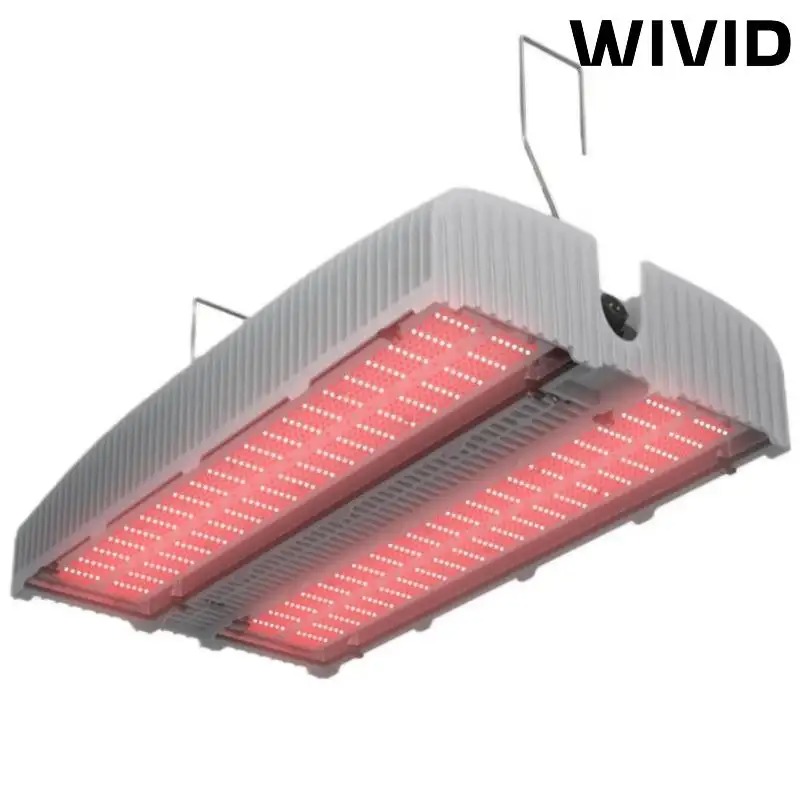
Modern agriculture faces mounting pressure to deliver consistent yields regardless of season or geographic location. Year-round crop production has shifted from aspiration to operational necessity as global food demand intensifies and supply chain reliability becomes paramount. Supplemental lighting technology, particularly horticulture led lighting, has emerged as the cornerstone solution enabling growers to transcend natural photoperiod limitations and maintain productive cultivation cycles throughout calendar months that would otherwise halt or severely diminish output.
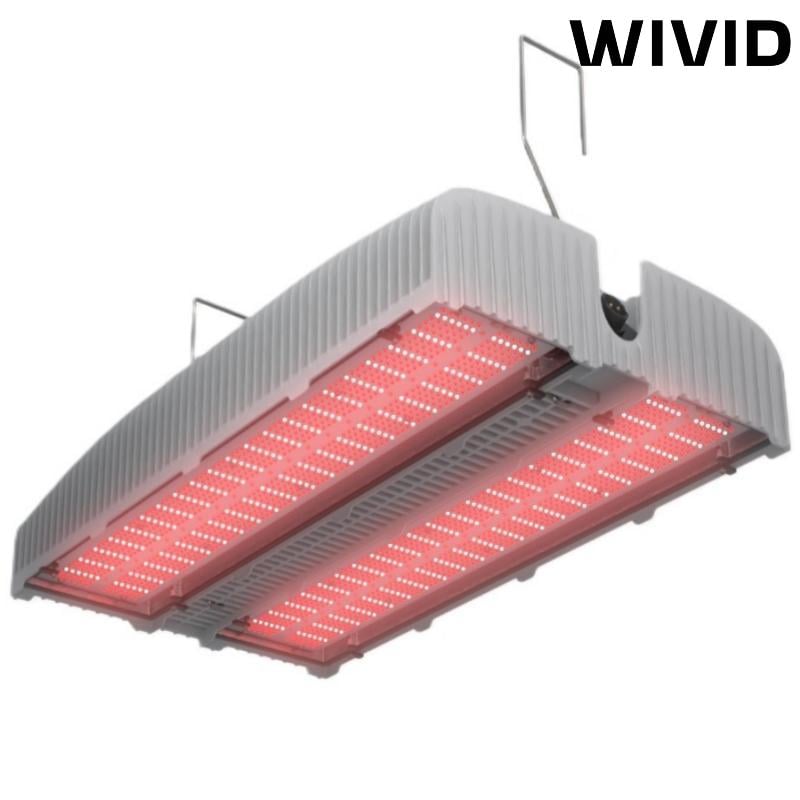
The fundamental challenge in year-round production stems from seasonal variation in both light duration and intensity. Winter months in temperate and polar regions deliver insufficient daily light integral values for photosynthetically active growth, while even equatorial zones experience cloud cover patterns that disrupt optimal light delivery. Horticulture led lighting systems address these deficiencies by providing spectrally tuned, intensity-controlled photon delivery that compensates for natural shortfalls. This technological intervention transforms greenhouse and controlled environment agriculture facilities into production environments where cultivation cycles proceed according to crop biology rather than solar calendar constraints.
Why Supplemental Lighting Enables Continuous Production Cycles
Overcoming Photoperiod Limitations in Winter Months
Natural daylight duration contracts significantly during winter, with high-latitude regions experiencing as few as six to eight hours of viable photosynthetic light. Most commercial crops require twelve to sixteen hours of quality light daily to maintain vegetative growth or support flowering and fruiting processes. Horticulture led lighting installations extend effective photoperiods by delivering targeted photon flux during pre-dawn and post-sunset hours. This extension prevents the metabolic slowdown that occurs when plants receive insufficient light energy, allowing crops like tomatoes, peppers, and leafy greens to maintain growth rates comparable to peak summer performance.
Compensating for Reduced Light Intensity and Cloud Cover
Even when day length appears adequate, winter sun angles reduce light intensity reaching crop canopies by fifty to seventy percent compared to summer conditions. Persistent cloud cover further diminishes available photosynthetically active radiation. Horticulture led lighting systems equipped with dimming controls and sensor integration actively supplement natural light when ambient conditions fall below target thresholds. This dynamic compensation ensures crops receive consistent daily light integrals regardless of weather variability. The precision of horticulture led lighting allows growers to maintain specific photon delivery targets measured in moles per square meter per day, directly correlating light input to predictable yield outcomes across all seasons.
How Horticulture LED Lighting Optimizes Plant Physiology
Spectral Tuning for Photosynthetic Efficiency
The operational advantage of horticulture led lighting resides in its capacity to deliver spectrally optimized photon streams matching plant photoreceptor absorption peaks. Chlorophyll molecules absorb most efficiently in blue and red wavelength ranges, while natural sunlight distributes energy across the full visible spectrum with substantial emission in less-useful green and yellow bands. Modern horticulture led lighting fixtures concentrate output in the 400-500nm blue range and 600-700nm red range, maximizing photosynthetic photon efficacy. This targeted delivery means each watt of electrical input generates more usable photosynthetic energy compared to broad-spectrum sources, improving cultivation energy economics while supporting robust year-round growth.
Photoperiodic Control for Flowering and Fruiting
Many crop species exhibit photoperiodic sensitivity, with flowering initiation triggered by specific day length patterns. Short-day plants require extended darkness periods to transition from vegetative to reproductive phases, while long-day species need extended light exposure. Horticulture led lighting systems with programmable control enable precise manipulation of perceived day length regardless of natural outdoor conditions. Growers can induce flowering in chrysanthemums during summer by providing darkness interruption, or maintain vegetative growth in strawberries during winter by extending photoperiods with horticulture led lighting. This temporal control decouples production scheduling from seasonal constraints, allowing strategic harvest timing aligned with market demand rather than solar cycles.
Reducing Thermal Stress While Maintaining Light Intensity
Traditional supplemental lighting technologies generate substantial radiant heat that elevates canopy temperatures and increases cooling demands. Horticulture led lighting converts approximately half of input energy directly to photosynthetically active radiation with minimal infrared emission. This improved conversion efficiency reduces the thermal load on climate control systems, particularly valuable during transitional seasons when heating or cooling requirements already challenge environmental stability. The cooler operating characteristics of horticulture led lighting permit closer canopy positioning without heat stress risk, increasing effective photon capture while maintaining optimal leaf surface temperatures for enzymatic function throughout the year.
Practical Implementation Strategies for Year-Round Production
Calculating Daily Light Integral Requirements
Successful year-round cultivation with horticulture led lighting begins with establishing crop-specific daily light integral targets. Leafy greens typically require 12-17 moles per square meter per day, while fruiting crops like tomatoes demand 20-30 moles daily for optimal productivity. Growers must measure baseline natural light availability using quantum sensors, then determine the supplemental photon delivery needed from horticulture led lighting to reach target integrals. This calculation varies daily based on cloud cover, sun angle, and day length. Advanced greenhouse operations integrate real-time light sensors with dimming controllers that modulate horticulture led lighting output continuously, ensuring precise daily light integral delivery while minimizing electricity consumption during periods of adequate natural illumination.
Fixture Selection and Canopy Coverage Planning
Effective supplemental lighting demands uniform photon distribution across the entire cultivation area. Horticulture led lighting fixtures vary in beam angle, output intensity, and spectral composition. Top-lighting configurations work well for tall crops with significant vertical canopy development, while inter-canopy horticulture led lighting becomes necessary for dense plantings where upper foliage shades lower leaves. Installation height and spacing calculations must account for the inverse square law of light intensity, ensuring edge zones receive adequate coverage without over-illuminating central areas. Many operations employ photometric modeling software to simulate horticulture led lighting layouts before installation, optimizing fixture placement to achieve uniformity coefficients above 0.9 across the growing plane.
Integration with Climate and Irrigation Systems
Horticulture led lighting does not operate in isolation but functions as one component within integrated greenhouse management systems. Increased photosynthetic activity driven by supplemental lighting elevates plant transpiration rates, necessitating corresponding adjustments to irrigation frequency and volume. Similarly, enhanced photosynthesis increases carbon dioxide demand, often requiring CO2 enrichment to prevent this gas from becoming growth-limiting. Temperature and humidity setpoints may require modification when horticulture led lighting operates, as the additional photosynthetic activity alters plant energy balance. Successful year-round production systems coordinate horticulture led lighting schedules with climate control algorithms and fertigation programs, creating a holistic environment where all growth factors remain optimized simultaneously across seasonal transitions.
Economic Considerations and Energy Management
The capital investment in horticulture led lighting infrastructure must be justified through increased annual production value and improved crop quality consistency. Modern horticulture led lighting systems consume 40-50 percent less electricity than equivalent high-pressure sodium installations while delivering superior spectral quality. Energy costs remain the dominant operational expense for supplemental lighting, making strategic deployment essential. Many facilities implement time-of-use rate strategies, concentrating horticulture led lighting operation during off-peak electricity pricing periods when possible. Dimming capabilities allow horticulture led lighting systems to reduce output during periods of adequate natural light, capturing energy savings without compromising daily light integral targets. Payback periods for horticulture led lighting investments typically range from two to four years when factoring in both energy savings and production increases enabled by consistent year-round cultivation.
FAQ
Can horticulture led lighting completely replace natural sunlight for year-round production?
Horticulture led lighting can technically provide all photosynthetic requirements for plant growth, as demonstrated in vertical farms and plant factories operating without any natural light. However, in greenhouse applications, horticulture led lighting functions most economically as supplemental illumination that complements natural sunlight rather than replacing it entirely. Natural light remains free once greenhouse infrastructure exists, making hybrid systems that combine passive solar gain with active horticulture led lighting supplementation the most cost-effective approach for year-round production. Complete reliance on horticulture led lighting makes economic sense primarily in situations where land costs, climate extremes, or urban location constraints make traditional greenhouse cultivation impractical.
How does horticulture led lighting affect crop quality compared to natural sunlight cultivation?
Crops grown under properly designed horticulture led lighting systems exhibit equal or superior quality characteristics compared to naturally lit cultivation when spectral composition, intensity, and photoperiod are optimized for the target species. Horticulture led lighting provides spectral consistency that natural sunlight cannot match, eliminating the quality variations that occur when crops experience fluctuating light conditions during different growth stages. Research demonstrates that horticulture led lighting with appropriate blue light fractions can enhance production of protective secondary metabolites including anthocyanins and other antioxidant compounds. The key determinant of quality outcomes is not whether horticulture led lighting or natural light is used, but rather whether total photon delivery matches crop requirements consistently throughout the production cycle, which horticulture led lighting makes possible across all seasons.
What maintenance requirements does horticulture led lighting have for continuous operation?
Horticulture led lighting systems require minimal maintenance compared to legacy lighting technologies, but certain practices ensure reliable year-round performance. Lens and reflector surfaces should be cleaned quarterly to remove dust accumulation that can reduce light transmission by 10-15 percent over time. Electrical connections and driver components benefit from annual inspection to identify any thermal degradation or moisture intrusion. Most quality horticulture led lighting fixtures maintain 90 percent of initial output for 50,000 to 60,000 operating hours, equivalent to approximately six years of continuous operation. However, monitoring photon output with quantum sensors allows growers to detect premature degradation and schedule fixture replacement before light levels fall below crop requirements. Proper ventilation around horticulture led lighting fixtures extends component lifespan by maintaining optimal operating temperatures, particularly important in greenhouse environments where ambient conditions may be warm and humid during certain seasons.