
 EN
EN
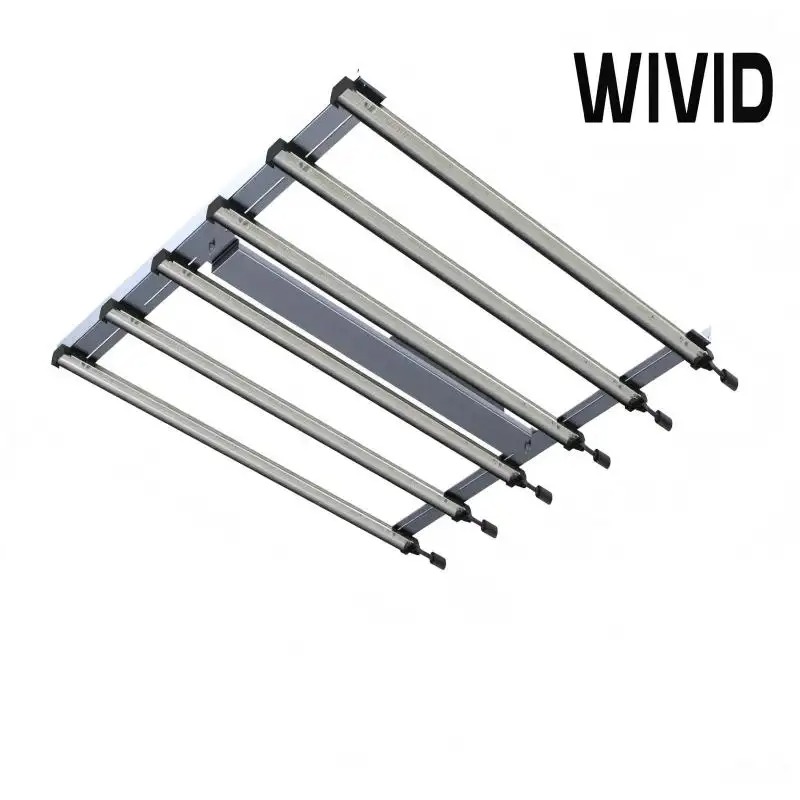
For professional growers managing controlled environments, horticulture led lighting has become the foundation of modern crop production. Unlike older lighting technologies, full-spectrum horticulture led lighting delivers precise wavelengths that closely mimic natural sunlight, enabling plants to complete every stage of their growth cycle with maximum efficiency. Understanding how this technology works — and why it outperforms conventional options — is essential knowledge for any serious commercial grower.
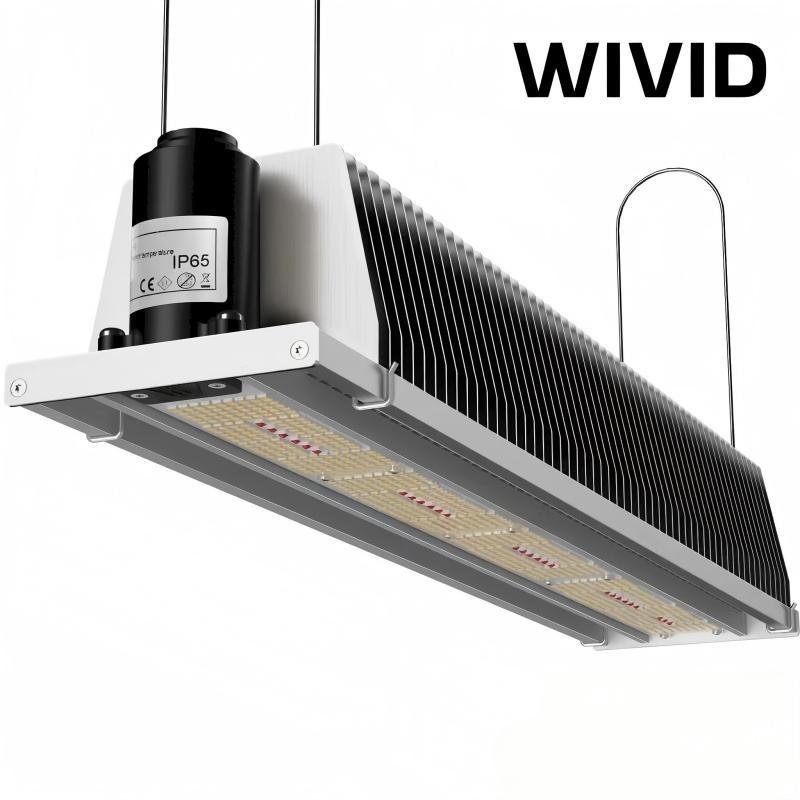
The growing adoption of horticulture led lighting across greenhouses, vertical farms, and research facilities reflects a broader shift toward data-driven, energy-efficient cultivation. Full-spectrum horticulture led lighting systems are not simply upgrades over high-pressure sodium lamps — they represent a fundamentally different approach to managing plant physiology through light. This article explains the core science, key components, and selection criteria that every professional grower should understand before investing in horticulture led lighting infrastructure.
The Science Behind Full-Spectrum Horticulture LED Lighting
How Plants Use Light Across the Spectrum
Plants rely on specific wavelength ranges to drive photosynthesis, regulate growth, and trigger developmental transitions. Horticulture led lighting provides precise control over these wavelengths, which is something broad-spectrum incandescent or fluorescent sources cannot match. Blue wavelengths in the 400–500 nm range support compact vegetative growth and strong root development, while red wavelengths in the 620–700 nm range drive photosynthetic output and flower initiation. High-quality horticulture led lighting systems integrate both ranges alongside green and far-red bands to replicate a complete natural light environment.
Far-red wavelengths, often overlooked in earlier horticulture led lighting designs, play a critical role in the Emerson enhancement effect, which significantly boosts overall photosynthetic efficiency when far-red light is combined with red wavelengths. This is why modern full-spectrum horticulture led lighting fixtures include far-red diodes as a standard feature rather than an optional add-on. Growers who work with light-sensitive crops such as lettuce, cannabis, or tomatoes benefit directly from this spectral completeness in their horticulture led lighting setup.
Photon Delivery and PPFD Uniformity
Beyond spectrum, horticulture led lighting performance depends heavily on photosynthetic photon flux density, or PPFD, and how uniformly those photons reach the canopy. Professional horticulture led lighting installations are engineered to deliver consistent PPFD across the entire growing area, minimizing hot spots and light-deprived zones. Uniform horticulture led lighting distribution directly translates into consistent crop quality, predictable yields, and reduced waste from uneven development. Growers should always evaluate horticulture led lighting systems using PPFD maps rather than relying solely on wattage figures.
Key Components of a Professional Horticulture LED Lighting System
Diode Technology and Driver Quality
The quality of LEDs used in horticulture led lighting fixtures determines both spectral accuracy and operational lifespan. High-efficiency diodes with low thermal resistance maintain consistent output over tens of thousands of hours, reducing replacement costs and production downtime. In professional horticulture led lighting applications, driver quality is equally critical — a well-engineered constant-current driver protects the diodes from voltage fluctuations and ensures that the horticulture led lighting system performs reliably under variable grid conditions. Growers should look for horticulture led lighting products with a rated L90 lifespan of at least 50,000 hours at standard operating temperatures.
Thermal management is another defining factor in horticulture led lighting longevity. Fixtures with passive or active cooling systems that keep diode junction temperatures low will maintain higher output levels over time compared to poorly cooled horticulture led lighting designs. When comparing horticulture led lighting options, ask suppliers for detailed thermal performance data under real growing-environment conditions, not just controlled laboratory settings.
Control Systems and Spectral Programmability
Advanced horticulture led lighting systems include programmable controllers that allow growers to adjust intensity, photoperiod, and spectral ratio dynamically. This level of control transforms horticulture led lighting from a passive light source into an active agronomic tool. By programming horticulture led lighting schedules that align with specific crop growth stages, growers can accelerate vegetative cycles, trigger early flowering, or extend day length to optimize biomass accumulation. Wireless control platforms that integrate with greenhouse management software are now a standard feature in professional-grade horticulture led lighting installations.
Selecting Horticulture LED Lighting for Your Growing Operation
Matching Horticulture LED Lighting to Crop Requirements
Different crops have distinct light saturation points, and selecting horticulture led lighting that matches your specific crop type avoids both under-lighting and energy waste from over-specification. Leafy greens such as basil and spinach reach their light saturation point at relatively low PPFD levels, meaning that horticulture led lighting systems with medium output density are perfectly adequate. High-wire crops like tomatoes, peppers, and cucumbers require significantly higher PPFD levels, making it essential to choose horticulture led lighting fixtures with sufficient output power and appropriate hanging heights. Cannabis cultivation represents a particularly demanding horticulture led lighting application, often requiring full-spectrum horticulture led lighting at high intensity throughout both the vegetative and flowering phases.
Understanding your target Daily Light Integral, or DLI, is the most reliable method for sizing a horticulture led lighting system correctly. DLI measures the total photon dose delivered to the canopy over a full photoperiod, and horticulture led lighting systems should be designed to hit the optimal DLI range for each crop consistently. Growers who invest in proper DLI-based planning for horticulture led lighting see measurable improvements in both yield quantity and product quality.
Energy Efficiency and Return on Investment
The efficiency of horticulture led lighting is measured in micromoles per joule, and modern full-spectrum horticulture led lighting fixtures routinely achieve efficacy ratings above 3.0 µmol/J. This represents a dramatic improvement over high-pressure sodium lamps and makes horticulture led lighting economically compelling even in regions with moderate electricity costs. When calculating return on investment for horticulture led lighting, growers should factor in energy savings, reduced HVAC loads due to lower radiant heat output, lower maintenance frequency, and improvements in crop cycle speed. A well-chosen horticulture led lighting system typically pays back its initial investment within two to four years in commercial operations.
FAQ
What makes full-spectrum horticulture led lighting better than single-band systems?
Full-spectrum horticulture led lighting provides all the wavelengths plants use across their entire life cycle, including blue, green, red, and far-red bands. Single-band horticulture led lighting systems may optimize one growth phase but create imbalances in others. For professional growers managing multiple crop stages, full-spectrum horticulture led lighting delivers more consistent results and greater flexibility.
How high should horticulture led lighting fixtures be mounted above the canopy?
Mounting height for horticulture led lighting depends on the fixture's beam angle, power output, and target PPFD. Most commercial horticulture led lighting installations position top-light fixtures between 0.3 and 1.0 meters above the canopy. Manufacturers of professional horticulture led lighting systems typically provide photometric data and layout recommendations to help growers achieve optimal PPFD uniformity at specific mounting heights.
Can horticulture led lighting fully replace sunlight in a closed growing environment?
Yes, horticulture led lighting can fully replace sunlight in indoor and vertical farm environments when systems are properly designed to deliver the correct spectrum, intensity, and photoperiod. Many commercial indoor operations rely entirely on horticulture led lighting to grow high-value crops year-round without any natural light input. The key is selecting horticulture led lighting with a verified full spectrum and sufficient photon output to meet the crop's DLI requirements consistently.