
 EN
EN
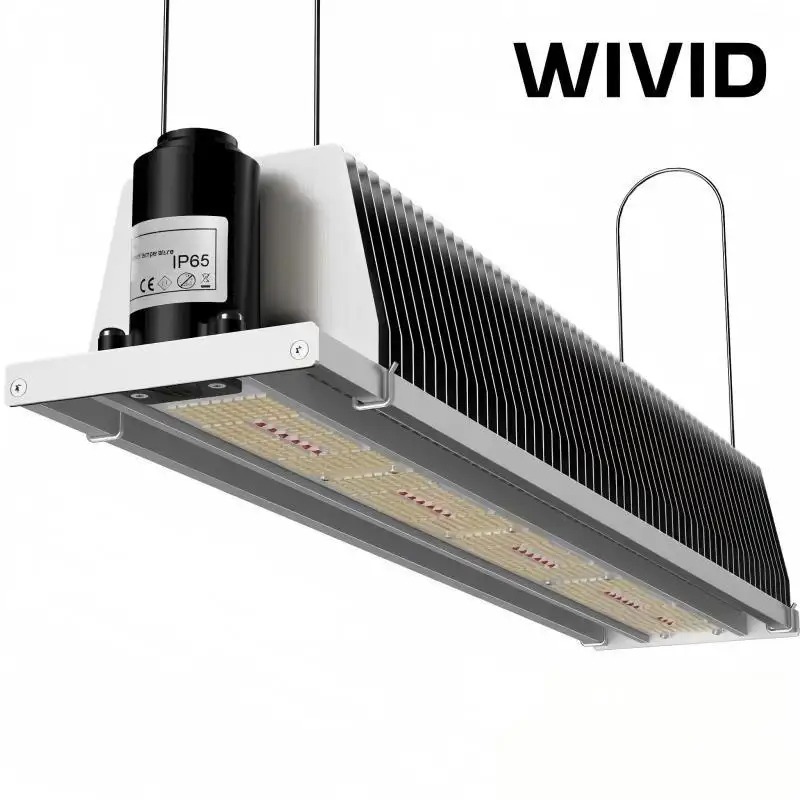
Winter greenhouse production presents unique challenges that can significantly impact crop yields and profitability. Reduced natural daylight hours, lower light intensity due to sun angle, and cloud coverage create suboptimal growing conditions for many high-value crops. Growers who rely solely on ambient winter sunlight often experience slower growth rates, reduced flowering, delayed harvest schedules, and diminished crop quality. The integration of supplemental lighting systems, particularly horticulture toplight fixtures, has emerged as a proven strategy to overcome these seasonal limitations and maintain consistent production throughout the coldest months.
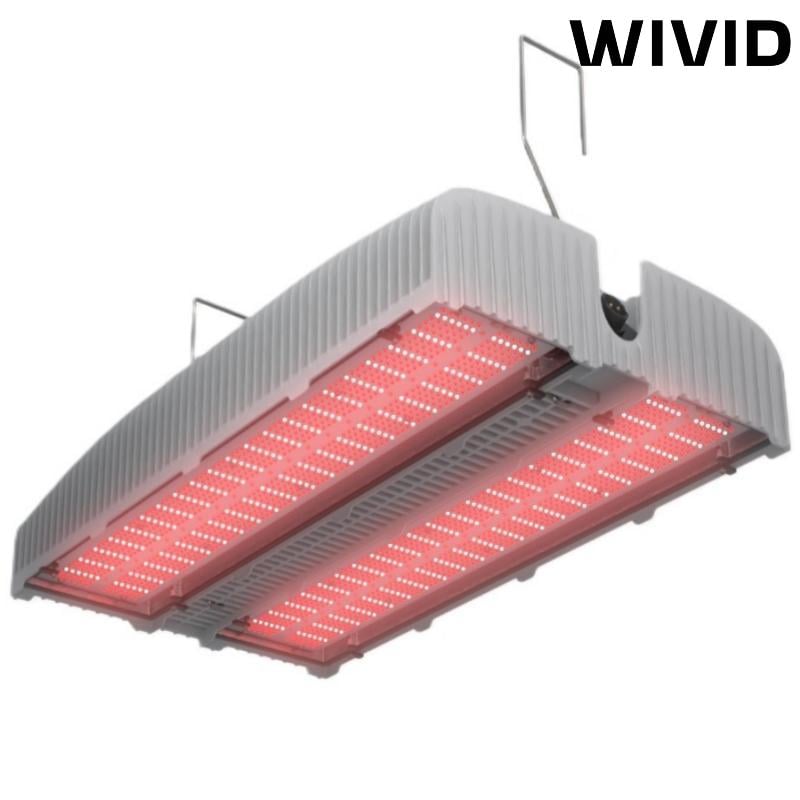
The science behind how top lighting improves winter greenhouse yields centers on delivering consistent photosynthetically active radiation that compensates for natural deficiencies. Modern horticulture toplight systems are engineered to provide optimal spectral output, uniform canopy coverage, and energy-efficient operation that directly translates into measurable improvements in biomass accumulation, fruit set, and marketable yield. Understanding the specific mechanisms through which overhead supplemental lighting influences plant physiology during winter conditions enables growers to make informed investment decisions and optimize their lighting strategies for maximum return on investment.
Understanding Winter Light Limitations in Greenhouse Production
Seasonal Reduction in Daily Light Integral
The daily light integral represents the total amount of photosynthetically active radiation received by plants over a twenty-four hour period, measured in moles per square meter per day. During winter months in temperate and northern regions, this critical parameter can drop to less than twenty percent of summer levels due to shorter day length and reduced solar intensity. Many commercial greenhouse crops require minimum daily light integrals between twelve and twenty moles per square meter per day for optimal growth and productivity. Without supplemental lighting intervention, winter DLI values frequently fall into the five to eight mole range, creating a substantial photosynthetic deficit that directly limits yield potential.
This dramatic seasonal light reduction affects different crop types in varying degrees, with fruiting vegetables like tomatoes, peppers, and cucumbers being particularly sensitive to inadequate light availability. Ornamental crops experience delayed flowering, stretched internodes, and reduced color intensity under low winter light conditions. Leafy greens may continue growing but at significantly slower rates with increased susceptibility to physiological disorders and disease pressure. The implementation of horticulture toplight systems addresses these fundamental limitations by extending the effective photoperiod and elevating instantaneous light intensity to maintain target DLI levels throughout winter production cycles.
Impact of Low Sun Angle on Light Penetration
Beyond reduced day length, winter sun angle creates additional challenges for greenhouse light management that are often underestimated by growers. When the sun sits low on the horizon, incoming natural light must pass through more atmospheric mass, which scatters and absorbs photosynthetically active radiation before it reaches greenhouse structures. Furthermore, low-angle sunlight strikes greenhouse glazing materials at oblique angles, resulting in higher reflection losses and reduced transmission efficiency compared to the more direct overhead angles characteristic of summer months.
Inside the greenhouse structure, low winter sun angles create pronounced light gradients with significantly higher intensity near south-facing walls and deep shadows in northern sections. This uneven distribution makes it difficult to achieve uniform crop development across the entire production area without supplemental lighting intervention. Horticulture toplight fixtures mounted overhead eliminate these spatial inconsistencies by providing consistent downward illumination that mimics the optimal noon sun position regardless of actual solar geometry. This uniformity becomes particularly important in commercial operations where harvest timing and product consistency directly affect market value and operational efficiency.
Compounding Effects of Cloud Cover and Weather Patterns
Winter weather patterns in many growing regions include extended periods of overcast conditions that further reduce available natural light beyond the baseline seasonal decline. Cloud coverage can decrease instantaneous light levels by seventy to ninety percent compared to clear sky conditions, creating multi-day periods where plants receive inadequate photosynthetic energy for maintenance respiration, let alone productive growth. These unpredictable weather fluctuations make it nearly impossible to maintain consistent crop development schedules when relying exclusively on natural illumination.
The biological impact of prolonged low-light periods extends beyond simple growth rate reduction. Plants experiencing chronic light stress exhibit altered hormone balance, reduced photosynthetic capacity, weakened structural integrity, and compromised immune function that increases susceptibility to pathogens and pests. Recovery from these stress periods requires time and resources even after light conditions improve, creating cumulative yield losses throughout the production cycle. Strategic deployment of horticulture toplight systems provides a reliable baseline light level that buffers crops against weather variability and enables predictable production scheduling regardless of external atmospheric conditions.
Photobiological Mechanisms Behind Yield Enhancement
Optimizing Photosynthetic Carbon Assimilation
The primary mechanism through which horticulture toplight systems improve winter yields involves enhanced carbon fixation through photosynthesis. When light energy strikes chlorophyll molecules in plant leaves, it drives the conversion of carbon dioxide and water into glucose and oxygen through the light-dependent and light-independent reactions of photosynthesis. During winter months, insufficient natural light creates a bottleneck in this fundamental process, limiting the rate at which plants can manufacture the carbohydrates needed for growth, fruit development, and storage organ formation.
Supplemental top lighting elevates instantaneous photosynthetic photon flux density to levels that saturate the photosynthetic machinery of crop plants, typically in the range of four hundred to eight hundred micromoles per square meter per second depending on species. This optimized light intensity enables maximum carbon assimilation rates during the supplemental lighting period, building carbohydrate reserves that support continued development even during low natural light periods. Research consistently demonstrates that maintaining adequate photosynthetic rates through supplemental lighting translates directly into increased dry matter accumulation, which forms the foundation for enhanced fruit weight, increased fruit numbers, and improved overall biomass production in winter greenhouse crops.
Regulating Photoperiodic Flowering Responses
Beyond simple photosynthetic enhancement, horticulture toplight installations influence critical developmental transitions that determine crop productivity in photoperiod-sensitive species. Many greenhouse crops including strawberries, certain ornamental varieties, and some vegetable species require specific day length conditions to initiate or maintain flowering. Winter's naturally short days can trigger unwanted vegetative growth in long-day plants or premature dormancy in species adapted to extended photoperiods.
Strategic use of overhead supplemental lighting enables precise photoperiod control that maintains crops in their optimal reproductive phase throughout winter production periods. By extending the perceived day length through morning and evening supplemental illumination, growers can manipulate flowering timing, increase flower initiation rates, and maintain continuous fruit set in crops that would otherwise cease productive growth under natural winter photoperiods. This photoperiodic management capability becomes particularly valuable in year-round production systems where consistent harvest schedules are essential for market supply agreements and revenue stability.
Enhancing Phytochrome-Mediated Growth Responses
Plant responses to light extend well beyond photosynthesis through specialized photoreceptor proteins including phytochromes, cryptochromes, and phototropins that regulate morphological development and physiological processes. The spectral composition and timing of light exposure from horticulture toplight systems can be optimized to elicit beneficial growth responses that improve crop architecture, resource allocation, and ultimately yield potential during winter production cycles.
Modern horticulture toplight fixtures typically incorporate spectral tuning that balances photosynthetic efficiency with morphological optimization. The inclusion of appropriate ratios of red to far-red wavelengths influences phytochrome photoequilibrium, affecting internode elongation, leaf expansion, and branching patterns. Blue light components activate cryptochrome responses that regulate stomatal opening, chloroplast development, and secondary metabolite production. By providing spectrally balanced overhead illumination, supplemental lighting systems create compact, well-structured plants with optimal leaf area index for light capture and efficient conversion of photosynthetic products into marketable yield components.
Technical Considerations for Maximum Yield Impact
Determining Optimal Installation Height and Spacing
The effectiveness of horticulture toplight systems in improving winter yields depends critically on proper installation geometry that balances light intensity, uniformity, and energy efficiency. Mounting height represents a fundamental design parameter that affects both the instantaneous light level delivered to the crop canopy and the uniformity of coverage across the growing area. Fixtures installed too close to the canopy provide high intensity but create pronounced hotspots with inadequate overlap between adjacent fixtures. Conversely, excessive mounting height improves uniformity but reduces delivered intensity due to the inverse square law governing light propagation.
Professional greenhouse lighting designers typically recommend mounting heights between two point five and four meters above the crop canopy for most horticulture toplight applications, with specific optimization based on fixture beam angle, output characteristics, and crop requirements. Proper spacing between fixtures ensures that the overlap of light distribution patterns creates uniform illumination across the entire production area. Computer-based photometric modeling tools enable precise prediction of light distribution patterns before installation, allowing growers to optimize fixture layout for their specific greenhouse geometry and crop requirements. This technical attention to installation parameters directly translates into more consistent crop development and maximized yield response to the supplemental lighting investment.
Selecting Appropriate Light Intensity Levels
The target light intensity for horticulture toplight systems must be carefully matched to crop species, production objectives, and economic constraints. Different crops exhibit varying light saturation points beyond which additional photon delivery provides diminishing yield returns. Leafy greens and herbs typically show excellent response to supplemental lighting levels of two hundred to three hundred micromoles per square meter per second, while fruiting vegetables may benefit from intensities reaching five hundred to seven hundred micromoles per square meter per second when combined with adequate carbon dioxide enrichment and climate control.
Economic analysis plays an essential role in determining optimal supplemental light intensity, as both capital investment and operational costs scale with target light levels. Growers must balance the marginal yield increase achieved through higher intensity against the additional electricity consumption and equipment costs required to deliver that intensity. In many winter production scenarios, moderate supplemental lighting intensities that elevate total daily light integral into the optimal range for the specific crop provide the most favorable return on investment. Strategic implementation of horticulture toplight systems at economically justified intensity levels enables sustainable year-round production that remains competitive in winter wholesale markets where product scarcity often commands premium pricing.
Timing Supplemental Lighting for Photosynthetic Efficiency
The daily timing schedule for horticulture toplight operation significantly influences both the magnitude of yield improvement and the energy cost required to achieve that improvement. Two primary strategies dominate commercial greenhouse supplemental lighting: photoperiod extension and daylight supplementation. Photoperiod extension involves operating lights during pre-dawn and post-dusk periods to extend the total day length, which can be particularly effective for photoperiod-sensitive crops and requires relatively low light intensities. Daylight supplementation operates fixtures during natural daylight hours to boost intensity levels that would otherwise be inadequate due to cloud cover or low sun angle.
Many successful winter production operations employ hybrid approaches that combine both strategies, using horticulture toplight systems for high-intensity supplementation during midday periods when plants are most photosynthetically active, then transitioning to lower-intensity photoperiod extension during dawn and dusk. Advanced lighting controllers can integrate real-time solar radiation sensors that automatically modulate supplemental lighting output based on instantaneous natural light availability, maximizing energy efficiency while maintaining target daily light integral delivery. This intelligent timing optimization ensures that every kilowatt-hour of electricity consumed translates into meaningful photosynthetic carbon fixation and yield enhancement rather than wasteful over-illumination during periods when natural light is already adequate.
Integrating Top Lighting with Greenhouse Climate Management
Coordinating Light and Temperature Relationships
The yield benefits of horticulture toplight systems can only be fully realized when supplemental lighting is properly integrated with greenhouse temperature management. Photosynthetic rate exhibits strong temperature dependence, with most greenhouse crops showing optimal carbon assimilation between twenty and twenty-five degrees Celsius. During winter operation, the radiant heat output from supplemental lighting fixtures represents a significant sensible heat source that affects greenhouse heating requirements and temperature distribution patterns.
Traditional high-intensity discharge lighting systems such as high-pressure sodium fixtures generate substantial waste heat that can reduce supplemental heating costs during winter nights but may create challenges during unseasonably warm periods. Modern LED-based horticulture toplight systems offer much lower radiant heat output, requiring careful recalibration of heating system operation to maintain optimal crop temperatures. The reduced thermal load from LED fixtures can actually increase heating costs in some scenarios, though this is typically offset by dramatic reductions in electrical consumption. Sophisticated greenhouse environmental controllers now incorporate lighting system status into their temperature management algorithms, adjusting heating and ventilation responses to maintain optimal growing conditions regardless of supplemental lighting operating status.
Balancing Light Intensity with Carbon Dioxide Enrichment
Carbon dioxide availability represents a critical limiting factor in photosynthetic response to elevated light levels from horticulture toplight systems. Under high light conditions, plants rapidly deplete carbon dioxide from the air surrounding their leaves, creating a concentration gradient that limits the rate of carbon fixation despite adequate light energy. Ambient atmospheric carbon dioxide concentration of approximately four hundred parts per million becomes insufficient to support maximum photosynthetic rates when instantaneous light intensity exceeds natural levels through supplemental lighting.
Commercial greenhouse operations that invest in horticulture toplight installations should simultaneously implement carbon dioxide enrichment systems to fully capitalize on the enhanced light availability. Target enrichment levels typically range from eight hundred to twelve hundred parts per million during daylight hours when supplemental lighting is active and plants are photosynthetically active. This coordinated approach to light and carbon dioxide management creates synergistic yield improvements that exceed the benefits of either technology implemented independently. The combined effect enables winter production rates that approach or even exceed summer yields in well-managed facilities, fundamentally transforming the economics of year-round greenhouse agriculture.
Managing Humidity in Response to Enhanced Transpiration
Increased photosynthetic activity driven by horticulture toplight systems simultaneously elevates plant transpiration rates, adding significant moisture load to the greenhouse atmosphere. During winter months when ventilation is minimized to conserve heating energy, this enhanced moisture output can rapidly elevate relative humidity to levels that promote fungal diseases, reduce vapor pressure deficit, and compromise crop health. The yield gains achieved through supplemental lighting can be quickly erased by disease pressure if humidity management is inadequate.
Effective dehumidification becomes essential in winter greenhouses operating high-intensity supplemental lighting systems. Various technologies including mechanical dehumidifiers, condensing heat exchangers, and optimized ventilation strategies can maintain target humidity levels that support both crop health and photosynthetic efficiency. The energy cost of dehumidification must be factored into the overall economics of supplemental lighting implementation, though modern energy-efficient dehumidification systems can recover substantial heat energy from the condensation process to offset heating requirements. Integrated climate management systems that coordinate lighting, heating, cooling, and dehumidification functions enable growers to maintain optimal growing conditions throughout winter production cycles while minimizing total energy consumption per unit of yield produced.
Economic Analysis and Return on Investment Considerations
Calculating Yield Increase and Revenue Impact
The financial justification for horticulture toplight systems centers on the incremental yield increase achieved through supplemental lighting and the market value of that additional production. Published research and commercial production data consistently demonstrate winter yield improvements ranging from thirty to one hundred percent depending on crop type, baseline light conditions, and supplemental lighting intensity. For high-value crops such as tomatoes, peppers, strawberries, and specialty cut flowers, these yield increases translate directly into substantial additional revenue that can justify significant capital investment in lighting infrastructure.
Accurate yield projection requires careful analysis of baseline production levels without supplemental lighting, realistic assessment of the daily light integral increase achievable with the proposed horticulture toplight system, and crop-specific yield response curves that relate DLI to marketable production. Conservative financial modeling should account for the learning curve associated with optimizing supplemental lighting operation and the potential for diminishing returns at very high light intensities. Many commercial operations find that moderate supplemental lighting intensities that move winter DLI from severely deficient to adequate levels provide the most attractive payback periods, typically ranging from two to four years depending on crop value, electricity costs, and local winter light conditions.
Evaluating Operating Costs and Energy Efficiency
The ongoing electrical consumption of horticulture toplight systems represents the primary operating cost that must be recovered through increased production value. Traditional high-pressure sodium lighting technology consumes approximately six hundred to one thousand watts per square meter of growing area for typical supplemental lighting intensities, while modern LED fixtures achieve comparable light output with forty to sixty percent lower electrical demand. This dramatic efficiency improvement has fundamentally altered the economics of supplemental lighting, making year-round production financially viable in regions where electricity costs previously prohibited winter lighting.
Comprehensive operating cost analysis must also account for fixture maintenance, replacement lamp costs for discharge lighting systems, and the incremental heating or cooling requirements resulting from lighting system operation. LED-based horticulture toplight installations offer substantial advantages in maintenance costs due to extended operational lifetimes exceeding fifty thousand hours compared to ten to fifteen thousand hours for high-pressure sodium lamps. The total cost of ownership over a typical ten-year planning horizon often favors LED technology despite higher initial capital investment. Growers should request detailed energy consumption specifications and photometric data from lighting system suppliers to enable accurate economic modeling that accounts for both capital and operating expenses.
Accessing Incentives and Financing Options
Many regions offer utility incentive programs, agricultural grants, or tax credits specifically targeting energy-efficient greenhouse technology adoption including advanced horticulture toplight systems. These financial incentive programs can substantially reduce the effective capital cost of supplemental lighting installations, improving project economics and accelerating payback periods. Growers should thoroughly research available programs in their jurisdiction and work with lighting system suppliers who have experience navigating incentive application processes.
Equipment financing options specifically designed for agricultural technology investments provide another avenue for managing the capital requirements of horticulture toplight implementation. Many lighting system suppliers and agricultural lenders offer financing packages that align payment schedules with crop production cycles and expected revenue increases. Lease-to-own arrangements can eliminate upfront capital requirements entirely, enabling growers to immediately benefit from yield improvements while spreading equipment costs over multiple production seasons. Careful financial planning that explores all available incentive and financing options helps ensure that supplemental lighting investments remain accessible to operations of all scales.
FAQ
What is the minimum greenhouse size that justifies investing in horticulture toplight systems?
The economic viability of horticulture toplight installations depends more on crop value and production intensity than absolute greenhouse size. High-value crops such as tomatoes, peppers, strawberries, and specialty ornamentals can justify supplemental lighting investments in facilities as small as five hundred to one thousand square meters when winter production significantly increases annual revenue. Lower-value crops like leafy greens typically require larger production areas exceeding two thousand square meters to achieve favorable return on investment. The key consideration is whether the incremental yield increase multiplied by market price and production area generates sufficient additional revenue to recover capital and operating costs within an acceptable timeframe, typically three to five years for most commercial operations.
Can horticulture toplight systems completely replace natural sunlight in greenhouses?
While horticulture toplight systems can theoretically provide all necessary light energy for plant growth, the most economically efficient approach combines supplemental lighting with natural solar radiation rather than attempting complete replacement. Natural sunlight remains the most cost-effective light source when available, and greenhouse structures are specifically designed to maximize solar transmission. Supplemental lighting serves to augment inadequate natural light during winter months, extend photoperiods, and provide baseline light levels during overcast periods. Complete reliance on artificial lighting is generally only justified in indoor vertical farms or plant factories where land costs, environmental control requirements, or urban locations preclude traditional greenhouse construction. Most commercial greenhouse operations optimize their horticulture toplight systems to bridge the gap between available natural light and crop requirements rather than eliminating dependence on solar radiation entirely.
How long does it take to see measurable yield improvements after installing supplemental top lighting?
The timeline for observing yield benefits from horticulture toplight installations varies by crop type and production cycle. Fast-growing leafy greens and herbs may show measurable growth rate improvements within one to two weeks of system activation, with full yield impact apparent within a single four to six week production cycle. Fruiting vegetables like tomatoes and peppers exhibit more gradual responses, with improved flowering and fruit set becoming apparent within three to four weeks and full yield increases requiring eight to twelve weeks as fruit development progresses. Perennial crops and woody ornamentals may require several months to demonstrate complete yield response. Growers should plan for at least one complete production cycle under supplemental lighting before making definitive assessments of system performance, allowing time to optimize operational parameters such as light intensity, photoperiod, and integration with climate control systems.
Do different colored lights from horticulture toplight fixtures affect winter yields differently?
Spectral composition of horticulture toplight systems does influence plant responses beyond simple photosynthetic rate, affecting morphology, flowering, and secondary metabolite production. Red wavelengths in the six hundred to seven hundred nanometer range drive photosynthesis most efficiently and promote flowering in many species. Blue wavelengths between four hundred and five hundred nanometers regulate stomatal opening, leaf expansion, and compact growth habits. Far-red light above seven hundred nanometers influences phytochrome responses affecting stem elongation and flowering time. Most commercial horticulture toplight systems employ broad-spectrum white light or carefully balanced combinations of red and blue wavelengths that optimize both photosynthetic efficiency and desirable growth characteristics. While spectral tuning offers opportunities for fine-tuning crop responses, adequate total light intensity and daily light integral delivery remain more important than precise spectral composition for achieving substantial winter yield improvements in most commercial greenhouse applications.
Table of Contents
- Understanding Winter Light Limitations in Greenhouse Production
- Photobiological Mechanisms Behind Yield Enhancement
- Technical Considerations for Maximum Yield Impact
- Integrating Top Lighting with Greenhouse Climate Management
- Economic Analysis and Return on Investment Considerations
-
FAQ
- What is the minimum greenhouse size that justifies investing in horticulture toplight systems?
- Can horticulture toplight systems completely replace natural sunlight in greenhouses?
- How long does it take to see measurable yield improvements after installing supplemental top lighting?
- Do different colored lights from horticulture toplight fixtures affect winter yields differently?