
 EN
EN
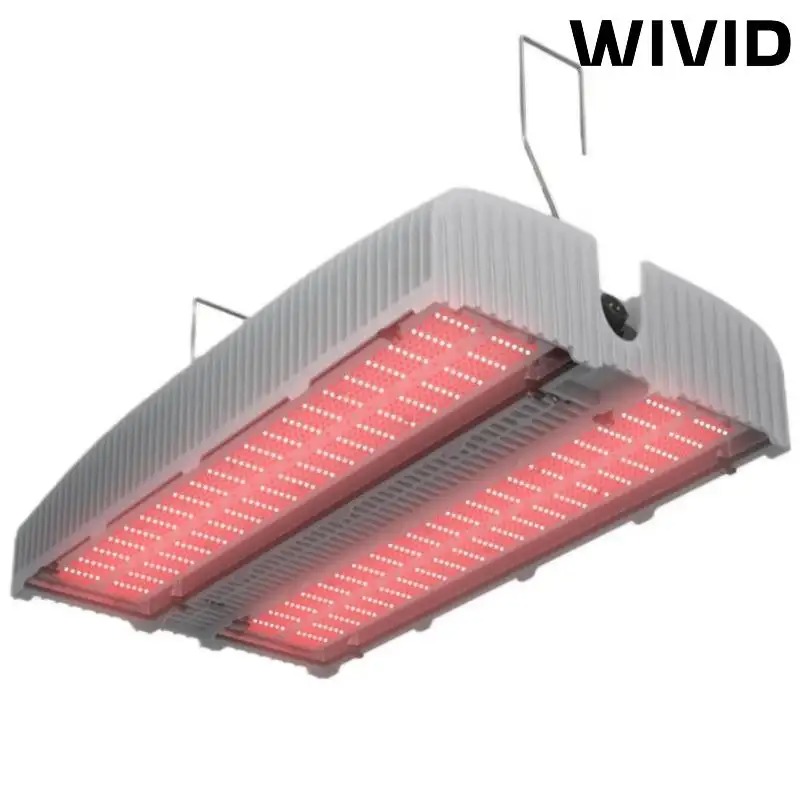
Selecting the right lighting solution for greenhouse crops is one of the most consequential decisions a commercial grower can make. Every crop species has distinct light requirements, and meeting those requirements precisely is what separates average yields from exceptional ones. Among the available technologies, horticulture interlight has emerged as a powerful method for delivering photosynthetically active radiation directly into the crop canopy, rather than only from above.
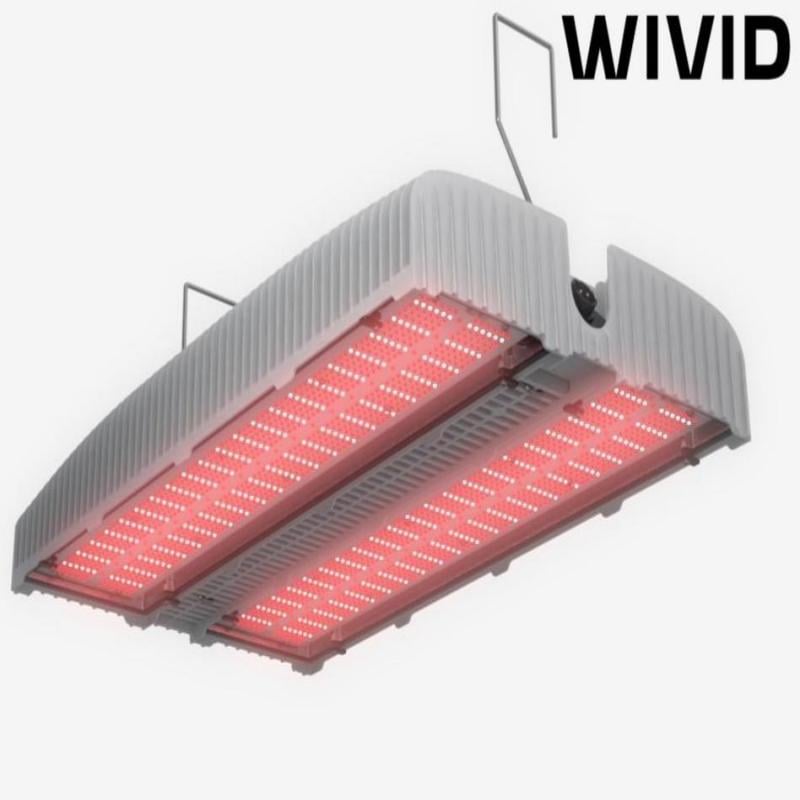
Understanding when and how to apply horticulture interlight alongside toplighting is critical for growers managing dense canopy crops like tomatoes, cucumbers, and peppers. This guide examines how different greenhouse crops respond to horticulture interlight strategies, what placement logic drives better results, and how to align your lighting investment with your specific crop goals.
Why Horticulture Interlight Changes Canopy Light Distribution
The Core Limitation of Toplighting Alone
Traditional greenhouse lighting relies exclusively on toplights mounted above the crop. While toplighting is effective for low-canopy crops and seedlings, it struggles to penetrate deep into tall, leafy crops. As light travels downward through layers of foliage, it is absorbed or reflected before reaching lower leaves. Horticulture interlight addresses this fundamental limitation by positioning light sources within the canopy itself, targeting the mid and lower leaf zones that toplighting cannot efficiently reach.
When a crop like high-wire tomato grows to two meters or beyond, the lower fruiting trusses and supporting leaves are essentially operating in a light-deficient environment. Horticulture interlight fixtures placed at strategic intervals along the row bring consistent photon flux to those shaded zones, activating photosynthesis across a much larger total leaf area. This directly supports higher fruit set rates and more uniform fruit development across the entire plant height.
How Horticulture Interlight Improves Photosynthetic Efficiency
Horticulture interlight works by supplementing the light spectrum within the canopy rather than replacing toplighting. The combination creates a more complete and uniform light environment. Leaves in the lower canopy that would otherwise be photosynthetically inactive during low-light periods can now contribute meaningfully to the plant's overall carbon fixation. This improves dry matter accumulation and, consequently, crop quality and marketable yield. Horticulture interlight fixtures are designed with low-profile form factors to minimize shading when mounted between plant rows, ensuring that their physical presence does not subtract from the light budget they are intended to add.
Matching Horticulture Interlight to Specific Greenhouse Crops
Tomatoes and High-Wire Crops
Tomatoes are the most widely documented application for horticulture interlight systems. Because tomato plants are trained to grow vertically over many months, the canopy becomes extremely dense. Horticulture interlight fixtures installed at roughly one meter above the growing substrate deliver red and blue spectrum light directly to the mid-canopy. Research and grower experience consistently show that horticulture interlight in tomato production increases truss development speed, improves fruit sugar content, and reduces the proportion of unmarketable fruit caused by uneven development. Growers applying horticulture interlight to tomatoes typically see measurable improvements in light use efficiency compared to toplighting-only systems.
Cucumbers also benefit significantly from horticulture interlight. Like tomatoes, cucumber plants are grown on vertical training systems and develop dense leaf canopies quickly. Horticulture interlight positioned within the cucumber canopy supports lateral shoot development and helps maintain leaf vitality in the lower zones. This leads to a more extended productive period per plant cycle and a more consistent harvest window. Bell peppers, another tall-growing crop, respond to horticulture interlight in similar ways, particularly when natural light levels are low during winter months.
Low-Canopy and Short-Cycle Crops
Not every greenhouse crop requires horticulture interlight. Lettuce, herbs, and other low-canopy crops typically receive adequate light from overhead toplighting systems because their leaf architecture does not create deep shading problems. Applying horticulture interlight to these crops would add cost without a proportionate yield benefit. However, for propagation stages of tall crops, horticulture interlight at bench level can accelerate early growth by providing supplemental light from the side during critical establishment phases. Growers should evaluate horticulture interlight adoption on a crop-by-crop basis, considering canopy height, leaf area index, and target light integral.
Practical Placement and System Design Considerations
Height, Spacing, and Intensity Guidelines
Effective horticulture interlight deployment depends on correct fixture height, row spacing, and light output selection. For most tall-vine crops, horticulture interlight fixtures are mounted between one and 1.5 meters above the floor or growing surface, depending on the crop's current height and growth stage. Spacing between horticulture interlight fixtures along the row typically ranges from 1.5 to 2.5 meters, adjusted to match the target daily light integral without creating hotspots. Growers should use photon flux density mapping tools to validate that horticulture interlight placement achieves even distribution before committing to a permanent installation.
The intensity of each horticulture interlight unit should complement rather than compete with the toplighting system. Overly intense horticulture interlight can cause leaf bleaching or heat stress if fixtures are placed too close to foliage. Most commercial horticulture interlight systems designed for tall crops operate in a range that supplements the lower canopy by 50 to 150 micromoles per square meter per second, adding meaningfully to the total light integral without overwhelming the plant's photosynthetic capacity.
Integration with Climate Control and Grow Strategies
Horticulture interlight generates heat within the canopy zone, which affects local temperature and transpiration rates. Growers integrating horticulture interlight into existing greenhouse systems should monitor canopy temperature closely during initial deployment. Proper airflow management ensures that the heat generated by horticulture interlight fixtures is dissipated evenly rather than creating localized warm zones. When horticulture interlight is combined with CO2 enrichment strategies, the photosynthetic gains are amplified significantly, as plants have both the light energy and the carbon substrate needed for accelerated growth.
FAQ
What crops benefit most from horticulture interlight systems?
Horticulture interlight delivers the greatest benefit to tall-growing, dense-canopy crops such as tomatoes, cucumbers, and peppers. These crops develop leaf layers that block toplighting from reaching the lower canopy, making horticulture interlight essential for maintaining whole-plant photosynthetic activity and improving yield quality throughout the growing cycle.
Can horticulture interlight replace toplighting in a greenhouse?
Horticulture interlight is designed to work alongside toplighting, not to replace it. Toplighting provides the primary overhead light source for upper canopy leaves, while horticulture interlight supplements light within the mid and lower canopy zones. Running horticulture interlight as the sole light source is generally not recommended because upper canopy leaves would receive insufficient light for optimal growth.
How does horticulture interlight affect energy costs in greenhouse production?
Adding horticulture interlight increases total energy consumption, but many growers find that the yield improvement per kilowatt-hour of electricity used is favorable compared to simply increasing toplighting intensity. Because horticulture interlight delivers photons directly to under-lit canopy zones, it tends to be a more efficient use of lighting energy for tall crops than raising the output of overhead systems alone.