
 EN
EN
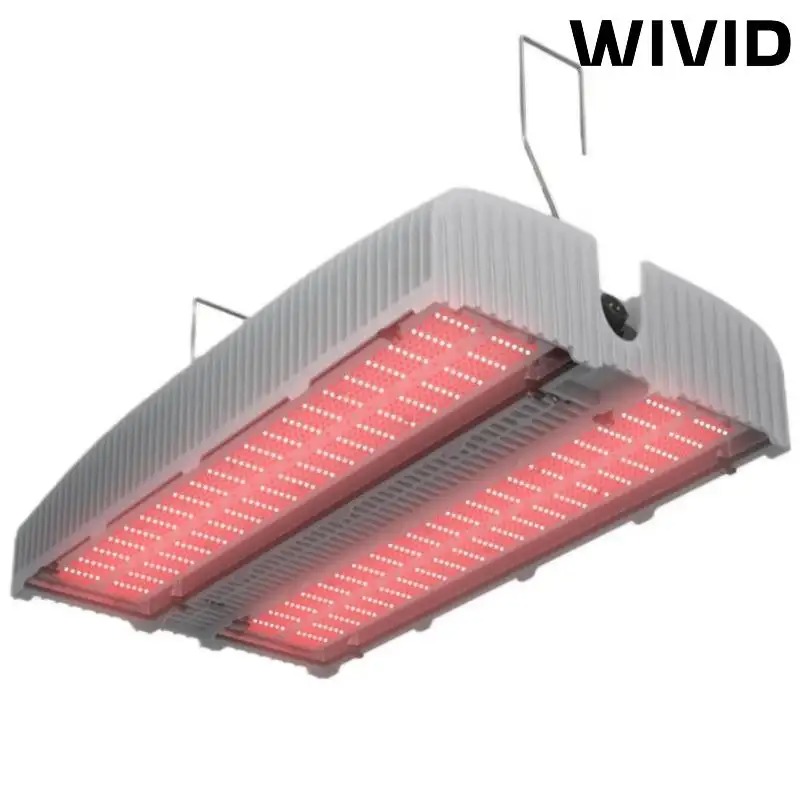
Modern indoor farming and greenhouse operations rely on precise lighting management to maximize plant yield while keeping operational costs under control. A wireless control system for horticultural lighting is a networked solution that allows growers to remotely manage, schedule, and adjust grow lights without physical wiring between control points. At the heart of this technology lies the concept of energy-saving horticulture systems, which combine smart automation with optimized light delivery to reduce electricity consumption and improve crop consistency. Understanding what these systems are and how they work is essential for any operation looking to scale efficiently.
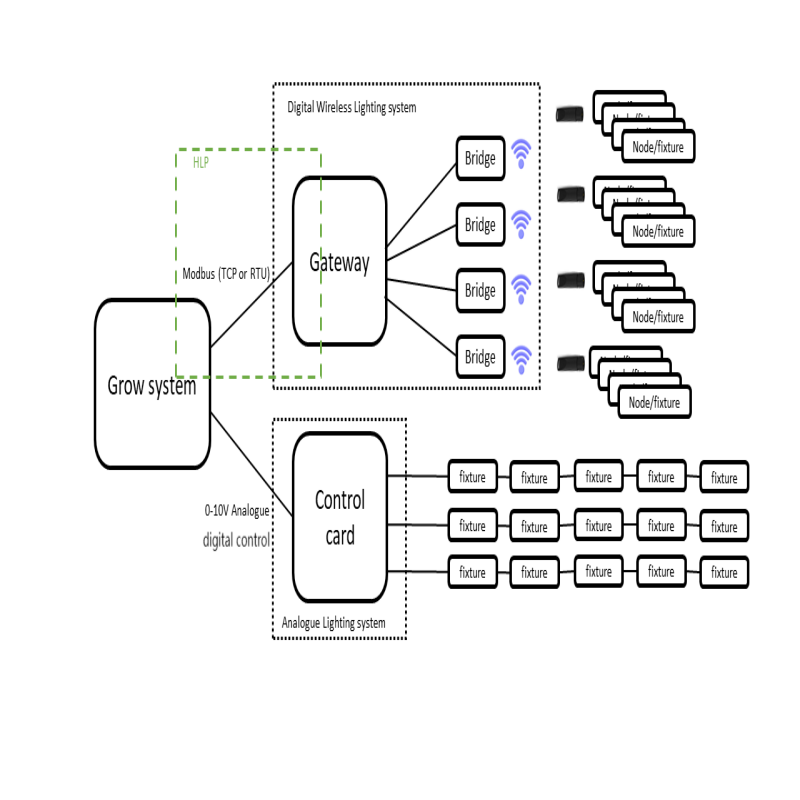
Energy-saving horticulture systems are no longer a luxury reserved for large commercial greenhouses. Thanks to advances in wireless communication protocols and LED grow light technology, even mid-scale growers can now deploy energy-saving horticulture systems that deliver measurable reductions in energy use, labor time, and crop failure rates. This article explains the definition, core components, functional benefits, and practical selection criteria for wireless control systems designed specifically for horticultural lighting environments.
Definition and Core Components of Wireless Horticultural Lighting Control
What a Wireless Control System Actually Means
A wireless control system for horticultural lighting is a hardware and software platform that manages grow light fixtures through radio frequency, Zigbee, DALI wireless, or similar protocols instead of traditional hardwired dimming or switching cables. Energy-saving horticulture systems built on this architecture allow each luminaire or group of luminaires to receive commands from a central hub or cloud-based dashboard. Growers can adjust light intensity, color spectrum, photoperiod schedules, and dimming levels from a tablet, smartphone, or building management interface. This wireless structure eliminates installation complexity and makes energy-saving horticulture systems far easier to reconfigure as crop zones change.
Key Hardware Elements Inside Energy-Saving Horticulture Systems
The physical components of energy-saving horticulture systems typically include a wireless gateway or controller hub, individually addressable LED grow light drivers with built-in receivers, and optional sensor nodes that feed real-time data back to the control platform. Sensors tracking PAR levels, ambient temperature, humidity, and CO2 concentration allow energy-saving horticulture systems to make automatic adjustments that prevent over-lighting or under-lighting. Each driver in well-designed energy-saving horticulture systems supports smooth 0-to-100 percent dimming, enabling spectrum tuning that matches specific growth stages such as propagation, vegetative growth, and flowering. The gateway connects to facility networks through ethernet or Wi-Fi, making energy-saving horticulture systems fully compatible with existing building infrastructure.
How Wireless Control Enables Energy Efficiency in Horticulture
Scheduling and Dimming as Primary Energy-Saving Tools
The most direct way that energy-saving horticulture systems reduce electricity costs is through precision scheduling and adaptive dimming. Rather than running grow lights at full power for a fixed daily cycle, energy-saving horticulture systems apply time-of-use scheduling that aligns high-intensity lighting with peak photosynthesis windows. Dimming capabilities built into energy-saving horticulture systems mean fixtures only draw the wattage required at each growth stage, which significantly lowers the daily energy load per square meter of canopy. Studies conducted in commercial greenhouse settings consistently show that energy-saving horticulture systems with dynamic dimming can reduce lighting energy consumption by 20 to 40 percent compared to manually switched, fixed-output systems.
Sensor-Driven Automation in Energy-Saving Horticulture Systems
Sensor integration transforms energy-saving horticulture systems from simple timers into responsive, intelligent platforms. When PAR sensors detect that natural sunlight is supplementing artificial light to sufficient levels, energy-saving horticulture systems automatically dim or switch off specific zones, preventing redundant electricity use. Temperature sensors within energy-saving horticulture systems can also reduce lighting intensity during high-heat periods to minimize heat stress on plants and reduce HVAC load simultaneously. This closed-loop feedback approach in energy-saving horticulture systems is what distinguishes a truly efficient solution from a basic remote-switching setup. Growers benefit from lower utility bills, more stable growing conditions, and reduced equipment wear across all fixtures managed by energy-saving horticulture systems.
Practical Selection Criteria for Wireless Horticultural Lighting Systems
Scalability and Zone Management
When evaluating energy-saving horticulture systems for a facility, scalability is the first functional criterion to assess. A wireless platform for energy-saving horticulture systems should support independent zone control so that different crops growing under different photoperiod requirements can be managed simultaneously without signal interference or scheduling conflicts. Energy-saving horticulture systems designed with mesh networking architectures are preferable in large facilities because each node extends the signal range, reducing dead zones and ensuring reliable command delivery to every fixture. The ability to add fixtures and sensors without rewiring makes energy-saving horticulture systems a practical long-term investment as facilities expand.
Protocol Compatibility and Integration with Existing Infrastructure
Compatibility with existing building management systems is a critical factor for commercial growers adopting energy-saving horticulture systems. Systems that support open protocols such as DALI-2, Zigbee 3.0, or standard API integrations allow energy-saving horticulture systems to communicate with HVAC controllers, irrigation managers, and energy monitoring dashboards within a unified facility platform. Proprietary systems may offer polished interfaces, but energy-saving horticulture systems built on open standards give operators greater flexibility when upgrading individual components without replacing the entire network. Security features including encrypted communication channels are equally important in energy-saving horticulture systems deployed across internet-connected greenhouse networks, ensuring that remote access does not expose the facility to operational vulnerabilities.
FAQ
What types of grow light fixtures are compatible with energy-saving horticulture systems?
Most modern LED grow lights with 0-to-10V or PWM dimming inputs can be integrated into energy-saving horticulture systems using compatible wireless driver modules. Some fixture manufacturers build wireless receivers directly into the driver housing, making integration seamless. It is advisable to confirm protocol compatibility between the wireless gateway and the specific driver model before deployment to ensure energy-saving horticulture systems deliver full dimming and scheduling functionality.
How much installation complexity is involved in deploying a wireless horticultural lighting control system?
Because energy-saving horticulture systems eliminate most control wiring between fixtures and a central panel, installation labor is significantly lower than traditional wired DALI or 0-to-10V networks. Fixtures require standard power connections, and the wireless nodes are typically pre-paired at the factory. Commissioning energy-saving horticulture systems usually involves mapping zones through a software interface rather than running and terminating additional signal cables throughout the facility.
Can energy-saving horticulture systems be used in small-scale indoor farms?
Yes. Energy-saving horticulture systems are available in configurations designed for small grow tents, vertical rack farms, and single-room cultivation spaces. Entry-level energy-saving horticulture systems may include a compact gateway supporting a limited number of fixtures, making them cost-effective for growers who want automation and efficiency benefits without the overhead of an enterprise-grade platform. As the operation scales, additional nodes can be added to the same energy-saving horticulture systems network without replacing the core infrastructure.