
 EN
EN
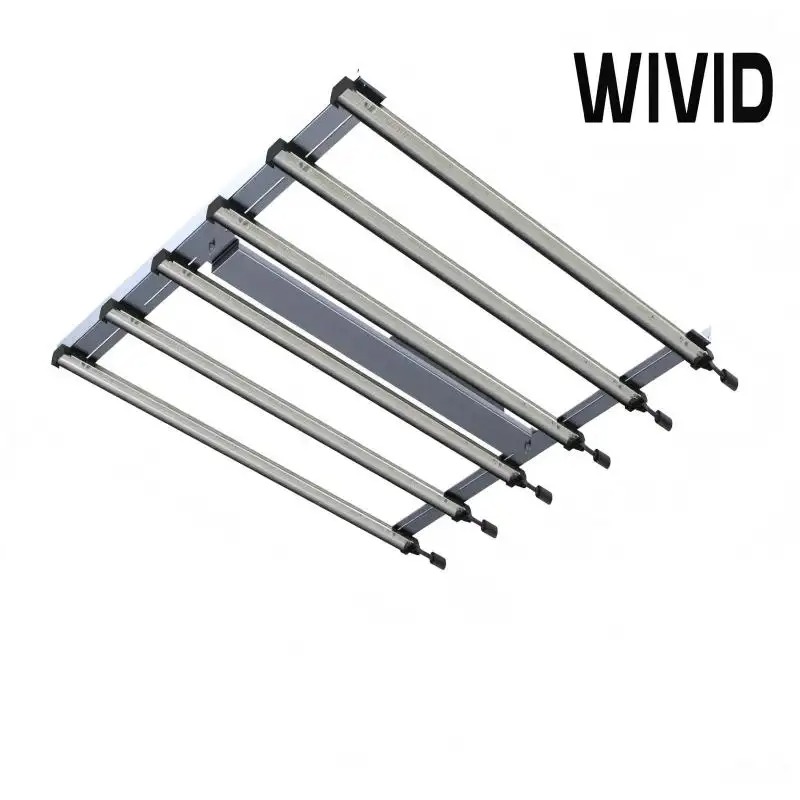
Selecting the right horticulture led lighting system for commercial greenhouse operations requires careful evaluation of several technical and operational factors. Commercial growers face unique challenges when transitioning from traditional lighting or designing new facilities, including spectrum optimization, energy efficiency, installation logistics, and return on investment considerations. Understanding how different horticulture led lighting technologies perform under greenhouse conditions helps growers make informed decisions that directly impact crop quality, yield consistency, and operational profitability. This guide walks through the essential selection criteria for horticulture led lighting in commercial greenhouse environments.
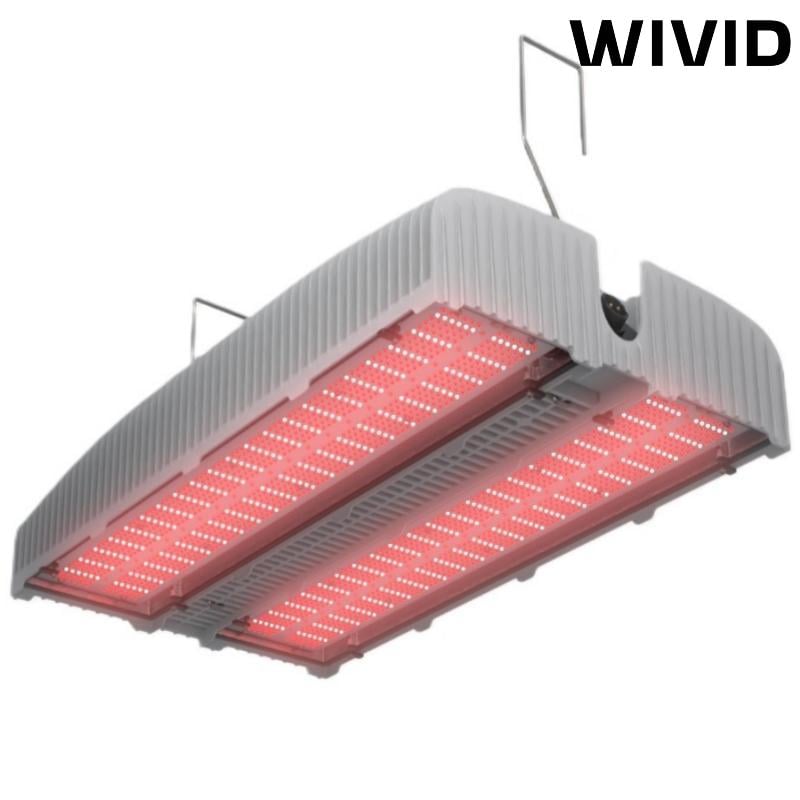
Modern horticulture led lighting systems offer commercial greenhouse operators significant advantages over conventional high-pressure sodium or metal halide fixtures. These advantages include precise spectral control, reduced heat output, lower energy consumption, and extended fixture lifespans. However, not all horticulture led lighting products deliver equivalent performance, and choosing the wrong system can result in suboptimal plant growth, wasted capital investment, and higher operational costs. The selection process must account for crop species, greenhouse structure, climate control integration, and long-term maintenance requirements to ensure the chosen horticulture led lighting solution aligns with business objectives.
Understanding Spectrum Requirements for Different Crops
Matching Light Spectrum to Plant Physiology
Different crops respond to specific wavelengths of light, making spectrum selection a critical factor when choosing horticulture led lighting for commercial greenhouses. Leafy greens such as lettuce and herbs typically thrive under horticulture led lighting systems that emphasize blue wavelengths in the 400-500 nanometer range, which promote compact growth and leaf development. Fruiting crops like tomatoes, peppers, and cucumbers require a broader spectrum from horticulture led lighting that includes red wavelengths in the 600-700 nanometer range to support flowering and fruit set. Many modern horticulture led lighting fixtures offer full-spectrum output that mimics natural sunlight, providing flexibility for growers cultivating multiple crop types within the same greenhouse facility.
Adjustable Spectrum Capabilities
Advanced horticulture led lighting systems now feature adjustable spectrum capabilities that allow growers to modify light output throughout different growth stages. This flexibility enables commercial greenhouse operators to optimize their horticulture led lighting for vegetative growth during early crop stages and shift toward flowering-optimized spectra as plants mature. Some horticulture led lighting platforms include separate control channels for blue, red, and white diodes, giving growers precise control over spectral composition. When evaluating horticulture led lighting options, consider whether your operation would benefit from this programmability or if a fixed-spectrum solution meets your production needs. Adjustable horticulture led lighting typically carries a higher initial cost but may deliver superior crop performance and production flexibility over time.
Evaluating Energy Efficiency and Light Output
Photosynthetic Photon Efficacy Metrics
The efficiency of horticulture led lighting is measured in photosynthetic photon efficacy, expressed as micromoles of photosynthetically active radiation per joule of electrical energy consumed. High-quality horticulture led lighting systems for commercial greenhouses typically deliver efficacy values between 2.5 and 3.0 micromoles per joule, though some premium fixtures exceed 3.2 micromoles per joule. Higher efficacy translates directly to lower electricity costs for achieving target light levels, making this metric essential for calculating operational expenses and payback periods. When comparing horticulture led lighting products, request independent test data verifying efficacy claims rather than relying solely on manufacturer specifications. The actual field performance of horticulture led lighting can vary based on operating temperature, dimming level, and fixture age, so understanding real-world efficacy helps set accurate performance expectations.
Balancing Initial Investment with Operating Costs
Commercial greenhouse operators must balance the higher upfront cost of premium horticulture led lighting against long-term energy savings and maintenance benefits. Lower-cost horticulture led lighting options may seem attractive initially but often deliver inferior efficacy, shorter lifespans, and reduced light output over time. Calculating total cost of ownership for horticulture led lighting should include purchase price, installation labor, projected energy consumption over five to ten years, and expected replacement frequency. Many commercial growers find that investing in high-efficacy horticulture led lighting systems pays for itself within three to four years through electricity savings alone, with additional value from reduced cooling costs and longer fixture service life. Financing options and utility rebate programs for efficient horticulture led lighting can further improve the economic case for premium systems.
Assessing Coverage Patterns and Installation Requirements
Determining Optimal Fixture Spacing and Height
Proper coverage uniformity from horticulture led lighting is essential for consistent crop growth across the entire greenhouse cultivation area. Commercial horticulture led lighting fixtures produce different beam angles and light distribution patterns depending on their optical design and diode arrangement. Wide-beam horticulture led lighting works well for mounting at greater heights in tall greenhouse structures, while narrow-beam fixtures may be more appropriate for lower mounting positions or high-wire crop systems. When selecting horticulture led lighting, review photometric data showing light distribution at various mounting heights to ensure adequate coverage without excessive overlap or dark zones. Most horticulture led lighting manufacturers provide spacing recommendations based on target light intensity levels, but these should be verified through computer modeling or consultation with lighting designers familiar with your greenhouse configuration.
Integration with Greenhouse Infrastructure
The physical installation requirements of horticulture led lighting must align with existing greenhouse structure and environmental control systems. Weight loading on greenhouse trusses or support cables is a critical consideration, as commercial horticulture led lighting fixtures can weigh anywhere from 15 to 50 pounds depending on power rating and construction. Electrical infrastructure must support the total connected load of the horticulture led lighting system, including appropriate circuit protection and voltage requirements. Heat output from horticulture led lighting, though lower than traditional fixtures, still contributes to greenhouse thermal load and must be factored into HVAC sizing. Some horticulture led lighting systems offer integrated cooling mechanisms or thermal management features that reduce heat transfer to the growing environment. Coordination between horticulture led lighting installation and automated shading, heating, and ventilation systems ensures all components work together to maintain optimal growing conditions.
FAQ
What is the expected lifespan of commercial horticulture led lighting systems?
Quality horticulture led lighting fixtures designed for commercial greenhouse applications typically maintain at least 90 percent of their initial light output for 50,000 to 60,000 operating hours. This translates to approximately five to seven years of continuous use before significant light depreciation occurs. The actual lifespan of horticulture led lighting depends on operating conditions including ambient temperature, electrical quality, and whether fixtures are run at full power or dimmed. Premium horticulture led lighting products may include extended warranties covering both lumen maintenance and component failures, providing additional protection for your investment.
Can horticulture led lighting completely replace natural sunlight in greenhouses?
Horticulture led lighting can supplement natural sunlight during low-light periods or serve as the primary light source in climate-controlled greenhouse environments. In northern latitudes or during winter months, natural light intensity may be insufficient for optimal crop growth, making supplemental horticulture led lighting essential for maintaining production schedules. Some commercial greenhouse operations use horticulture led lighting exclusively in combination with complete blackout systems, allowing precise control over photoperiod and eliminating variability from changing weather conditions. The decision to use horticulture led lighting as supplemental or sole-source lighting depends on crop requirements, geographic location, greenhouse design, and production goals.
How do I calculate the required light intensity for my greenhouse crops?
Light intensity requirements for greenhouse crops are typically specified in daily light integral, measured in moles of photons per square meter per day. Most commercial vegetable and ornamental crops require daily light integrals between 15 and 30 moles per square meter per day for optimal growth and quality. To determine the necessary horticulture led lighting capacity, calculate the gap between available natural light and target daily light integral, then select horticulture led lighting systems that can deliver sufficient photosynthetic photon flux density over your intended photoperiod. Professional lighting designers or agricultural consultants can help assess your specific greenhouse conditions and crop requirements to properly size horticulture led lighting installations for maximum return on investment.