
 EN
EN

High-wire crops such as tomatoes, cucumbers, peppers, and climbing beans present unique challenges and opportunities for greenhouse cultivators. These vertically trained plants can reach heights of 10 meters or more over their growing cycle, creating complex lighting requirements that differ dramatically from low-profile crops. Effective lighting design for high-wire cultivation must address vertical canopy structure, light penetration depth, uniform photon distribution, and the dynamic growth patterns inherent to these climbing plants. A well-designed horticulture toplight system serves as the foundation for optimizing photosynthesis across the entire vertical profile while managing energy costs and heat distribution effectively.
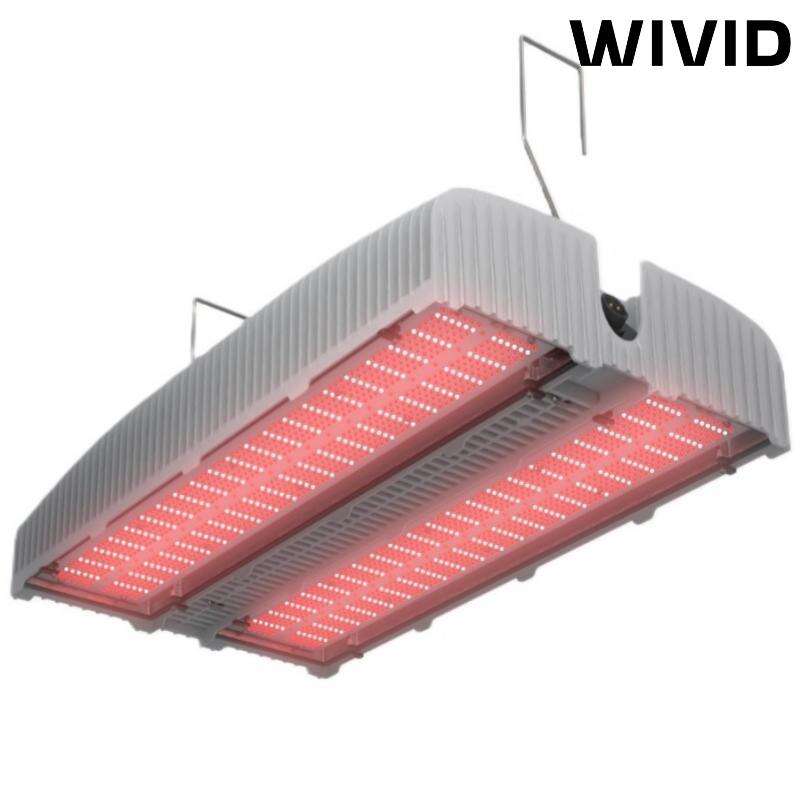
The fundamental principle behind successful lighting design for tall crops lies in understanding how light behaves within dense, vertically oriented canopies. Unlike lettuce or leafy greens that grow horizontally, high-wire crops create layered foliage structures where upper leaves can significantly shade lower portions of the plant. This shading effect intensifies as plants mature, making the selection and positioning of horticulture toplight fixtures critical to maintaining productive photosynthesis in middle and lower canopy zones. Modern greenhouse operators must balance light intensity, spectrum quality, fixture spacing, and mounting height to ensure that every productive leaf receives adequate photosynthetically active radiation throughout the crop cycle.
Understanding Light Distribution Challenges in Vertical Canopies
Canopy Architecture and Light Interception Patterns
High-wire crops develop complex three-dimensional canopy structures that evolve continuously throughout the growing season. Tomato plants, for example, begin as compact seedlings but eventually form dense foliage walls extending several meters vertically. This architectural complexity creates multiple leaf layers that compete for available light, with upper leaves intercepting the majority of photons from overhead fixtures. Research demonstrates that light intensity can decrease by 40 to 60 percent within the first meter of canopy depth in mature tomato crops, creating significant productivity gradients unless lighting systems are specifically designed to counteract this natural attenuation.
The leaf angle distribution within high-wire crops further complicates light capture efficiency. Young leaves near growing points tend to orient more vertically, while mature leaves in middle canopy sections adopt more horizontal angles to maximize light interception. This dynamic leaf positioning means that horticulture toplight systems must deliver sufficiently high photon flux at the canopy surface to ensure adequate penetration to productive leaves positioned 50 to 150 centimeters below the canopy top. Fixture selection should prioritize models with appropriate beam angles and photon output capable of overcoming this natural light gradient while avoiding excessive intensity that wastes energy or causes photoinhibition in upper leaves.
Seasonal and Daily Light Variations
Natural sunlight availability fluctuates dramatically across seasons and throughout each day, creating periods when supplemental lighting becomes essential for maintaining optimal daily light integrals. Winter months in northern latitudes may provide less than 5 moles per square meter per day of natural photosynthetically active radiation, while summer days can exceed 40 moles. High-wire crops like tomatoes typically require 15 to 25 moles daily for optimal production, meaning supplemental horticulture toplight systems must bridge substantial gaps during low-light periods. Understanding these seasonal patterns allows growers to size their lighting installations appropriately and develop control strategies that maximize energy efficiency while meeting crop light requirements.
Daily light patterns also influence how toplighting should be deployed. Morning and evening periods when sun angles are low contribute less usable light to greenhouse crops due to increased reflection and absorption by structural elements. Strategic use of supplemental lighting during these transition periods can extend the effective photoperiod and boost daily light accumulation without operating fixtures during midday hours when natural light is abundant. Advanced horticulture toplight systems integrate with light sensors and climate computers to automatically modulate output based on real-time measurements, ensuring crops receive consistent photon delivery regardless of outdoor weather conditions while minimizing electricity consumption.
Critical Design Parameters for Toplight Installation
Mounting Height and Fixture Spacing Optimization
The mounting height of horticulture toplight fixtures directly impacts both light uniformity and penetration characteristics within high-wire canopies. Fixtures installed too close to the canopy create hotspots directly beneath each unit while leaving darker zones between fixtures, resulting in uneven crop development and quality variations. Conversely, mounting lights too high reduces photon density at the canopy surface and wastes energy illuminating greenhouse structures rather than plants. For most high-wire applications, mounting heights between 2.5 and 4 meters above the mature canopy top provide optimal balance between uniformity and intensity, though specific recommendations depend on fixture photometrics and greenhouse geometry.
Fixture spacing patterns must be calculated based on beam angle characteristics and desired uniformity metrics. Most professional greenhouse installations target uniformity ratios of 0.8 or higher, meaning the minimum light intensity should be at least 80 percent of the maximum intensity across the growing area. Achieving this uniformity with horticulture toplight systems typically requires spacing fixtures at intervals ranging from 3 to 5 meters in both directions, creating a grid pattern that ensures overlapping light cones. Detailed photometric modeling using manufacturer-provided IES files allows designers to simulate light distribution patterns before installation, identifying optimal configurations that maximize coverage while minimizing the number of fixtures required. This planning phase proves especially valuable in retrofit projects where structural constraints may limit mounting options.
Power Density and Photon Flux Targets
Determining appropriate electrical power density and corresponding photon flux targets represents a critical decision point in lighting system design. High-wire tomato production typically benefits from supplemental lighting systems delivering 150 to 250 micromoles per square meter per second at the canopy surface, translating to electrical power densities of 40 to 80 watts per square meter when using efficient LED-based horticulture toplight fixtures. These intensity levels enable extended photoperiods or full supplemental lighting during low-light periods without causing light saturation or excessive heat accumulation. Cucumber cultivation may require slightly higher intensities due to naturally higher light saturation points, while pepper production can often succeed with more modest power densities.
Energy costs strongly influence the economic viability of supplemental lighting installations, making efficiency metrics paramount in fixture selection. Modern LED horticulture toplight systems achieve photosynthetic photon efficacies ranging from 2.5 to 3.2 micromoles per joule, substantially outperforming legacy high-pressure sodium technologies that typically deliver 1.7 to 2.0 micromoles per joule. This efficiency advantage translates directly to reduced operating costs over the multi-year lifespan of the installation, though LED systems generally require higher initial capital investment. Comprehensive financial modeling should account for electricity rates, fixture lifespan, maintenance requirements, and expected production increases when evaluating different lighting technologies and power density scenarios for specific high-wire crop applications.
Spectral Composition Strategies for Different Growth Stages
Vegetative Phase Spectrum Requirements
The early vegetative stages of high-wire crops benefit from spectral compositions emphasizing blue wavelengths in the 400 to 500 nanometer range, which promote compact plant architecture, strong stem development, and robust leaf expansion. Young tomato and cucumber transplants exposed to blue-enriched light develop shorter internodes and thicker stems, creating structurally sound plants better equipped to support heavy fruit loads later in the production cycle. Horticulture toplight systems designed for transplant production areas or young plant zones should deliver spectral ratios with 20 to 30 percent of photon output in the blue region, combined with red wavelengths to maintain adequate photosynthetic efficiency.
Green wavelengths between 500 and 600 nanometers, often undervalued in earlier lighting designs, play important roles in deep canopy penetration and whole-plant photosynthesis optimization. Green photons penetrate leaf tissue more effectively than red or blue light, reaching deeper canopy layers where they can drive photosynthesis in shaded leaves. Modern broad-spectrum horticulture toplight fixtures incorporate 10 to 20 percent green content to leverage these penetration characteristics while maintaining natural color rendering that facilitates crop inspection and pest identification. This balanced approach to spectral design supports both vegetative vigor and practical greenhouse operations throughout the early growth phases of high-wire crops.
Reproductive and Fruiting Phase Optimization
As high-wire crops transition into reproductive phases, lighting strategies should shift toward spectral compositions that support flowering, fruit set, and fruit development. Red wavelengths in the 600 to 700 nanometer range drive photosynthesis most efficiently and promote the carbon assimilation necessary for fruit filling and quality development. Horticulture toplight systems optimized for mature production areas typically deliver 60 to 70 percent of photon output in the red region, maximizing photosynthetic rates while supporting the high energy demands of fruit production. Far-red wavelengths beyond 700 nanometers can influence flowering timing and stem elongation in some crops, though excessive far-red may create undesirable stretching in already tall plants.
Spectral tuning capabilities available in advanced horticulture toplight systems allow growers to adjust light quality dynamically based on observed plant responses and production goals. For example, reducing blue content slightly during peak fruiting may redirect energy toward fruit development rather than continued vegetative growth, while maintaining adequate blue prevents excessive elongation. Some tomato varieties respond favorably to brief pulses of far-red light for accelerating flowering, while others show minimal response. The ability to fine-tune spectrum on a zone-by-zone basis enables sophisticated cultivation strategies that optimize each crop area according to its specific developmental stage and varietal characteristics, maximizing both yield and quality outcomes across diverse high-wire production systems.
Integration with Climate Control and Crop Management
Heat Management and Environmental Balance
All supplemental lighting systems generate heat as a byproduct of operation, requiring careful integration with greenhouse climate control systems to maintain optimal growing conditions. High-pressure sodium fixtures historically contributed 50 to 60 percent of their electrical input as radiant heat directly to the crop canopy, necessitating increased ventilation and cooling during operation. Modern LED-based horticulture toplight systems convert 35 to 45 percent of input energy to heat, with most thermal output directed upward toward greenhouse structures rather than downward toward plants. This fundamental difference requires adjustments to heating and ventilation strategies, particularly during winter months when reduced radiant heat from lighting may necessitate increased pipe heating to maintain target leaf temperatures.
Humidity management becomes increasingly complex when operating high-intensity horticulture toplight systems in densely planted high-wire crops. Extended photoperiods enabled by supplemental lighting increase crop transpiration rates, elevating greenhouse humidity levels that can promote fungal diseases if not properly controlled. Coordination between lighting schedules and dehumidification systems ensures that humidity remains within acceptable ranges throughout the photoperiod. Some advanced greenhouse operations employ hybrid lighting strategies that combine toplighting with interlighting positioned within the canopy, distributing heat more uniformly through the vertical plant profile while improving light penetration to lower leaves. These integrated approaches to lighting and climate control represent best practices for maximizing the productivity potential of high-wire cultivation systems.
Photoperiod Strategies and Light Scheduling
Determining optimal photoperiod durations for high-wire crops requires balancing several competing factors including crop light requirements, electricity costs, equipment lifespan, and plant physiological limits. Tomatoes are considered day-neutral plants that do not require specific photoperiod durations for flowering, allowing flexible lighting schedules based primarily on daily light integral targets and economic considerations. Most commercial tomato operations employ photoperiods ranging from 16 to 20 hours when supplemental lighting is active, though extending beyond 18 hours provides diminishing returns as plants approach their photosynthetic saturation points and respiration costs increase relative to carbon fixation gains.
Strategic timing of horticulture toplight operation can substantially reduce energy costs without compromising crop performance. Time-of-use electricity rates in many regions create opportunities to concentrate lighting hours during off-peak periods when rates are lower, typically during nighttime hours. Research demonstrates that tomatoes respond primarily to total daily photon accumulation rather than the specific timing of light delivery, enabling cost-effective strategies that avoid peak-rate periods. However, some minimum dark period appears beneficial for optimal metabolism, with most recommendations suggesting at least 4 to 6 hours of darkness per 24-hour cycle. Advanced scheduling algorithms incorporated into modern climate control systems automatically optimize lighting operation times based on electricity pricing structures, natural light forecasts, and crop developmental targets, maximizing economic returns while maintaining plant health.
Maintenance and Performance Monitoring
Fixture Cleaning and Optical Maintenance
Dust accumulation on horticulture toplight fixtures represents a often-overlooked factor that progressively degrades light delivery to crops over time. Greenhouse environments generate substantial particulate matter from substrate handling, plant maintenance activities, and natural dust infiltration, all of which settle on horizontal and angled surfaces including lighting fixtures. Research indicates that uncleaned fixtures can lose 15 to 30 percent of their initial light output within a single growing season due to surface contamination, directly reducing the photons available for photosynthesis. Establishing regular cleaning protocols, typically on quarterly intervals or following major maintenance events, maintains lighting system performance and ensures crops receive intended photon flux levels throughout the production cycle.
Cleaning methodologies must balance thoroughness with equipment protection, as improper techniques can damage sensitive optical components or electrical connections. Most manufacturers recommend dry cleaning using compressed air or soft brushes for routine maintenance, reserving wet cleaning with mild detergents for more substantial contamination. Cleaning should always occur when fixtures are cool and disconnected from power to prevent thermal shock or electrical hazards. For large-scale installations, specialized cleaning equipment including boom lifts or motorized platforms facilitates efficient maintenance across extensive fixture arrays. Some forward-thinking greenhouse designs incorporate cleaning access into the initial facility layout, ensuring maintenance crews can safely and efficiently service horticulture toplight systems throughout their operational lifespan without disrupting crop production activities.
Light Measurement and System Validation
Regular photon flux measurements at the canopy level provide objective data for validating that horticulture toplight systems continue delivering design specifications as fixtures age and environmental conditions change. Professional quantum sensors measuring photosynthetically active radiation in micromoles per square meter per second should be used to establish baseline light maps shortly after installation and repeated annually or following any major system modifications. These measurements identify underperforming zones that may indicate fixture failures, optical degradation, or installation issues requiring correction. Documenting light uniformity metrics over time also helps growers understand the relationship between light delivery and crop performance outcomes, enabling data-driven decisions about maintenance intervals and eventual fixture replacement.
Advanced monitoring approaches employ permanently installed sensor networks that continuously measure light levels across multiple greenhouse zones, integrating these data streams with climate computers and production tracking systems. This real-time monitoring enables automatic compensation strategies where lighting systems adjust output to maintain target photon flux levels as natural light fluctuates or as fixtures gradually lose efficiency over their operational lifespan. Predictive maintenance algorithms can analyze performance trends to forecast fixture failures before they occur, allowing proactive replacement that minimizes dark periods and production disruptions. For operations investing in sophisticated horticulture toplight installations, these monitoring capabilities represent valuable tools for maximizing return on investment while ensuring consistent crop performance across multiple growing cycles.
FAQ
What is the optimal mounting height for horticulture toplight fixtures above high-wire tomato crops?
The optimal mounting height for horticulture toplight fixtures above high-wire tomato crops typically ranges from 2.5 to 4 meters above the mature canopy top. This height range provides the best balance between light uniformity and intensity, ensuring adequate photon delivery to upper leaves while allowing sufficient beam spread to minimize dark zones between fixtures. The specific mounting height should be determined based on fixture beam angle characteristics, greenhouse structural constraints, and the maximum expected crop height. Fixtures with wider beam angles can be mounted slightly higher while maintaining good uniformity, whereas narrow-beam fixtures require lower mounting positions to achieve acceptable light distribution. Photometric modeling during the design phase helps identify the optimal mounting height for specific fixture selections and greenhouse geometries.
How does spectral composition from horticulture toplight systems affect fruit quality in high-wire crops?
Spectral composition from horticulture toplight systems significantly influences multiple fruit quality parameters including sugar content, firmness, color development, and nutritional value. Red wavelengths drive efficient photosynthesis that provides energy for fruit filling and sugar accumulation, directly impacting taste and brix levels. Blue light promotes the synthesis of protective compounds including anthocyanins and phenolics that contribute to fruit firmness and shelf life. Green wavelengths penetrate deeper into canopies, supporting photosynthesis in shaded leaves that contribute carbohydrates for fruit development. Balanced broad-spectrum approaches that include all visible wavelengths typically produce the highest overall fruit quality by supporting both vigorous plant metabolism and specific quality-enhancing biosynthetic pathways. Some crops show specific responses to narrow wavebands, such as enhanced lycopene production in tomatoes under certain red-to-far-red ratios, allowing targeted spectral tuning for premium production applications.
What energy efficiency benchmarks should growers target when selecting horticulture toplight fixtures?
Modern LED-based horticulture toplight fixtures should achieve photosynthetic photon efficacy values of at least 2.5 micromoles per joule, with premium systems reaching 3.0 to 3.2 micromoles per joule. These efficiency levels represent significant improvements over legacy high-pressure sodium technology and directly translate to reduced operating costs over the multi-year lifespan of the lighting installation. When evaluating fixtures, growers should request efficacy data measured according to standardized protocols and verified by independent testing laboratories. Beyond raw efficacy numbers, total system efficiency should account for driver efficiency, optical losses, and thermal management requirements. The most cost-effective solution balances initial capital investment against long-term energy savings, fixture lifespan, maintenance requirements, and expected production improvements, requiring comprehensive financial modeling specific to each operation's electricity costs and production goals.
How frequently should horticulture toplight fixtures be cleaned to maintain optimal performance?
Horticulture toplight fixtures should be cleaned at least quarterly in most greenhouse environments to prevent significant light output degradation from dust and particulate accumulation. Operations with particularly dusty conditions from substrate handling or nearby agricultural activities may benefit from more frequent cleaning intervals, potentially every 6 to 8 weeks. Conversely, exceptionally clean facilities with effective air filtration systems might extend cleaning intervals to twice annually without substantial performance losses. The optimal cleaning frequency for any specific operation should be determined through periodic light measurements that quantify actual output degradation over time. Establishing a consistent cleaning schedule and documenting light levels before and after cleaning provides valuable data for optimizing maintenance protocols. Regular cleaning not only maintains photon delivery to crops but also prevents heat buildup from restricted airflow around fixtures, potentially extending component lifespan and reducing failure rates in LED drivers and other electronic components sensitive to elevated operating temperatures.
Table of Contents
- Understanding Light Distribution Challenges in Vertical Canopies
- Critical Design Parameters for Toplight Installation
- Spectral Composition Strategies for Different Growth Stages
- Integration with Climate Control and Crop Management
- Maintenance and Performance Monitoring
-
FAQ
- What is the optimal mounting height for horticulture toplight fixtures above high-wire tomato crops?
- How does spectral composition from horticulture toplight systems affect fruit quality in high-wire crops?
- What energy efficiency benchmarks should growers target when selecting horticulture toplight fixtures?
- How frequently should horticulture toplight fixtures be cleaned to maintain optimal performance?