
 EN
EN

Selecting the appropriate lighting system for commercial tomato production represents a critical decision that directly impacts yield quality, crop uniformity, and long-term profitability. Tomato growers operating in controlled environments face unique challenges related to light intensity requirements, spectrum optimization, and energy efficiency. The right horticulture toplight solution must deliver consistent photosynthetic photon flux density while accommodating the specific growth stages and canopy architecture of tomato plants. Understanding how to evaluate lighting options based on technical specifications, installation requirements, and operational costs ensures growers make informed investments that align with their production goals and facility infrastructure.
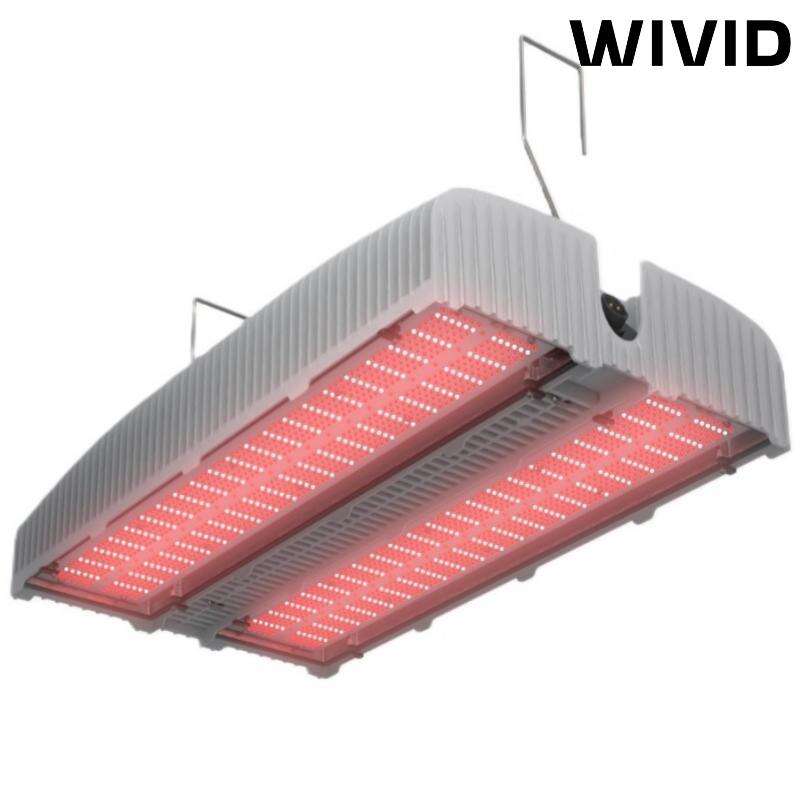
The selection process for horticulture toplight systems requires evaluating multiple interconnected factors that influence both immediate installation feasibility and long-term crop performance. Tomato production demands differ substantially from other crops due to vertical growth patterns, extended production cycles, and sensitivity to light spectrum during fruiting stages. Growers must balance photosynthetic efficiency with practical considerations such as greenhouse height clearance, thermal management, and compatibility with existing climate control systems. This comprehensive guide examines the technical criteria, performance metrics, and application-specific considerations that determine which top lighting configuration best serves commercial tomato operations across different production scales and geographic regions.
Understanding Tomato-Specific Light Requirements
Photosynthetic Demand Across Growth Stages
Tomato plants exhibit varying light requirements throughout their developmental cycle, from vegetative establishment through flowering and fruit maturation. During the seedling and early vegetative phases, tomato crops benefit from moderate photosynthetic photon flux density levels ranging between 200 and 400 micromoles per square meter per second. As plants transition into active fruiting, optimal light delivery increases substantially, with commercial production targets typically falling between 600 and 800 micromoles to maximize photosynthetic capacity without inducing photoinhibition. The horticulture toplight system selected must provide sufficient flexibility to accommodate these changing demands, either through dimming capabilities or zoned lighting control strategies that allow growers to adjust intensity based on crop development stage.
The daily light integral for tomato production represents another crucial metric when choosing top lighting infrastructure. Most high-yielding tomato varieties require cumulative daily light exposure between 20 and 30 moles per square meter to sustain optimal fruit set and development. In northern latitudes or during winter months when natural daylight falls below threshold levels, supplemental horticulture toplight becomes essential for maintaining production schedules. Growers must calculate the gap between available solar radiation and target DLI values, then select fixtures capable of delivering the necessary supplemental photons within economically viable operational hours. This calculation directly influences fixture count, wattage selection, and overall system capacity requirements.
Spectrum Considerations for Fruit Quality
The spectral composition delivered by horticulture toplight systems significantly influences tomato plant morphology, flowering density, and fruit quality characteristics. Red wavelengths between 630 and 660 nanometers drive photosynthetic efficiency and promote flowering initiation, while blue spectrum components between 400 and 500 nanometers regulate vegetative compactness and prevent excessive stem elongation. Modern LED-based top lighting solutions offer growers precise control over red-to-blue ratios, enabling optimization for specific cultivar responses and production objectives. Tomato growers prioritizing compact plant architecture with strong lateral branching typically benefit from spectrum profiles containing 15 to 20 percent blue light, while operations focused on maximum fruit production may emphasize red-dominant spectrums approaching 80 to 85 percent red content.
Far-red wavelengths beyond 700 nanometers present both opportunities and challenges in tomato production lighting design. While far-red radiation can accelerate flowering and increase fruit size through shade avoidance responses, excessive far-red exposure may trigger undesirable stem elongation and reduced leaf chlorophyll density. When evaluating horticulture toplight options, growers should examine the far-red content relative to red wavelengths, seeking systems that provide controlled far-red supplementation rather than unintentional spectral leakage. Some advanced fixtures incorporate independently controllable far-red channels, allowing growers to apply strategic far-red pulses during specific growth phases without compromising overall canopy architecture throughout the production cycle.
Technical Specifications That Determine Suitability
Photon Efficacy and Energy Performance
The photon efficacy rating of a horticulture toplight system represents the most fundamental performance indicator for comparing fixture options. Measured in micromoles per joule, this metric quantifies how efficiently electrical energy converts into photosynthetically active radiation usable by tomato plants. Current generation LED top lighting systems achieve efficacy levels between 2.5 and 3.2 micromoles per joule, while legacy HPS technology typically delivers between 1.7 and 2.1 micromoles per joule. For large-scale tomato operations where lighting energy comprises 30 to 40 percent of total operational costs, selecting fixtures at the higher end of the efficacy spectrum translates directly into reduced electricity consumption and improved economic viability over multi-year operational periods.
Beyond initial efficacy ratings, growers must evaluate how horticulture toplight performance degrades over operational lifespan. Quality LED systems maintain above 90 percent of initial output after 50,000 hours of operation, ensuring consistent light delivery throughout typical five to seven year replacement cycles. Inferior fixtures may experience accelerated lumen depreciation, falling below 80 percent output within 30,000 hours and necessitating premature replacement or supplemental fixture installation. When comparing options, request manufacturer data on L90 and L80 values, which indicate the operational hours before output drops to 90 percent and 80 percent of initial levels respectively. This longevity consideration proves particularly important for tomato operations running extended photoperiods or year-round production schedules that accumulate operational hours rapidly.
Thermal Management and Installation Height
Effective thermal management directly influences both fixture longevity and crop performance in tomato production environments. Horticulture toplight systems generate substantial heat during operation, and inadequate thermal dissipation accelerates LED degradation while potentially creating localized hot spots that stress upper canopy foliage. Passively cooled fixtures rely on heatsink design and natural convection, offering silent operation and reduced maintenance requirements but typically limiting power density to avoid overheating. Actively cooled systems incorporate fans or liquid cooling to manage higher wattage configurations, enabling more compact fixture designs and increased light intensity but introducing additional mechanical components that require periodic maintenance and eventual replacement.
The minimum installation height for horticulture toplight fixtures varies based on beam angle, power output, and desired light uniformity across the tomato canopy. Wide-angle optics distributing 120 degrees or greater allow lower mounting positions while maintaining acceptable uniformity, making them suitable for greenhouses with limited overhead clearance. Narrow beam configurations concentrating output within 90 degree angles require greater mounting heights to achieve proper coverage but deliver higher center-beam intensity for facilities with tall structures. Tomato growers must measure available clearance from mature canopy height to structural mounting points, then select fixtures and optic configurations that achieve target PPFD levels with minimum 15 percent uniformity variance across growing zones while maintaining adequate clearance for crop work and air circulation.
Evaluating System Integration and Control Capabilities
Dimming Functionality and Control Protocols
Modern horticulture toplight systems offer various control capabilities that enable growers to optimize light delivery based on natural solar radiation, electricity pricing, and crop development stage. Basic on-off control represents the minimum functionality, limiting operational flexibility and preventing integration with automated climate management systems. Analog dimming through 0-10V interfaces provides manual or timer-based intensity adjustment, allowing growers to reduce output during high natural light periods or implement sunrise-sunset ramping that reduces plant stress. Digital control protocols such as DALI or proprietary wireless systems enable sophisticated integration with environmental computers, facilitating dynamic responses to real-time greenhouse conditions and automated compensation for changing solar contributions throughout the day.
The granularity and reliability of dimming performance significantly impacts operational utility for tomato production applications. Quality horticulture toplight fixtures maintain spectral stability across the full dimming range, ensuring consistent red-to-blue ratios whether operating at 100 percent or 20 percent output. Inferior systems may exhibit spectrum shift at low output levels, introducing unintended blue enrichment that alters plant responses. Additionally, minimum dimming thresholds vary between manufacturers, with some fixtures unable to operate reliably below 30 percent while others achieve stable output down to 10 percent or lower. Tomato growers implementing light integral strategies that adjust intensity hourly based on cumulative daily exposure require systems capable of smooth, reliable dimming across wide ranges without flicker or premature LED failure.
Zoning Architecture and Fixture Density
The spatial arrangement and zoning capability of horticulture toplight installations directly affects cultivation flexibility and operational efficiency in commercial tomato facilities. Single-zone configurations treat the entire growing area as one lighting unit, simplifying control infrastructure but limiting ability to accommodate different crop stages or varieties with varying light requirements. Multi-zone designs divide the facility into independently controlled sections, enabling growers to operate seedling areas at lower intensity while mature fruiting zones receive maximum output, or implement staggered photoperiods that distribute electrical demand across off-peak hours. When planning fixture layout, tomato growers should consider both current operational patterns and potential future needs for production diversification or crop rotation strategies.
Fixture density calculations must balance installation costs against desired light intensity and uniformity requirements. Lower density configurations with fewer high-wattage fixtures reduce upfront hardware costs and simplify installation but may create greater uniformity challenges and limit granular control. Higher density layouts using more moderate-wattage horticulture toplight units increase initial investment while providing superior uniformity, enhanced redundancy against individual fixture failures, and greater flexibility for zoned control strategies. For tomato production operations, optimal density typically ranges between 40 and 60 watts per square meter of growing area, though specific values depend on target PPFD levels, fixture efficacy, and mounting height constraints unique to each facility.
Economic Analysis and Return on Investment
Total Cost of Ownership Assessment
Comprehensive economic evaluation of horticulture toplight options extends beyond initial purchase price to encompass installation costs, operational expenses, and long-term maintenance requirements. Installation labor and infrastructure modifications represent significant upfront investments, particularly in existing facilities requiring structural reinforcement or electrical service upgrades to accommodate new lighting loads. Growers should obtain detailed installation quotes that account for mounting hardware, electrical distribution, control wiring, and any necessary HVAC modifications to manage additional thermal loads. These installation costs, when amortized over expected system lifespan, may significantly alter the relative economics of fixtures with similar purchase prices but differing installation complexity.
Ongoing operational costs dominated by electricity consumption typically dwarf initial capital expenditure over multi-year ownership periods. A tomato operation running horticulture toplight systems 16 hours daily at average commercial electricity rates may incur annual energy costs exceeding initial fixture investment within two to three years. Consequently, fixtures offering even modest efficacy improvements generate substantial cumulative savings over operational lifespans. Growers should calculate projected annual energy consumption based on planned operational hours, target intensity levels, and local electricity rates, then compare these ongoing costs across fixture options. Facilities with access to time-of-use electricity pricing may achieve additional savings by selecting systems with robust control capabilities that enable load shifting toward off-peak hours when tomato light requirements and grid pricing align favorably.
Yield Impact and Quality Premiums
The ultimate justification for investing in optimized horticulture toplight infrastructure stems from improvements in tomato yield quantity, fruit quality, and production consistency that enhanced lighting enables. Research trials consistently demonstrate yield increases between 15 and 30 percent when tomato crops receive optimal supplemental lighting compared to natural light alone in light-limited environments. However, these gains depend critically on selecting lighting systems that deliver appropriate spectrum, intensity, and uniformity for the specific cultivars and production methodologies employed. Growers should seek performance data from facilities operating similar varieties under comparable environmental conditions, rather than relying on theoretical maximum yield claims that may not translate to real-world production contexts.
Beyond raw yield improvements, proper horticulture toplight selection influences fruit quality attributes that command premium pricing in wholesale and retail markets. Consistent light delivery promotes uniform fruit sizing, reduces green shoulder defects, and enhances color development that appeals to quality-focused buyers. Some tomato operations report price premiums between 10 and 20 percent for fruit grown under optimized LED spectrums compared to conventional HPS lighting, driven by superior appearance, improved flavor profiles, and extended shelf life. When evaluating lighting investments, growers should quantify potential quality premiums based on market relationships and buyer specifications, incorporating these revenue enhancements alongside yield improvements to calculate comprehensive return on investment that captures full economic impact of lighting optimization.
Practical Implementation Considerations
Retrofitting Existing Facilities Versus New Installations
Tomato growers retrofitting horticulture toplight systems into existing greenhouse structures face distinct challenges compared to new construction projects. Legacy facilities often feature electrical infrastructure sized for previous generation HPS systems, potentially requiring service panel upgrades or transformer replacement to accommodate modern LED fixtures despite lower overall power consumption. Structural mounting points designed for heavy HPS ballasts and reflectors may need reinforcement or modification to support distributed LED fixture arrays with different weight distributions and mounting requirements. Growers planning retrofits should conduct thorough facility assessments that identify electrical capacity limitations, structural load constraints, and spatial conflicts with existing climate control equipment before finalizing fixture selections.
New greenhouse construction projects afford greater flexibility for optimizing horticulture toplight infrastructure from the design phase. Structural engineers can incorporate dedicated mounting systems that simplify installation while ensuring proper load distribution and maintenance access. Electrical designs can right-size service capacity based on actual LED power requirements rather than legacy HPS assumptions, potentially reducing transformer costs and distribution infrastructure. Climate control systems can integrate lighting heat contributions into overall thermal modeling, optimizing HVAC capacity and potentially reducing heating requirements in cold climates where LED thermal output offsets winter heating loads. Tomato growers planning new facilities should engage lighting specialists during early design phases to ensure infrastructure decisions support optimal fixture selection and positioning rather than constraining options through premature commitments to incompatible structural or electrical systems.
Maintenance Protocols and Operational Reliability
Long-term operational success with horticulture toplight systems depends on implementing appropriate maintenance protocols that preserve performance and prevent premature failures. LED fixtures require substantially less maintenance than HPS alternatives, eliminating bulb replacement cycles while still benefiting from periodic cleaning to remove dust accumulation that reduces light transmission. Tomato production environments with high humidity and potential foliar spray applications may accelerate optical surface soiling, necessitating quarterly or semi-annual cleaning schedules to maintain target light delivery. Growers should establish cleaning protocols using appropriate materials that remove residue without damaging lens coatings or seals that protect internal components from moisture ingress.
Driver reliability represents the primary failure mode for quality horticulture toplight fixtures, with electronic components experiencing higher failure rates than LED arrays themselves under typical operating conditions. Manufacturers offering field-replaceable drivers significantly reduce maintenance complexity and downtime compared to sealed units requiring complete fixture replacement upon driver failure. Tomato growers operating large installations should negotiate spare parts inventory agreements that ensure access to replacement drivers and other critical components without extended lead times that could compromise production schedules. Additionally, warranty terms deserve careful evaluation, with coverage duration, included components, and replacement procedures varying substantially between manufacturers. Comprehensive warranties covering both LED arrays and drivers for five years or longer provide greater financial protection and signal manufacturer confidence in product reliability.
FAQ
What mounting height should I maintain for horticulture toplight fixtures above tomato plants?
The optimal mounting height for horticulture toplight fixtures above tomato crops depends on fixture wattage, beam angle, and desired light intensity at canopy level. Most commercial tomato operations install fixtures between 2.5 and 4 meters above mature canopy height to achieve target PPFD levels between 600 and 800 micromoles while maintaining uniformity across growing zones. Higher wattage fixtures with narrow beam angles require greater mounting heights to prevent excessive center-spot intensity and edge shadowing, while lower wattage units with wide-angle optics can be positioned closer to the canopy. Growers should request photometric modeling from manufacturers showing predicted PPFD distribution at their specific mounting height before finalizing installation plans, ensuring uniformity variance remains below 15 percent across measurement points.
How do I calculate the number of horticulture toplight fixtures needed for my tomato production area?
Calculating fixture requirements begins with determining your target photosynthetic photon flux density at canopy level, typically between 600 and 800 micromoles per square meter per second for fruiting tomatoes. Divide this target by the average PPFD value each fixture delivers at your planned mounting height, which manufacturers provide through photometric data or can measure through demonstration installations. Multiply the result by your total growing area in square meters to establish base fixture count, then add 10 to 15 percent additional units to compensate for edge effects and ensure adequate coverage in peripheral zones. This calculation should also factor in fixture efficacy and spectrum to confirm the selected units can deliver required photon density within acceptable energy consumption parameters for your operational budget.
Can I use the same horticulture toplight system for both seedling propagation and mature fruiting tomato plants?
While technically possible to use identical horticulture toplight systems across different tomato growth stages, optimal results typically require either different fixture types or zoned control that adjusts intensity and potentially spectrum between seedling and fruiting areas. Seedling propagation benefits from lower light intensities between 200 and 400 micromoles and often responds well to blue-enriched spectrums that promote compact vegetative growth, while mature fruiting plants require substantially higher intensities and may benefit from red-dominant spectrums that maximize photosynthetic efficiency. Facilities using uniform fixtures throughout should select systems with robust dimming capabilities and consider spectrum profiles that represent acceptable compromises across growth stages, though this approach sacrifices some optimization compared to stage-specific lighting strategies that many commercial operations implement.
How long does horticulture toplight equipment typically last before requiring replacement in tomato production facilities?
Quality LED-based horticulture toplight systems typically maintain acceptable performance for 50,000 to 70,000 operational hours before output degradation or component failures necessitate replacement. For tomato operations running 16-hour photoperiods year-round, this translates to approximately eight to twelve years of service life, though actual longevity varies based on operating conditions, thermal management effectiveness, and component quality. Most commercial growers plan for replacement cycles between seven and ten years, balancing equipment depreciation against technological advancement that makes newer fixtures increasingly attractive from efficiency and performance perspectives. Driver failures may occur before LED degradation becomes limiting, making field-replaceable driver designs advantageous for extending overall system lifespan without complete fixture replacement.
Table of Contents
- Understanding Tomato-Specific Light Requirements
- Technical Specifications That Determine Suitability
- Evaluating System Integration and Control Capabilities
- Economic Analysis and Return on Investment
- Practical Implementation Considerations
-
FAQ
- What mounting height should I maintain for horticulture toplight fixtures above tomato plants?
- How do I calculate the number of horticulture toplight fixtures needed for my tomato production area?
- Can I use the same horticulture toplight system for both seedling propagation and mature fruiting tomato plants?
- How long does horticulture toplight equipment typically last before requiring replacement in tomato production facilities?