
 EN
EN
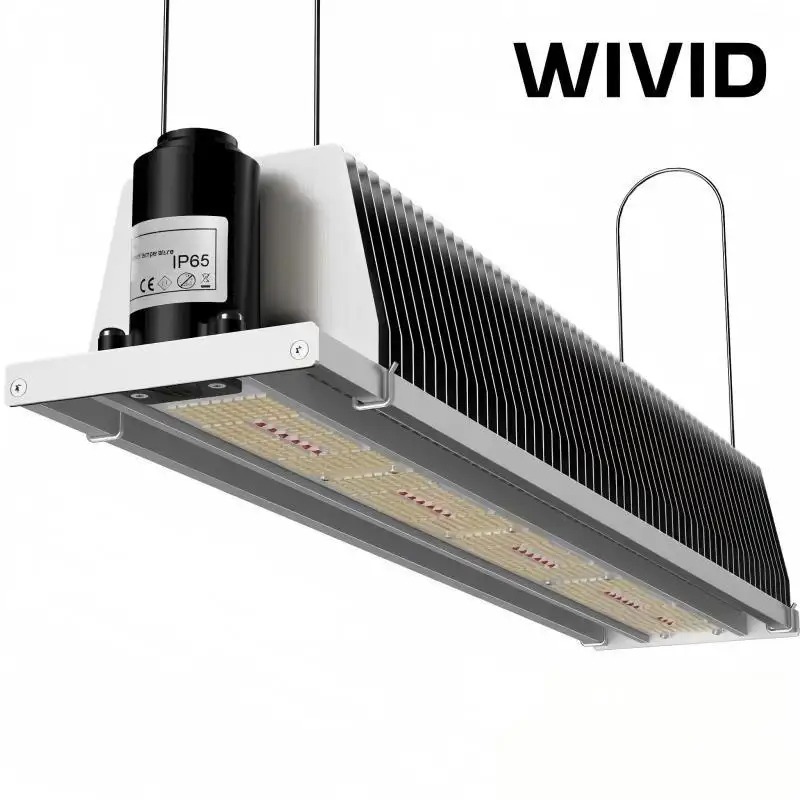
Successful crop production depends on matching horticulture LED lighting specifications to the precise growth phase of your plants. Different developmental stages demand distinct light wavelengths and intensity levels to maximize yield, energy efficiency, and plant quality. Understanding how to align horticulture LED lighting with crop progression transforms growing operations from reactive resource consumption to strategic, data-driven cultivation. This alignment directly impacts photosynthesis efficiency, morphogenesis, flowering timing, and final product quality.
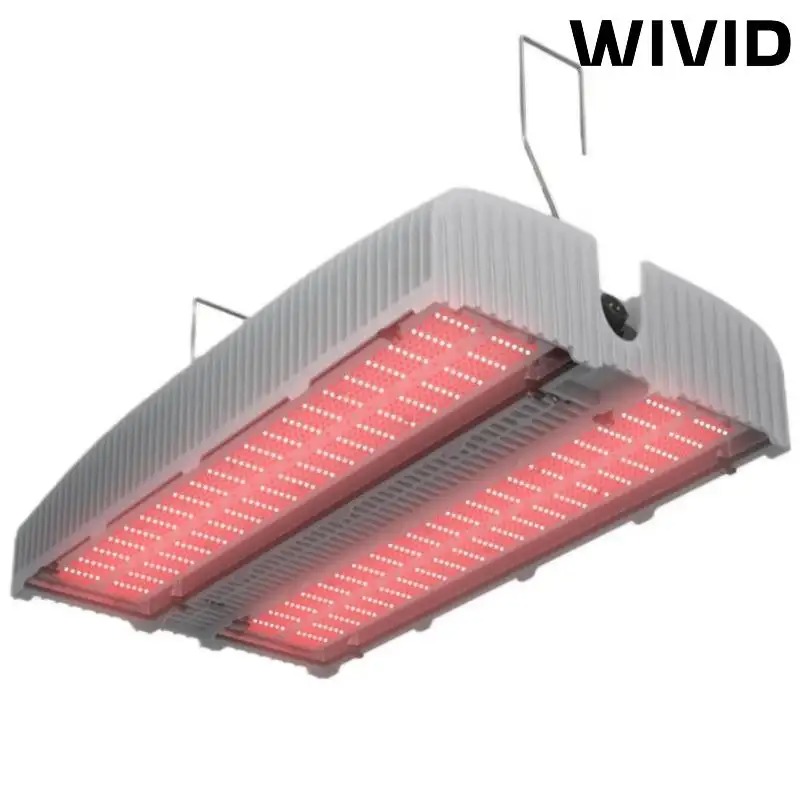
Modern horticulture LED lighting systems offer unprecedented spectral flexibility, enabling growers to shift wavelength composition dynamically across the crop calendar. Unlike traditional high-pressure sodium or metal halide fixtures, LED technology permits precise tuning of red, blue, far-red, and green wavelengths independently. This flexibility means growers no longer accept one-size-fits-all lighting; instead, they configure horticulture LED lighting profiles that match seedling, vegetative, flowering, and ripening phases. The result is accelerated crop cycles, reduced energy consumption, and superior plant performance across all cultivation systems.
Spectral Requirements During Seedling and Early Vegetative Growth
Establishing Strong Root and Shoot Development
Seedlings and early vegetative plants require horticulture LED lighting rich in blue wavelengths, typically between 400 and 500 nanometers. Blue light drives phototropism, strengthens cell walls, and promotes compact, bushy growth architecture ideal for transplanting. During this phase, horticulture LED lighting should emphasize blue spectrum while maintaining moderate red components to prevent excessive stretching. Seedlings under optimized horticulture LED lighting develop thicker stems, deeper green foliage, and robust root systems that establish faster in growing media. Growers using spectrally tuned horticulture LED lighting report 15–25% faster seedling establishment compared to unoptimized fixtures.
Light Intensity Calibration for Young Plants
Young plants beneath horticulture LED lighting fixtures demand lower photosynthetic photon flux density (PPFD) than mature crops, typically 200–400 micromoles per second per square meter. Excessive intensity under horticulture LED lighting causes photoinhibition, leaf bleaching, and stunted development. Strategic horticulture LED lighting intensity management during early growth phases prevents physiological damage while building photosynthetic capacity. As plants mature, growers progressively increase horticulture LED lighting intensity to match expanding leaf area and enhanced light capture capability. This gradual intensity ramp under horticulture LED lighting prevents shock while maximizing light utilization efficiency.
Vegetative Phase Spectral Optimization
Balancing Red and Blue for Canopy Expansion
The vegetative phase demands horticulture LED lighting that promotes leaf expansion, stem elongation, and branch development without premature reproductive signaling. Optimal horticulture LED lighting during this stage typically contains 50–60% red wavelengths (600–700 nanometers) and 20–30% blue wavelengths to drive both photosynthesis and morphological programming. This balanced horticulture LED lighting spectrum encourages lateral branching, increases leaf area index, and builds biomass essential for subsequent flowering stages. Crops grown under horticulture LED lighting with proper red-to-blue ratios develop uniform canopy architecture and maximize light interception across the growing volume. Fine-tuning horticulture LED lighting spectral composition during vegetation accelerates reach of target crop size while maintaining quality standards.
Extended Photoperiod Management with LED Lighting
Horticulture LED lighting enables precise photoperiod control throughout the vegetative phase, allowing growers to extend or compress growing timelines. Long photoperiods under horticulture LED lighting (16–18 hours daily) sustain vegetative growth and delay flowering in photoperiod-sensitive crops. The low heat output of horticulture LED lighting permits extended photoperiods without temperature stress or excessive evaporative demand. Growers leveraging horticulture LED lighting photoperiod flexibility achieve predictable crop scheduling and synchronized harvests. Strategic horticulture LED lighting photoperiod reduction signals flowering onset once target plant size is reached, creating synchronized crop maturity across production batches.
Flowering and Fruiting Phase Spectrum Adjustment
Red Spectrum Emphasis for Reproductive Development
Flowering and fruiting phases require horticulture LED lighting enriched in red and far-red wavelengths to optimize reproductive development, flower formation, and fruit quality. Horticulture LED lighting at this stage should emphasize 650–700 nanometer wavelengths while reducing blue component to 10–15% total spectrum. Far-red light (700–800 nanometers) under horticulture LED lighting systems enhances flower initiation, pollen viability, and fruit set rates. Crops transitioning under reconfigured horticulture LED lighting spectra exhibit enhanced anthocyanin production, deeper coloration, and improved flavor profiles in fruiting crops. Dynamic spectrum adjustment using modern horticulture LED lighting technology captures 20–40% yield increases over static-spectrum competitors.
Light Intensity Optimization for Maximum Fruit Quality
Flowering and fruiting crops tolerate higher PPFD under horticulture LED lighting, typically 600–1000 micromoles per second per square meter depending on crop type and CO2 availability. Full-spectrum horticulture LED lighting at elevated intensity accelerates fruit development, improves sugar accumulation, and enhances nutritional density. Growers using programmable horticulture LED lighting systems gradually increase intensity as flower clusters form, matching light supply to photosynthetic demand during peak production phases. Strategic use of horticulture LED lighting intensity peaks during fruit growth stages maximizes final product size and quality metrics. The precision of modern horticulture LED lighting technology eliminates light-limited growth while maintaining thermal stability within optimal ranges.
FAQ
How does blue spectrum in horticulture LED lighting affect plant morphology?
Blue wavelengths in horticulture LED lighting systems regulate phototropism, control stem elongation, and strengthen cellular structures through increased lignin deposition. Plants grown under blue-enriched horticulture LED lighting develop compact, bushy architecture with enhanced chlorophyll production, resulting in darker green foliage and more efficient photosynthesis. Blue spectrum in horticulture LED lighting also regulates stomatal opening and influences flowering timing in photoperiod-sensitive species, making it essential for morphological precision in controlled environment agriculture.
Can horticulture LED lighting reduce crop cycle duration?
Yes, optimized horticulture LED lighting reduces crop cycle duration by 10–30% compared to conventional lighting through accelerated photosynthesis, enhanced nutrient uptake, and optimized spectral signaling for developmental transitions. Spectrally tuned horticulture LED lighting triggers flowering and fruiting on schedule while maintaining plant vigor and product quality. The consistent, predictable light output of horticulture LED lighting eliminates weather-related delays and enables year-round production scheduling with compressed timelines.
What is the energy advantage of spectrum-matched horticulture LED lighting?
Spectrum-matched horticulture LED lighting delivers 30–50% greater energy efficiency than broad-spectrum or conventional fixtures by delivering only wavelengths plants actively use during each growth phase. Eliminating unused spectral regions under horticulture LED lighting reduces wasted energy as heat and unused photons, directly lowering electricity costs and operational expenses. Advanced horticulture LED lighting systems with dimming and spectrum adjustment capabilities achieve cumulative energy savings of 40–60% over multi-year production cycles compared to static-output traditional fixtures.