
 EN
EN
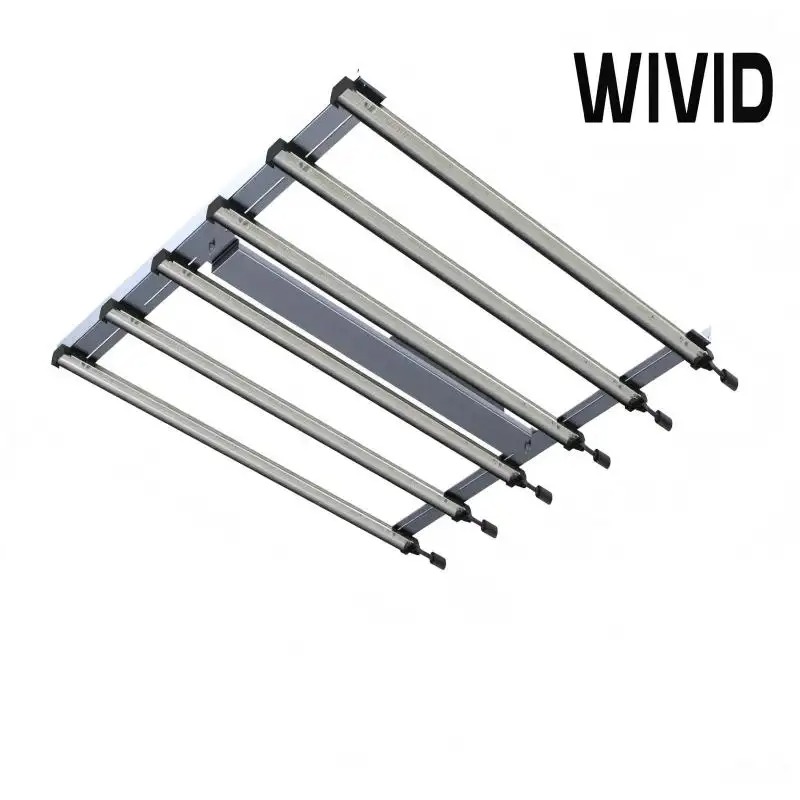
Understanding horticulture LED lighting performance requires more than just initial purchase cost or light output specifications. The lifespan and reliability of horticulture LED lighting systems directly impact long-term operational efficiency, energy consumption, and ultimately your cultivation success. Growers who invest in proper evaluation frameworks can identify systems that deliver consistent performance over years of continuous operation, reducing unexpected downtime and maintenance expenses. This guide walks you through the critical assessment methods that professional cultivators use to determine whether their horticulture LED lighting will meet reliability demands.
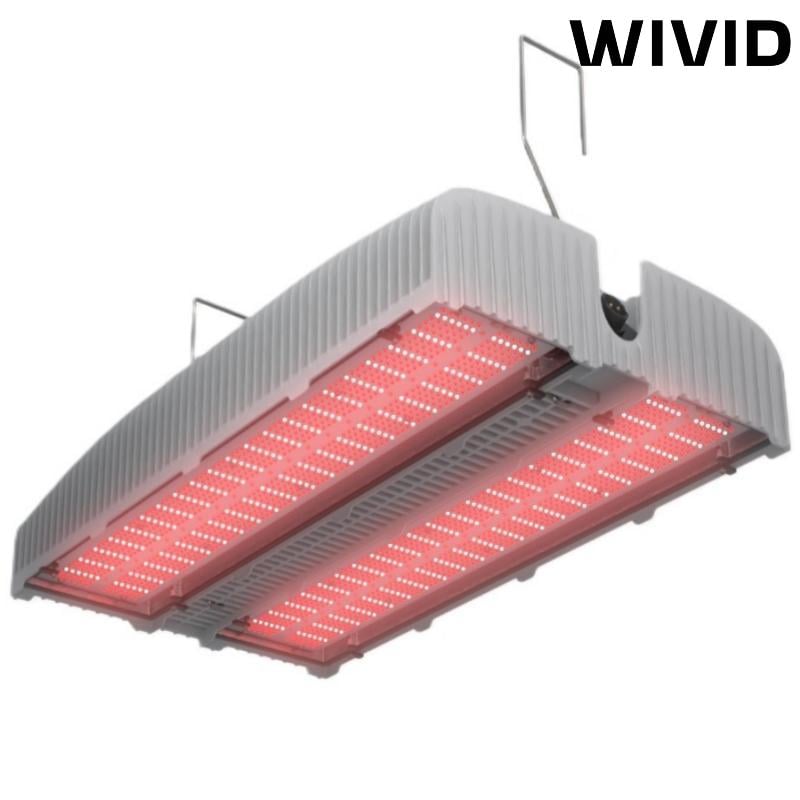
Evaluating horticulture LED lighting reliability involves examining multiple technical and operational dimensions that extend well beyond flashy marketing claims. Professional growers understand that durability specifications, thermal management design, driver quality, and real-world testing protocols reveal the true value of their investment. By systematically assessing these factors, you can confidently select horticulture LED lighting systems that perform reliably under your specific environmental and scheduling conditions, protecting your crop yields and operational budget.
Understanding Horticulture LED Lighting Lifespan Metrics
Rated Lifespan vs. Practical Operating Life
Horticulture LED lighting manufacturers often publish rated lifespan figures, typically stated in hours such as 50,000 or 100,000 hours. However, this rated lifespan does not mean the light stops working suddenly at that hour mark. Instead, rated lifespan refers to the point when horticulture LED lighting output degrades to 70% of its initial brightness level, commonly known as L70. Understanding this distinction is essential because your horticulture LED lighting may remain functional beyond rated life, though with diminished photosynthetic photon flux density (PPFD) output. Practical operating life depends on usage patterns, environmental stress, and maintenance practices.
Mean Time Between Failures (MTBF) and Reliability Ratings
Horticulture LED lighting reliability is often communicated through Mean Time Between Failures (MTBF) statistics, which estimate the average time before a component fails completely. A high MTBF value indicates that your horticulture LED lighting system will experience fewer catastrophic failures during its operating life. Quality horticulture LED lighting manufacturers provide detailed MTBF data for LED chips, drivers, and thermal components, allowing you to compare reliability across different products. This metric becomes particularly valuable when planning multi-year cultivation cycles where unexpected horticulture LED lighting failures can disrupt crop development schedules and increase operating costs.
Critical Design Factors That Determine Reliability
Thermal Management and Heat Dissipation
Thermal stress is the primary driver of premature failure in horticulture LED lighting systems, directly affecting how long your horticulture LED lighting will maintain performance. When horticulture LED lighting operates without adequate heat dissipation, junction temperatures rise, accelerating degradation of the LED chips, solder joints, and power electronics. Effective designs incorporate substantial heatsink materials, strategic internal airflow paths, and often active cooling fans to maintain optimal junction temperatures. Quality horticulture LED lighting products include thermal sensors and automatic output adjustment mechanisms that prevent overheating and extend useful life. Growers should verify that their horticulture LED lighting systems include comprehensive thermal management rather than relying on passive cooling alone.
Driver Quality and Electrical Component Selection
The power driver is the electrical brain of horticulture LED lighting, controlling current delivery to LED arrays and managing input voltage fluctuations. Poor-quality horticulture LED lighting drivers using low-grade capacitors, inadequate voltage regulation, or insufficient protection circuits fail rapidly, sometimes within months of operation. Premium horticulture LED lighting systems employ industrial-grade components with higher temperature ratings, advanced protection circuits against power surges, and comprehensive failure safeguards. These driver improvements significantly extend horticulture LED lighting reliability and reduce catastrophic failure risk. When evaluating horticulture LED lighting products, request detailed component specifications and manufacturing certifications demonstrating that drivers meet horticultural industry standards.
LED Chip Quality and Manufacturing Consistency
Not all LED chips possess equal reliability, and this variation directly impacts your horticulture LED lighting system's long-term performance. Horticulture LED lighting utilizing premium-tier chips from established semiconductor manufacturers exhibits better binning precision, lower defect rates, and more predictable degradation curves. Manufacturing consistency determines whether every individual horticulture LED lighting unit in a shipment meets the same reliability specifications or contains outliers with premature failure rates. Leading horticultural suppliers conduct rigorous incoming component inspection, burn-in testing, and performance sorting to ensure only reliable horticulture LED lighting reaches growers. Requesting documentation of these quality control processes provides assurance that your horticulture LED lighting investment includes genuine reliability engineering.
Practical Testing and Assessment Protocols
Accelerated Life Testing and Burn-In Procedures
Before deploying horticulture LED lighting in production cultivation, many professional growers conduct accelerated life testing that simulates extended operation under stress conditions. This horticulture LED lighting testing typically operates fixtures at elevated temperatures, maximum brightness, and continuous scheduling for 500 to 1000 hours, revealing latent defects that might only emerge after months of real operation. Horticulture LED lighting that fails during accelerated testing can be identified and replaced before reaching your crop environment. Many equipment distributors provide horticulture LED lighting samples for customer burn-in evaluation, allowing you to assess real reliability before committing to large-scale deployment. This proactive horticulture LED lighting assessment approach prevents costly production disruptions and validates manufacturer reliability claims.
Light Output Degradation Monitoring
Establishing baseline light measurements with a calibrated radiometer allows you to track horticulture LED lighting output degradation over extended operating periods. Take measurements at identical environmental conditions and fixture positions every 500 operating hours to document light decay patterns. Horticulture LED lighting exhibiting steep degradation curves indicates accelerated aging, potentially caused by thermal stress, driver instability, or component defects. Comparing your measured degradation data against manufacturer specifications reveals whether horticulture LED lighting is performing within expected parameters or exhibiting premature failure characteristics. Many commercial growers maintain degradation logs for their horticulture LED lighting systems, using this data to predict replacement timing and validate warranty claims when horticulture LED lighting underperforms specifications.
Environmental Stress Testing in Cultivation Conditions
Horticulture LED lighting operates within challenging environments combining high humidity, temperature fluctuations, and occasionally corrosive atmospheres from nutrient aerosols or pest management applications. Testing horticulture LED lighting reliability under actual cultivation conditions provides invaluable insights into how materials resist degradation, how electrical connections maintain integrity, and how thermal management performs amid environmental stress. Many growers deploy prototype horticulture LED lighting systems in controlled test zones before full-scale rollout, measuring spectral stability, thermal performance, and failure rates under their specific environmental profile. This cultivation-specific horticulture LED lighting assessment reveals reliability limitations that laboratory specifications might not capture, enabling informed decisions about system suitability for long-term deployment.
Factors Influencing Long-Term Performance and Durability
Operating Schedule and Duty Cycle Optimization
Horticulture LED lighting reliability is profoundly affected by daily operating schedules and utilization intensity. Systems operating 18 hours daily experience significantly different thermal and electrical stress compared to those running 12 hours daily, directly impacting effective horticulture LED lighting lifespan. Growers can extend horticulture LED lighting durability by implementing duty cycling strategies where fixtures operate at slightly reduced intensity for longer periods rather than maximum output for shorter intervals. Many advanced horticulture LED lighting controllers support programmable dimming profiles that optimize spectral delivery while reducing electrical stress and heat generation. Understanding how your specific cultivation schedule affects horticulture LED lighting aging patterns enables predictive maintenance planning and helps you extract maximum economic value from each fixture.
Environmental Control and Passive Maintenance
Uncontrolled humidity, temperature extremes, and dust accumulation accelerate horticulture LED lighting degradation and increase failure risk. Facilities maintaining stable temperature ranges (ideally 55–75°F) and relative humidity between 40–60% experience significantly longer horticulture LED lighting lifespans compared to uncontrolled environments. Regular cleaning of horticulture LED lighting optical surfaces and heatsinks prevents dust-related thermal accumulation and maintains light transmission efficiency. Proper electrical grounding and power distribution infrastructure protects horticulture LED lighting systems from voltage spikes and ground faults that damage drivers and LED arrays. Investing in facility infrastructure that supports horticulture LED lighting reliability often delivers greater returns than selecting marginally superior fixtures alone.
Manufacturer Support and Warranty Coverage
Horticulture LED lighting reliability evaluation should include assessing manufacturer support infrastructure and warranty commitments. Companies offering 3–5 year warranties demonstrate confidence in horticulture LED lighting durability and provide financial protection against premature failures. Responsive technical support, available spare parts, and documented service procedures reduce downtime when horticulture LED lighting components require maintenance or replacement. Manufacturers providing detailed performance documentation, comprehensive manuals, and regular firmware updates for intelligent horticulture LED lighting systems indicate genuine commitment to long-term customer success. Comparing warranty terms, support responsiveness, and parts availability alongside technical specifications provides a more complete reliability picture than specification sheets alone.
FAQ
What is the typical lifespan of quality horticulture LED lighting systems?
Quality horticulture LED lighting systems typically maintain usable light output for 50,000 to 100,000 operating hours, equivalent to 5–10 years of continuous operation depending on daily usage schedules. Horticulture LED lighting using premium components and proper thermal management often exceeds these timelines, while systems with inadequate cooling or low-grade drivers may fail significantly sooner. Actual lifespan depends on environmental conditions, maintenance practices, and the specific operating intensity of your horticulture LED lighting installation.
How can growers test horticulture LED lighting reliability before large-scale deployment?
Growers can implement accelerated life testing by operating sample horticulture LED lighting fixtures continuously for 500–1000 hours while monitoring for failures or performance degradation. Establishing baseline light measurements using calibrated radiometers and tracking degradation over 2–4 weeks of normal operation provides practical reliability data. Deploying prototype horticulture LED lighting in isolated test zones under actual cultivation conditions reveals environmental stress impacts before committing to facility-wide installation, making this approach essential for validating horticulture LED lighting suitability.
Which design features most significantly affect horticulture LED lighting reliability?
Thermal management emerges as the most critical reliability factor for horticulture LED lighting, as excessive junction temperatures accelerate LED chip degradation and driver failure. High-quality power drivers using industrial-grade components rank second in importance, protecting horticulture LED lighting from electrical faults and output instability. Premium LED chips from established manufacturers provide superior consistency and predictable aging curves compared to generic components. Together, these three design aspects determine whether horticulture LED lighting achieves its rated lifespan and maintains performance consistency throughout extended operation.