
 EN
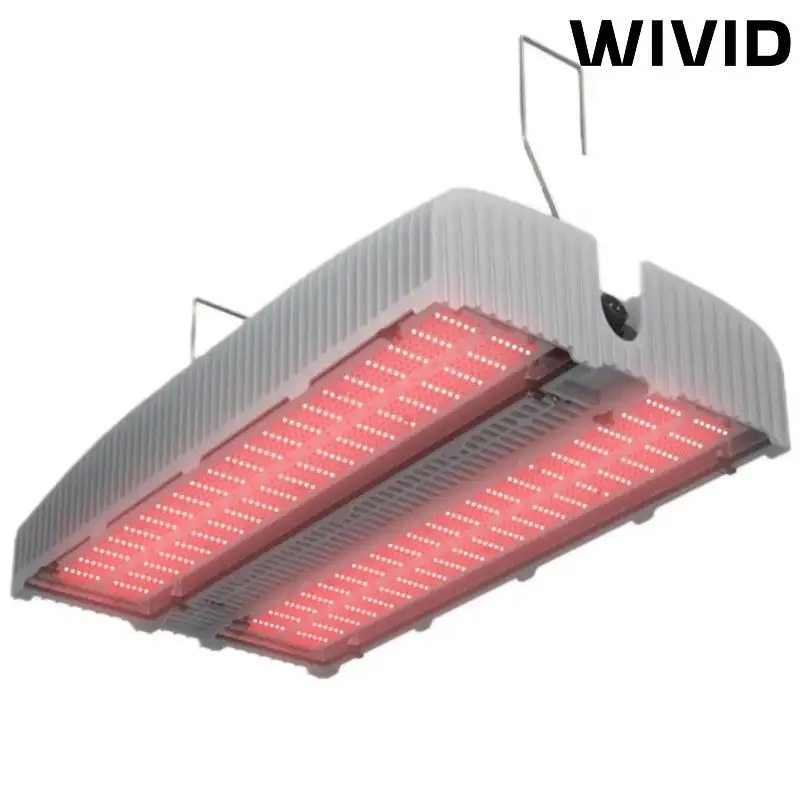
Proper placement of supplemental lighting for greenhouses is one of the most critical factors determining crop success and operational profitability. Many growers overlook the technical aspects of fixture positioning, assuming that simply installing lights overhead will deliver optimal results. However, supplemental lighting for greenhouses requires strategic planning, precise measurements, and understanding of light distribution patterns to ensure uniform coverage across all plant canopy layers. The difference between poorly positioned and expertly positioned supplemental lighting for greenhouses can range from 15% to 40% in yield improvement, making this knowledge essential for competitive growers.
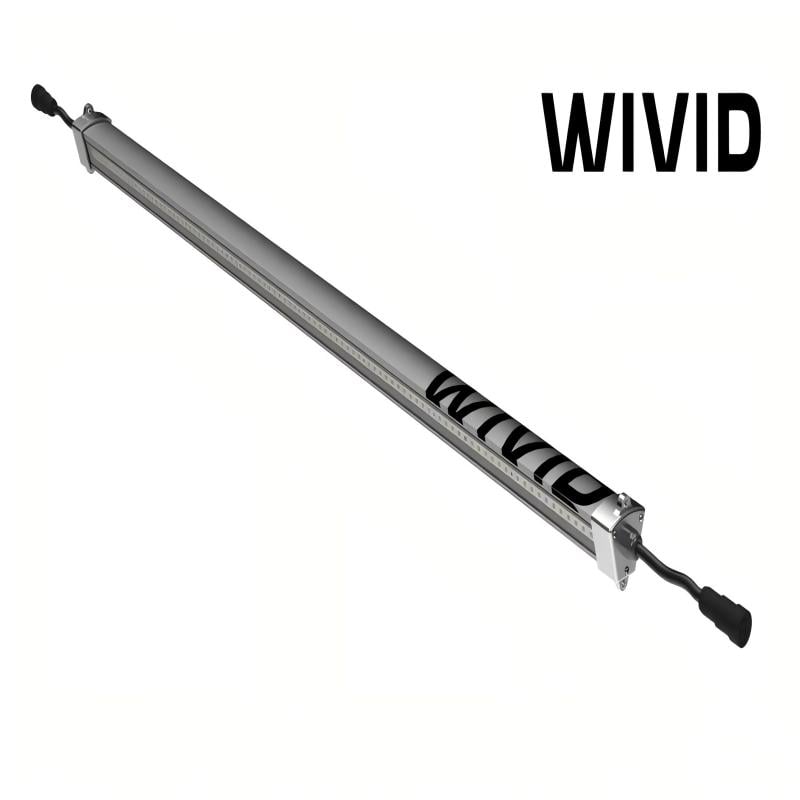
Supplemental lighting for greenhouses serves a fundamentally different purpose than primary or seasonal lighting. While natural sunlight provides the base spectrum and intensity plants require, supplemental lighting for greenhouses fills critical gaps during winter months, cloudy periods, and times when natural photoperiods fall short of crop requirements. Modern interlighting systems deliver light directly into the plant canopy, penetrating dense foliage layers that overhead systems cannot reach effectively. Understanding fixture positioning ensures every part of your growing environment receives adequate photosynthetically active radiation (PAR), which directly correlates with biomass accumulation, flowering consistency, and final harvest weight.
Understanding Light Distribution and Fixture Height
Measuring Photosynthetically Active Radiation (PAR)
The foundation of effective supplemental lighting for greenhouses positioning begins with understanding how light intensity decreases with distance. PAR measured in micromoles per square meter per second (μmol/m²/s) is the standard metric that determines photosynthetic efficiency. When installing supplemental lighting for greenhouses, you must measure PAR at multiple heights and locations within your growing space to identify dead zones where light intensity falls below 200 μmol/m²/s, which is the minimum threshold for sustained photosynthesis in most commercial crops. Distance, angle, and surrounding reflective surfaces all influence PAR distribution, meaning that supplemental lighting for greenhouses positioned at identical heights may deliver different intensities depending on canopy density and structural layout.
Fixture Spacing and Lateral Coverage
Strategic spacing of supplemental lighting for greenhouses ensures no areas receive excessive light that causes photoinhibition while preventing shadows that reduce productivity. Horizontal spacing between adjacent fixtures typically ranges from 1.2 to 1.8 meters depending on fixture wattage, reflector design, and target crop type. Supplemental lighting for greenhouses positioned too far apart creates light gradient zones where edge plants receive 30% less PAR than plants directly below fixtures, leading to uneven maturity and quality variation across harvested crops. Most commercial operations use PAR maps to guide supplemental lighting for greenhouses placement, measuring light distribution across the entire growing area before finalizing fixture locations to ensure comprehensive coverage.
Interlighting Strategies for Dense Canopy Crops
Inter-Canopy Positioning Benefits
Interlighting differs fundamentally from traditional overhead supplemental lighting for greenhouses by positioning fixtures within the plant canopy rather than above it. This approach delivers supplemental lighting for greenhouses directly to lower leaf layers that would otherwise remain shaded by upper foliage, dramatically improving light capture efficiency and photosynthetic output. Crops with dense canopies, including tomatoes, peppers, and cucumbers, respond exceptionally well to this supplemental lighting for greenhouses strategy because 40% to 60% of lower foliage receives virtually no light in purely overhead systems. Studies consistently demonstrate that supplemental lighting for greenhouses using interlighting techniques increases yield by 20% to 30% compared to equivalent overhead-only systems, with similar energy consumption, making the positioning decision economically critical.
Vertical Placement Within Growing Structures
Optimal positioning of supplemental lighting for greenhouses depends on understanding your crop's growth pattern and seasonal canopy development. Early in the season when plants are shorter, supplemental lighting for greenhouses positioned at higher elevations ensures coverage of lower leaves as the canopy expands. As plants grow, supplemental lighting for greenhouses should be adjusted upward or repositioned to maintain consistent distance from the developing canopy tops. Dynamic systems allow growers to raise supplemental lighting for greenhouses as needed, preventing light-induced damage while maintaining the inter-canopy advantage. The target distance between supplemental lighting for greenhouses and the upper canopy surface should remain between 0.5 and 1.0 meters to balance spectral quality, heat management, and photosynthetic efficiency throughout the growing season.
Installation Best Practices and Maintenance Considerations
Structural Support and Safety Requirements
Supplemental lighting for greenhouses requires robust mounting infrastructure that accommodates fixture weight, wind loading, and vibration without compromising precision positioning. Aluminum rails, pulleys, and adjustable hangers allow growers to fine-tune supplemental lighting for greenhouses height and angle as crops develop. All electrical connections must follow local code requirements, with particular attention to moisture management since greenhouse environments create condensation challenges that standard indoor supplemental lighting for greenhouses systems do not face. Thermal considerations are equally important because supplemental lighting for greenhouses generates significant radiant heat that can affect local microclimate and transpiration patterns, especially in already warm growing environments.
Cleaning and Reflectance Optimization
Maintaining maximum efficiency from supplemental lighting for greenhouses requires regular cleaning schedules because dust and condensation accumulation can reduce light output by 15% to 25% within three months. supplemental lighting for greenhouses systems with polished reflective surfaces deliver superior PAR distribution compared to standard diffuse designs, but these reflective surfaces demand more frequent cleaning to maintain performance. Greenhouse polycarbonate and glass can also accumulate algae and mineral deposits that reduce light transmission, making facility-wide cleaning as important as fixture maintenance. Quarterly PAR measurements help growers verify that supplemental lighting for greenhouses efficiency has not degraded and identify whether adjustments to fixture angles or positions are needed to compensate for growing canopy changes or facility aging.
FAQ
What height should supplemental lighting for greenhouses be positioned above plants?
The ideal height for supplemental lighting for greenhouses depends on fixture type and crop requirements, but most systems perform optimally when positioned 0.5 to 1.0 meters above the upper canopy surface. This distance balances photosynthetic efficiency with thermal safety, preventing leaf bleaching while delivering adequate PAR penetration to lower foliage layers. Growers should measure PAR at canopy level to confirm their supplemental lighting for greenhouses positioning delivers 200 to 600 μmol/m²/s depending on specific crop needs, adjusting height as the canopy develops seasonally.
How often should supplemental lighting for greenhouses be adjusted during the growing season?
Most supplemental lighting for greenhouses requires height adjustments every two to four weeks as crops grow and canopy density increases. Early-season adjustments may be more frequent as plants establish, while mid-season supplemental lighting for greenhouses positioning becomes more stable once maximum canopy height is reached. Dynamic systems with automated controls simplify this process, but manual growers should monitor canopy development weekly and measure PAR monthly to ensure supplemental lighting for greenhouses maintains optimal positioning throughout the production cycle.
Can supplemental lighting for greenhouses be positioned at an angle rather than vertically?
Yes, angled positioning of supplemental lighting for greenhouses can improve light distribution uniformity across wide growing beds and between adjacent rows. Slight angles of 15 to 30 degrees help reduce shadows cast by support structures and distribute light more evenly across the canopy width. However, supplemental lighting for greenhouses angled too steeply may create hot spots on some plants while leaving others underlit, so positioning changes should be validated with PAR mapping before implementation to ensure comprehensive, balanced coverage.