
 EN
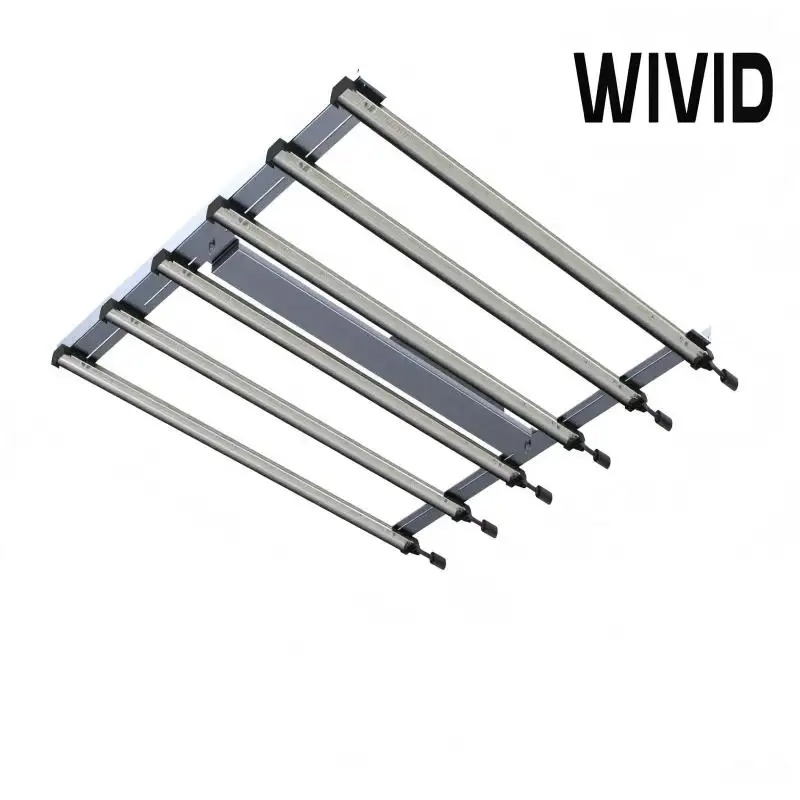
Modern agriculture demands precision, sustainability, and measurable returns on investment. Supplemental lighting for greenhouses has emerged as a critical technology for optimizing crop production while managing energy consumption strategically. Unlike traditional full-spectrum grow lights that consume excessive power, contemporary supplemental lighting for greenhouses works in harmony with natural daylight, extending productive growing hours without the energy penalty of conventional systems. This balanced approach allows growers to achieve higher yields, improve crop quality, and reduce operational costs simultaneously.

The energy efficiency advantages of supplemental lighting for greenhouses extend beyond simple power reduction. Modern interlighting systems leverage advanced LED technology, intelligent photoperiod management, and spectral optimization to deliver precisely calibrated light where crops need it most. Growers who upgrade to supplemental lighting for greenhouses report significant reductions in electricity bills while simultaneously increasing photosynthetic efficiency and biomass accumulation. Understanding how supplemental lighting for greenhouses achieves these dual benefits requires examining the technical foundations, operational strategies, and measurable outcomes that define contemporary greenhouse lighting innovation.
How Supplemental Lighting for Greenhouses Reduces Energy Consumption
Strategic Light Delivery and Spectrum Optimization
Supplemental lighting for greenhouses operates on a fundamentally different principle than full-coverage grow light systems. Rather than replacing sunlight entirely, supplemental lighting for greenhouses augments natural radiation during periods of insufficient daylight, such as early morning, late afternoon, or cloudy seasons. This targeted approach means supplemental lighting for greenhouses consumes significantly less total energy than omnidirectional lighting systems. Modern supplemental lighting for greenhouses systems use narrow-spectrum LEDs tuned to wavelengths that drive photosynthesis most efficiently, typically in the red and blue ranges. This spectral precision ensures that every joule of energy contributes directly to plant growth rather than wasting power on unused wavelengths.
LED Efficiency and Heat Minimization
Contemporary supplemental lighting for greenhouses systems employ high-efficiency LEDs that convert 50 to 70 percent of electrical input directly into usable plant light. Compared to older HPS or fluorescent fixtures that waste much of their energy as heat, supplemental lighting for greenhouses reduces thermal load dramatically. Lower cooling demands translate to further energy savings, creating a compounding efficiency advantage. The cooler operating temperature of supplemental lighting for greenhouses also protects sensitive crop tissues and reduces water stress during peak light delivery periods. This thermal efficiency makes supplemental lighting for greenhouses particularly valuable in warm climates or during summer growing seasons when greenhouse cooling costs typically spike.
Operational Strategies That Maximize Energy Performance
Dynamic Photoperiod Management and Adaptive Lighting Schedules
The energy efficiency advantages of supplemental lighting for greenhouses become most apparent when systems operate on adaptive schedules rather than fixed timers. Smart supplemental lighting for greenhouses controllers monitor ambient light levels, time of day, and seasonal variations to activate lights only when needed. Supplemental lighting for greenhouses that includes sensors can reduce activation time by 15 to 25 percent compared to clock-based systems, lowering energy consumption without compromising crop development. Many advanced supplemental lighting for greenhouses installations use weather-responsive algorithms that account for cloud cover and solar radiation forecasts. This intelligence ensures supplemental lighting for greenhouses operates at minimal duration while maintaining consistent light integrals that optimize growth and flowering timing.
Integrating Supplemental Lighting for Greenhouses with Climate Control
Energy efficiency improvements from supplemental lighting for greenhouses multiply when lighting strategies align with heating and ventilation systems. Supplemental lighting for greenhouses positioned at optimal heights and angles distributes light more evenly, reducing the need for supplemental growing areas and minimizing wasted illumination. When supplemental lighting for greenhouses operates during morning hours, it can reduce heating demand by elevating canopy temperature and promoting early transpiration. Conversely, supplemental lighting for greenhouses scheduled for late afternoon extends the productive day while coinciding with declining outdoor temperatures, reducing cooling requirements. This integrated approach transforms supplemental lighting for greenhouses from a standalone technology into a central component of whole-system energy optimization.
Quantifiable Benefits and Return on Investment
Energy Cost Reductions and Productivity Gains
Documented case studies demonstrate that supplemental lighting for greenhouses reduces electricity consumption by 30 to 45 percent compared to full-spectrum artificial lighting systems producing equivalent crop yields. Supplemental lighting for greenhouses simultaneously increases productivity because plants receive more consistent, spectrally optimized light without the energy waste of omnidirectional fixtures. Growers implementing supplemental lighting for greenhouses typically achieve payback periods of three to five years through energy savings alone. Additional profitability derives from higher crop quality, extended harvesting windows, and improved market positioning enabled by supplemental lighting for greenhouses technology. The compounding value of supplemental lighting for greenhouses becomes increasingly evident as energy prices rise and climate regulations tighten.
Environmental and Regulatory Alignment
Supplemental lighting for greenhouses aligns with sustainability mandates and carbon reduction targets that many agricultural organizations now pursue. Reducing greenhouse electricity consumption through supplemental lighting for greenhouses directly lowers operational carbon footprint and supports certifications increasingly demanded by retail buyers and distributors. Supplemental lighting for greenhouses systems qualify for energy efficiency rebates and incentive programs in many regions, further improving financial returns. Progressive growers recognize that supplemental lighting for greenhouses represents not just an operational cost reduction but a competitive advantage in markets where environmental stewardship influences purchasing decisions.
FAQ
Can supplemental lighting for greenhouses reduce energy use while maintaining crop yields?
Yes. Supplemental lighting for greenhouses combines natural daylight with precisely calibrated LED supplementation, delivering the same or higher light integrals while consuming 30 to 45 percent less electricity than traditional full-coverage systems. The key is matching light spectrum, duration, and intensity to crop requirements rather than assuming more light always requires more power.
What spectral characteristics make supplemental lighting for greenhouses most efficient?
Supplemental lighting for greenhouses works most efficiently with concentrated red wavelengths (660 nanometers) and blue wavelengths (450 nanometers), which drive photosynthesis directly. Supplemental lighting for greenhouses that includes these specific ranges eliminates wasted energy on green or far-red wavelengths that plants cannot use efficiently, maximizing photosynthetic return per watt.
How does supplemental lighting for greenhouses compare to full artificial lighting in total cost of ownership?
Supplemental lighting for greenhouses typically costs 25 to 40 percent less to operate annually than full-coverage systems while producing superior crop outcomes. When maintenance, replacement, cooling costs, and productivity gains are included, supplemental lighting for greenhouses usually delivers twice the return on investment compared to traditional omnidirectional grow light installations, making it the economically rational choice for professional growers.