
 EN
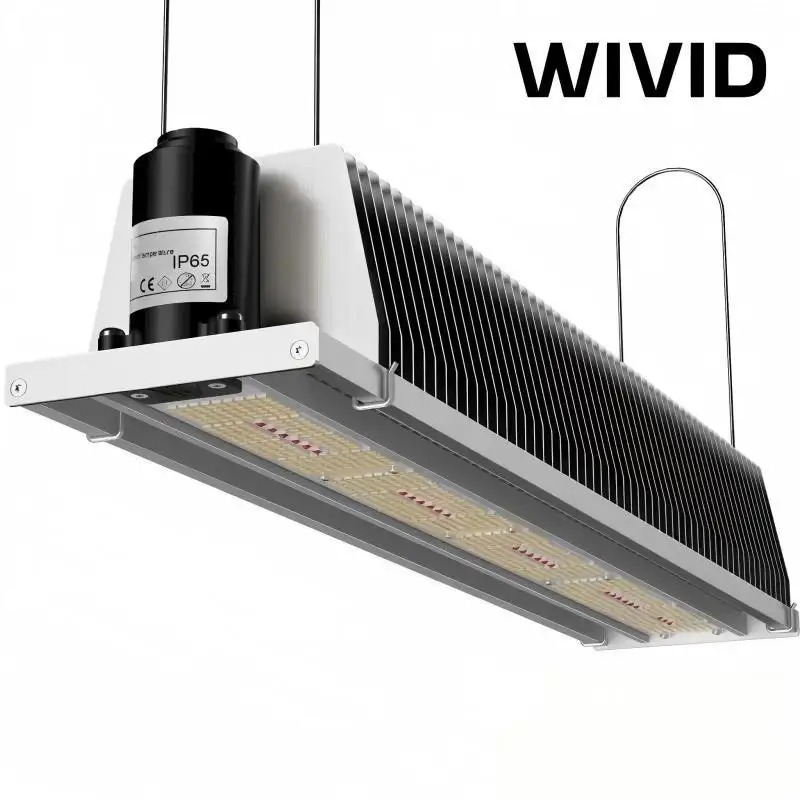
High-wire crop production has transformed modern horticulture, enabling growers to maximize vertical space and increase yields per square meter. However, achieving consistent quality and productivity depends heavily on light availability throughout the crop canopy. This is where supplemental lighting for greenhouses becomes essential. Unlike traditional overhead lighting, modern supplemental lighting for greenhouses—particularly LED interlighting systems—delivers light directly to the middle and lower canopy layers, where natural sunlight cannot penetrate effectively. This targeted approach transforms crop performance and profitability for growers working with tomatoes, cucumbers, peppers, and other high-value crops.

Supplemental lighting for greenhouses has evolved significantly over the past decade. Early systems relied on high-heat discharge lamps that consumed enormous amounts of electricity and generated excessive heat. Today's LED-based supplemental lighting for greenhouses offers dramatically improved energy efficiency, targeted light spectrum delivery, and cooler operation. High-wire growers are increasingly adopting interlighting solutions because supplemental lighting for greenhouses positioned along the crop canopy increases photosynthetic activity in leaves that would otherwise receive insufficient light. The result is measurable improvements in fruit size, quality, ripeness consistency, and overall crop yield.
Understanding Canopy Light Penetration and Interlighting
Why Light Distribution Matters in Dense Crop Canopies
In high-wire production systems, crops grow densely layered from ground to ceiling, creating significant shading challenges. The upper canopy naturally intercepts most incoming light, leaving lower and middle leaves in partial or near-complete darkness. This creates a productivity bottleneck. Supplemental lighting for greenhouses deployed as interlighting overcomes this limitation by positioning light emitters horizontally between crop layers. This geometry ensures that leaves at all canopy heights receive adequate light energy for photosynthesis, nutrient uptake, and fruit development. Research demonstrates that supplemental lighting for greenhouses using interlighting configurations increases light availability to lower canopy zones by 300 to 500 percent compared to overhead-only lighting systems.
The Science Behind Supplemental Lighting for Greenhouses
Supplemental lighting for greenhouses operates on the principle that plants respond to light intensity and spectrum. LED technology allows growers to deliver specific wavelengths that maximize photosynthetic efficiency. Modern supplemental lighting for greenhouses systems use red and blue LEDs in carefully tuned ratios, sometimes supplemented with far-red light to optimize plant morphology and flowering. When supplemental lighting for greenhouses reaches lower canopy leaves, those leaves shift from a primarily light-limited state to light-saturated, enabling higher rates of carbohydrate production and translocation. This translates directly to larger fruits, better color development, and extended productive seasons.
Performance Benefits of LED Interlighting Systems
Yield Increase and Crop Quality Improvements
Growers using supplemental lighting for greenhouses report yield increases ranging from 15 to 40 percent, depending on baseline light levels, crop type, and system design. The supplemental lighting for greenhouses effect is most pronounced in winter months and in regions with naturally lower light availability. Beyond volume, supplemental lighting for greenhouses improves fruit quality metrics including sugar content, color uniformity, and shelf life. Tomato growers, for example, see accelerated ripening and superior flavor development when supplemental lighting for greenhouses delivers consistent light to all canopy layers. Pepper producers report increased fruit set and earlier harvest timing. Cucumber growers achieve year-round production consistency through supplemental lighting for greenhouses deployment. These quality improvements typically command premium market prices, substantially improving return on investment.
Energy Efficiency and Operating Cost Reduction
Unlike high-pressure sodium or metal halide fixtures, supplemental lighting for greenhouses LED systems consume 40 to 60 percent less electricity while delivering equivalent or superior light output. A typical high-wire greenhouse producing tomatoes might use 50 to 100 kilowatts of supplemental lighting for greenhouses capacity, compared to 150 to 200 kilowatts for equivalent overhead discharge-lamp systems. This dramatic reduction in energy consumption directly decreases operating costs and improves environmental footprint. Additionally, supplemental lighting for greenhouses LED fixtures generate minimal heat, reducing cooling demands in warm climates and improving working conditions for labor. The combination of lower electricity consumption and reduced cooling needs creates payback periods of 2 to 4 years for many supplemental lighting for greenhouses installations, after which the system operates at substantial profit.
Implementation and Strategic Deployment of Interlighting
System Design and Installation Considerations
Successful supplemental lighting for greenhouses implementation requires careful planning. Growers must assess baseline light levels using photosynthetic photon flux density measurements at various canopy heights. Supplemental lighting for greenhouses system designers then calculate fixture spacing, mounting height, and electrical requirements based on target light levels and crop specifications. Most high-wire systems position supplemental lighting for greenhouses fixtures every 1.5 to 2.0 meters along crop rows, mounted on hanging structures that allow adjustment as the crop grows. Electrical infrastructure must accommodate the total supplemental lighting for greenhouses load, typically requiring dedicated circuits and efficient wiring. Professional design and installation of supplemental lighting for greenhouses systems ensures optimal light distribution, safety compliance, and system reliability. Many equipment providers offer design consultation and customized supplemental lighting for greenhouses layouts based on specific greenhouse dimensions and crop requirements.
Seasonal Integration and Light Management Strategy
Strategic use of supplemental lighting for greenhouses varies by season and region. In winter, supplemental lighting for greenhouses typically operates during daylight hours to extend effective photoperiod and increase daily light integral, addressing natural deficits. In summer, supplemental lighting for greenhouses may operate selectively during early morning or evening hours when greenhouse temperatures remain favorable. Automated supplemental lighting for greenhouses control systems integrate with greenhouse climate management to optimize plant response while managing cooling demands. Growers using supplemental lighting for greenhouses report that coordinated management of light, temperature, humidity, and nutrition maximizes the return on supplemental lighting for greenhouses investment. Many advanced facilities use data-driven supplemental lighting for greenhouses scheduling, adjusting operation based on weather forecasts, crop growth stage, and energy pricing.
FAQ
What are the primary advantages of supplemental lighting for greenhouses versus overhead systems alone?
Supplemental lighting for greenhouses, particularly interlighting configurations, delivers light directly to middle and lower canopy leaves that overhead systems cannot reach effectively. This increases light availability throughout the crop volume, dramatically improving photosynthesis in previously light-limited zones. The result is faster plant development, larger fruits, better color, higher yields, and improved crop consistency compared to overhead-only supplemental lighting for greenhouses approaches.
How much electricity does typical supplemental lighting for greenhouses consume in a commercial high-wire operation?
A medium-sized high-wire greenhouse using modern supplemental lighting for greenhouses typically operates 40 to 100 kilowatts depending on facility size, light level targets, and operational hours. LED-based supplemental lighting for greenhouses uses substantially less electricity than older discharge-lamp systems. Daily electricity consumption for supplemental lighting for greenhouses varies seasonally, with higher usage in winter months and lower usage during naturally bright periods. Most operators find that supplemental lighting for greenhouses electricity costs are offset within 2 to 4 years through yield increases and quality premiums.
Can supplemental lighting for greenhouses improve crop performance during winter production?
Yes, supplemental lighting for greenhouses provides dramatic benefits during winter when natural light levels drop significantly. Winter supplemental lighting for greenhouses extends the effective growing day and increases daily light integral, enabling year-round production of high-quality crops that would otherwise be impractical. Many growers in temperate climates depend on supplemental lighting for greenhouses to maintain consistent winter yields and quality. Without supplemental lighting for greenhouses, winter production would be limited by inadequate natural light, constraining annual production capacity and profitability.
Table of Contents
- Understanding Canopy Light Penetration and Interlighting
- Performance Benefits of LED Interlighting Systems
- Implementation and Strategic Deployment of Interlighting
-
FAQ
- What are the primary advantages of supplemental lighting for greenhouses versus overhead systems alone?
- How much electricity does typical supplemental lighting for greenhouses consume in a commercial high-wire operation?
- Can supplemental lighting for greenhouses improve crop performance during winter production?