
 EN
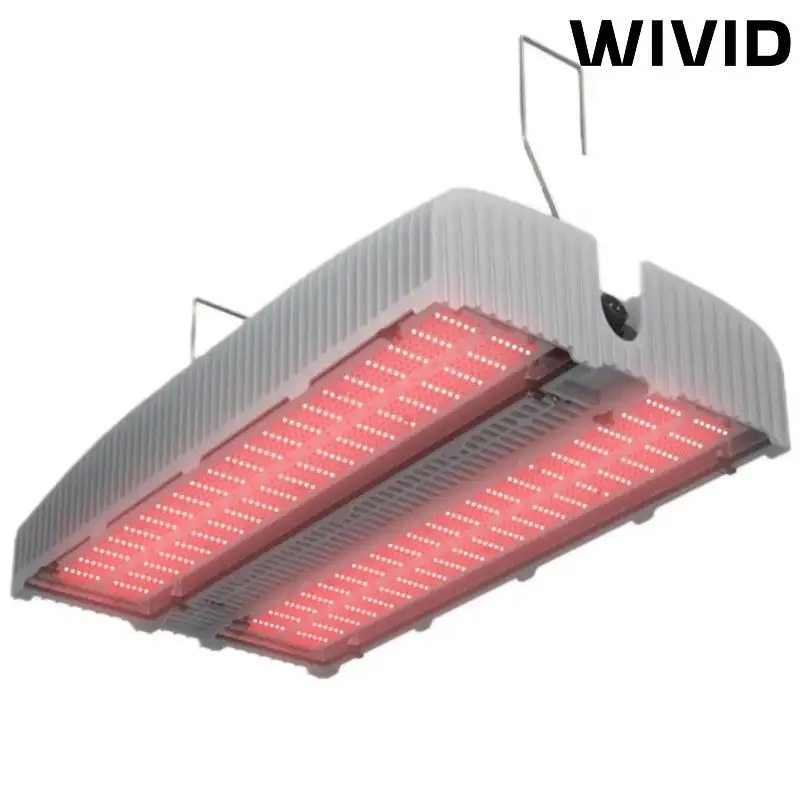
Adding supplemental lighting for greenhouses is one of the most strategic decisions a grower can make to increase yields, extend growing seasons, and improve crop quality. However, the timing of this investment requires careful consideration of multiple factors including climate conditions, crop type, facility age, and economic projections. Understanding when to implement supplemental lighting for greenhouses allows growers to maximize return on investment while avoiding unnecessary capital expenditure during seasons when natural light remains sufficient.

The decision to add supplemental lighting for greenhouses should align with your specific geographical location, seasonal light patterns, and crop requirements. Growers operating in northern latitudes or regions with extended winter darkness benefit significantly from supplemental lighting for greenhouses during low-light seasons. Similarly, growers focusing on high-value crops like vegetables, herbs, or ornamentals often justify the investment in supplemental lighting for greenhouses earlier than those producing commodity crops.
Climate and Geographic Factors
Latitude and Seasonal Light Availability
Your greenhouse's geographic location is the primary driver for determining when supplemental lighting for greenhouses becomes necessary. In regions north of 40 degrees latitude, winter daylight hours drop dramatically, reducing photosynthetically active radiation (PAR) to levels insufficient for optimal plant growth. Supplemental lighting for greenhouses becomes essential from November through February in these northern zones to maintain consistent productivity.
Conversely, growers in southern regions may only need supplemental lighting for greenhouses during specific seasons or not at all. However, even southern facilities experience cloudy periods, pollution-laden atmospheres, or shading from nearby structures that reduce natural light intensity. Assessing your local solar radiation data and comparing it against your target crop's light requirements helps establish the exact timing for deploying supplemental lighting for greenhouses.
Cloud Cover and Light Quality Patterns
Cloud cover, atmospheric haze, and particulate matter reduce the effectiveness of natural sunlight reaching your crop. Regions with persistent cloud cover during spring and fall months benefit from supplemental lighting for greenhouses even during traditionally 'adequate' light seasons. Industrial areas and coastal regions with frequent fog require supplemental lighting for greenhouses to compensate for reduced light transmission through the atmosphere.
Understanding your region's typical light intensity patterns throughout the year allows precise timing of when to activate supplemental lighting for greenhouses. Many growers use light meters or solar radiation sensors to measure actual PAR values and trigger supplemental lighting for greenhouses when readings fall below crop-specific thresholds, typically 300–500 micromoles per square meter per second depending on the species.
Crop Type and Growth Stage Considerations
High-Value Crop Requirements
The profitability and light sensitivity of your crop determine the economic justification for supplemental lighting for greenhouses. High-value crops such as tomatoes, peppers, cucumbers, lettuces, and specialty microgreens respond dramatically to supplemental lighting for greenhouses, often yielding 30–50% production increases. These crops justify installing supplemental lighting for greenhouses because the additional yield revenue quickly offsets equipment and operational costs.
Ornamental growers focused on quality flowering plants, poinsettias, and chrysanthemums rely heavily on supplemental lighting for greenhouses to control flowering timing and prevent stretched, leggy growth. Propagation facilities and seedling operations show particularly strong returns from supplemental lighting for greenhouses because young plants are especially light-limited and respond rapidly to increased illumination with stronger, stockier growth.
Photoperiod Sensitivity and Timing
Some crops are photoperiod-sensitive, meaning they respond to day length to trigger flowering or dormancy. These varieties require precise control only achievable with supplemental lighting for greenhouses. Growers producing flowering crops on fixed schedules must install supplemental lighting for greenhouses to maintain consistent photoperiods year-round, ensuring reliable, predictable blooming regardless of season.
Vegetative crops with continuous harvesting cycles benefit from supplemental lighting for greenhouses whenever natural light falls below optimal levels. Leafy greens and herbs grown in high-turnover systems justify supplemental lighting for greenhouses investment because multiple crop rotations per year compound the productivity gains from improved lighting.
Facility Age and Infrastructure Readiness
Existing Greenhouse Design and Structural Considerations
The structural design of your existing greenhouse significantly influences both the timing and feasibility of adding supplemental lighting for greenhouses. Older greenhouses with polycarbonate or fiberglass panels may already transmit less light than modern glass structures due to weathering and reduced clarity. These facilities represent ideal candidates for supplemental lighting for greenhouses because the investment compensates for inherent light loss in the structure itself.
Modern greenhouses with high-transmission glazing and optimized orientation may operate effectively without supplemental lighting for greenhouses during peak growing seasons. However, even well-designed facilities benefit from supplemental lighting for greenhouses during shoulder seasons or to accelerate growth of high-value crops. Evaluating your greenhouse's actual light transmission through transmission tests informs the optimal timing for supplemental lighting for greenhouses deployment.
Electrical Infrastructure and Installation Readiness
Your facility's electrical capacity and infrastructure readiness directly influence when you can feasibly install supplemental lighting for greenhouses. Older greenhouses often lack adequate electrical systems to support modern LED lighting arrays. Upgrading infrastructure before installing supplemental lighting for greenhouses prevents costly retrofitting and allows planning supplemental lighting for greenhouses installation during low-production periods.
New construction or facility renovation periods provide ideal opportunities to plan supplemental lighting for greenhouses installation from the outset, reducing overall costs and complexity. Growers expanding existing operations can coordinate supplemental lighting for greenhouses addition with roof replacement, renovation, or other capital improvement projects to minimize disruption and maximize cost efficiency of supplemental lighting for greenhouses deployment.
Economic and Energy Efficiency Factors
Return on Investment Timing
Economic viability determines when supplemental lighting for greenhouses makes financial sense for your operation. Calculate the total installed cost of supplemental lighting for greenhouses equipment, electrical infrastructure, and labor against projected yield increases and market prices. Growers producing crops with strong seasonal price premiums may justify supplemental lighting for greenhouses investment earlier in the year when off-season production commands premium pricing.
Energy costs significantly impact the operating expenses of supplemental lighting for greenhouses systems. Regions with low electricity rates make supplemental lighting for greenhouses more economically attractive across more seasons. Conversely, growers in high-cost energy markets should focus supplemental lighting for greenhouses installation on periods of maximum darkness and highest crop value to optimize energy efficiency.
Technology Selection and Energy Optimization
Modern LED technology for supplemental lighting for greenhouses offers superior energy efficiency compared to older high-pressure sodium or metal halide systems. LED supplemental lighting for greenhouses consumes 30–40% less energy while delivering superior spectral quality and light distribution. Timing your supplemental lighting for greenhouses investment to coincide with LED technology deployment ensures optimal energy efficiency and long operational lifespan.
Smart control systems optimize supplemental lighting for greenhouses operation by automatically adjusting intensity based on natural light levels, season, and time of day. These systems ensure supplemental lighting for greenhouses operates only when beneficial, reducing energy waste and operational costs. Implementing smart controls with supplemental lighting for greenhouses represents best practice timing for modern growers.
FAQ
What is the optimal light intensity for supplemental lighting for greenhouses?
Most crops require 300–500 micromoles per square meter per second of photosynthetically active radiation (PAR) for optimal growth. Supplemental lighting for greenhouses should supplement natural light to reach these targets, not replace it entirely. Your specific crop requirements determine the exact target, with fruiting crops like tomatoes needing higher light levels than leafy greens. Using light meters to measure actual PAR allows precise calibration of supplemental lighting for greenhouses intensity.
Should I install supplemental lighting for greenhouses during facility renovation?
Yes, renovation periods are ideal timing for supplemental lighting for greenhouses installation because electrical work, roof access, and production downtime is already planned. Installing supplemental lighting for greenhouses during renovation eliminates costly retrofitting and allows optimal design integration. Even if your crop doesn't require supplemental lighting for greenhouses year-round, designing infrastructure during renovation allows future installation flexibility when market conditions improve.
Can supplemental lighting for greenhouses reduce heating costs?
LED supplemental lighting for greenhouses emits minimal waste heat compared to traditional lighting systems, so direct heating reduction is minimal. However, supplemental lighting for greenhouses enables earlier spring production and extended fall growing seasons, reducing the proportion of the year when heating is required. The indirect energy savings from extended harvest seasons often justify supplemental lighting for greenhouses investment in cold climates beyond yield benefits alone.