
 EN
EN

Commercial greenhouse operators face a critical decision when selecting overhead lighting systems that directly impacts crop yield, operational costs, and long-term profitability. The choice between LED horticulture toplight technology and traditional High-Pressure Sodium (HPS) fixtures represents more than a simple equipment upgrade—it fundamentally shapes cultivation strategy, energy economics, and crop performance across production cycles. As energy costs continue rising and sustainability mandates intensify across agricultural markets, understanding the technical and economic differences between these two lighting approaches becomes essential for greenhouse managers planning infrastructure investments or retrofitting existing facilities.
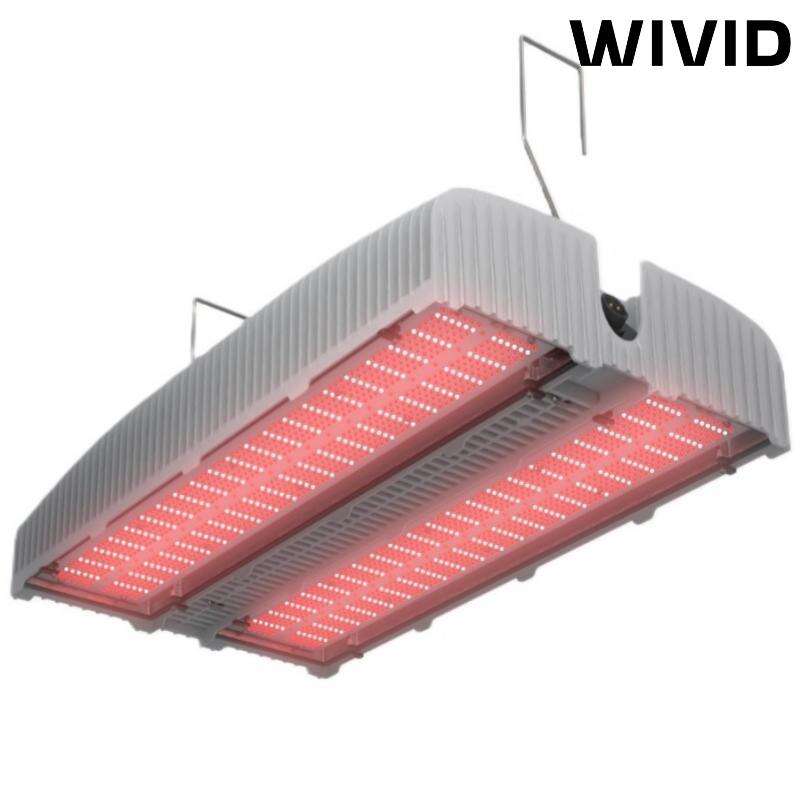
The evolution from HPS to LED horticulture toplight systems reflects decades of horticultural lighting research combined with rapid advances in solid-state lighting efficiency. While HPS fixtures dominated commercial greenhouse lighting for over forty years due to their proven performance and established crop protocols, LED technology now offers compelling advantages in spectral control, thermal management, and electrical efficiency that reshape the economic calculation for both new construction and retrofit scenarios. This comparison examines the technical specifications, operational characteristics, and business implications of both technologies to help greenhouse operators make informed lighting decisions aligned with their specific crop requirements and financial objectives.
Energy Efficiency and Operational Cost Comparison
Electrical Consumption Patterns
The most significant operational difference between LED and HPS horticulture toplight systems lies in their fundamental energy conversion efficiency. Modern LED fixtures convert approximately 50-60% of electrical input into photosynthetically active radiation (PAR), while HPS lamps typically achieve only 30-40% conversion efficiency, with the remainder dissipated as infrared heat. For a commercial greenhouse operating 5,000 square meters of canopy space with lighting systems running 18 hours daily during winter supplemental periods, this efficiency gap translates to substantial differences in monthly electricity consumption. A 1000-watt HPS fixture delivering 1800 micromoles per second of photon output requires approximately 1100 watts at the fixture level when accounting for ballast losses, whereas a comparable LED horticulture toplight system delivers equivalent PAR output using 600-700 watts.
Beyond direct lighting consumption, the thermal characteristics of each technology create secondary energy impacts through HVAC system interaction. HPS fixtures generate significant radiant heat that must be managed through increased ventilation and cooling capacity, particularly during warmer months when supplemental lighting coincides with elevated ambient temperatures. LED systems produce far less radiant heat directed at the crop canopy, allowing greenhouse operators to maintain optimal growing temperatures with reduced cooling loads. This thermal advantage becomes especially valuable in climate-controlled facilities where precise temperature management directly affects crop quality and harvest timing. The combined electrical savings from reduced lighting load and decreased cooling requirements frequently exceed 40% when transitioning from HPS to LED horticulture toplight technology in modern greenhouse operations.
Demand Charge Implications
Commercial electricity pricing structures in most markets include both consumption charges (per kilowatt-hour) and demand charges (per kilowatt of peak usage), with demand charges often representing 30-50% of total electricity costs for greenhouse facilities. The lower wattage requirements of LED horticulture toplight systems directly reduce peak demand measurements, delivering savings that extend beyond simple consumption reductions. A greenhouse transitioning 500 HPS fixtures rated at 1100 watts each to equivalent LED systems operating at 650 watts reduces peak lighting demand by 225 kilowatts, potentially saving thousands of dollars monthly in demand charges depending on local utility rate structures. These demand-related savings persist regardless of actual operating hours, making them particularly valuable for facilities that use lighting intermittently or adjust photoperiods seasonally.
The ramping characteristics of each technology also affect demand management strategies. HPS fixtures require 5-10 minutes to reach full output after ignition and cannot be effectively dimmed, limiting operational flexibility for demand response programs or time-of-use optimization. LED systems achieve full output instantly and support precise dimming across their operational range, enabling greenhouse operators to implement sophisticated lighting schedules that avoid peak rate periods or participate in utility demand response incentives. This operational flexibility allows facilities using LED horticulture toplight technology to capture additional value from electricity markets while maintaining optimal crop lighting conditions through strategic scheduling rather than compromising photon delivery.
Spectral Output and Crop Response Differences
Photosynthetic Spectrum Distribution
The spectral power distribution of HPS and LED horticulture toplight systems differs fundamentally in ways that affect both photosynthetic efficiency and morphological crop development. Traditional HPS lamps emit a broad spectrum heavily weighted toward yellow and orange wavelengths (560-620 nanometers) with relatively less output in the blue (400-500 nanometers) and red (620-700 nanometers) regions that drive peak chlorophyll absorption. While plants have adapted to utilize this spectrum through natural acclimation mechanisms, significant portions of HPS output fall outside the wavelength ranges most efficiently absorbed by photosynthetic pigments. LED systems allow precise spectral engineering, with most horticultural fixtures emphasizing blue and red wavelengths optimized for chlorophyll A and B absorption peaks while minimizing energy investment in less photosynthetically efficient wavelengths.
This spectral flexibility enables LED horticulture toplight designers to create application-specific light recipes tailored to particular crop species, growth stages, or quality objectives. Leafy greens benefit from increased blue content that promotes compact growth and enhances nutritional compounds like anthocyanins, while fruiting crops such as tomatoes and peppers respond favorably to enhanced far-red content that influences flowering and fruit set through phytochrome-mediated pathways. The spectral distribution from HPS fixtures remains essentially fixed, determined by lamp chemistry rather than application requirements. Greenhouse operators using LED technology can therefore optimize spectral delivery for their specific crop portfolio, potentially achieving superior quality outcomes or accelerated production cycles compared to facilities relying on the predetermined spectrum of HPS lamps.
Morphological and Quality Impacts
Beyond photosynthetic rate, the spectral differences between LED and HPS horticulture toplight systems influence plant morphology, secondary metabolite production, and ultimately crop quality and market value. The elevated infrared output from HPS lamps drives leaf temperature above ambient air temperature, affecting transpiration rates and potentially influencing nutrient uptake and metabolic processes. This thermal effect can be beneficial in cooler greenhouse environments where maintaining leaf temperature supports metabolic activity, but becomes problematic during warmer periods when heat stress risks increase. LED systems with minimal infrared output maintain leaf temperatures closer to ambient conditions, providing more consistent thermal environments but potentially requiring adjustments to humidity management strategies to maintain optimal vapor pressure deficit.
Research across multiple crop species demonstrates that spectral composition affects secondary metabolite accumulation, including compounds that determine flavor, nutritional value, and shelf life. Lettuce grown under LED spectra with enhanced blue content typically exhibits higher concentrations of antioxidants and phenolic compounds compared to HPS-grown crops, potentially commanding premium pricing in quality-focused markets. Cannabis cultivators have documented increased cannabinoid and terpene production under LED horticulture toplight systems with optimized blue and far-red content compared to HPS benchmarks. These quality improvements represent additional value capture opportunities beyond energy savings, particularly for high-value crops where quality premiums significantly exceed production cost differences between lighting systems.
Installation and Infrastructure Requirements
Structural Loading and Mounting Considerations
The physical characteristics of LED and HPS horticulture toplight systems create different requirements for greenhouse structural design and mounting infrastructure. Traditional HPS fixtures with magnetic ballasts typically weigh 15-20 kilograms per 1000-watt unit, while equivalent electronic ballast versions reduce weight to 10-12 kilograms. Modern LED fixtures achieving comparable photon output range from 8-14 kilograms depending on heatsink design and housing construction. While this weight difference appears modest on a per-fixture basis, across large installations spanning thousands of square meters, the cumulative structural load savings can reduce steel requirements and foundation costs in new construction or expand retrofitting possibilities in existing structures with limited load capacity. The distributed weight of LED arrays may also allow more uniform loading across greenhouse support structures compared to the point loads created by individual HPS fixtures.
Mounting height requirements differ between technologies based on their thermal characteristics and optical distribution patterns. HPS fixtures typically install at heights of 2.5-4 meters above the crop canopy to prevent heat stress and achieve acceptable uniformity across the growing area, with exact positioning depending on reflector design and crop type. LED horticulture toplight systems can often mount closer to the canopy due to their reduced thermal output, potentially at heights of 2-3 meters, which improves photon capture efficiency by reducing distance-related losses and may enable more compact greenhouse designs with reduced structural height requirements. However, closer mounting distances require more fixtures to achieve uniform coverage, and the economic optimization of fixture count versus mounting height represents a key design decision that affects both capital costs and operational performance.
Electrical Distribution and Control Systems
The electrical infrastructure requirements for LED and HPS systems differ in ways that affect installation costs and operational capabilities. HPS fixtures operating at 1000 watts with magnetic ballasts typically draw 9-10 amps at 120 volts or 4.5-5 amps at 240 volts, while electronic ballasts reduce current draw slightly. horticulture toplight LED systems with equivalent output operate at 600-700 watts, drawing approximately 6 amps at 120 volts or 3 amps at 240 volts. This reduced current requirement allows higher fixture counts per branch circuit, potentially reducing circuit runs and distribution equipment in large installations. The lower operating voltage of LED drivers compared to HPS ballasts may also simplify compliance with electrical codes in some jurisdictions, particularly regarding conductor sizing and overcurrent protection.
Control system integration represents another significant infrastructure difference. Most HPS systems operate as simple on-off devices controlled by contactors or relay panels, with dimming capability limited to expensive and rarely implemented high-frequency ballast systems. LED horticulture toplight fixtures universally support digital dimming through protocols such as 0-10V analog control, DMX, or proprietary digital interfaces, enabling sophisticated light management strategies without significant additional hardware costs. Advanced LED installations can implement zone-specific dimming, dynamic photoperiod adjustments, and spectral tuning where multi-channel fixtures are deployed. This control capability supports precision agriculture strategies that optimize light delivery based on crop stage, economic signals like real-time electricity pricing, or environmental factors such as available solar radiation, creating operational flexibility impossible to achieve with traditional HPS infrastructure.
Lifespan, Maintenance, and Total Cost of Ownership
Service Life and Degradation Patterns
The operational lifespan characteristics of LED and HPS horticulture toplight systems fundamentally differ in ways that affect long-term cost analysis and maintenance planning. HPS lamps typically deliver 12,000-15,000 hours of service before reaching end of life, defined as catastrophic failure when the lamp no longer ignites. However, lumen maintenance degrades significantly before complete failure, with most HPS lamps losing 20-30% of initial output by 10,000 hours of operation. Commercial greenhouse protocols typically replace HPS lamps at 10,000-12,000 hours to maintain target light levels, necessitating lamp replacement every 12-18 months in facilities operating supplemental lighting regimes of 16-18 hours daily during winter periods. The ballast components in HPS systems typically achieve 50,000-60,000 hours of service life, requiring replacement every 5-7 years under continuous operation patterns.
LED systems demonstrate dramatically different degradation characteristics, with quality horticultural fixtures rated for 50,000-70,000 hours to L90 specification (maintaining 90% of initial output) and 80,000-100,000 hours to L70 (maintaining 70% of initial output). Unlike HPS lamps that fail catastrophically, LED arrays gradually decrease output over their service life in a predictable manner that allows planned replacement based on economic rather than failure criteria. This extended service life eliminates the frequent lamp replacement cycles required for HPS systems, reducing both material costs and labor requirements for maintenance activities. A greenhouse operating LED horticulture toplight systems for 6,000 hours annually may achieve 12-15 years before replacement becomes economically justified based on efficiency degradation and improvements in new fixture technology, compared to annual or biannual lamp replacement requirements for HPS systems.
Maintenance Labor and Operational Reliability
The maintenance labor requirements for HPS systems extend beyond lamp replacement to include reflector cleaning, ballast servicing, and electrical connection inspection, typically consuming significant labor hours in large commercial installations. HPS lamps accumulate dust and residue on their outer envelope that reduces light transmission, requiring periodic cleaning or replacement to maintain output. The high operating temperatures of HPS fixtures accelerate degradation of reflector surfaces and mounting hardware, necessitating periodic inspection and component replacement. Ballast components, particularly magnetic ballasts, generate significant heat during operation that contributes to capacitor aging and eventual failure, creating unplanned downtime when failures occur during critical crop production periods.
LED horticulture toplight systems typically require minimal maintenance beyond periodic fixture cleaning to remove dust accumulation on lenses or protective covers, with no consumable components requiring scheduled replacement during the first decade of operation under normal conditions. The solid-state nature of LED technology eliminates the mechanical and thermal stresses that cause HPS lamp failure, providing more predictable operational reliability. Driver electronics in LED fixtures do occasionally fail, but quality horticultural products typically demonstrate failure rates below 0.5% annually, far lower than the expected failure rates for HPS lamps and ballasts. The reduced maintenance requirements for LED systems translate to lower labor costs and decreased operational disruption, particularly valuable in facilities with limited maintenance staff or challenging access conditions that increase service labor costs.
Economic Analysis and Investment Considerations
Capital Cost and Payback Calculation
The capital cost differential between LED and HPS horticulture toplight systems represents the primary barrier to LED adoption despite their operational advantages. A complete 1000-watt HPS fixture including lamp, ballast, reflector, and mounting hardware typically costs 200-350 dollars depending on specifications and purchase volume, while a comparable LED system delivering equivalent photon output ranges from 600-1200 dollars based on fixture quality, spectral configuration, and control capabilities. This 3-4x capital cost premium creates significant upfront investment requirements for large installations, with a 10,000 square meter greenhouse requiring 1,000-1,500 toplighting fixtures representing 600,000 to 1,800,000 dollars for LED systems compared to 200,000-500,000 dollars for HPS infrastructure.
However, comprehensive economic analysis must evaluate total cost of ownership rather than isolated capital expenditure, incorporating energy savings, maintenance cost reductions, and operational lifespan differences into payback calculations. A typical commercial greenhouse operating horticulture toplight systems for 5,000 hours annually with electricity costs of 0.12 dollars per kilowatt-hour realizes approximately 240 dollars annual energy savings per fixture when transitioning from 1100-watt HPS to 650-watt LED systems. Adding demand charge savings, reduced HVAC costs, and eliminated lamp replacement expenses typically brings total annual savings to 280-350 dollars per fixture. Against a capital cost premium of 400-850 dollars per LED fixture, simple payback periods range from 1.5 to 3.5 years depending on specific costs and operating parameters, with remaining service life of 10-12 years providing substantial positive cash flow after payback achievement.
Financial Incentives and Total Investment Impact
The economic analysis for LED horticulture toplight adoption frequently improves through utility rebates, government incentives, and financing programs specifically targeting energy efficiency improvements in commercial agriculture. Many utility companies offer rebates of 100-300 dollars per fixture for LED conversions in commercial greenhouse applications, directly reducing net capital costs and accelerating payback periods. Federal and regional agricultural efficiency programs provide additional grants or tax incentives that further improve project economics. Some equipment suppliers and financial institutions offer specialized financing products with terms aligned to energy savings cash flows, allowing greenhouse operators to implement LED retrofits with neutral or positive cash flow from project initiation rather than requiring significant capital outlays.
Beyond direct financial metrics, LED adoption creates strategic value through improved operational flexibility, reduced risk exposure to energy price volatility, and enhanced environmental credentials increasingly demanded by retail partners and consumers. Facilities operating LED horticulture toplight systems demonstrate significantly lower carbon footprints compared to HPS-equipped competitors, valuable for marketing differentiation in sustainability-focused market segments. The extended service life and reduced maintenance requirements of LED systems decrease operational risk and resource allocation uncertainty compared to HPS alternatives requiring frequent interventions. These strategic considerations often justify LED investments even in scenarios where pure financial payback extends beyond typical capital investment thresholds, particularly for operators pursuing market positioning based on sustainability leadership or operational excellence.
FAQ
Can LED horticulture toplight systems completely replace HPS fixtures in all greenhouse applications?
LED systems can effectively replace HPS fixtures in most commercial greenhouse applications, but certain scenarios may favor HPS retention or hybrid approaches. In northern climates where greenhouse heating represents the dominant energy cost, the radiant heat from HPS fixtures provides valuable thermal input that reduces heating system requirements, potentially offsetting some of the electrical efficiency advantages of LED technology. Hybrid installations combining LED for optimal spectral delivery with reduced HPS capacity for supplemental heating during coldest periods offer technical and economic optimization in some facilities. Additionally, crops with decades of established production protocols under HPS lighting may require protocol adjustments when transitioning to LED spectra, creating temporary yield or quality risks during the adaptation period. However, for most greenhouse operations in moderate climates or facilities with modern thermal management systems, LED horticulture toplight technology provides superior performance across technical, economic, and operational dimensions.
How do light uniformity patterns differ between LED and HPS horticulture toplight installations?
HPS fixtures with properly designed reflectors typically deliver relatively uniform light distribution across the growing area when installed at appropriate heights and spacing intervals, with uniformity ratios of 0.8-0.9 (minimum to average light intensity) achievable in well-designed installations. LED fixtures offer more diverse optical distributions depending on lens configurations, from narrow spot patterns to wide flood distributions, requiring careful fixture selection and layout design to achieve comparable uniformity. Some LED systems achieve superior uniformity through distributed arrays of lower-wattage fixtures rather than concentrated high-wattage point sources, while others use advanced optical engineering to match HPS uniformity patterns. The optimal approach depends on specific greenhouse geometry, mounting height constraints, and crop requirements, with professional lighting design analysis recommended for large installations to ensure uniform photon delivery across the entire production area regardless of technology choice.
What spectral configurations work best for different commercial greenhouse crops under LED horticulture toplight systems?
Optimal spectral configurations vary significantly across crop species and production objectives, with no universal recipe appropriate for all applications. Leafy greens like lettuce and herbs typically benefit from spectra with 20-30% blue content (400-500 nanometers) combined with red wavelengths (620-680 nanometers) to promote compact growth while supporting high photosynthetic rates. Fruiting crops including tomatoes, peppers, and cucumbers respond favorably to moderate blue content (10-20%) with enhanced far-red wavelengths (700-750 nanometers) that influence flowering and fruit development through photomorphogenic signaling pathways. Cannabis cultivation protocols often emphasize adjustable spectral strategies that increase blue content during vegetative growth phases for compact structure, then shift toward red and far-red dominance during flowering to maximize cannabinoid production. Most commercial LED horticulture toplight manufacturers offer several standard spectral configurations optimized for broad crop categories, with custom spectra available for specialized applications or research installations exploring advanced light recipe optimization.
How does the transition from HPS to LED horticulture toplight systems affect existing crop production protocols?
Transitioning from HPS to LED lighting typically requires adjustments to cultivation protocols beyond simple fixture replacement, as the spectral and thermal differences between technologies affect crop physiology and environmental interactions. The reduced infrared radiation from LED systems decreases leaf temperature, potentially requiring increased air temperatures of 1-3 degrees Celsius to maintain equivalent leaf physiological activity and metabolic rates. Lower radiant heat also affects vapor pressure deficit calculations, necessitating humidity management adjustments to maintain optimal transpiration rates and nutrient uptake. The altered spectral distribution may influence photoperiod requirements for flowering in some crops or affect morphological development patterns that require spacing or pruning protocol modifications. Most greenhouse operators implementing LED retrofits plan for a transition period of 1-2 crop cycles to optimize environmental set points and cultivation practices under the new lighting regime, documenting performance metrics to establish updated standard operating procedures before full-scale deployment across all production areas.
Table of Contents
- Energy Efficiency and Operational Cost Comparison
- Spectral Output and Crop Response Differences
- Installation and Infrastructure Requirements
- Lifespan, Maintenance, and Total Cost of Ownership
- Economic Analysis and Investment Considerations
-
FAQ
- Can LED horticulture toplight systems completely replace HPS fixtures in all greenhouse applications?
- How do light uniformity patterns differ between LED and HPS horticulture toplight installations?
- What spectral configurations work best for different commercial greenhouse crops under LED horticulture toplight systems?
- How does the transition from HPS to LED horticulture toplight systems affect existing crop production protocols?