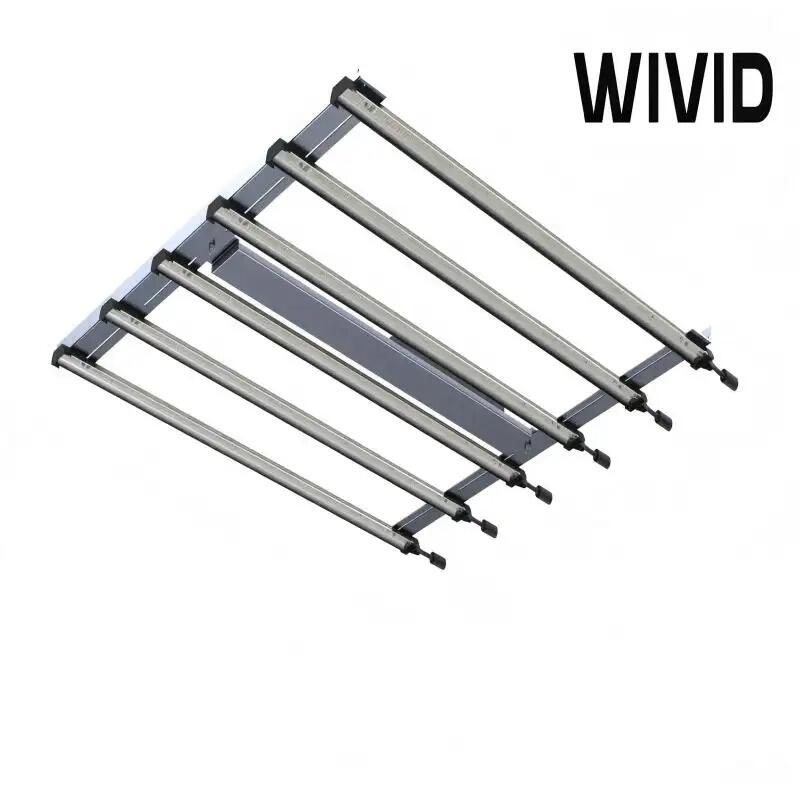
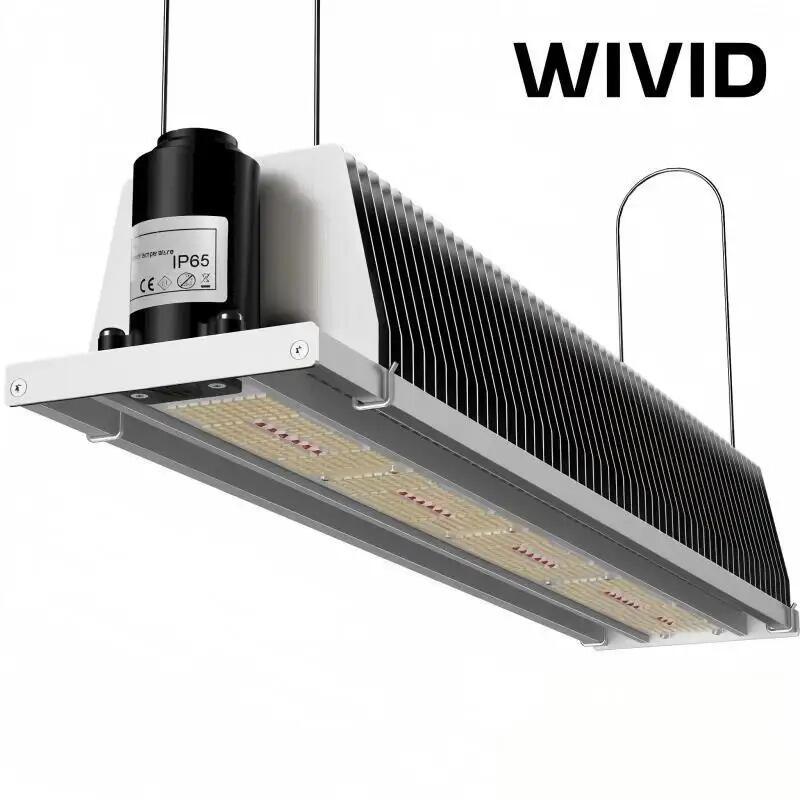
שליטה מדויקת בספקטרום לצורך אופטימיזציה של התפתחות הצמחים
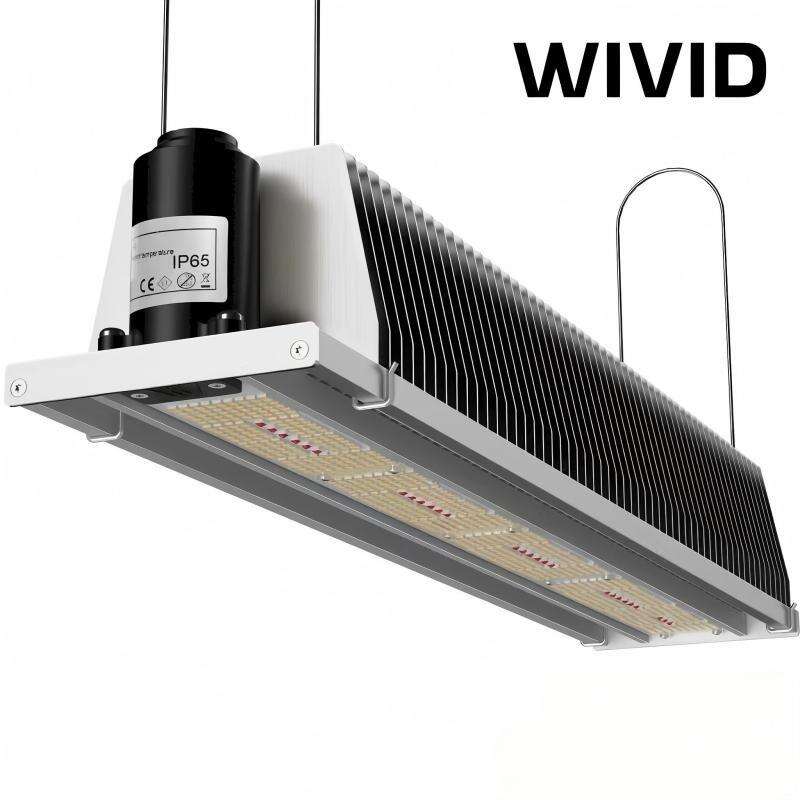
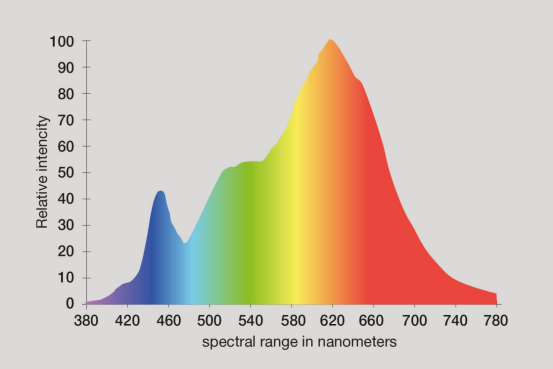
תאורת LED לגידול מספקת שליטה ללא תקדים על הרכב הספקטרום האור, מה שמשנה באופן יסודי את הדרך שבה מגדלים משפיעים על התנהגות הצמחים ואיכות היבול. יכולת זו נובעת מהיכולת לשלב שבבים שונים של LED שפולטים אור באורכי גל ספציפיים, ויוצרים מתכונים אורניים מותאמים לצרכים של מינים מסוימים ושלבי התפתחות מסוימים. הצמחים משתמשים בעיקר באור בטווח הכחול, בין 400 ל-500 ננומטר, ובתחום האדום, בין 600 ל-700 ננומטר, לצורך פוטוסינתזה. האור הכחול דוחף את צמיחת הצמיחה הווקטטיבית, מקדם מבנה צמח דחוס, גזעים עבים ועלווה צפופה, ומדכא התארכות מופרזת. האור האדום מפעיל תגובות פריחה, משפר את פיתוח הפירות ומעלים את ייצור הביומסה. על ידי התאמת היחס בין האור הכחול לאדום, מגדלים המשתמשים בתאורת LED לגידול יכולים לשלוט באדריכלות הצמח ולזרז או לדחות את הפריחה כדי להתאים אותה לדרישות השוק. מערכות מתקדמות כוללות גם אורכי גל באדום רחוק המؤثרים על תגובות הימנעות מהצללה, ויכולים לקצר את זמן ההגעה לפריחה, וכן נורות LED לבנות המשפרות את הדמיון הצבעוני לשם בדיקה חזותית קלה יותר של היבול. חלק מהמתקנים המיוחדים לתאורת LED לגידול כוללים גם אורכי גל באולטרה סגול (UV) שממריצים ייצור של תרכובות הגנה כגון אנתרופוציינינים ושמנים חיוניים, מה שמשפר את טעם העשבים ומעלה את הערך התזונתי של ירקות עליים. הדיוק בשליטה על הספקטרום עולה מעל מעורבוב צבעים פשוט, וכולל התאמות דינמיות לאורך היום. מגדלים מתקדמים מיישמים סימולציות של זריחה ושקיעה, שבהן מתרחשים שינויים הדרجيים בהרכב הספקטרום, תוך חיקוי מעברי האור הטבעיים שמחקר מראה כי עלולים לשפר את סבילות הצמחים למתח. בשלב ההשתלה, יחס גבוה של אור כחול יוצר גידולים קצרים וחזקים עם מערכות שורשים עמידות. בעת מעבר לצמיחה הווקטטיבית, ספקטרומים מאוזנים מקסמים את יעילות הפוטוסינתזה ואת הצטברות הביומסה. כאשר הצמחים נכנסים לשלבים הרבייתיים, עלייה באורכי הגל האדומים מעדנת את הפריחה והפריון. רמת הדיוק הספקטרלית הזו בתאורת LED לגידול מאפשרת ייצור יבולים עם תכונות ספציפיות, כגון עובי עלים מוגדל בחסה, תוכן שמן חיוני גבוה יותר בסבזיל, או צבעוניות משופרת בפרחים נוי. ההשלכות הכלכליות הן משמעותיות, שכן המגדלים יכולים לייצר מוצרים איכותיים שזוכים למחירים גבוהים בשוק, תוך הקטנת זמני מחזור היבול באמצעות ניהול אסטרטגי של האור. המחקר ממשיך לחשוף יישומים חדשים למניפולציה ספקטרלית, כולל שימוש באורכי גל ספציפיים לדיכוי אוכלוסיות מזיקים או לחיזוק התנגדות לנגיפים, מה שמוסיף ממד נוסף להטבות של טכנולוגיית תאורת LED לגידול.

 EN
EN