
 EN
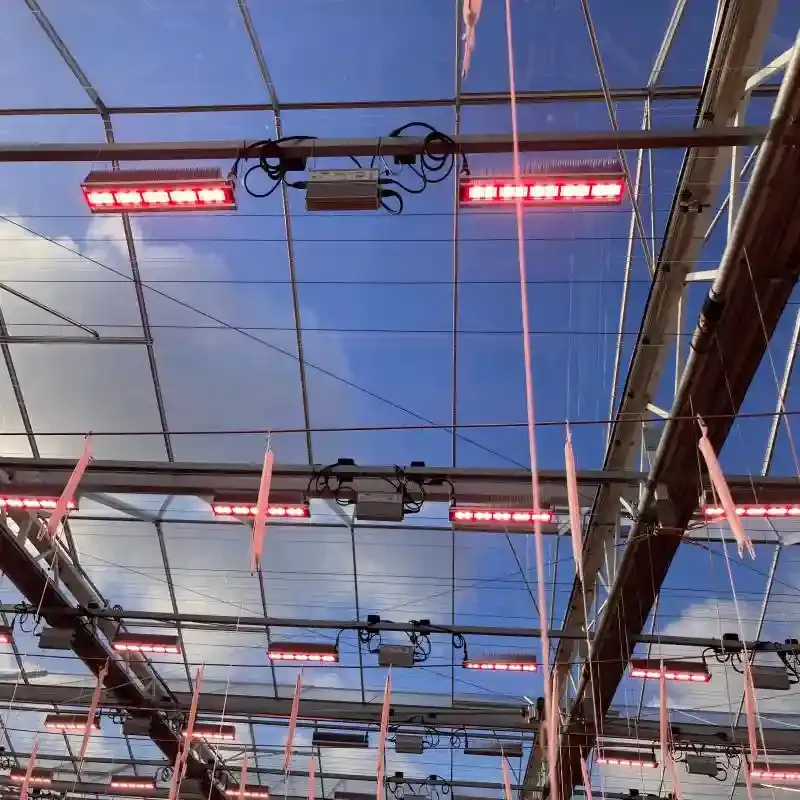
Commercial greenhouse operators often invest heavily in supplemental lighting for greenhouses without fully understanding the critical mistakes that undermine their investment. Poor positioning, inadequate spectrum management, and scheduling errors can slash crop productivity by 20 to 40 percent while driving energy costs to unsustainable levels. The difference between thriving crops and underperforming yields often comes down to avoiding common pitfalls in how supplemental lighting for greenhouses is deployed and managed.
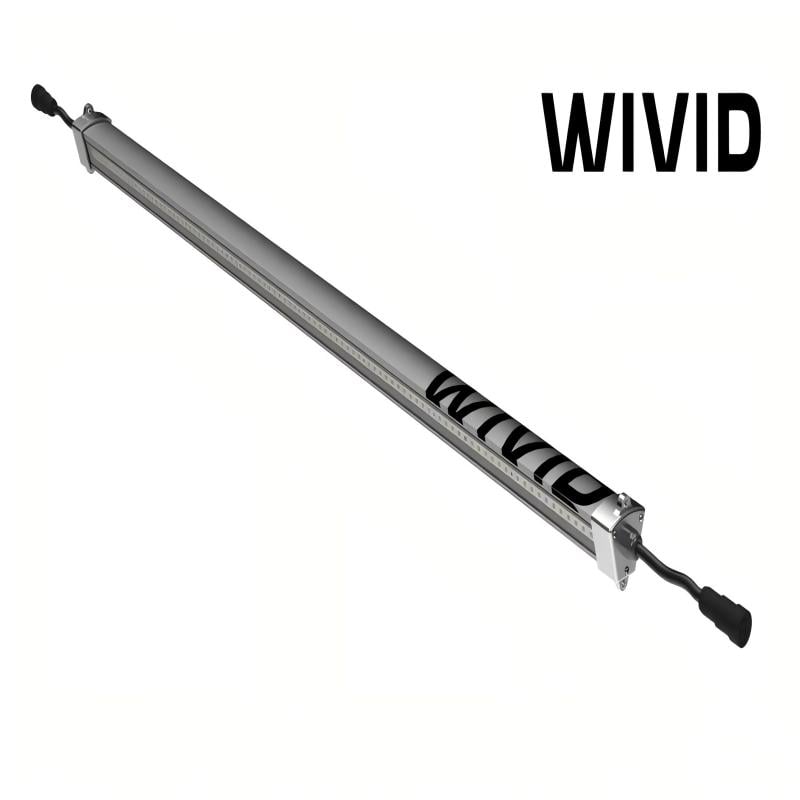
Understanding the practical mechanics of supplemental lighting for greenhouses is essential for long-term profitability. Many greenhouse managers discover too late that their lighting setup fails to deliver consistent light distribution, wastes energy, or produces uneven crop development. This guide examines the most damaging mistakes operators make with supplemental lighting for greenhouses and provides actionable solutions to optimize light delivery, energy consumption, and ultimately crop quality and yield.
Positioning and Coverage Errors in Supplemental Lighting for Greenhouses
Insufficient Light Distribution Height
One of the most widespread errors is mounting supplemental lighting for greenhouses too high above the crop canopy. When lights sit excessively far from plants, light intensity falls sharply due to inverse square law physics. A fixture positioned at twice the recommended distance delivers only one-quarter of the intended light energy to the plant. This miscalculation forces operators to run lights longer or use more fixtures than necessary, inflating electricity costs without improving results.
The optimal mounting height for supplemental lighting for greenhouses depends on fixture wattage, crop type, and desired light intensity at leaf level. Most commercial interlighting systems perform best when mounted 60 to 90 centimeters above the crop canopy, but many operators ignore this specification. Testing light intensity at canopy level using a quantum sensor reveals whether supplemental lighting for greenhouses actually reaches target photosynthetic photon flux density (PPFD) values. Failure to verify this measurement represents a critical blind spot in greenhouse management.
Overlapping Coverage and Dead Zones
Poor spatial planning of supplemental lighting for greenhouses creates uneven light patches, with some areas receiving excess light while others remain in partial shade. This variation stresses plants, causes uneven flowering or fruit ripening, and reduces marketable yield. Many operators place lights in grids without accounting for beam angles, reflection patterns, or the actual growth path of the crop as it develops vertically through the season.
Effective supplemental lighting for greenhouses requires precise mapping of light distribution before installation. Using light distribution models or conducting test measurements with mobile sensors helps identify gaps and overlaps. Adjusting fixture spacing, angle, or reflector design to match crop geometry ensures that supplemental lighting for greenhouses reaches every plant uniformly. This planning effort saves thousands in wasted energy and lost production over the growing season.
Spectrum and Timing Mistakes with Supplemental Lighting for Greenhouses
Incorrect Spectrum for Growth Stage
Supplemental lighting for greenhouses is often deployed with a fixed spectrum that does not match the crop's growth stage or desired outcomes. Blue-heavy spectra promote vegetative growth and compact plant structure, while red-rich spectra encourage flowering and fruiting. Using the wrong spectrum throughout the entire growing cycle slows development, extends time to harvest, or produces plants unsuitable for their intended market.
Many operators purchase supplemental lighting for greenhouses fixtures without considering whether the spectrum aligns with crop phenology. A tomato crop transitioning from vegetative to reproductive growth requires a shift in light quality that static fixtures cannot provide. Modern supplemental lighting for greenhouses systems with tunable spectra allow growers to adjust color ratios as needed, but many traditional setups lack this flexibility. Matching spectrum to growth stage is an often-overlooked lever for accelerating crop development and improving quality.
Over-lighting and Photoperiod Errors
Running supplemental lighting for greenhouses on excessive schedules wastes enormous amounts of energy without proportional gains in yield. Beyond a certain daily light integral (DLI), additional hours of supplemental lighting for greenhouses produce diminishing returns. Most vegetable and ornamental crops reach their photosynthetic saturation point well before 20 hours of light per day. Extending lighting schedules beyond 16 to 18 hours drains energy budgets while risking light-induced stress.
Conversely, inadequate light duration fails to drive growth rates or flowering responses. Some crops require specific photoperiods to initiate flowering; providing too few hours of supplemental lighting for greenhouses prevents blooming entirely. The correct approach is calculating the crop's DLI requirement, measuring natural daylight contribution, and using supplemental lighting for greenhouses to close the gap only when necessary. Automated sensors and climate controllers now make this optimization routine rather than exceptional practice.
Energy and Thermal Management Problems
Neglecting Heat Stress from Lights
Supplemental lighting for greenhouses generates significant heat, and many operators fail to account for this thermal load in their climate control strategy. High-intensity lighting near the crop accelerates transpiration, raises leaf temperature, and increases humidity if ventilation is insufficient. This combination creates ideal conditions for mold, mildew, and pest proliferation while stressing plants and wasting water.
Managing the thermal impact of supplemental lighting for greenhouses requires balancing light intensity with adequate air circulation and ventilation. LED fixtures reduce heat compared to older technologies, but even LED supplemental lighting for greenhouses demands active cooling in warm climates. Scheduling lights during cooler hours, improving air movement across plants, and adjusting humidity targets based on light schedules prevents crop loss from heat stress and disease pressure.
Poor Energy System Design
Many greenhouses implement supplemental lighting for greenhouses without upgrading electrical infrastructure to handle the load safely. Undersized wiring, inadequate distribution panels, or unreliable power conditioning cause voltage fluctuations that shorten fixture lifespan and reduce light output. Energy surges or sags from sudden light activation can damage sensitive controls and sensors throughout the greenhouse system.
Proper electrical design for supplemental lighting for greenhouses includes load balancing, power factor correction, and surge protection. Investing in a three-phase power distribution system, soft-start controllers, and battery backup reduces peak demand charges and ensures consistent performance. While this infrastructure investment seems expensive initially, it protects supplemental lighting for greenhouses equipment and reduces long-term operating costs through improved reliability and efficiency.
FAQ
What is the ideal mounting height for supplemental lighting for greenhouses?
The ideal mounting height for supplemental lighting for greenhouses typically ranges from 60 to 90 centimeters above the crop canopy, depending on fixture wattage and desired light intensity. Testing actual photosynthetic photon flux density at leaf level using a quantum sensor verifies whether the mounting height achieves target values. Heights should be adjusted as crops grow to maintain consistent light delivery.
How many hours per day should supplemental lighting for greenhouses run?
The optimal daily light schedule for supplemental lighting for greenhouses depends on the crop's daily light integral requirement and natural daylight availability. Most vegetable crops thrive with 14 to 18 hours of total light per day, combining natural and supplemental sources. Extending supplemental lighting for greenhouses beyond 20 hours typically provides minimal yield gains while consuming unnecessary energy, making 16 to 18 hours a practical target for most operations.
Can supplemental lighting for greenhouses be used with any crop?
Supplemental lighting for greenhouses benefits most crops, but effectiveness varies by species, growth stage, and environmental conditions. Leafy greens and microgreens respond quickly to supplemental lighting for greenhouses, while fruiting crops like tomatoes and peppers show pronounced improvements in yield and quality. However, supplemental lighting for greenhouses is less beneficial for shade-tolerant ornamentals or during seasons with abundant natural light, where energy return may not justify the investment.