Horticulture LED Grow Lights - Energy Efficient Full Spectrum Plant Lighting Solutions

All Categories

horticulture led

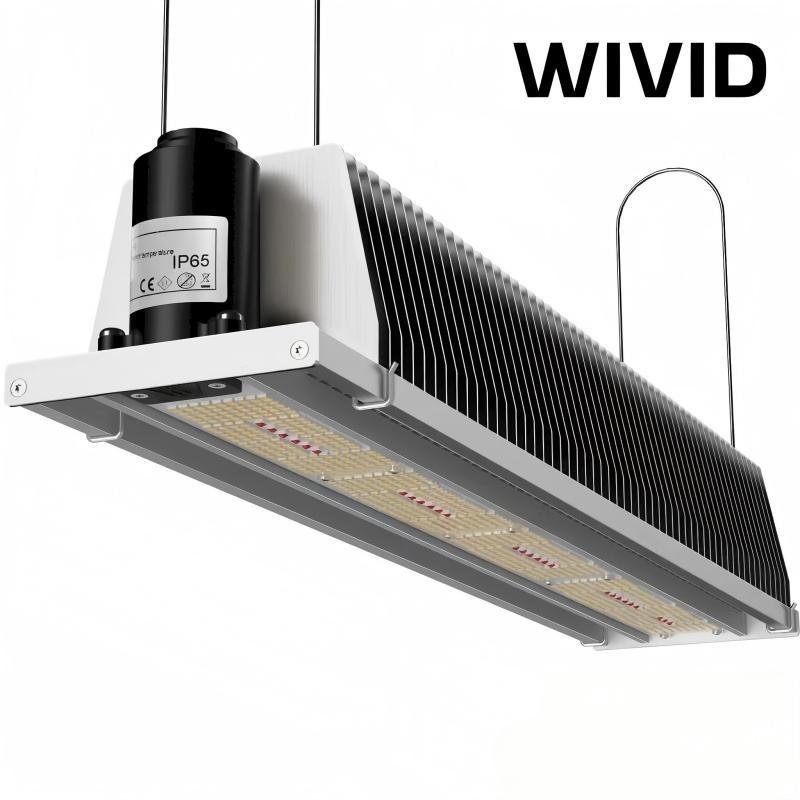
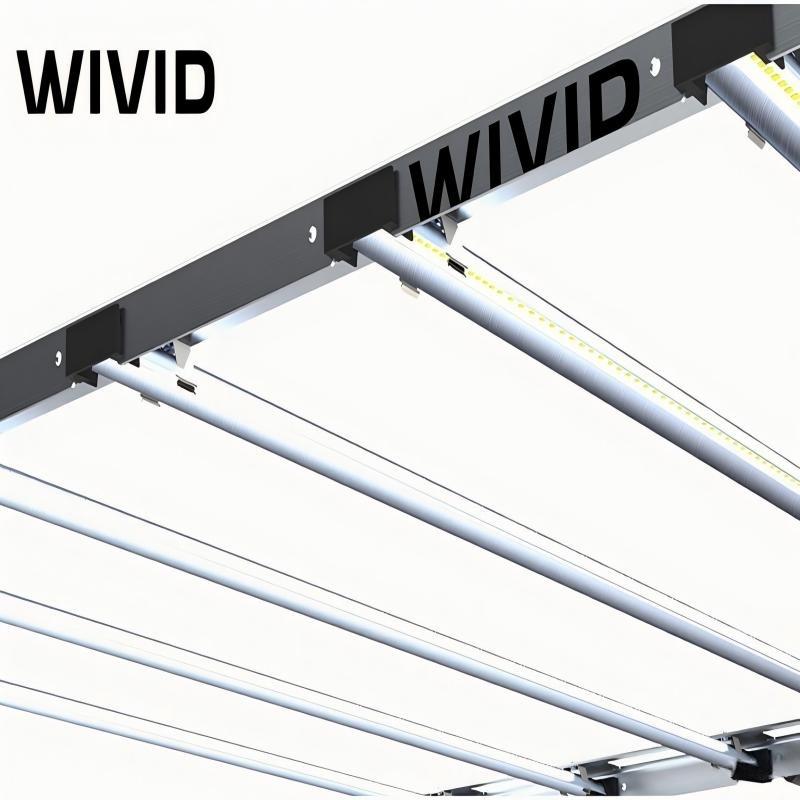
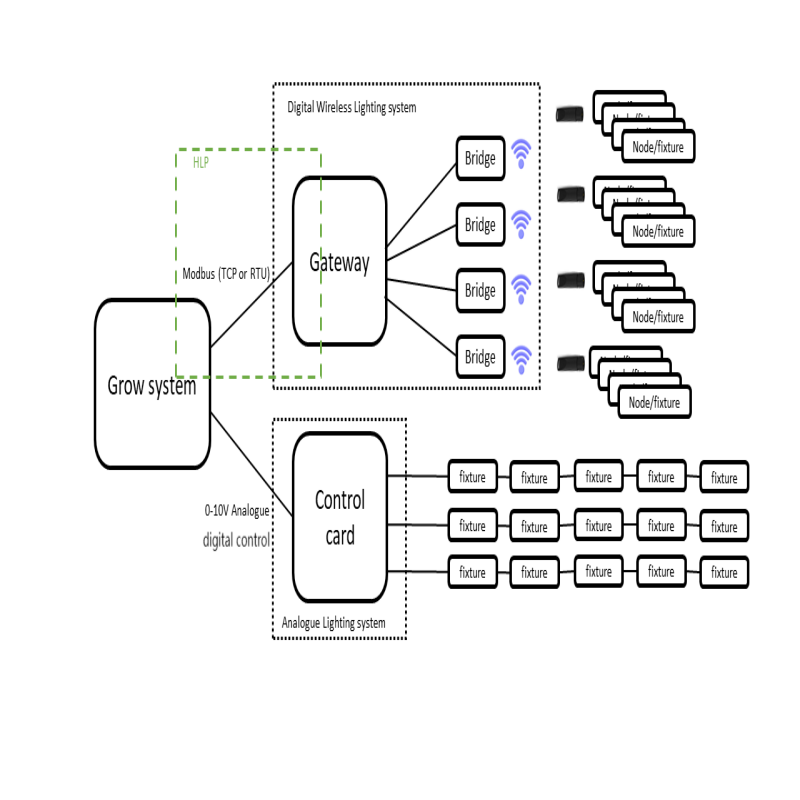
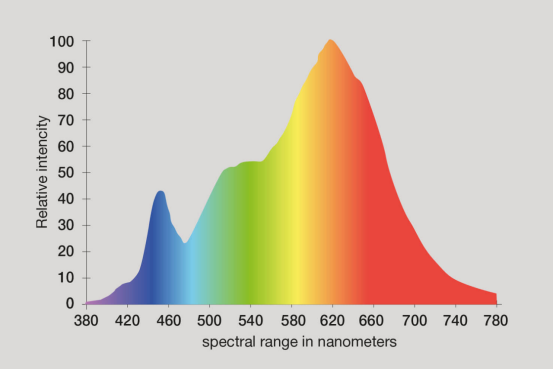
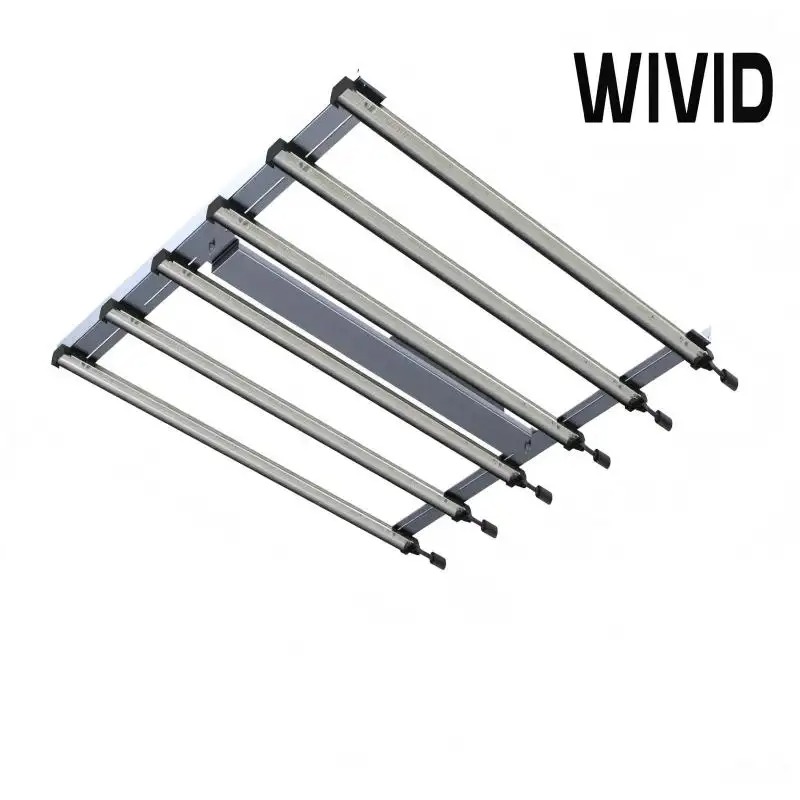
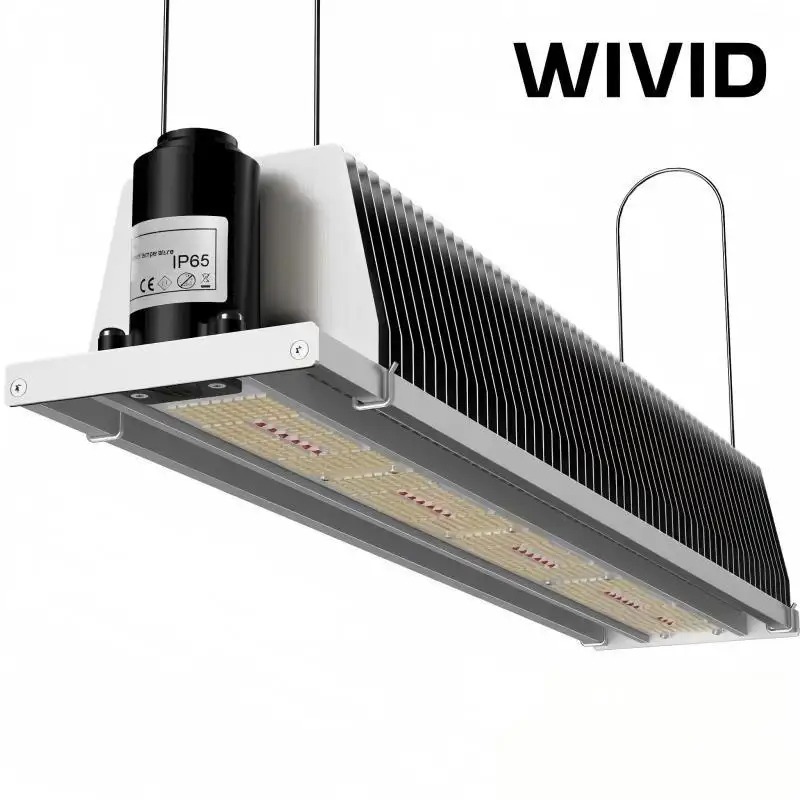
Horticulture LED lighting represents a revolutionary advancement in modern agricultural technology, specifically engineered to optimize plant growth through precise light spectrum manipulation. These specialized lighting systems utilize light-emitting diode technology to deliver targeted wavelengths that plants require for photosynthesis, vegetative growth, and flowering stages. Unlike traditional grow lights such as high-pressure sodium or metal halide lamps, horticulture LED fixtures provide growers with unprecedented control over their cultivation environment. The main functions of horticulture LED systems include delivering optimal photosynthetically active radiation, reducing energy consumption, minimizing heat output, and extending operational lifespan. Technologically, these systems incorporate advanced features such as full-spectrum capability, dimming functions, programmable timers, and customizable wavelength ratios. Many horticulture LED units feature blue light wavelengths ranging from 400 to 500 nanometers for vegetative growth, red wavelengths between 600 and 700 nanometers for flowering, and sometimes infrared or ultraviolet components for specialized cultivation needs. The applications for horticulture LED technology span commercial greenhouse operations, vertical farming facilities, indoor cultivation spaces, research laboratories, and home growing environments. Professional cultivators employ horticulture LED systems for producing vegetables, herbs, flowers, cannabis, and specialty crops year-round regardless of outdoor climate conditions. These lighting solutions enable precise environmental control, allowing growers to manipulate photoperiods, light intensity, and spectral composition to maximize yield quality and quantity. The modular design of most horticulture LED fixtures allows scalability from small hobbyist setups to industrial-scale operations covering thousands of square feet. Modern horticulture LED technology integrates seamlessly with automated growing systems, enabling remote monitoring and adjustment through smartphone applications and computer interfaces, representing the future of controlled environment agriculture.

New Product Recommendations

Horticulture LED technology delivers substantial energy savings compared to conventional grow lighting, typically reducing electricity consumption by 40 to 60 percent while maintaining or improving growth results. This dramatic reduction in power usage translates directly to lower operating costs, making commercial growing operations more profitable and sustainable over time. The efficiency of horticulture LED systems stems from their ability to convert electrical energy into usable light wavelengths without wasting power on unnecessary spectrum ranges that plants cannot utilize effectively. Another significant advantage involves heat management, as horticulture LED fixtures generate considerably less thermal output than traditional lighting options. This characteristic reduces cooling requirements in grow rooms, further decreasing energy expenses while creating more comfortable working conditions for cultivators. The lower heat signature also allows positioning lights closer to plant canopies without risk of heat stress or leaf burn, maximizing light penetration and uniformity across the growing area. Durability stands as another compelling benefit, with quality horticulture LED units typically operating for 50,000 to 100,000 hours before requiring replacement, representing five to ten years of continuous operation. This extended lifespan eliminates frequent bulb changes, reduces maintenance costs, and minimizes crop disruption caused by lighting system failures. The spectral precision offered by horticulture LED technology enables growers to tailor light recipes specifically for different plant species, growth stages, and desired outcomes. Cultivators can adjust blue wavelengths to promote compact vegetative growth, increase red spectrum during flowering phases, or manipulate far-red light to influence plant morphology and development timing. This flexibility allows optimization of crop characteristics such as potency, flavor profiles, nutritional content, and appearance. Environmental benefits extend beyond energy efficiency, as horticulture LED systems contain no mercury or hazardous materials, making disposal safer and simpler than legacy lighting technologies. The instant-on capability eliminates warm-up periods, and the absence of fragile filaments or glass envelopes makes these fixtures more resilient to vibration and impact. Horticulture LED installations also reduce infrastructure demands, as lower power consumption may eliminate the need for electrical service upgrades in existing facilities. The improved light quality produces healthier plants with stronger immune systems, potentially reducing pest and disease pressure while improving overall crop quality. Growers report faster growth cycles, higher yields per square foot, and superior product quality when switching to properly designed horticulture LED systems, creating compelling return on investment despite higher initial purchase costs.

Tips And Tricks

Energy Savings and Spectral Precision

14

Jan

Energy Savings and Spectral Precision

Discover how horticultural LED lighting cuts energy use by up to 50% while boosting plant growth with optimized spectra. Reduce TCO and enhance sustainability. Learn more today.
View More
Introduction to Photosynthetically Active Radiation (PAR)

14

Jan

Introduction to Photosynthetically Active Radiation (PAR)

Discover how Photosynthetically Active Radiation (PAR) boosts photosynthesis, growth, and yields. Learn to optimize LED lighting for energy efficiency and crop quality. Read more.
View More
Comprehensive Light Planning in Controlled Environment Agriculture

12

Mar

Comprehensive Light Planning in Controlled Environment Agriculture

Maximize crop yield with precise PPFD planning. Discover how 3D light simulations improve uniformity, reduce waste, and boost photosynthesis. Get your free lighting guide.
View More
The Grow Light Spectrum

15

Jan

The Grow Light Spectrum

Maximize photosynthetic efficiency and yields with science-backed grow light spectra. Discover how blue, red, and full-spectrum lighting affect plant growth. Learn more.
View More

Get a Free Quote

Our representative will contact you soon.
Email
Mobile
Country/Region
Name
Message
0/1000

horticulture led

Customizable Full Spectrum Technology for Optimal Plant Development

Customizable Full Spectrum Technology for Optimal Plant Development

The customizable full spectrum capability represents perhaps the most transformative feature of modern horticulture LED lighting systems, fundamentally changing how growers approach crop cultivation. Traditional lighting technologies emit fixed spectrum outputs that cannot be modified, forcing plants to adapt to whatever light quality the fixture provides. Horticulture LED technology reverses this paradigm by allowing growers to adjust the light spectrum to match specific plant requirements at different developmental stages. This capability stems from the inclusion of multiple LED chip types within single fixtures, each producing distinct wavelength ranges that can be independently controlled and mixed in various proportions. Blue wavelengths between 400 and 500 nanometers drive vegetative growth, promoting compact plant structure, dense foliage, and robust stem development. Red wavelengths spanning 600 to 700 nanometers trigger flowering responses, enhance bud development, and maximize photosynthetic efficiency during reproductive phases. Many advanced horticulture LED systems also incorporate white light diodes that provide balanced spectrum coverage, far-red LEDs that influence photoperiod responses and plant stretching, and sometimes ultraviolet components that can enhance secondary metabolite production in certain crops. The ability to adjust these spectrum components allows unprecedented precision in plant manipulation. Growers cultivating leafy greens can emphasize blue wavelengths to produce compact, tender leaves with optimal nutrient density. Flower producers can gradually shift spectrum composition from blue-heavy during early growth toward red-dominant during bloom phases, maximizing flower size, color intensity, and essential oil production. Cannabis cultivators leverage this technology to influence cannabinoid and terpene profiles, adjusting spectrum ratios to enhance desired chemical characteristics. The programmability of modern horticulture LED controllers enables automated spectrum transitions throughout the growing cycle, eliminating manual adjustments while ensuring optimal light quality at every developmental stage. This feature proves particularly valuable in research settings where scientists investigate how specific wavelength combinations affect plant physiology, morphology, and biochemistry. Commercial growers benefit from spectrum customization by producing consistent, high-quality crops regardless of seasonal variations in natural sunlight. The flexibility also allows single facilities to accommodate multiple crop types simultaneously, with different zones receiving tailored spectrum recipes suited to various species requirements. This technological advancement transforms artificial lighting from a mere sunlight replacement into a powerful cultivation tool that can actually surpass natural conditions for specific growing objectives.
Remarkable Energy Efficiency Reducing Operational Costs

Remarkable Energy Efficiency Reducing Operational Costs

Energy efficiency stands as the cornerstone advantage that has driven widespread adoption of horticulture LED technology across commercial and residential growing operations worldwide. The fundamental physics behind LED operation allows these devices to convert electrical energy into photons with minimal waste heat generation, achieving efficiencies that traditional lighting technologies simply cannot match. High-pressure sodium lamps, once the industry standard for supplemental grow lighting, typically achieve photosynthetic photon efficacy ratings between 1.7 and 2.1 micromoles per joule. Quality horticulture LED fixtures now routinely exceed 2.7 micromoles per joule, with premium models reaching 3.0 or higher, representing efficiency improvements of 50 percent or more compared to legacy technology. This efficiency translates directly into reduced electricity consumption, which constitutes one of the largest ongoing expenses in controlled environment agriculture. For commercial operations running lights 12 to 18 hours daily across thousands of square feet, the cumulative savings become substantial. A facility replacing 1000-watt HPS fixtures with equivalent horticulture LED units consuming only 600 watts can reduce lighting energy use by 40 percent immediately. When multiplied across dozens or hundreds of fixtures operating year-round, annual savings can reach tens of thousands of dollars even at modest electricity rates. The reduced power consumption also decreases demand charges from utilities, which can represent significant costs for large commercial operations. Beyond direct electricity savings, the lower heat output from horticulture LED systems dramatically reduces cooling requirements in enclosed growing spaces. Traditional lighting technologies waste substantial energy as infrared radiation that heats the growing environment, forcing HVAC systems to work harder maintaining optimal temperatures. Horticulture LED fixtures generate primarily visible light wavelengths that plants utilize for photosynthesis, with minimal infrared waste heat. This characteristic can reduce cooling costs by 30 to 50 percent in climate-controlled facilities, compounding the energy savings from the lighting itself. In cooler climates or during winter months, the reduced heat output may slightly increase heating requirements, but this effect is typically minor compared to the overall energy reductions achieved. The long operational lifespan of horticulture LED components further enhances economic efficiency by eliminating frequent replacement costs associated with traditional bulbs that degrade quickly under continuous operation. While initial investment costs for horticulture LED systems exceed those of conventional lighting, most commercial growers achieve payback periods between 18 and 36 months through combined energy savings, after which the reduced operating costs represent pure profit improvement. For operations paying premium electricity rates or those in regions with utility incentive programs for energy-efficient equipment, payback periods can shrink to under one year.
Extended Lifespan and Minimal Maintenance Requirements

Extended Lifespan and Minimal Maintenance Requirements

The exceptional longevity and minimal maintenance demands of horticulture LED technology deliver practical operational benefits that extend far beyond simple convenience, fundamentally improving cultivation facility management and profitability. Quality horticulture LED fixtures typically offer rated lifespans between 50,000 and 100,000 hours of operation, depending on component quality, thermal management design, and operating conditions. To contextualize these figures, a fixture operating 18 hours daily would reach 50,000 hours after approximately 7.6 years of continuous use, while 100,000-hour units would function for over 15 years under the same schedule. This extraordinary durability contrasts sharply with high-pressure sodium and metal halide lamps that require replacement every 10,000 to 20,000 hours as lumen output degrades below acceptable levels. The extended lifespan eliminates the recurring expense, labor, and crop disruption associated with frequent bulb changes in large cultivation facilities. Commercial operations with hundreds of fixtures would otherwise face ongoing replacement cycles, requiring staff time for lamp changes, disposal of spent bulbs, and inventory management of replacement components. Horticulture LED technology transforms lighting maintenance from a regular operational task into an occasional event occurring once per decade rather than multiple times annually. The solid-state construction of LED components, lacking fragile filaments, pressurized arc tubes, or delicate glass envelopes, creates inherent resilience against physical shock, vibration, and handling damage. This robustness reduces breakage during installation, relocation, or cleaning activities that might damage traditional lighting equipment. The absence of hazardous materials such as mercury, present in metal halide and fluorescent technologies, simplifies disposal procedures and eliminates environmental contamination risks when fixtures eventually reach end-of-life. Horticulture LED systems maintain consistent light output throughout their operational lifespan with gradual degradation rather than the sudden failures characteristic of traditional bulbs. This predictable performance allows growers to plan replacement schedules proactively based on measured light output rather than reacting to unexpected failures that might compromise crop quality if not immediately addressed. Many modern horticulture LED fixtures incorporate monitoring systems that track operational hours and performance metrics, providing alerts when output falls below specified thresholds. The instant-on characteristic of LED technology eliminates warm-up periods required by HID lighting, allowing immediate full-output operation when power is applied. This feature proves valuable in facilities using light movers, supplemental lighting triggered by solar conditions, or operations requiring rapid lighting adjustments for crop management purposes. The absence of restrike delays means lights can be turned off during facility access periods and immediately reactivated without waiting periods, improving both energy efficiency and worker safety. The stable electrical characteristics of LED drivers, combined with sophisticated thermal management in quality fixtures, ensure consistent performance across varying ambient temperatures and input voltage fluctuations that might affect traditional ballast-lamp combinations.