Extended Lifespan and Minimal Maintenance Requirements
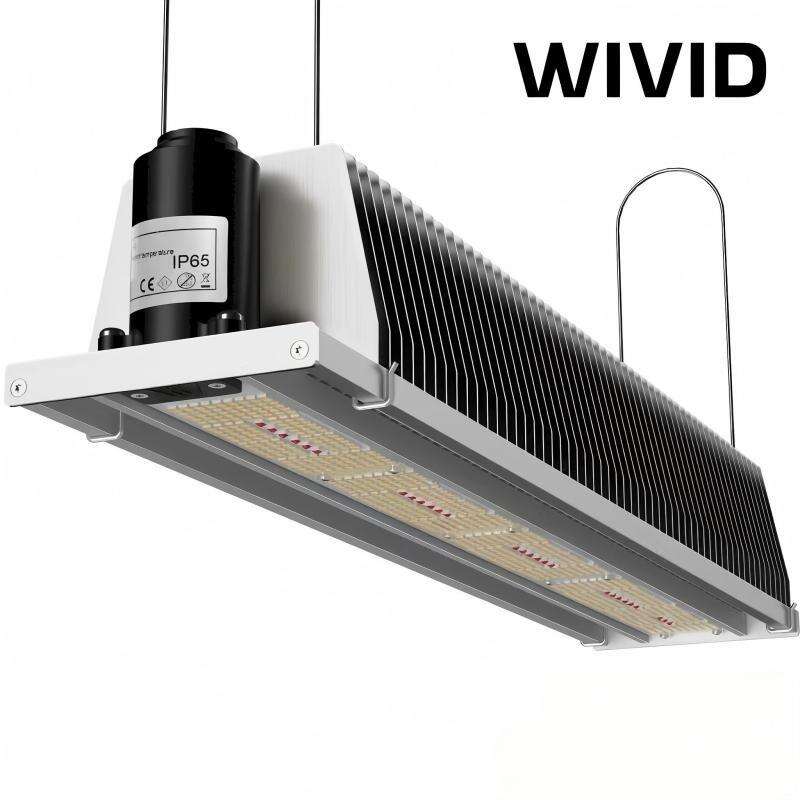
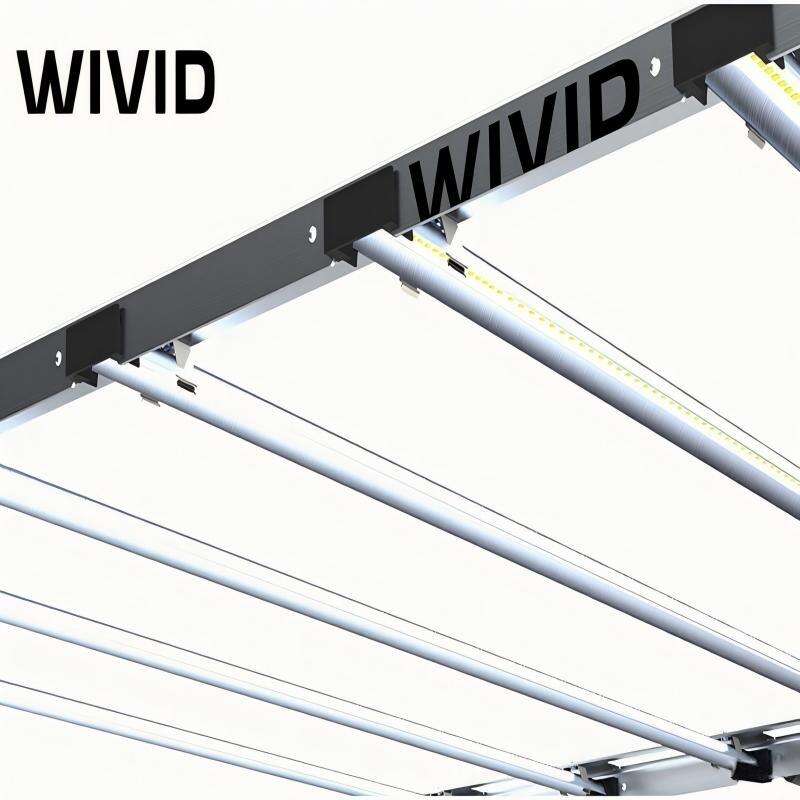
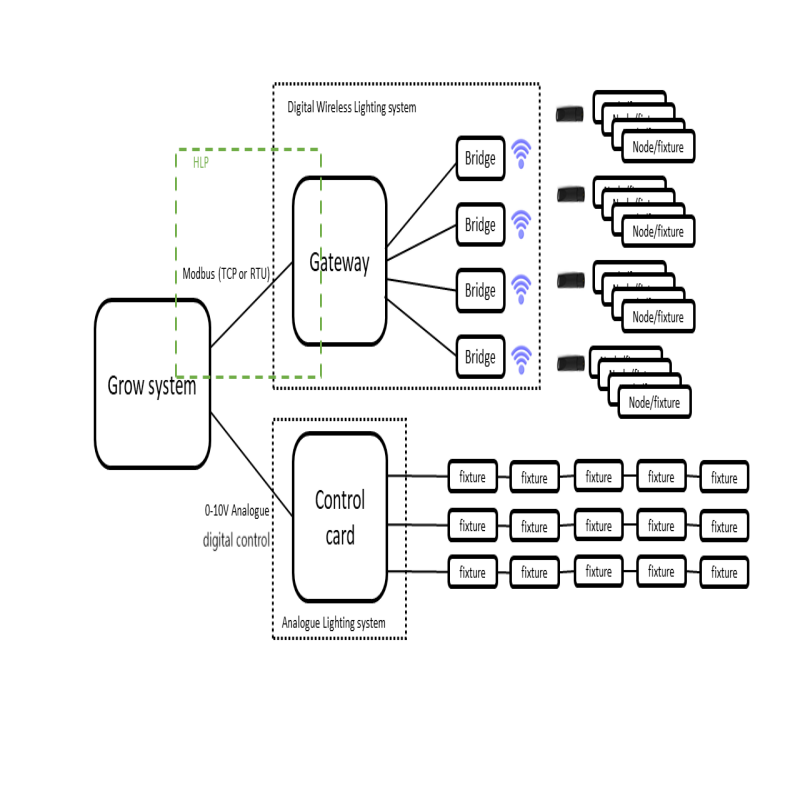
The exceptional longevity and minimal maintenance demands of horticulture LED technology deliver practical operational benefits that extend far beyond simple convenience, fundamentally improving cultivation facility management and profitability. Quality horticulture LED fixtures typically offer rated lifespans between 50,000 and 100,000 hours of operation, depending on component quality, thermal management design, and operating conditions. To contextualize these figures, a fixture operating 18 hours daily would reach 50,000 hours after approximately 7.6 years of continuous use, while 100,000-hour units would function for over 15 years under the same schedule. This extraordinary durability contrasts sharply with high-pressure sodium and metal halide lamps that require replacement every 10,000 to 20,000 hours as lumen output degrades below acceptable levels. The extended lifespan eliminates the recurring expense, labor, and crop disruption associated with frequent bulb changes in large cultivation facilities. Commercial operations with hundreds of fixtures would otherwise face ongoing replacement cycles, requiring staff time for lamp changes, disposal of spent bulbs, and inventory management of replacement components. Horticulture LED technology transforms lighting maintenance from a regular operational task into an occasional event occurring once per decade rather than multiple times annually. The solid-state construction of LED components, lacking fragile filaments, pressurized arc tubes, or delicate glass envelopes, creates inherent resilience against physical shock, vibration, and handling damage. This robustness reduces breakage during installation, relocation, or cleaning activities that might damage traditional lighting equipment. The absence of hazardous materials such as mercury, present in metal halide and fluorescent technologies, simplifies disposal procedures and eliminates environmental contamination risks when fixtures eventually reach end-of-life. Horticulture LED systems maintain consistent light output throughout their operational lifespan with gradual degradation rather than the sudden failures characteristic of traditional bulbs. This predictable performance allows growers to plan replacement schedules proactively based on measured light output rather than reacting to unexpected failures that might compromise crop quality if not immediately addressed. Many modern horticulture LED fixtures incorporate monitoring systems that track operational hours and performance metrics, providing alerts when output falls below specified thresholds. The instant-on characteristic of LED technology eliminates warm-up periods required by HID lighting, allowing immediate full-output operation when power is applied. This feature proves valuable in facilities using light movers, supplemental lighting triggered by solar conditions, or operations requiring rapid lighting adjustments for crop management purposes. The absence of restrike delays means lights can be turned off during facility access periods and immediately reactivated without waiting periods, improving both energy efficiency and worker safety. The stable electrical characteristics of LED drivers, combined with sophisticated thermal management in quality fixtures, ensure consistent performance across varying ambient temperatures and input voltage fluctuations that might affect traditional ballast-lamp combinations.

 EN
EN