Professional Hydroponic Grow Lighting Systems - Full Spectrum LED Solutions for Indoor Cultivation

All Categories

hydroponic grow lighting

Hydroponic grow lighting represents a revolutionary advancement in indoor agriculture, providing cultivators with precise control over their plant growth environments. These specialized lighting systems are engineered to deliver optimal light spectrums that mimic natural sunlight, enabling plants to photosynthesize efficiently regardless of external weather conditions or geographic location. The main function of hydroponic grow lighting is to supply plants with the exact wavelengths of light they need during different growth stages, from seedling development through vegetative growth and into the flowering phase. Modern hydroponic grow lighting systems incorporate advanced LED technology that allows growers to customize light intensity, duration, and spectral output to match specific crop requirements. These systems feature programmable controls that automate lighting schedules, ensuring plants receive consistent illumination without manual intervention. The technological features include full-spectrum capabilities that cover wavelengths from ultraviolet to infrared, with particular emphasis on the blue and red spectrums that plants absorb most effectively. Energy efficiency stands as a cornerstone of contemporary hydroponic grow lighting design, with LED fixtures consuming significantly less electricity compared to traditional high-pressure sodium or metal halide lamps while generating minimal heat output. This reduced thermal signature eliminates the need for extensive cooling systems, further decreasing operational costs. Applications for hydroponic grow lighting span commercial agriculture, research facilities, home gardening operations, and vertical farming installations. Commercial growers utilize these systems to produce consistent, high-quality crops year-round, independent of seasonal limitations. Research institutions employ hydroponic grow lighting to conduct controlled experiments on plant biology and crop optimization. Home gardeners benefit from compact, user-friendly systems that transform spare rooms or basements into productive growing spaces. Vertical farms, which stack growing layers to maximize space utilization, rely entirely on hydroponic grow lighting to illuminate crops in environments where natural sunlight cannot penetrate. The versatility of these lighting solutions extends to various plant types, including leafy greens, herbs, fruiting vegetables, flowers, and medicinal plants, making them indispensable tools for modern cultivation practices.

Popular Products

The advantages of hydroponic grow lighting extend far beyond simple illumination, offering growers tangible benefits that directly impact crop quality, yield, and profitability. First and foremost, these systems provide complete independence from natural light cycles, allowing you to grow fresh produce throughout the entire year without seasonal interruptions. This means you can harvest tomatoes in winter, cultivate lettuce during summer heat waves, and maintain consistent production schedules that meet market demands regardless of weather patterns. The precision control offered by hydroponic grow lighting enables you to tailor light conditions to specific plant needs, accelerating growth rates by up to 30 percent compared to traditional outdoor cultivation. You can adjust light intensity during different growth phases, providing stronger illumination during vegetative stages to promote robust foliage development, then shifting to flowering-optimized spectrums to enhance fruit and flower production. Energy savings represent another compelling advantage, with modern LED-based hydroponic grow lighting consuming 40 to 60 percent less electricity than older lighting technologies while delivering superior performance. This reduction in energy costs translates directly to improved profit margins, especially for commercial operations running lights for 12 to 18 hours daily. The low heat output of contemporary systems eliminates the need for expensive air conditioning equipment, further reducing operational expenses and creating more stable growing environments. Space efficiency becomes achievable with hydroponic grow lighting, as you can establish productive gardens in locations previously unsuitable for agriculture, including basements, warehouses, shipping containers, and urban rooftops. This flexibility opens new possibilities for local food production, reducing transportation costs and carbon footprints associated with long-distance food distribution. Crop quality improvements manifest through consistent lighting that produces uniform plant development, vibrant colors, enhanced flavors, and higher nutritional content. You gain the ability to eliminate pesticide use by creating controlled environments where pests struggle to establish populations, resulting in cleaner, healthier produce that commands premium prices. The automation capabilities built into modern hydroponic grow lighting systems reduce labor requirements, as programmable timers and smart controllers manage lighting schedules without constant supervision. This automation allows you to focus on other critical cultivation tasks while maintaining optimal growing conditions. Disease prevention becomes easier when using hydroponic grow lighting in enclosed environments, as you can regulate humidity levels more effectively and prevent moisture-related fungal infections that plague outdoor crops. The rapid return on investment makes hydroponic grow lighting economically attractive, with many growers recovering their initial equipment costs within 18 to 24 months through increased yields and reduced operating expenses.

Latest News

Energy Savings and Spectral Precision

14

Jan

Energy Savings and Spectral Precision

Discover how horticultural LED lighting cuts energy use by up to 50% while boosting plant growth with optimized spectra. Reduce TCO and enhance sustainability. Learn more today.
View More
Introduction to Photosynthetically Active Radiation (PAR)

14

Jan

Introduction to Photosynthetically Active Radiation (PAR)

Discover how Photosynthetically Active Radiation (PAR) boosts photosynthesis, growth, and yields. Learn to optimize LED lighting for energy efficiency and crop quality. Read more.
View More
Comprehensive Light Planning in Controlled Environment Agriculture

12

Mar

Comprehensive Light Planning in Controlled Environment Agriculture

Maximize crop yield with precise PPFD planning. Discover how 3D light simulations improve uniformity, reduce waste, and boost photosynthesis. Get your free lighting guide.
View More
The Grow Light Spectrum

15

Jan

The Grow Light Spectrum

Maximize photosynthetic efficiency and yields with science-backed grow light spectra. Discover how blue, red, and full-spectrum lighting affect plant growth. Learn more.
View More

Get a Free Quote

Our representative will contact you soon.
Email
Mobile
Country/Region
Name
Message
0/1000

hydroponic grow lighting

Full Spectrum Technology for Optimal Plant Development

Full Spectrum Technology for Optimal Plant Development

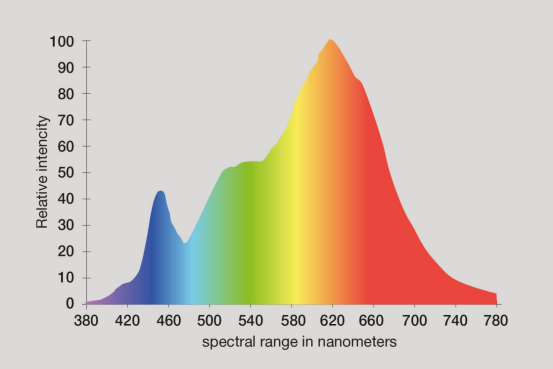
The full spectrum technology integrated into modern hydroponic grow lighting systems represents a quantum leap forward in horticultural science, delivering precisely calibrated wavelengths that plants utilize most efficiently throughout their entire lifecycle. Unlike traditional lighting that produces limited spectral ranges, advanced hydroponic grow lighting generates a complete rainbow of wavelengths from 380 nanometers in the ultraviolet range through 780 nanometers in the infrared spectrum. This comprehensive coverage ensures plants receive all the light energy they need for photosynthesis, chlorophyll production, and metabolic processes. The blue wavelengths between 400 and 500 nanometers promote compact, bushy growth patterns with strong stems and dense foliage, making them essential during vegetative stages when you want plants to develop robust structural foundations. Red wavelengths spanning 600 to 700 nanometers trigger flowering responses and fruit development, encouraging plants to transition from vegetative growth into reproductive phases where they produce the harvests you desire. The inclusion of green wavelengths, often overlooked in older lighting designs, penetrates deeper into plant canopies to reach lower leaves that would otherwise remain shaded, improving overall photosynthetic efficiency across the entire plant structure. Far-red wavelengths extending beyond 700 nanometers influence plant morphology and flowering time, giving you additional control over crop timing and appearance. The ability to adjust spectral output through programmable controls means you can create custom light recipes tailored to specific crops, whether you are growing basil that thrives under blue-heavy spectrums or tomatoes that demand abundant red wavelengths during fruiting. This customization extends to mimicking seasonal light changes, allowing you to trigger natural plant responses that enhance flavor profiles, increase essential oil production in herbs, or improve the nutritional density of leafy greens. The full spectrum approach also supports healthier plant immune systems, as exposure to diverse wavelengths strengthens plant defenses against environmental stresses and pathogen attacks. Research demonstrates that plants grown under full spectrum hydroponic grow lighting exhibit superior root development, faster growth rates, and higher yields compared to those cultivated under narrow-spectrum alternatives, validating the importance of comprehensive wavelength coverage in professional growing operations.
Energy Efficiency That Transforms Operating Economics

Energy Efficiency That Transforms Operating Economics

Energy efficiency stands as the defining characteristic that separates modern hydroponic grow lighting from outdated alternatives, fundamentally transforming the economic viability of indoor cultivation operations. Traditional high-intensity discharge lamps convert only 30 to 40 percent of consumed electricity into usable light, wasting the remainder as heat that requires expensive cooling systems to manage. In stark contrast, contemporary LED-based hydroponic grow lighting achieves conversion efficiencies exceeding 50 percent, with premium fixtures reaching 60 percent efficiency by directing more electrical energy toward photon production rather than thermal waste. This dramatic improvement in energy utilization means you can illuminate the same growing area while consuming half the electricity, directly reducing your monthly utility bills and improving your operation's environmental footprint. The financial impact becomes even more pronounced when you factor in the reduced cooling requirements, as LED hydroponic grow lighting generates minimal heat compared to traditional lamps that can raise ambient temperatures by 15 to 20 degrees Fahrenheit. By eliminating the need for powerful air conditioning systems, you avoid both the initial capital expense of cooling equipment and the ongoing operational costs of running climate control systems for 12 to 18 hours daily. The extended lifespan of LED components in hydroponic grow lighting systems delivers additional economic advantages, with quality fixtures operating for 50,000 to 100,000 hours before requiring replacement compared to 10,000 to 20,000 hours for traditional bulbs. This longevity reduces maintenance costs, eliminates frequent bulb replacement expenses, and minimizes crop disruptions caused by lighting failures. The precise directional output of LED hydroponic grow lighting ensures that emitted photons reach plant canopies rather than being lost to reflectors, walls, or ceilings, maximizing the photosynthetic value of every watt consumed. Smart control features built into advanced systems optimize energy consumption further by dimming lights during periods when plants require less intensity or automatically adjusting output based on ambient light contributions from windows or skylights. Some sophisticated hydroponic grow lighting systems incorporate sensors that monitor plant responses and adjust light delivery in real-time, ensuring you never waste energy on excessive illumination while maintaining optimal growth conditions. The cumulative effect of these efficiency improvements creates compelling return-on-investment scenarios, with many commercial growers reporting payback periods of 18 to 30 months despite higher initial equipment costs compared to traditional lighting.
Programmable Control Systems for Precision Growing

Programmable Control Systems for Precision Growing

Programmable control systems integrated into advanced hydroponic grow lighting platforms empower growers with unprecedented precision over their cultivation environments, transforming indoor agriculture from an art into a science. These intelligent control interfaces allow you to program complex lighting schedules that automatically adjust intensity, spectrum, and duration throughout the day and across different growth stages without requiring manual intervention. You can create sunrise and sunset simulations that gradually increase and decrease light levels, mimicking natural transitions that reduce plant stress and promote healthier growth patterns compared to abrupt on-off switching. The ability to store multiple lighting programs means you can develop optimized recipes for different crops, then recall and deploy these proven formulas whenever you plant new batches, ensuring consistent results across successive growing cycles. Advanced hydroponic grow lighting controllers connect to smartphones and computers through wireless networks, enabling you to monitor and adjust your growing environment from anywhere in the world, whether you are at home, traveling, or managing multiple facilities across different locations. Real-time data logging captures detailed information about light delivery, energy consumption, and system performance, providing valuable insights that help you refine your growing strategies and identify opportunities for further optimization. Integration capabilities allow hydroponic grow lighting systems to communicate with other environmental controls, including irrigation systems, ventilation equipment, and climate sensors, creating cohesive automated growing environments where all parameters work in harmony. You can program coordinated responses where lighting adjustments trigger corresponding changes in temperature, humidity, or nutrient delivery, maintaining ideal conditions as plants progress through their lifecycle. The scheduling flexibility extends to implementing specialized techniques like light stress training, where brief periods of modified spectrum or intensity trigger beneficial plant responses such as increased resin production in certain crops or enhanced pigmentation in ornamental varieties. Alarm systems built into sophisticated controllers alert you immediately when problems arise, such as fixture failures, unexpected temperature spikes, or deviations from programmed schedules, allowing you to address issues before they impact crop health. The user-friendly interfaces featured in modern hydroponic grow lighting controls make advanced growing techniques accessible to beginners while providing the depth and customization options that experienced cultivators demand for pushing the boundaries of crop performance and quality.