Zekî Enerji Yönetimi ve Maliyet Optimizasyonu
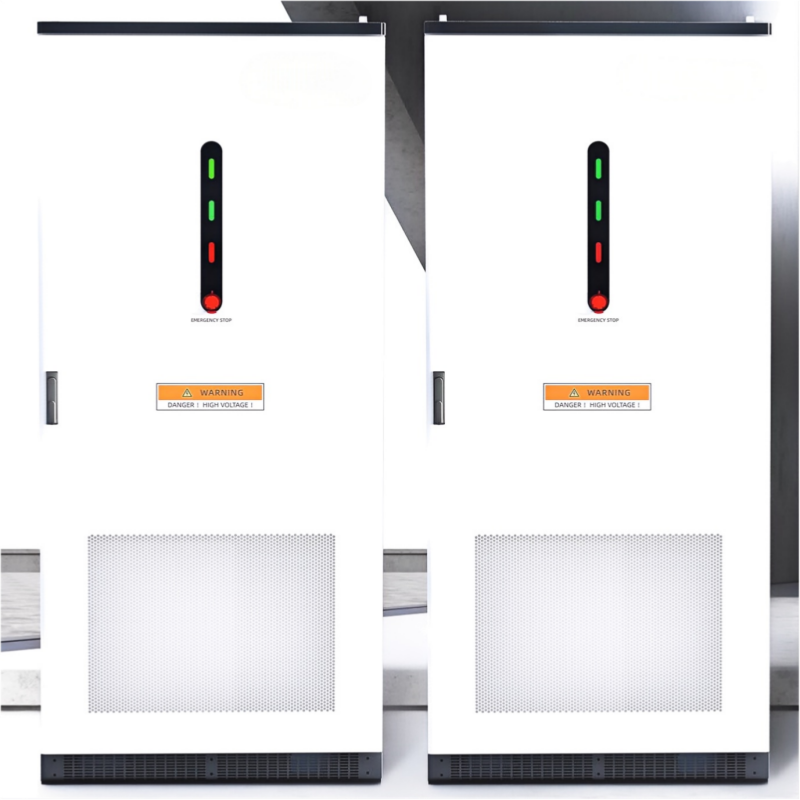
Endüstriyel güneş enerjili batarya depolama sistemleri, işletmelerin elektriği tüketme ve yönetme biçimini dönüştüren, enerji maliyetleri ve kullanım kalıpları üzerinde benzeri görülmemiş bir kontrol sağlayan gelişmiş yazılım platformlarını içerir. Bu akıllı yönetim sistemleri, bataryaların ne zaman şarj edileceği, depolanan enerjinin ne zaman boşaltılacağı ve şebekeden ne zaman enerji çekileceği konusunda en uygun kararları almak için gerçek zamanlı elektrik fiyatları, hava tahminleri, geçmiş tüketim kalıpları ve mevcut tesis yükleri de dahil olmak üzere birden fazla veri akışını sürekli olarak analiz eder. Yazılım, enerji kullanımındaki kalıpları belirleyerek ve gerçek sonuçlara dayalı stratejileri iyileştirerek zaman içinde performansı artıran makine öğrenimi algoritmaları kullanır ve her faturalama döngüsünde maliyetleri düşürmede daha etkili hale gelir. İşletmeler, enerji yönetimini operasyonel gereksinimlerle uyumlu hale getiren özel kurallar ve öncelikler yapılandırabilir; örneğin, kritik sistemler için yeterli yedek kapasitenin kullanılabilir olmasını sağlarken, aynı zamanda en yüksek tarife dönemlerinde stratejik boşaltma yoluyla maliyet tasarruflarını en üst düzeye çıkarabilirler. Platform, sistemin ne kadar para tasarrufu sağladığını, karbon emisyonlarının nasıl azaldığını ve enerjinin tesis genelinde nasıl aktığını tam olarak ortaya koyan ayrıntılı analizler ve raporlama sunarak yönetime yatırım getirisi ve sürdürülebilirlik ölçütleri konusunda net bir görünürlük sağlar. Gerçek zamanlı izleme, tesis yöneticilerini operasyonları etkilemeden önce performans sorunları veya bakım ihtiyaçları konusunda uyarırken, uzaktan teşhis, teknisyenlerin birçok durumda yerinde ziyaret yapmadan sorunları gidermesine olanak tanır. Mevcut bina yönetim sistemleri ve güneş enerjisi invertörleriyle entegrasyon, tüm bileşenlerin sorunsuz bir şekilde birlikte çalıştığı, elektrik altyapısının tamamında performansı optimize eden ve izole bir şekilde çalışmak yerine bütünleşik bir enerji ekosistemi oluşturur. Akıllı yönetim sistemi, yapılandırıldığında otomatik olarak şebeke talep yanıt programlarına katılır, şebeke sinyallerine yanıt verir ve personelden manuel müdahale gerektirmeden teşvik ödemeleri kazanır. Bu özellik, endüstriyel güneş enerjisi batarya depolama sistemini pasif bir varlıktan, basit maliyetten kaçınmanın ötesinde kârlılığa katkıda bulunan aktif bir gelir kaynağına dönüştürür. Tahmin yetenekleri, sistemin yaklaşan yüksek talep dönemlerine veya beklenen kesintilere hazırlanmasını sağlayarak, bataryaların önceden tam şarj olmasını garanti eder ve en çok ihtiyaç duyulduğunda yedek gücün mevcut olacağı konusunda gönül rahatlığı sağlar. Kullanıcı arayüzü, karmaşık enerji verilerini, teknik olmayan personelin anlayabileceği ve karar verme için kullanabileceği sezgisel gösterge panelleri aracılığıyla sunarak, uzmanlık gerektirmek yerine kuruluş genelinde enerji yönetimini demokratikleştirir.
 EN
EN