Industrial Solar Battery Storage Solutions - Reduce Costs and Ensure Reliable Power

All Categories

industrial solar battery storage

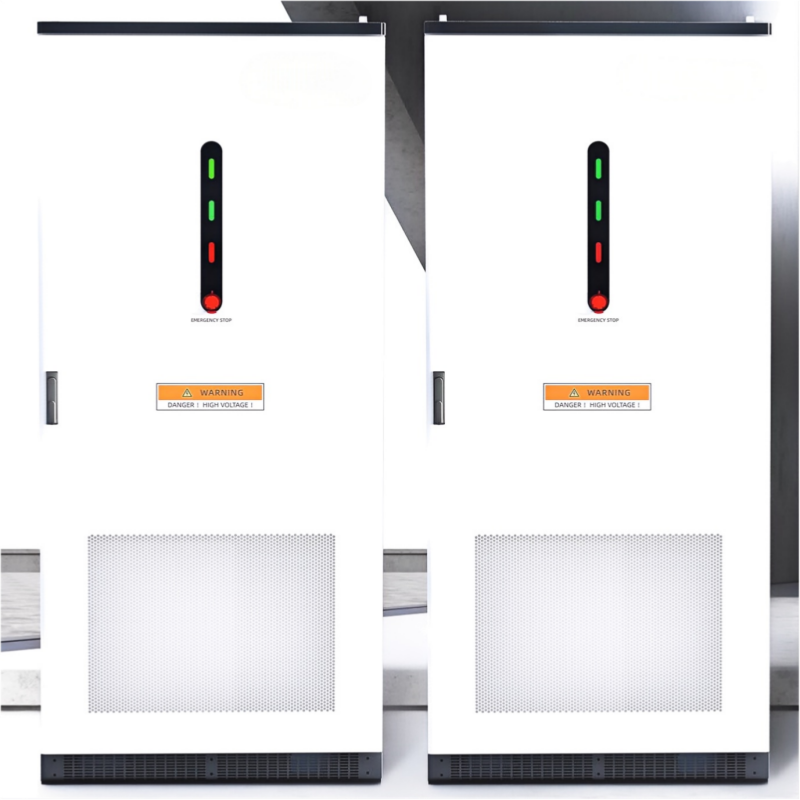
Industrial solar battery storage represents a transformative solution for businesses seeking to maximize their renewable energy investments while ensuring reliable power supply. These advanced energy storage systems capture excess electricity generated by solar panels during peak sunlight hours and store it for use when production drops or demand increases. At its core, an industrial solar battery storage system consists of high-capacity battery banks, sophisticated power conversion equipment, and intelligent management software that orchestrates the flow of energy throughout a facility. The main functions include load shifting, which allows businesses to use stored solar energy during expensive peak-rate periods instead of drawing from the grid, peak shaving that reduces maximum demand charges by supplementing grid power with stored energy during high-consumption periods, and backup power provision that keeps critical operations running during outages. Technologically, modern industrial solar battery storage systems utilize lithium-ion chemistry for superior energy density and cycle life, though some applications employ alternative technologies like flow batteries for extended duration storage. These systems feature modular designs that allow capacity expansion as business needs grow, integrated inverters that efficiently convert between DC and AC power, and cloud-connected monitoring platforms that provide real-time visibility into system performance and energy flows. The applications span diverse industries including manufacturing facilities that require consistent power for production lines, cold storage warehouses needing uninterrupted refrigeration, data centers demanding reliable backup power, agricultural operations running irrigation systems, and commercial buildings optimizing energy costs. Industrial solar battery storage systems typically range from hundreds of kilowatt-hours to multiple megawatt-hours in capacity, scaled to match specific operational requirements and solar array sizes, making them essential infrastructure for any business committed to energy independence and sustainability.

New Products

Businesses adopting industrial solar battery storage gain immediate control over their energy expenses by storing low-cost solar electricity and deploying it strategically when grid rates spike. This approach slashes monthly utility bills by 30 to 50 percent for many operations, with savings compounding year after year as electricity prices continue rising. The system pays for itself through these cost reductions, typically achieving return on investment within five to eight years depending on local electricity rates and incentive programs. Beyond direct savings, industrial solar battery storage shields businesses from unpredictable rate increases and demand charges that can devastate budgets, providing financial stability and predictable operating costs that facilitate better long-term planning. Energy independence becomes reality as companies reduce reliance on utility providers and gain resilience against grid failures that would otherwise halt production and damage equipment. When storms knock out power lines or grid infrastructure fails, stored solar energy keeps essential systems running, preventing costly downtime that can reach thousands of dollars per hour in lost productivity. This reliability advantage proves especially valuable for operations with perishable inventory, continuous manufacturing processes, or critical services that cannot tolerate interruptions. Environmental benefits align with corporate sustainability goals as industrial solar battery storage maximizes clean energy utilization and minimizes fossil fuel consumption. Companies reduce their carbon footprint substantially, often eliminating tens or hundreds of tons of CO2 emissions annually, which strengthens brand reputation and appeals to environmentally conscious customers and investors. Many jurisdictions offer tax credits, rebates, and accelerated depreciation for energy storage installations, further improving project economics and shortening payback periods. The technology also provides grid services that generate additional revenue streams in markets with demand response programs or capacity markets, where businesses earn payments for making stored energy available during peak demand events. Operational flexibility increases as facilities can continue production during planned utility maintenance or unexpected outages, maintaining delivery schedules and customer commitments. The modular nature of industrial solar battery storage allows businesses to start with appropriate capacity and expand incrementally as operations grow or energy needs change, avoiding overinvestment while maintaining upgrade pathways. Smart energy management systems optimize charging and discharging automatically based on weather forecasts, electricity prices, and usage patterns, requiring minimal staff intervention once configured. This automation frees personnel to focus on core business activities rather than energy management while still capturing maximum value from the storage system.

Tips And Tricks

Energy Savings and Spectral Precision

14

Jan

Energy Savings and Spectral Precision

Discover how horticultural LED lighting cuts energy use by up to 50% while boosting plant growth with optimized spectra. Reduce TCO and enhance sustainability. Learn more today.
View More
Introduction to Photosynthetically Active Radiation (PAR)

14

Jan

Introduction to Photosynthetically Active Radiation (PAR)

Discover how Photosynthetically Active Radiation (PAR) boosts photosynthesis, growth, and yields. Learn to optimize LED lighting for energy efficiency and crop quality. Read more.
View More
Comprehensive Light Planning in Controlled Environment Agriculture

12

Mar

Comprehensive Light Planning in Controlled Environment Agriculture

Maximize crop yield with precise PPFD planning. Discover how 3D light simulations improve uniformity, reduce waste, and boost photosynthesis. Get your free lighting guide.
View More
The Grow Light Spectrum

15

Jan

The Grow Light Spectrum

Maximize photosynthetic efficiency and yields with science-backed grow light spectra. Discover how blue, red, and full-spectrum lighting affect plant growth. Learn more.
View More

Get a Free Quote

Our representative will contact you soon.
Email
Mobile
Country/Region
Name
Message
0/1000

industrial solar battery storage

Intelligent Energy Management and Cost Optimization

Intelligent Energy Management and Cost Optimization

Industrial solar battery storage systems incorporate sophisticated software platforms that transform how businesses consume and manage electricity, delivering unprecedented control over energy costs and usage patterns. These intelligent management systems continuously analyze multiple data streams including real-time electricity prices, weather forecasts, historical consumption patterns, and current facility loads to make optimal decisions about when to charge batteries, when to discharge stored energy, and when to draw from the grid. The software employs machine learning algorithms that improve performance over time by identifying patterns in energy usage and refining strategies based on actual results, becoming more effective at reducing costs with each billing cycle. Businesses can configure custom rules and priorities that align energy management with operational requirements, such as ensuring sufficient backup capacity remains available for critical systems while still maximizing cost savings through strategic discharge during peak rate periods. The platform provides detailed analytics and reporting that reveal exactly how much money the system saves, how carbon emissions decrease, and how energy flows throughout the facility, giving management clear visibility into return on investment and sustainability metrics. Real-time monitoring alerts facility managers to any performance issues or maintenance needs before they impact operations, while remote diagnostics allow technicians to troubleshoot problems without site visits in many cases. Integration with existing building management systems and solar inverters creates a unified energy ecosystem where all components work together seamlessly, optimizing performance across the entire electrical infrastructure rather than operating in isolation. The intelligent management system also participates in utility demand response programs automatically when configured to do so, responding to grid signals and earning incentive payments without requiring manual intervention from staff. This capability transforms the industrial solar battery storage system from a passive asset into an active revenue generator that contributes to the bottom line beyond simple cost avoidance. Forecasting capabilities allow the system to prepare for upcoming high-demand periods or anticipated outages by ensuring batteries reach full charge beforehand, providing peace of mind that backup power will be available when needed most. The user interface presents complex energy data through intuitive dashboards that non-technical personnel can understand and use for decision-making, democratizing energy management across the organization rather than requiring specialized expertise.
Scalable Architecture for Growing Business Needs

Scalable Architecture for Growing Business Needs

The modular design philosophy underlying industrial solar battery storage systems provides businesses with unmatched flexibility to match storage capacity precisely to current requirements while preserving straightforward expansion pathways as operations evolve and energy needs increase. Unlike traditional infrastructure investments that force companies to choose between overbuilding for future needs or facing expensive retrofits later, industrial solar battery storage allows incremental capacity additions that align with actual growth trajectories and budget availability. Each battery module functions as an independent unit that integrates seamlessly with existing modules, enabling businesses to add storage capacity in manageable increments rather than making massive capital outlays all at once. This approach reduces financial risk by allowing companies to validate performance and savings with an initial installation before committing to larger investments, building confidence through demonstrated results rather than relying solely on projections. The scalable architecture also accommodates changing business models and operational shifts, such as adding new production lines, expanding facility footprints, or transitioning to more energy-intensive processes, without rendering existing storage infrastructure obsolete. Businesses can start with enough capacity to handle basic load shifting and backup power for critical systems, then expand to support additional applications like electric vehicle charging infrastructure, process heating electrification, or participation in grid services markets as priorities evolve. The modular components share common mounting systems, electrical connections, and control interfaces that minimize installation complexity and costs when adding capacity, avoiding the need to redesign or rebuild foundational elements with each expansion phase. This standardization also simplifies maintenance and spare parts inventory since the same components appear throughout the system regardless of total capacity, reducing long-term operational complexity and support costs. Businesses benefit from technology improvements over time as newer, more efficient battery modules become available for expansion phases, allowing the system to incorporate advances in energy density, cycle life, and performance without requiring replacement of earlier installations that continue functioning effectively. The scalable approach also provides valuable optionality in uncertain business environments, allowing companies to defer expansion investments until market conditions clarify or growth materializes rather than committing capital based on speculative forecasts. Financial planning becomes more manageable as businesses can spread storage investments across multiple budget cycles instead of absorbing the entire cost upfront, improving cash flow management and reducing strain on capital budgets. The ability to right-size installations for current needs while maintaining clear upgrade paths represents a fundamental advantage over alternative energy solutions that lack this flexibility, making industrial solar battery storage an adaptable foundation for long-term energy strategy rather than a fixed asset that may become inadequate or excessive as circumstances change.
Enhanced Reliability and Business Continuity Protection

Enhanced Reliability and Business Continuity Protection

Industrial solar battery storage systems deliver critical reliability advantages that protect businesses from the substantial financial and operational damages caused by power disruptions, providing a robust safety net that keeps essential systems running when grid electricity fails. Modern facilities depend on consistent power for everything from production equipment and climate control to data systems and security infrastructure, making even brief outages potentially catastrophic in terms of lost productivity, damaged goods, missed deadlines, and compromised safety. Industrial solar battery storage eliminates this vulnerability by maintaining sufficient energy reserves to power critical loads through typical outage durations, with capacity sizing based on specific facility requirements and risk tolerance. The transition from grid power to stored energy happens automatically within milliseconds when the system detects an outage, so sensitive equipment experiences no interruption and production processes continue without disruption or damage. This seamless switchover capability proves especially valuable for operations with equipment that cannot tolerate power fluctuations or processes that require hours to restart after shutdowns, where even brief outages create disproportionate impacts. Businesses gain the ability to maintain commitments to customers and partners regardless of grid conditions, protecting reputation and relationships that might suffer irreparable harm from missed deliveries or service interruptions. The reliability benefits extend beyond outage protection to include power quality improvements, as industrial solar battery storage systems can filter voltage fluctuations and frequency variations that degrade equipment performance and shorten operational lifespans. Sensitive electronics, variable frequency drives, and precision manufacturing equipment all benefit from the clean, stable power that battery systems provide, reducing maintenance requirements and extending asset life. Facilities in regions with aging grid infrastructure or frequent weather-related outages gain particular value from industrial solar battery storage, as the system provides independence from unreliable utility service that might otherwise force business relocation or limit growth opportunities. The stored energy also enables planned disconnection from the grid during maintenance windows or demand response events without impacting operations, providing flexibility that businesses can leverage for additional savings or grid service revenues. Insurance considerations favor facilities with robust backup power capabilities, as reduced risk of business interruption and property damage from power-related incidents can translate into lower premiums and better coverage terms. Employee safety improves when emergency lighting, ventilation, and security systems remain operational during outages, while climate-controlled environments for sensitive materials or products maintain proper conditions regardless of grid status. The peace of mind that comes from knowing critical systems will continue functioning during emergencies allows management to focus on core business challenges rather than constantly worrying about power reliability, reducing stress and improving decision-making quality. Industrial solar battery storage systems typically include multiple layers of redundancy and fail-safe mechanisms that ensure availability even if individual components experience problems, providing reliability that exceeds grid-only power supplies by substantial margins.