batteries and energy storage technology
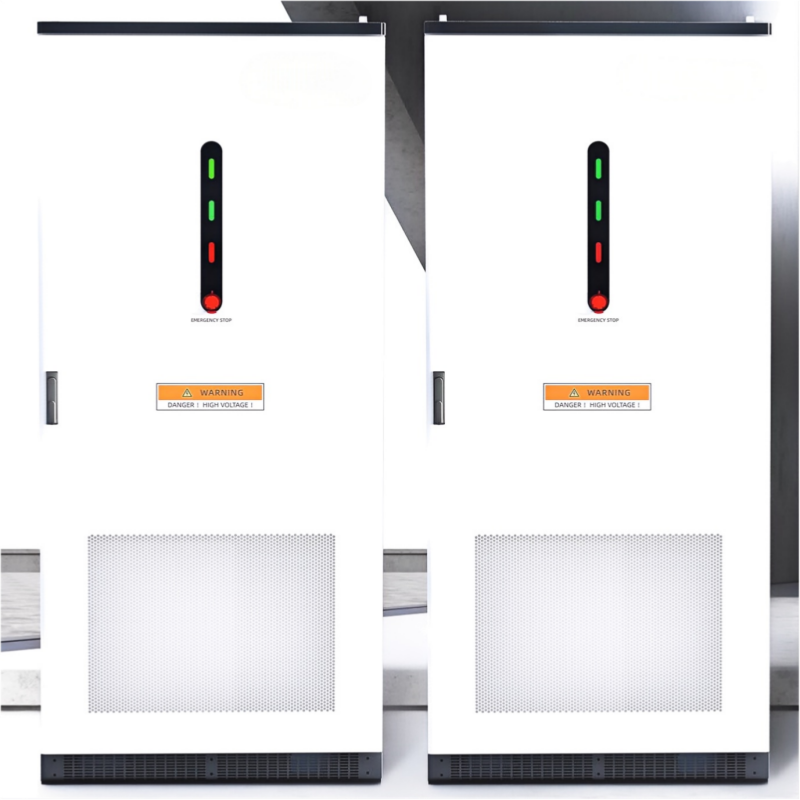
Batteries and energy storage technology represent critical infrastructure in modern power systems, enabling the capture, retention, and strategic release of electrical energy when needed most. These sophisticated systems serve as the backbone for renewable energy integration, grid stabilization, and reliable power delivery across residential, commercial, and industrial applications. The main functions of batteries and energy storage technology encompass load shifting, which allows users to store electricity during off-peak hours and utilize it during high-demand periods, thereby reducing energy costs significantly. Peak shaving capabilities enable facilities to minimize demand charges by discharging stored power during peak consumption times. These systems also provide backup power during outages, ensuring business continuity and residential comfort. Technologically, batteries and energy storage technology have evolved dramatically, incorporating lithium-ion chemistry, flow batteries, and emerging solid-state solutions that offer improved energy density, longer cycle life, and enhanced safety features. Modern battery management systems integrate intelligent software that monitors cell voltage, temperature, and state of charge, optimizing performance while extending operational lifespan. Applications span diverse sectors including utility-scale grid support, where massive battery installations stabilize frequency and voltage across transmission networks. Commercial buildings deploy batteries and energy storage technology to achieve energy independence, participate in demand response programs, and reduce operating expenses. Residential implementations combine solar panels with storage systems, creating self-sufficient homes that generate, store, and consume their own electricity. Electric vehicle charging infrastructure relies heavily on energy storage to manage power delivery without overwhelming local grid connections. Telecommunications towers, data centers, and healthcare facilities depend on batteries and energy storage technology for uninterruptible power supply, protecting critical operations from power disruptions. The technology continues advancing rapidly, with manufacturers developing more efficient, affordable, and sustainable solutions that promise to reshape how society generates, distributes, and consumes electrical power in the coming decades.

 EN
EN