tomato led grow lights
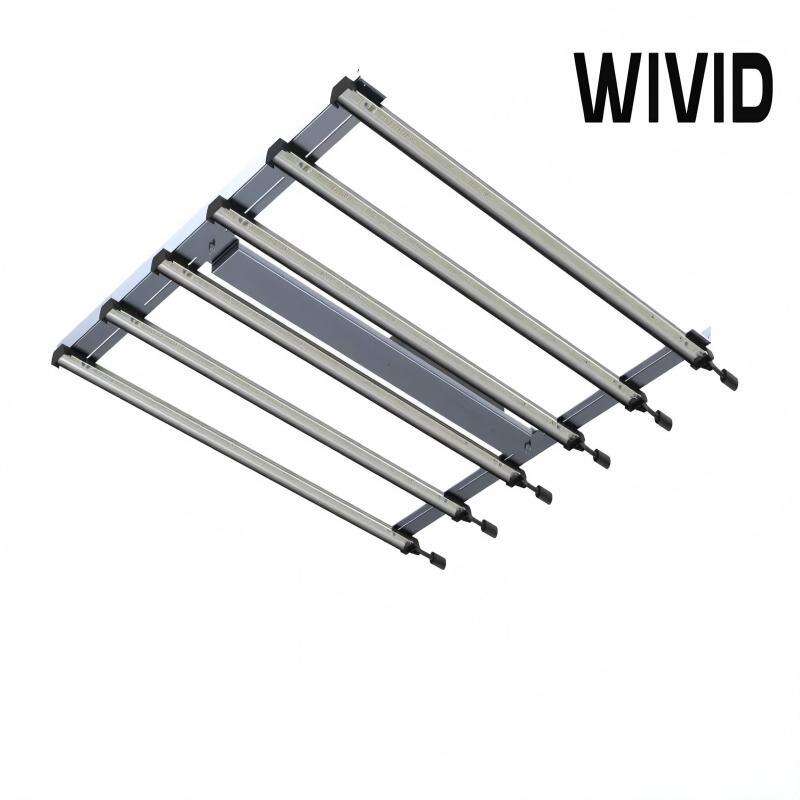
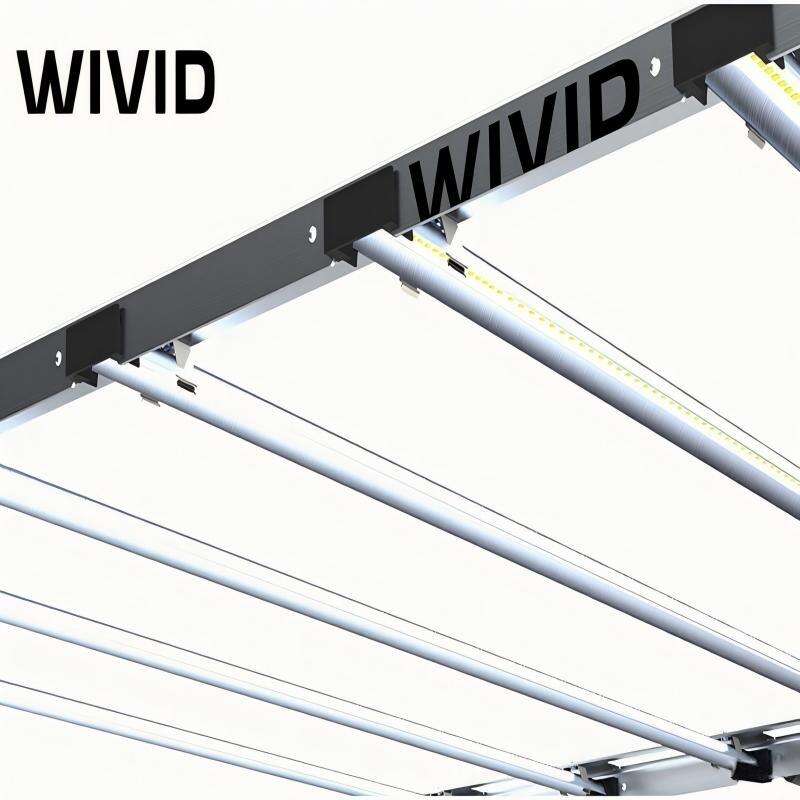
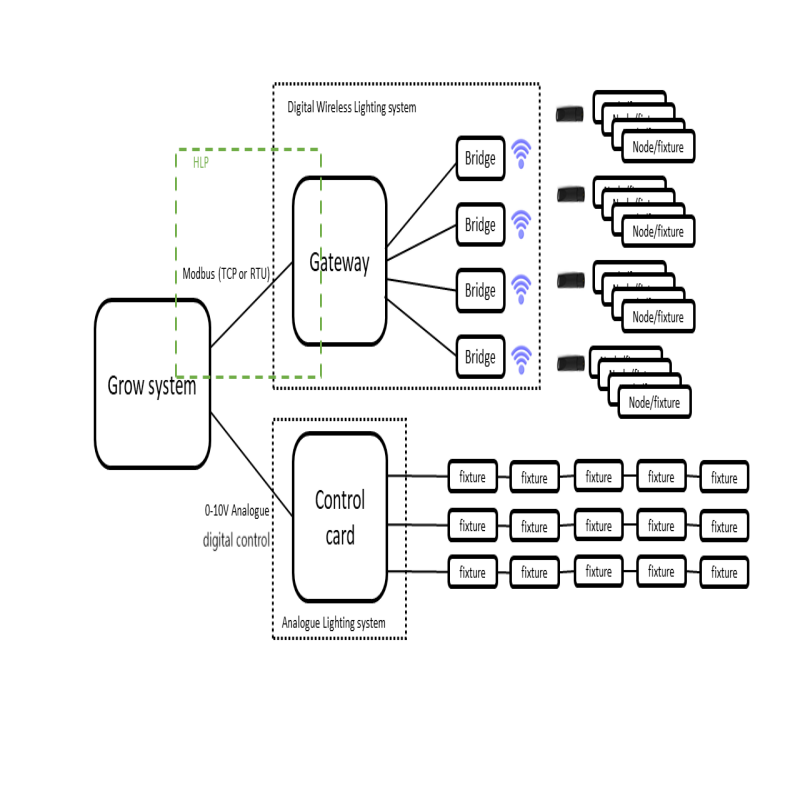
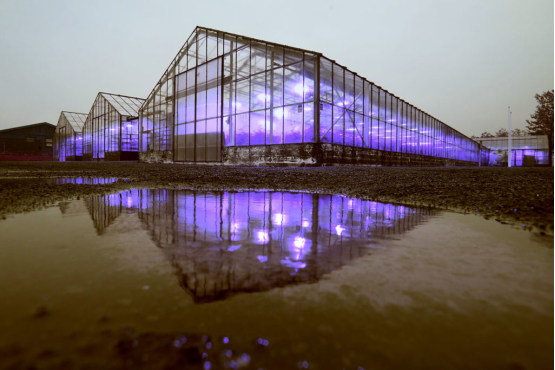
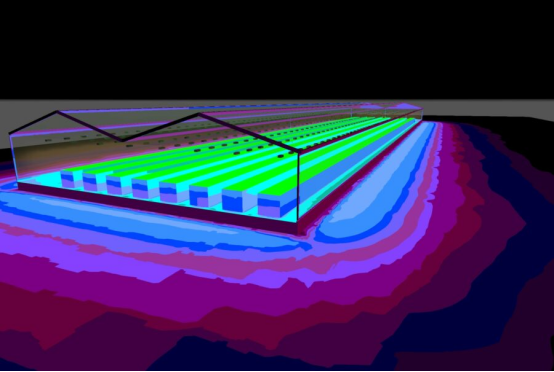
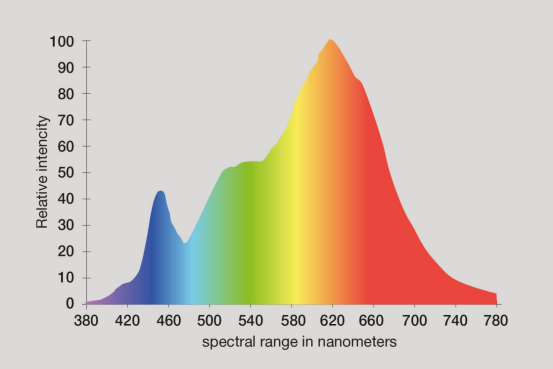
Tomato led grow lights represent a revolutionary advancement in horticultural lighting technology, specifically engineered to optimize the cultivation of tomato plants in indoor and greenhouse environments. These specialized lighting systems deliver precise wavelengths of light that correspond to the photosynthetic needs of tomato plants throughout their entire growth cycle, from seedling establishment to fruit maturation. The main functions of tomato led grow lights include providing consistent illumination regardless of external weather conditions, extending growing seasons beyond natural limitations, and enabling year-round tomato production in controlled environments. Technologically, these systems incorporate full-spectrum LED diodes that emit targeted wavelengths in the blue, red, and far-red portions of the light spectrum, which are critical for vegetative growth, flowering initiation, and fruit development in tomato plants. Advanced models feature programmable controllers that allow growers to adjust light intensity, duration, and spectral composition according to specific growth stages, ensuring optimal photosynthetic efficiency at every phase. The applications of tomato led grow lights extend across commercial greenhouse operations, vertical farming facilities, research institutions, and home gardening setups. Commercial tomato producers utilize these lighting solutions to maximize yields, improve fruit quality characteristics such as color, flavor, and nutritional content, while reducing energy consumption compared to traditional high-pressure sodium or metal halide systems. Research facilities employ tomato led grow lights to conduct controlled experiments examining plant responses to different light spectrums and intensities. Home gardeners benefit from compact, easy-to-install systems that transform indoor spaces into productive tomato growing areas. The energy efficiency of LED technology translates to lower operational costs, while the reduced heat emission allows lights to be positioned closer to plant canopies without risk of thermal damage, maximizing light utilization and minimizing wasted energy.

 EN
EN