Industrial Energy Storage Solutions - Reduce Costs, Enhance Reliability & Boost Sustainability

All Categories

industrial energy storage

Industrial energy storage represents a transformative solution for modern businesses seeking to optimize their power management and operational efficiency. These sophisticated systems capture electrical energy during periods of low demand or high generation and release it when needed most, creating a buffer between energy supply and consumption. At its core, industrial energy storage functions as a large-scale battery system designed specifically for commercial and manufacturing facilities, enabling organizations to manage electricity costs, ensure power reliability, and support sustainable operations. The main functions of industrial energy storage include peak shaving, which reduces energy consumption during expensive high-demand periods, load shifting that moves energy usage to off-peak hours when rates are lower, and backup power provision during grid outages or emergencies. Additionally, these systems provide frequency regulation services, helping stabilize the electrical grid while generating potential revenue streams for facility owners. The technological features of modern industrial energy storage systems encompass advanced lithium-ion battery arrays, intelligent energy management software, bidirectional inverters for seamless charging and discharging, and sophisticated monitoring systems that track performance metrics in real-time. Many installations incorporate modular designs allowing scalability as business needs evolve, while thermal management systems ensure optimal operating temperatures for extended battery life. Applications span diverse sectors including manufacturing plants that require uninterrupted power for production lines, data centers demanding constant uptime, retail facilities looking to reduce operational expenses, and warehouses seeking energy independence. Industrial energy storage also supports renewable energy integration, storing excess solar or wind power for later use, and enables participation in demand response programs where utilities compensate businesses for reducing grid strain during peak periods. As energy costs continue rising and sustainability becomes increasingly important, industrial energy storage emerges as an essential infrastructure investment that delivers both immediate financial returns and long-term strategic advantages for forward-thinking organizations across all industries.


New Product Releases

Businesses implementing industrial energy storage gain immediate control over their electricity expenses through strategic energy management. Your facility can purchase power during overnight hours when rates drop significantly, then use that stored energy during expensive daytime peaks, slashing monthly utility bills by twenty to forty percent in many cases. This approach works particularly well for operations running energy-intensive equipment or maintaining round-the-clock production schedules. You eliminate demand charges that utilities impose when your facility draws large amounts of power simultaneously, as the storage system smooths out consumption spikes by supplementing grid power with stored reserves. Your operations become insulated from grid instability and weather-related outages that disrupt production and damage equipment. When storms knock out local power infrastructure, your industrial energy storage maintains critical systems, protecting perishable inventory, keeping security systems active, and preventing costly production downtime that ripples through supply chains. Manufacturing facilities avoid scrapping in-process materials that spoil or harden without continuous power, while data centers prevent catastrophic server failures and information loss. You gain energy independence that provides negotiating leverage with utility providers and protects against unpredictable rate increases that squeeze profit margins. Your organization demonstrates environmental leadership by maximizing renewable energy utilization, storing surplus solar generation that would otherwise go unused and displacing fossil fuel consumption during evening hours. This sustainability commitment resonates with environmentally conscious customers, helps meet corporate responsibility goals, and positions your brand favorably in markets increasingly valuing green business practices. Your facility potentially generates additional revenue by participating in grid services programs where utilities compensate storage owners for providing capacity during system stress. You can sell stored energy back to the grid during shortage periods or offer frequency regulation services that help balance supply and demand across the power network. The system requires minimal ongoing maintenance compared to diesel generators, with no fuel costs, no emissions compliance concerns, and quiet operation that eliminates noise pollution affecting neighboring properties. You benefit from predictable operating expenses and accurate financial forecasting since energy costs become more controllable and less subject to market volatility. Installation qualifies for various tax incentives, rebates, and accelerated depreciation schedules that improve project economics and shorten payback periods. Your industrial energy storage scales alongside business growth, with modular components added incrementally rather than requiring complete system replacement, protecting your initial investment while accommodating expanding operations and evolving energy requirements.

Tips And Tricks

Energy Savings and Spectral Precision

14

Jan

Energy Savings and Spectral Precision

Discover how horticultural LED lighting cuts energy use by up to 50% while boosting plant growth with optimized spectra. Reduce TCO and enhance sustainability. Learn more today.
View More
Introduction to Photosynthetically Active Radiation (PAR)

14

Jan

Introduction to Photosynthetically Active Radiation (PAR)

Discover how Photosynthetically Active Radiation (PAR) boosts photosynthesis, growth, and yields. Learn to optimize LED lighting for energy efficiency and crop quality. Read more.
View More
Comprehensive Light Planning in Controlled Environment Agriculture

12

Mar

Comprehensive Light Planning in Controlled Environment Agriculture

Maximize crop yield with precise PPFD planning. Discover how 3D light simulations improve uniformity, reduce waste, and boost photosynthesis. Get your free lighting guide.
View More
The Grow Light Spectrum

15

Jan

The Grow Light Spectrum

Maximize photosynthetic efficiency and yields with science-backed grow light spectra. Discover how blue, red, and full-spectrum lighting affect plant growth. Learn more.
View More

Get a Free Quote

Our representative will contact you soon.
Email
Mobile
Country/Region
Name
Message
0/1000

industrial energy storage

Dramatic Reduction in Operating Costs Through Intelligent Power Management

Dramatic Reduction in Operating Costs Through Intelligent Power Management

Industrial energy storage delivers transformative cost savings by fundamentally changing how your facility consumes electricity throughout each billing cycle. Traditional operations pull power directly from the grid whenever machines run or systems operate, paying whatever rate the utility charges at that particular moment. This approach leaves businesses vulnerable to time-of-use pricing structures where electricity costs three to five times more during afternoon peaks compared to overnight lows. Your industrial energy storage system monitors pricing signals constantly, automatically charging its battery banks when rates bottom out during low-demand windows, typically between midnight and six in the morning. As your workforce arrives and production ramps up during expensive midday hours, the system seamlessly supplements or completely replaces grid power with stored energy purchased at bargain rates hours earlier. This arbitrage strategy accumulates substantial savings day after day, month after month, with many facilities recouping their entire system investment within four to seven years through reduced utility payments alone. Beyond simple rate arbitrage, industrial energy storage eliminates punishing demand charges that represent thirty to fifty percent of commercial electricity bills for many operations. Utilities assess these charges based on your highest fifteen-minute power draw during each monthly period, penalizing facilities with equipment that briefly spikes consumption even if overall usage remains moderate. Your storage system caps these peaks by instantly discharging stored energy the moment consumption threatens to exceed your target threshold, flattening the demand profile utilities see and dramatically lowering the demand charge component of each bill. Manufacturing facilities running large motors, welding equipment, or hydraulic presses benefit enormously from this peak-shaving capability, as do commercial buildings with substantial HVAC loads during hot afternoons. The financial advantages extend beyond direct utility savings into operational resilience that prevents revenue loss during power disruptions. Every hour of unexpected downtime costs manufacturers an average of tens of thousands of dollars in lost production, spoiled materials, and delayed shipments that trigger contract penalties. Your industrial energy storage provides seamless backup power that keeps critical systems running when grid failures occur, protecting profit margins and customer relationships that deteriorate rapidly when delivery commitments go unmet.
Enhanced Power Reliability and Business Continuity Protection

Enhanced Power Reliability and Business Continuity Protection

Power interruptions pose existential threats to modern businesses where even brief outages cascade into devastating consequences across operations, finances, and reputation. Industrial energy storage transforms your facility into a resilient operation capable of weathering grid instability, severe weather events, and infrastructure failures that leave competitors scrambling to recover. Unlike traditional backup generators that require thirty to sixty seconds to detect outages, start engines, and assume electrical loads, your storage system responds in milliseconds through sophisticated transfer switches and power electronics that detect voltage drops instantly. This instantaneous response prevents the brief interruption that crashes computers, corrupts databases, halts production lines, and damages sensitive electronic equipment worth millions of dollars. Your manufacturing processes continue uninterrupted during grid disturbances, maintaining the precise environmental controls, material flows, and timing sequences that determine product quality and production efficiency. Temperature-sensitive operations like food processing, pharmaceutical manufacturing, and chemical production avoid costly batch losses that occur when refrigeration fails or reaction vessels lose power mid-process. Data centers and telecommunications facilities maintain the absolute uptime their customers demand, avoiding service level agreement violations and the reputational damage that follows publicized outages in our connected economy. Your industrial energy storage provides duration flexibility impossible with traditional uninterruptible power supplies, sustaining critical loads for hours rather than minutes and eliminating dependence on diesel fuel deliveries that become unreliable during regional emergencies. You avoid the maintenance headaches, emissions compliance requirements, and noise pollution associated with combustion generators while gaining storage capacity that scales smoothly as backup power needs grow. The system operates silently and cleanly, with no engine testing disturbing neighbors or requiring special permits from environmental regulators. Your facility gains strategic advantage during demand response events when utilities request voluntary consumption reductions during system stress, participating in these programs without curtailing production or compromising operations. The storage system supplies your power needs during these critical windows while you collect incentive payments for reducing grid burden, generating additional revenue streams that improve overall system economics and create positive cash flow beyond utility savings.
Seamless Integration with Renewable Energy and Sustainability Goals

Seamless Integration with Renewable Energy and Sustainability Goals

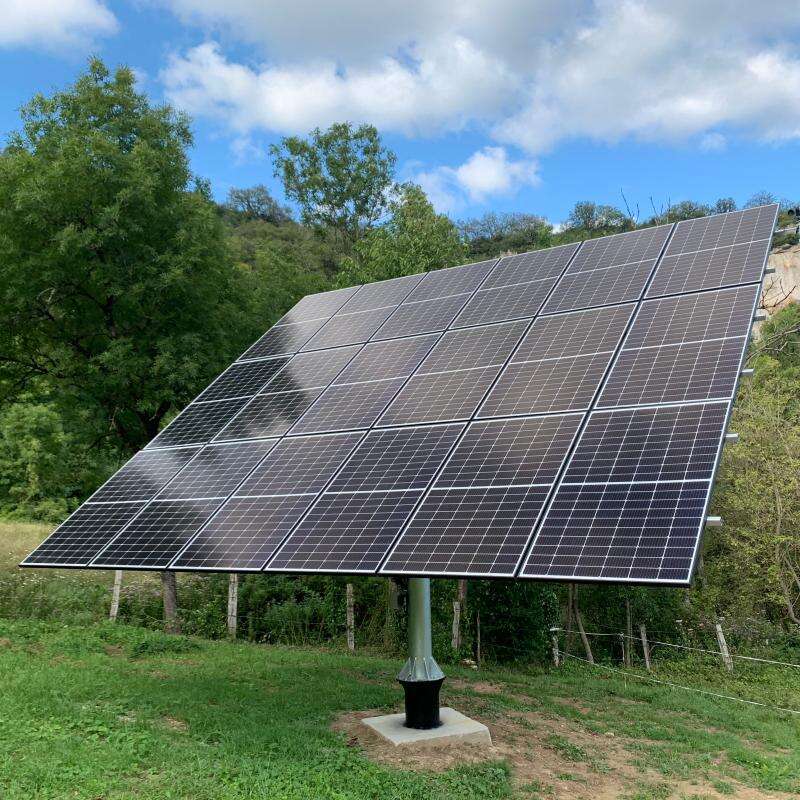
Organizations pursuing environmental responsibility discover industrial energy storage is the critical enabler transforming renewable energy from intermittent supplemental power into reliable primary supply for operations. Solar panels generate tremendous energy during midday sunshine but produce nothing overnight when many facilities run continuous operations, while wind turbines spin vigorously during storms that may not align with your production schedule. Your industrial energy storage bridges this temporal mismatch, capturing renewable generation whenever it occurs and dispatching that clean energy precisely when your operations need power, regardless of whether the sun shines or wind blows at that particular moment. This temporal shifting capability dramatically increases renewable energy utilization rates from typical thirty to forty percent without storage up to eighty or ninety percent when batteries buffer the timing disconnect between generation and consumption. Your facility maximizes the return on solar panel investments by consuming virtually every kilowatt-hour produced rather than exporting excess midday generation to the grid at wholesale prices far below retail rates you pay for evening power. The sustainability impact extends well beyond your property boundaries as industrial energy storage helps stabilize the broader electrical grid struggling to integrate variable renewable resources. When thousands of megawatts of solar generation suddenly disappear as the sun sets, utilities historically fired up fossil fuel plants to replace that capacity, but industrial energy storage distributed across commercial facilities provides the flexible resource grid operators need to maintain reliability without carbon emissions. Your participation in this grid-level transformation earns compensation through various utility programs while demonstrating corporate environmental leadership that resonates with customers, employees, and communities increasingly demanding businesses operate responsibly. You document quantifiable emissions reductions and renewable energy usage percentages for sustainability reports, marketing materials, and green building certifications like LEED that recognize energy storage as contributing toward multiple credit categories. The system enables aggressive decarbonization goals that seem unattainable relying solely on direct renewable connections, providing the firming capacity that lets you commit to sixty, eighty, or even one hundred percent renewable energy targets. Your organization hedges against future carbon pricing, emissions regulations, and renewable energy mandates by building storage infrastructure today that positions you ahead of regulatory curves rather than scrambling to comply when governments tighten environmental requirements. Employees feel pride working for an environmentally progressive employer, improving recruitment and retention in competitive labor markets where talented professionals increasingly consider sustainability when evaluating opportunities. Industrial energy storage represents the convergence of economic advantage and environmental responsibility, delivering compelling financial returns while advancing corporate values and contributing to the global energy transition away from fossil fuels.